Whats It Called When Copper Turns Green
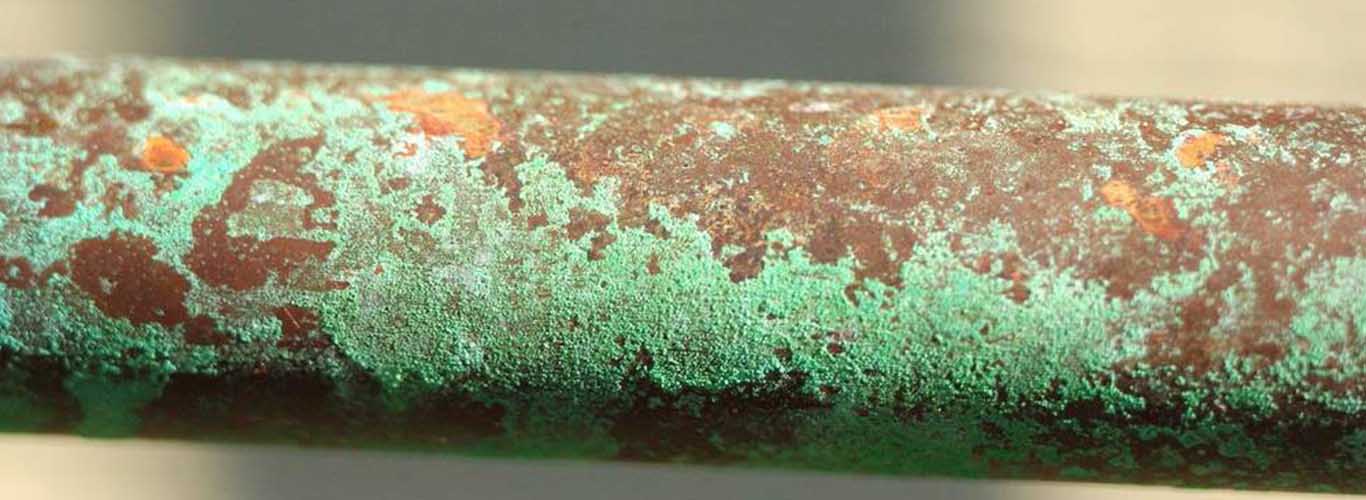
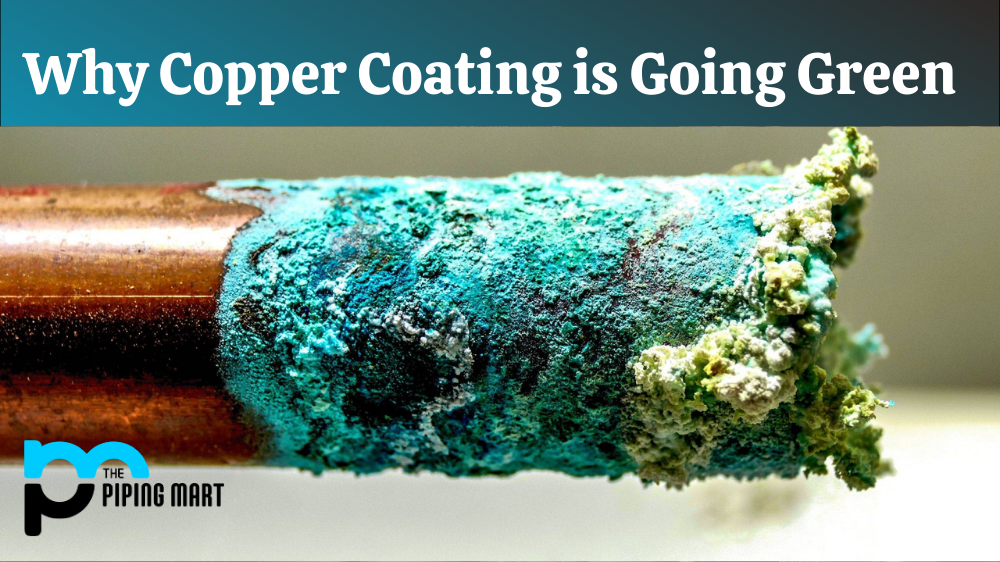
You’re inspecting your HVAC system, maybe the refrigerant lines or even some plumbing, and you notice it: green gunk on the copper. Don't panic! That greenish-blue coating isn't a sign of alien life, but it *is* a sign of corrosion. Let's break down what that green stuff is, why it forms, and what you can (and can’t) do about it.
What Is That Green Coating Called?
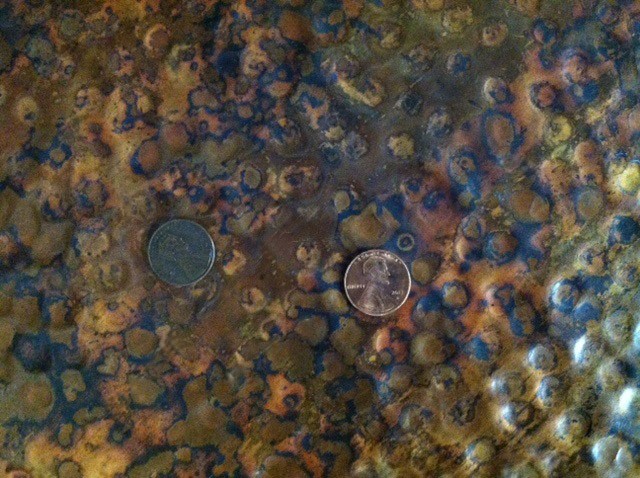
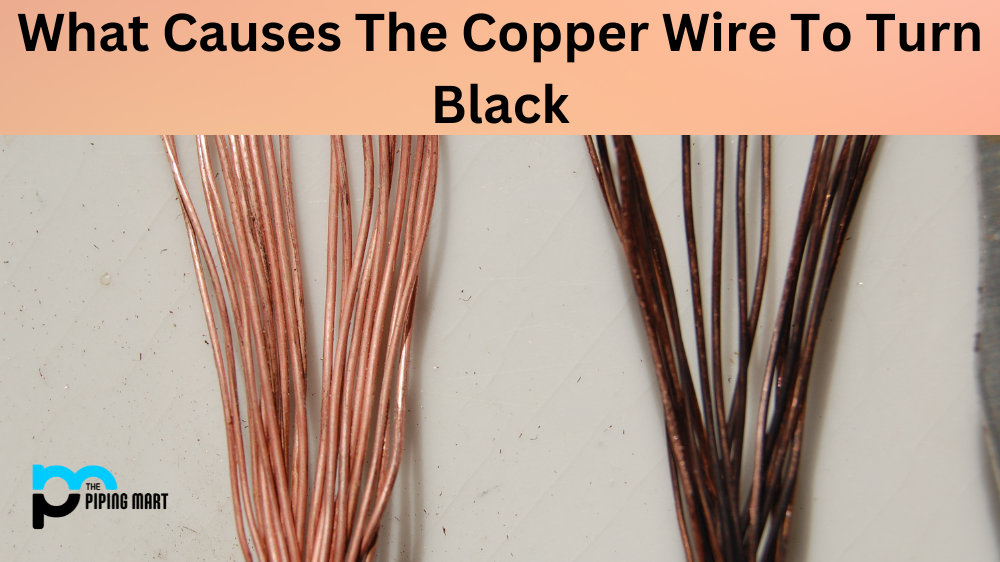
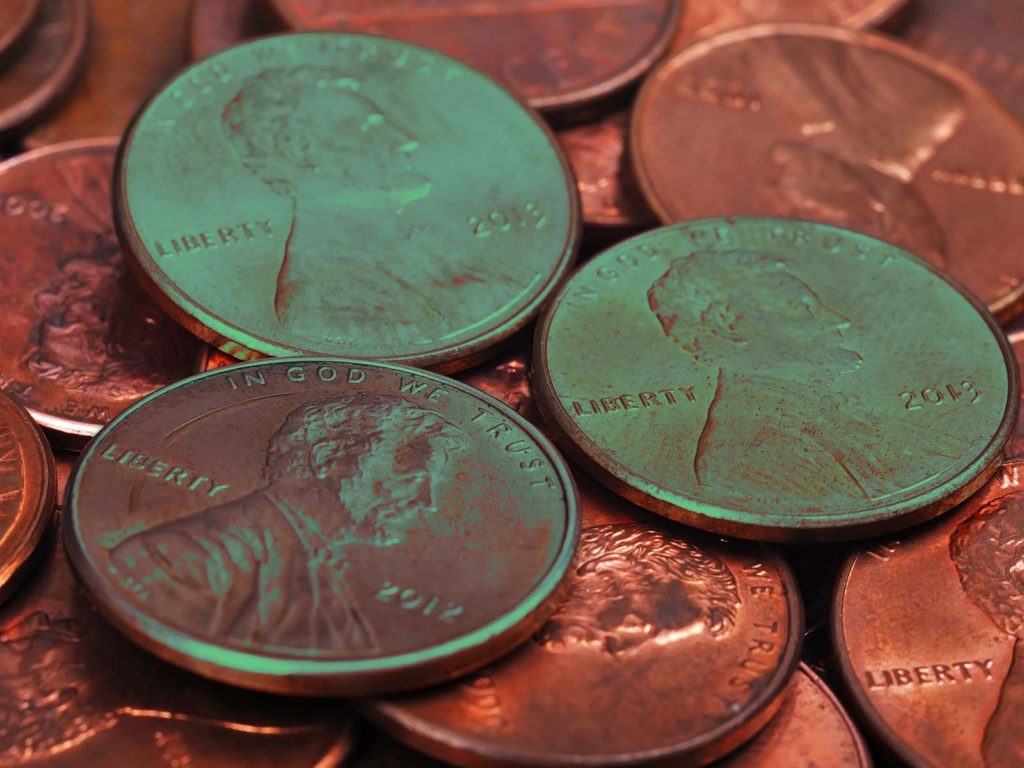
The official term for that green or bluish-green coating on copper is patina. It's a type of corrosion, similar to rust on iron, but it's actually a protective layer under certain circumstances. Think of the Statue of Liberty – its green color comes from a patina formed on the copper sheeting.
Why Does Copper Turn Green in HVAC Systems?
Several factors contribute to patina formation in HVAC systems:
- Moisture: Water is the primary catalyst. Condensation, leaks, or even high humidity accelerates the corrosion process.
- Oxygen: Oxygen in the air reacts with the copper, starting the oxidation process.
- Acids and Chlorides: These are the real culprits that speed up the greening. Think about salt air near coastal regions or acidic rain. Cleaning products used near HVAC components can also contribute. Even the flux used during soldering can cause corrosion if not properly cleaned off.
- Electrolysis: Dissimilar metals in contact, especially in the presence of moisture, can create an electrical current that corrodes the copper. This is also known as galvanic corrosion.
Where You’ll Likely Find Green Copper in Your HVAC System
Patina can appear in various spots, indicating potential problems:
- Refrigerant Lines: Especially near joints, bends, and areas exposed to the elements. Look for it on the lines running to and from the outdoor condenser unit. This could indicate a refrigerant leak or poor soldering.
- Condensate Drain Lines: These lines are constantly exposed to moisture, making them prime candidates for corrosion. Check for blockages caused by the green buildup.
- Evaporator Coils: While usually enclosed, leaks in the coil casing can lead to moisture buildup and corrosion.
- Plumbing Connected to HVAC: If your system uses water for cooling or heating, copper pipes are vulnerable.
Is Green Copper a Problem?
The answer is...it depends. A thin, uniform layer of patina can actually protect the underlying copper from further corrosion. However, if the patina is thick, uneven, or accompanied by pitting, it’s a sign of a serious problem.
Here's the breakdown:
- Thin, Even Patina: Generally not a major concern. Monitor it but usually doesn't require immediate action.
- Thick, Uneven Patina: Indicates accelerated corrosion. Inspect for leaks, damage, and potential system inefficiencies.
- Patina with Pitting: Pitting is localized corrosion that creates small holes in the copper. This weakens the metal and can lead to leaks and system failure. This *requires* professional attention.
DIY Inspection and Cleaning (Proceed with Caution!)
If you're comfortable with basic HVAC maintenance, you can inspect and *attempt* to clean minor surface patina. Always disconnect power to the unit before doing any work.
Tools You’ll Need:
- Safety Glasses
- Gloves (to protect your skin from cleaning solutions)
- Soft Cloths or Brushes
- Mild Cleaning Solution (Dish soap and water, or a commercial copper cleaner specifically designed for HVAC systems)
- Clean Water for Rinsing
Steps for Cleaning Minor Patina:
- Safety First: Turn off the power to the HVAC system at the breaker.
- Inspect: Carefully examine the corroded area. Look for signs of pitting, leaks, or structural damage. If you find any of these, stop and call a professional.
- Clean: Gently scrub the patina with a soft cloth or brush and your chosen cleaning solution. Avoid abrasive cleaners, as they can damage the copper.
- Rinse: Thoroughly rinse the area with clean water to remove any remaining cleaning solution.
- Dry: Allow the area to air dry completely before restoring power to the system.
Important Safety Warnings:
- Never use harsh chemicals or abrasive cleaners. These can damage the copper and create dangerous fumes.
- Do not attempt to clean patina on refrigerant lines if you suspect a leak. Refrigerant exposure can be dangerous. Call a professional immediately.
- If you are uncomfortable working with electrical components or refrigerant lines, do not attempt to clean the patina. Call a qualified HVAC technician.
When to Call a Professional HVAC Technician
While some minor cleaning might be within the realm of DIY, several situations warrant a professional:
- Refrigerant Leaks: If you suspect a refrigerant leak (oily residue, hissing sound, or poor cooling performance), call a professional immediately. Handling refrigerant requires specialized equipment and certification.
- Extensive Corrosion: If the patina is thick, uneven, or accompanied by pitting, it's a sign of a more serious problem that requires professional evaluation and repair.
- Corrosion Near Electrical Components: Any corrosion near electrical components is a safety hazard and should be addressed by a qualified technician.
- You’re Not Comfortable: If you're unsure about any aspect of the inspection or cleaning process, it's always best to err on the side of caution and call a professional.
Potential Repair Costs
Repair costs vary depending on the severity of the corrosion and the components affected. Here are some rough estimates:
- Minor Cleaning and Sealing: $100 - $300 (if done by a professional)
- Refrigerant Line Repair: $200 - $600 (depending on the extent of the damage and the type of refrigerant)
- Condensate Drain Line Replacement: $100 - $400
- Evaporator Coil Replacement: $800 - $2500+ (This is a major repair and often includes refrigerant recharge)
- Complete System Replacement: $4,000 - $12,000+ (In cases of severe corrosion affecting multiple components)
These are just estimates. Always get a quote from a qualified HVAC technician before authorizing any repairs. Be sure to get multiple quotes to ensure you're getting a fair price.
Prevention is Key
The best way to deal with green copper is to prevent it from forming in the first place. Here are some preventative measures you can take:
- Regular HVAC Maintenance: Schedule regular maintenance checks with a qualified technician. They can identify and address potential problems before they become serious.
- Ensure Proper Drainage: Make sure your condensate drain lines are clear and draining properly. Clear any blockages immediately.
- Address Leaks Promptly: Repair any leaks in your HVAC system or plumbing as soon as possible.
- Protect Outdoor Units: Shield your outdoor condenser unit from the elements with a cover during the off-season.
- Improve Ventilation: Ensure proper ventilation in areas where HVAC components are located to reduce humidity.
- Careful Use of Cleaning Products: Avoid using harsh cleaning products near HVAC components. If you must use them, ensure adequate ventilation and wipe up any spills immediately.
In Conclusion
While seeing green on your copper HVAC components can be alarming, understanding what it is and why it forms can help you take appropriate action. Remember to prioritize safety, assess the severity of the corrosion, and don't hesitate to call a professional when needed. Regular maintenance and preventative measures will go a long way in keeping your HVAC system running efficiently and preventing costly repairs down the road.