What's The Best Ac Unit Brand
Choosing the best AC unit brand for your home or business is a crucial decision that significantly impacts your energy bills, comfort levels, and environmental footprint. With so many options available, navigating the market can feel overwhelming. This guide provides a comprehensive overview of leading AC brands, focusing on energy efficiency, smart features, and overall value to help you make an informed choice.
Understanding Energy Efficiency and SEER Ratings
Before diving into specific brands, it’s essential to understand the key metrics that determine an AC unit's energy efficiency. The most important is the Seasonal Energy Efficiency Ratio (SEER). SEER measures the cooling output of an AC unit during a typical cooling season divided by the total electric energy input during the same period. The higher the SEER rating, the more energy-efficient the unit.
The U.S. Department of Energy (DOE) sets minimum SEER requirements. As of January 1, 2023, the minimum SEER rating for residential AC units varies by region:
- Southeast and Southwest regions: Minimum 15 SEER
- Northern region: Minimum 14 SEER
Investing in a unit with a higher SEER rating than the minimum requirement can lead to substantial long-term savings on your energy bills. Look for the ENERGY STAR label, which indicates that a product meets strict energy efficiency guidelines set by the EPA. ENERGY STAR certified AC units are typically at least 8% more efficient than standard models.
Top AC Unit Brands: A Comprehensive Comparison
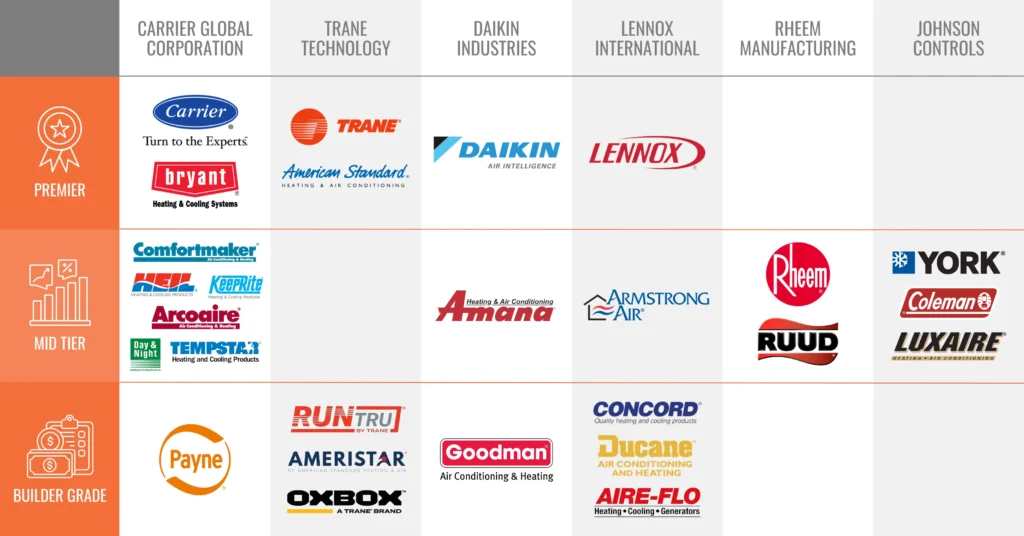
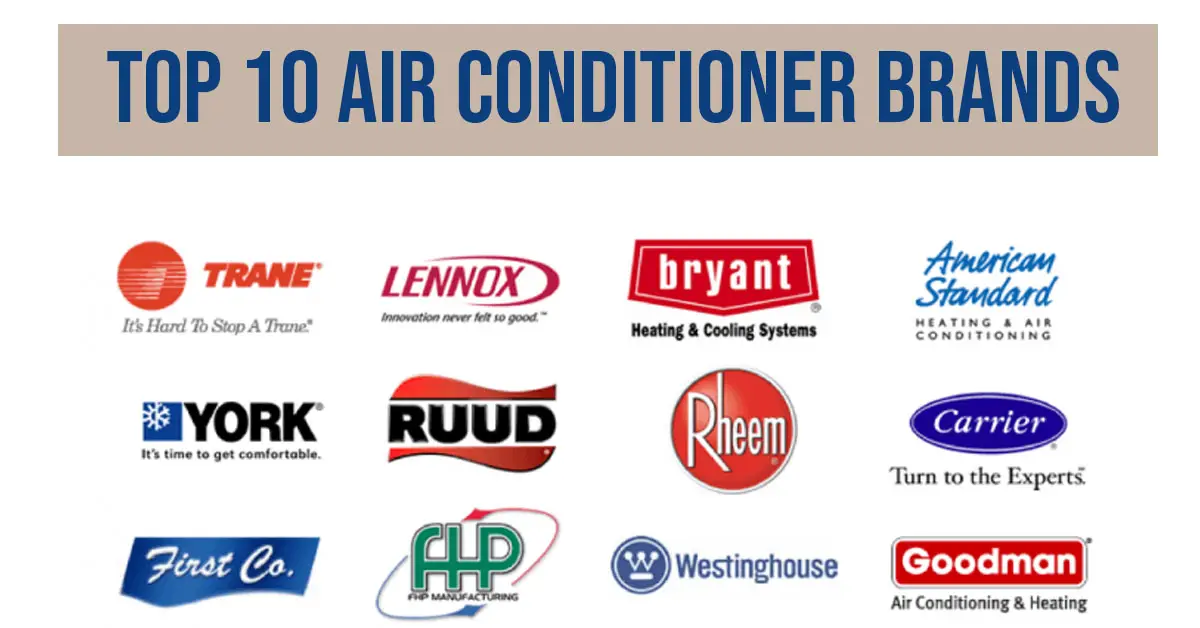
Here's a look at some of the leading AC unit brands, highlighting their strengths, weaknesses, and key features:
Carrier
Carrier is a well-established and reputable brand known for its innovation and high-quality AC units. They offer a wide range of models, including highly efficient options with SEER ratings up to 26.
Pros:
- High SEER ratings available, leading to significant energy savings.
- Advanced features like variable-speed compressors and smart controls.
- Durable construction and reliable performance.
- Extensive dealer network for installation and service.
Cons:
- Higher upfront cost compared to some other brands.
- Complexity of advanced features may require professional installation and maintenance.
ROI and Energy Savings: Carrier's high-efficiency models can significantly reduce energy consumption, leading to substantial savings over the lifespan of the unit. For example, upgrading from a 10 SEER unit to a 20 SEER unit can reduce cooling costs by as much as 50%. This translates to thousands of dollars saved over the unit's lifespan, especially in hotter climates.
Trane
Trane is another leading brand known for its reliability, durability, and energy-efficient AC units. They offer a range of models to suit various budgets and needs.
Pros:
- Durable construction and robust performance.
- Good selection of energy-efficient models with SEER ratings up to 22.
- Quiet operation due to advanced sound dampening technology.
- Extensive dealer network for installation and service.
Cons:
- Can be more expensive than some other brands.
- Some models may lack the advanced features found in Carrier units.
ROI and Energy Savings: Trane's energy-efficient models can provide significant savings on energy bills. Their durable construction also translates to lower maintenance and repair costs over the unit's lifespan. Rebates and tax credits may be available for installing ENERGY STAR certified Trane units.
Lennox
Lennox is known for its innovative and high-performance AC units, including some of the most energy-efficient models on the market. They offer a wide range of products, from basic to premium.
Pros:
- Industry-leading SEER ratings, with some models exceeding 28.
- Innovative features like solar-ready options and smart home integration.
- Quiet operation and precise temperature control.
Cons:
- Higher upfront cost than most other brands.
- May require specialized installation and maintenance.
- Not as widely available as some other brands.
ROI and Energy Savings: Lennox's ultra-high-efficiency models offer the greatest potential for energy savings. While the initial investment is higher, the long-term savings can be substantial, particularly in regions with high electricity rates. Government rebates and tax incentives can help offset the higher upfront cost.
Goodman
Goodman offers a more budget-friendly option without sacrificing essential features and reliability. They offer a range of models with decent SEER ratings.
Pros:
- Lower upfront cost compared to premium brands.
- Decent SEER ratings for energy savings.
- Simple and reliable operation.
- Good warranty coverage.
Cons:
- May not have as many advanced features as premium brands.
- Lower SEER ratings compared to high-end models.
- Potentially shorter lifespan compared to premium brands.
ROI and Energy Savings: Goodman provides a good balance between upfront cost and energy savings. While the long-term savings may not be as high as with premium brands, the lower initial investment makes it an attractive option for budget-conscious homeowners and businesses.
Rheem
Rheem offers a wide variety of AC units, water heaters, and other HVAC equipment. They’re known for their reliable and energy-efficient models, often at a competitive price point.
Pros:
- Wide range of models to fit various needs and budgets.
- Good energy efficiency, with some models offering high SEER ratings.
- Reliable performance and durable construction.
- Often competitively priced.
Cons:
- May not have the cutting-edge features of some premium brands.
- Warranty coverage may vary depending on the model.
ROI and Energy Savings: Rheem’s variety offers a good balance between cost and performance. Their efficient models can help lower energy bills, and the brand’s reputation for reliability minimizes potential repair costs. Look for models eligible for rebates and incentives.
The Role of Smart Home Integration
Integrating your AC unit with a smart home system can further enhance energy efficiency and convenience. Smart thermostats, such as those from Nest, ecobee, and Honeywell, learn your habits and automatically adjust the temperature to optimize comfort and energy savings. They also allow you to control your AC unit remotely via smartphone or voice commands.
Benefits of smart home integration:
- Automated temperature control: Smart thermostats can automatically adjust the temperature based on occupancy, weather conditions, and your personal preferences.
- Remote access: Control your AC unit from anywhere via smartphone or tablet.
- Energy monitoring: Track your energy consumption and identify areas for improvement.
- Integration with other smart home devices: Integrate your AC unit with other smart home devices, such as lighting and security systems, for a more seamless and automated experience.
Many modern AC units, particularly those from Carrier, Trane, and Lennox, are designed to be compatible with smart home systems. Look for models that support open protocols like Wi-Fi and Zigbee for seamless integration.
Choosing the Right AC Unit: Key Considerations
When selecting an AC unit, consider the following factors:
- Size: Choose the right size AC unit for your home or business. An undersized unit will struggle to cool the space effectively, while an oversized unit will cycle on and off frequently, leading to wasted energy and reduced lifespan. A qualified HVAC contractor can perform a load calculation to determine the appropriate size unit.
- SEER rating: Select a unit with a SEER rating that meets your budget and energy-saving goals.
- Features: Consider the features that are important to you, such as variable-speed compressors, smart controls, and quiet operation.
- Budget: Determine your budget and compare prices from different brands and models.
- Warranty: Check the warranty coverage offered by the manufacturer. A longer warranty provides greater peace of mind and protects against potential repair costs.
- Installation: Choose a qualified HVAC contractor for installation. Proper installation is crucial for optimal performance and energy efficiency.
Rebates and Incentives
Take advantage of available rebates and incentives to reduce the cost of upgrading to an energy-efficient AC unit. Many utility companies and government agencies offer rebates for installing ENERGY STAR certified products. Check with your local utility company and the DSIRE (Database of State Incentives for Renewables & Efficiency) website for available programs in your area.
The Inflation Reduction Act (IRA) of 2022 includes significant tax credits and rebates for homeowners who install energy-efficient HVAC systems. These incentives can significantly reduce the upfront cost of upgrading to a high-efficiency AC unit.
Conclusion
Choosing the best AC unit brand requires careful consideration of your budget, energy-saving goals, and specific needs. Carrier, Trane, and Lennox are leading brands known for their high-quality, energy-efficient models, while Goodman and Rheem offer more budget-friendly options. By understanding the key metrics of energy efficiency, considering the benefits of smart home integration, and taking advantage of available rebates and incentives, you can make an informed decision that will save you money and reduce your environmental impact.
Consulting with a qualified HVAC contractor is highly recommended to determine the best AC unit for your specific needs and to ensure proper installation.