What's The Difference Between #1 And #2 Copper

Let's talk copper wire. You've likely heard the terms "#1 Copper" and "#2 Copper," especially if you're dealing with electrical repairs or recycling. But what's the *real* difference, and how does it affect your household troubleshooting?
First, let's set the stage with a common scenario: a malfunctioning garbage disposal. It's humming, but nothing's grinding. Time for some DIY troubleshooting!
Troubleshooting a Garbage Disposal That's Humming But Not Grinding
A humming garbage disposal usually indicates the motor is receiving power but is mechanically stuck. Before diving in, safety first! Always disconnect the power before working on any electrical appliance.
Step 1: Ensure Power is OFF
This is the most crucial step. There are a couple of ways to ensure the disposal is disconnected:
- Find the Circuit Breaker: Locate the breaker in your electrical panel that controls the garbage disposal. Flip it to the "Off" position. It's usually labeled, but if not, try flipping breakers one by one (and testing the disposal after each) until it stops humming.
- Unplug (If Applicable): Some disposals are plugged into an outlet under the sink. If yours is, simply unplug it.
Double-check that the disposal is truly off before proceeding.
Step 2: The Reset Button
Many disposals have a reset button, typically a small, red button located on the bottom of the unit. Press it firmly. This can sometimes resolve minor overloads.
Step 3: Check for Obstructions
This is the most common cause of a humming disposal.
- Safety First: With the power OFF, use tongs or pliers (never your hand!) to reach into the disposal chamber and carefully remove any visible obstructions. Common culprits include silverware, bones, fruit pits, and small toys.
- The Wooden Spoon Trick: If you can't see anything obvious, insert a wooden spoon or broom handle into the disposal chamber. Gently try to rotate the impeller (the spinning part at the bottom). If it's stuck, try to dislodge whatever is blocking it.
If you find a large obstruction, that's likely your problem. Once removed, reset the disposal (if needed) and test it (with the power ON, of course!).
Step 4: Check for Loose Connections (Advanced - PRO ONLY)
This step involves working with electricity. If you are not comfortable working with electricity, stop here and call a qualified electrician.
If the disposal still hums after removing obstructions, there might be a loose wire connection. Here's what to (carefully) check:
- Access the Wiring: Locate the wiring compartment on the bottom of the disposal. This usually involves removing a small cover plate with a screwdriver.
- Inspect the Wires: Look for loose wires, frayed insulation, or corroded connections. Gently tug on each wire to ensure it's securely connected to its terminal.
- Tighten Connections: If you find a loose connection, carefully tighten the screw on the terminal block.
Important: Ensure the wires are properly insulated and not touching each other. If you see any damaged wiring, it must be replaced by a professional. Use appropriately rated wire nuts for any connections you make.
Step 5: Checking the Overload Protector (Advanced - PRO ONLY)
Some disposals have an internal overload protector that can trip. This is usually self-resetting, but it's worth checking.
- Location: This is usually a small button or switch located on the motor housing.
- Reset: Press the button firmly or flip the switch to the 'reset' position.
When to Call a Professional
If you've tried these steps and the disposal still isn't working, it's time to call a qualified appliance repair technician or electrician. Here are some situations that warrant professional help:
- You're uncomfortable working with electricity.
- You see signs of electrical damage (burnt wires, sparking).
- The disposal is leaking.
- The motor is making unusual noises (grinding, screeching).
- The disposal is old or has been heavily used. It might be more cost-effective to replace it than to repair it.
Understanding Copper Wire Grades: #1 vs. #2
Now, let's circle back to the copper wire grades. While you might not be actively sourcing copper for this particular repair, understanding the difference is important for general electrical knowledge and recycling.
The primary difference between #1 and #2 copper lies in their purity and condition. This affects their price and suitability for different applications.
#1 Copper
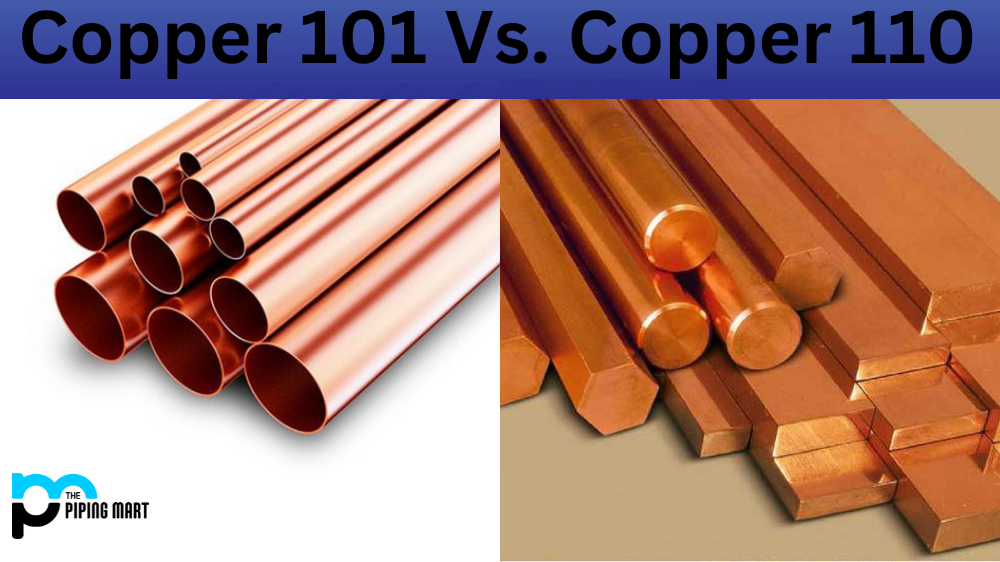
- Definition: #1 Copper, also known as "Bare Bright" or "Bright and Shiny," is the highest grade of scrap copper.
- Characteristics:
- Unalloyed: It's essentially pure copper (typically 99% or higher).
- Clean: Free from paint, solder, insulation, and other contaminants.
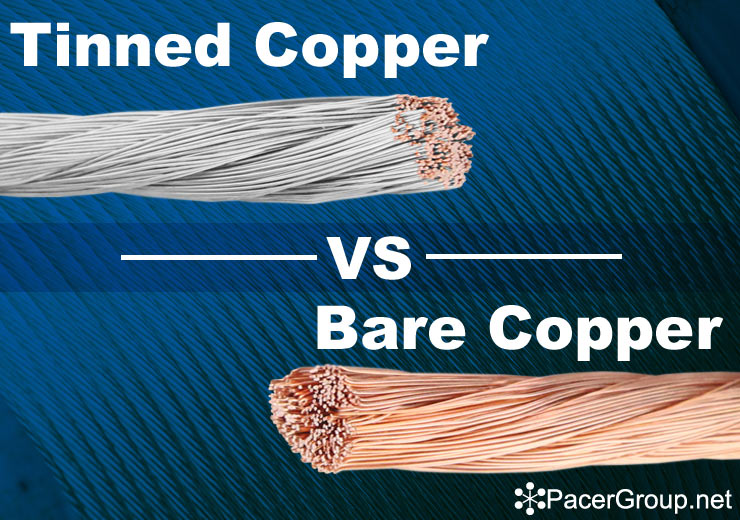
- Uncoated: No tinning or other coatings.
- Minimum Size: Usually at least 1/16 inch in diameter.
- Common Sources: Heavy gauge wire, bus bars, clippings from electrical manufacturing.
- Applications: Because of its purity, #1 copper is highly desirable for recycling and reuse in electrical applications where conductivity is paramount.
#2 Copper
- Definition: #2 Copper is a lower grade of scrap copper compared to #1.
- Characteristics:
- Potentially Alloyed: May contain some impurities or traces of other metals.
- May Contain Some Contamination: Can have some solder, paint, or minor insulation.
- Acceptable Diameter: Typically includes smaller gauge wire than #1 copper.
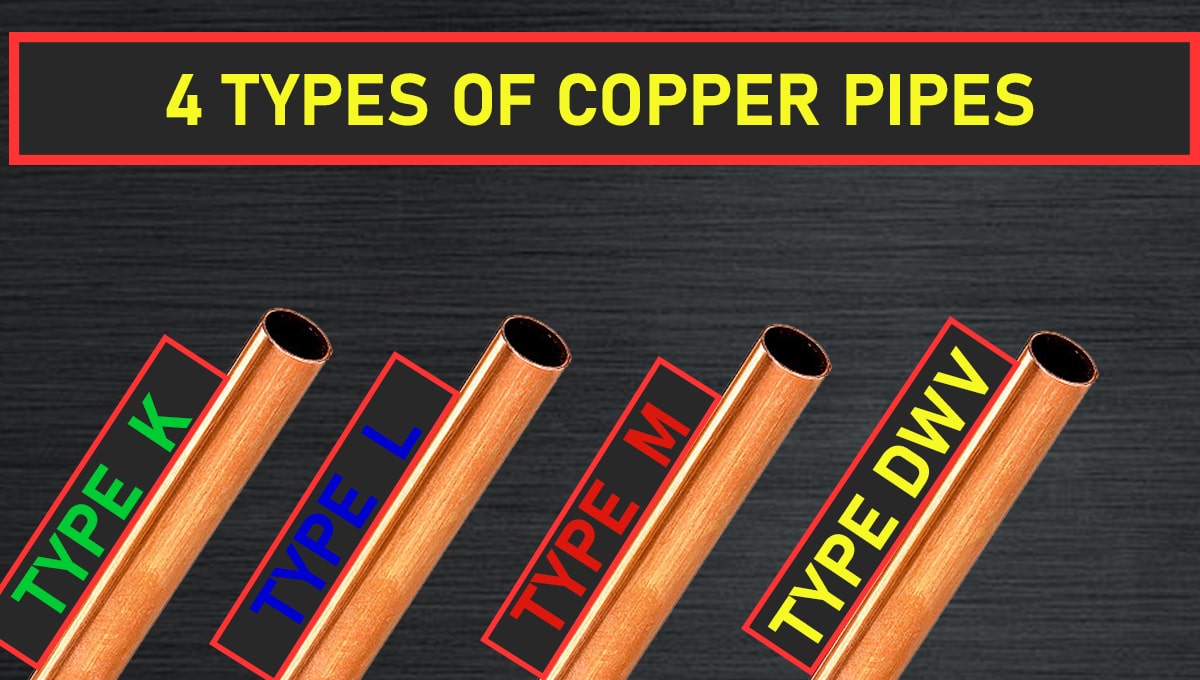
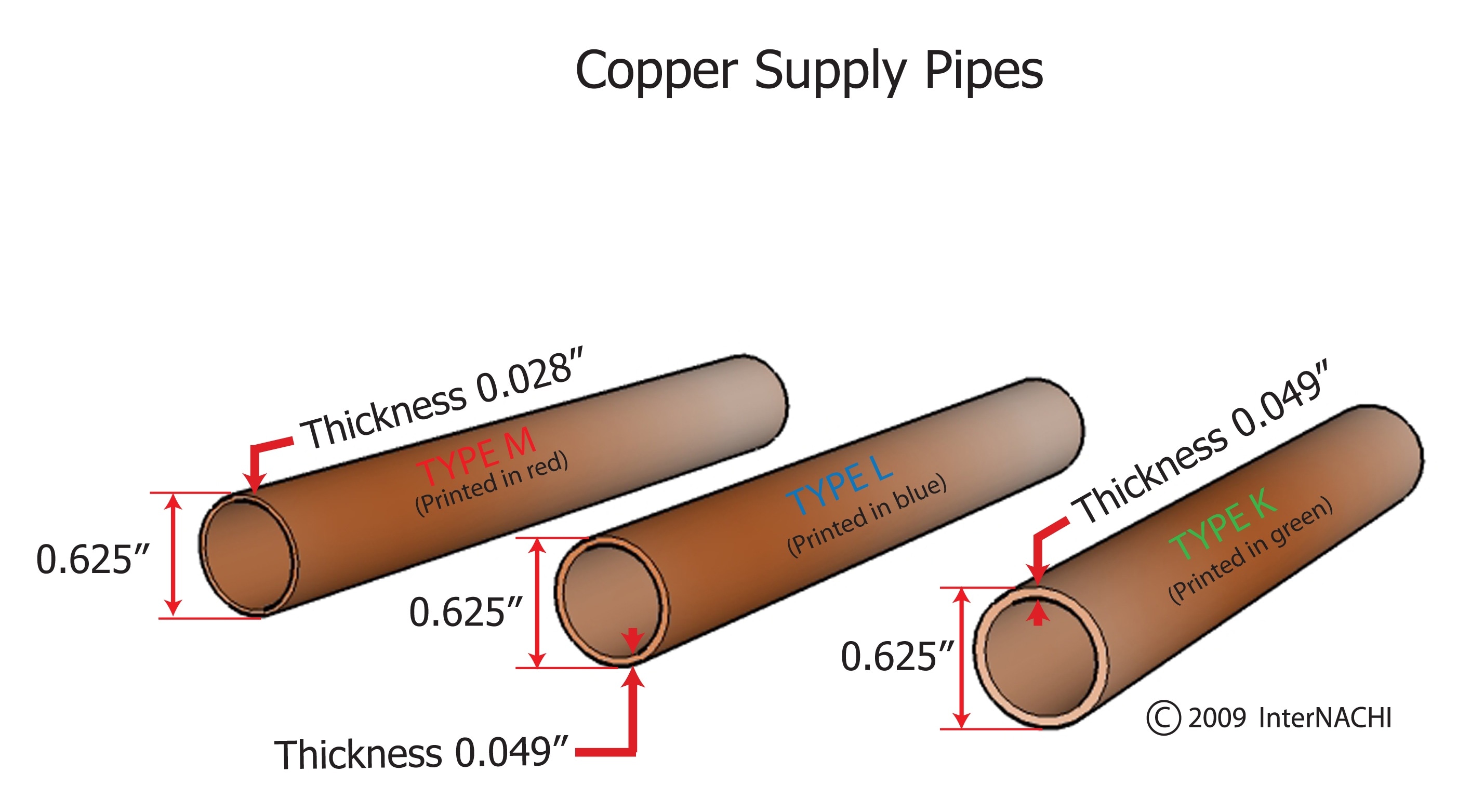
- Common Sources: Copper pipes, roofing materials, insulated wire (with insulation removed), electrical wiring from demolition projects.
- Applications: #2 copper is still valuable for recycling, but it requires more processing to remove impurities before it can be reused.
Key Differences Summarized
| Feature | #1 Copper | #2 Copper |
|---|---|---|
| Purity | High (99%+) | Lower (May contain impurities) |
| Cleanliness | Clean, free of contaminants | May contain some solder, paint, or insulation |
| Appearance | Bright and shiny | May be tarnished or have some discoloration |
| Common Sources | Heavy gauge wire, bus bars | Copper pipes, roofing materials, insulated wire (insulation removed) |
Why Does the Grade Matter?
The grade of copper affects its price and its suitability for various applications.
- Price: #1 copper fetches a higher price per pound than #2 copper due to its higher purity and lower processing costs for recycling.
- Applications:
- #1 Copper: Used in high-end electrical applications where maximum conductivity is essential, such as new wiring, electronic components, and specialized equipment.
- #2 Copper: Used in less demanding applications or where some level of impurity is acceptable. It's often used in plumbing, roofing, and general manufacturing processes after it's been reprocessed.
Connecting it Back to Your Garbage Disposal (Indirectly)
While you probably won't be directly dealing with #1 or #2 copper when repairing your garbage disposal, understanding the quality of the wire used *inside* the appliance is relevant. The disposal's motor windings, for example, use high-quality copper wire to ensure efficient operation. Damage to these windings (often from overheating or electrical surges) is a common reason for disposal failure, and it's a repair best left to professionals.
DIY Tips for Electrical Safety
Whether you're tackling a garbage disposal or another electrical repair, always prioritize safety.
- Turn off the power! It's worth repeating.
- Use insulated tools.
- Wear safety glasses.
- Never work on electrical systems in wet conditions.
- If you're unsure about anything, call a qualified electrician.
- Test with a Non-Contact Voltage Tester: Before touching any wires, use a non-contact voltage tester to confirm that the power is off.
By following these steps and understanding your limitations, you can confidently troubleshoot many common household problems. Remember, it's always better to be safe than sorry, especially when dealing with electricity or other potentially hazardous situations. Happy troubleshooting!