What's The Difference Between Brazing And Soldering
When it comes to joining metal parts in your HVAC system, two common processes are brazing and soldering. Both create a bond between metal pieces, but they differ significantly in terms of temperature, strength, applications, and implications for your energy efficiency and overall system longevity. Understanding these differences is crucial for homeowners looking to optimize their HVAC performance, businesses aiming for sustainable energy solutions, and contractors striving to provide reliable, energy-saving installations. Making the right choice between brazing and soldering impacts everything from refrigerant leaks and system downtime to long-term cost savings.
Brazing vs. Soldering: The Key Differences
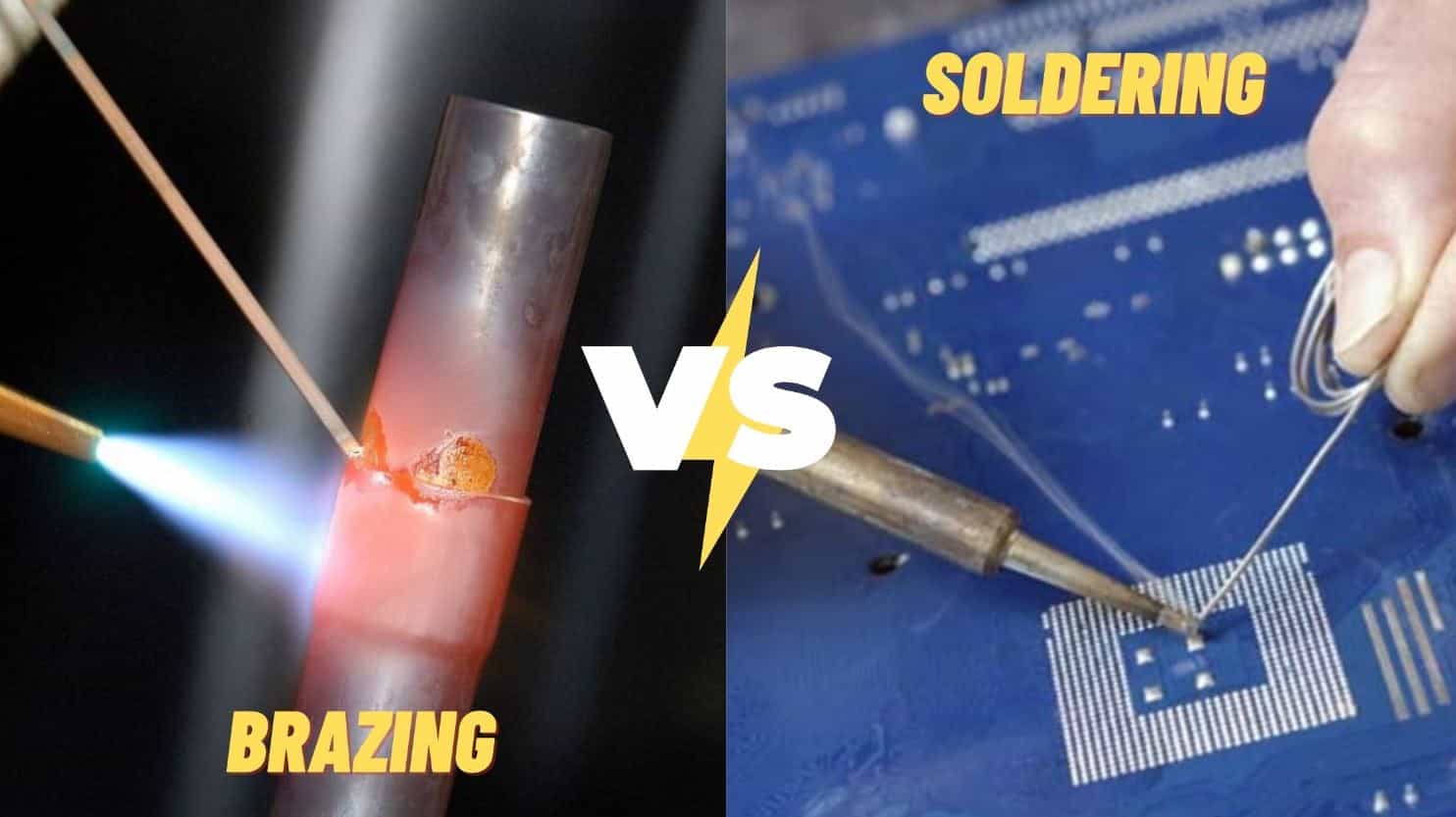
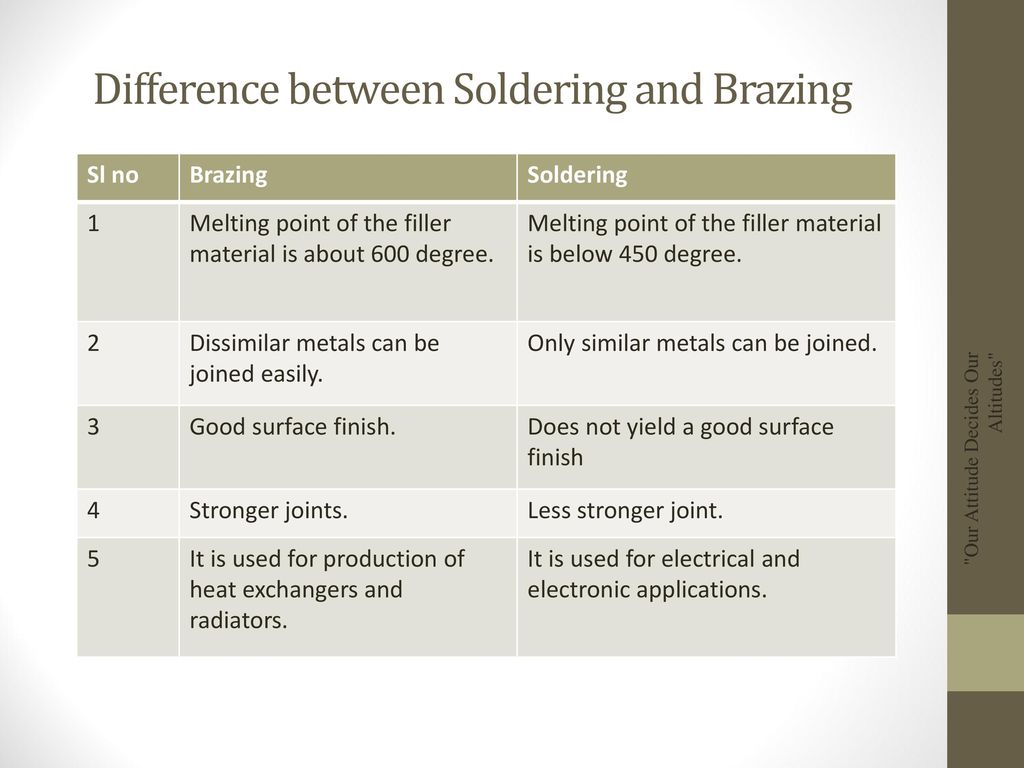
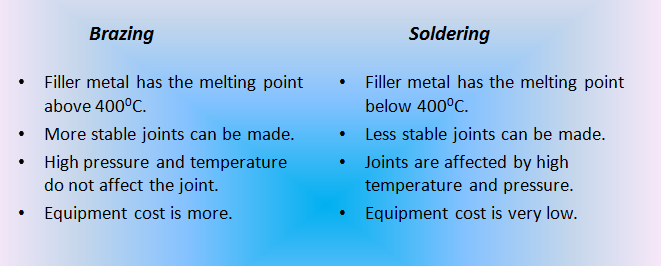
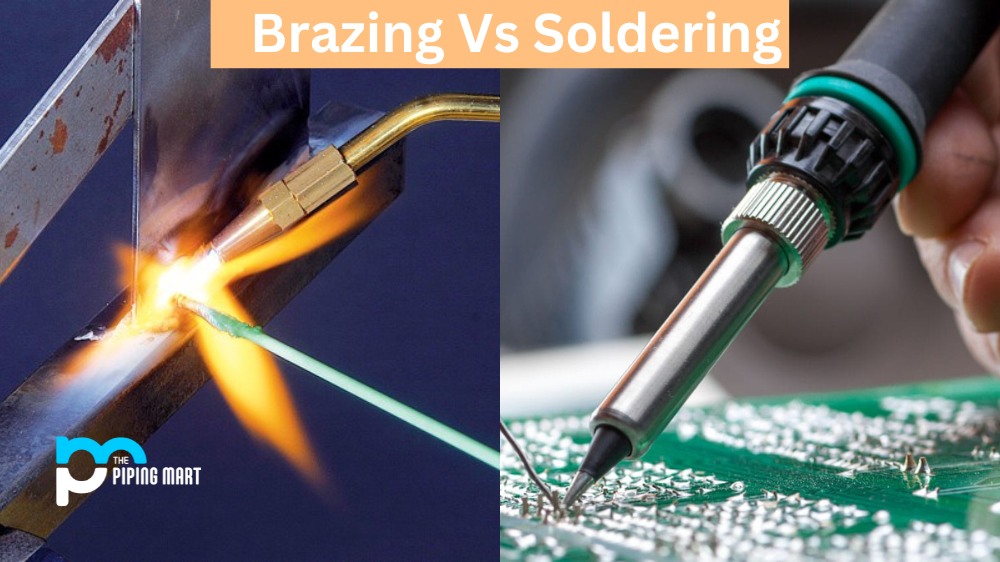
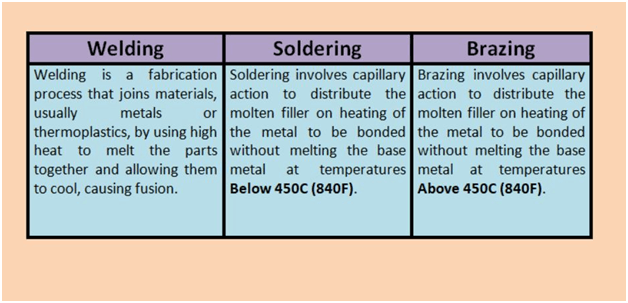
The primary distinction between brazing and soldering lies in the temperature at which the filler metal melts. According to the American Welding Society (AWS), soldering is defined as a joining process that occurs below 840°F (450°C), while brazing happens above this temperature. This temperature difference dictates the strength of the joint, the types of metals that can be joined, and the overall application.
Temperature and Filler Metals
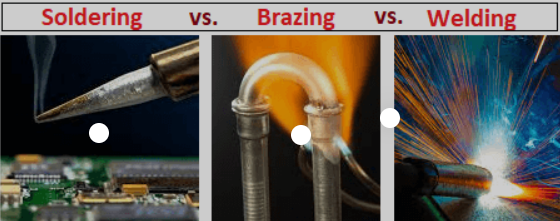
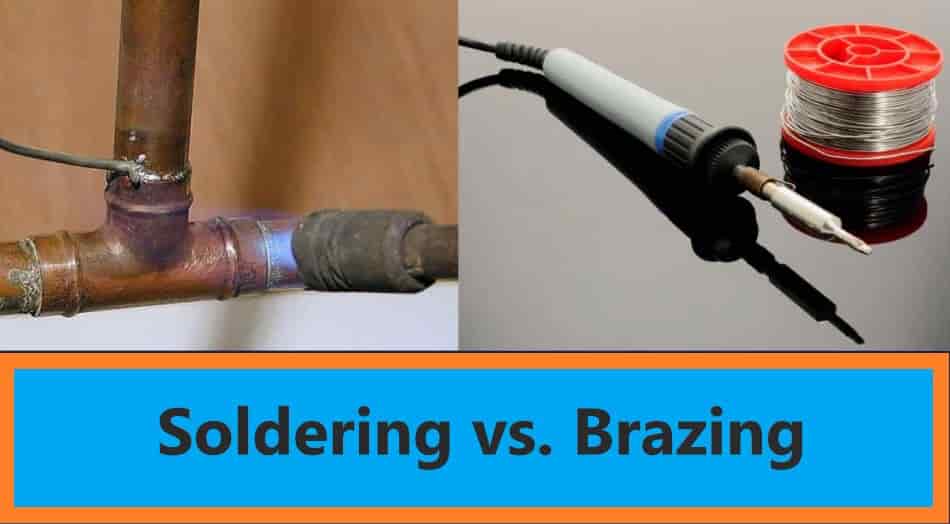
Soldering typically uses filler metals like tin-lead alloys (though lead-free options are increasingly common) or alloys of tin, copper, and silver. These materials melt easily and are ideal for creating electrical connections or joining thin sheets of metal. Because soldering happens at lower temperatures, there's less risk of warping or damaging delicate components. Brazing, on the other hand, uses filler metals like brass, silver alloys, or aluminum-silicon alloys. These materials require much higher temperatures to melt and flow, resulting in a significantly stronger joint.
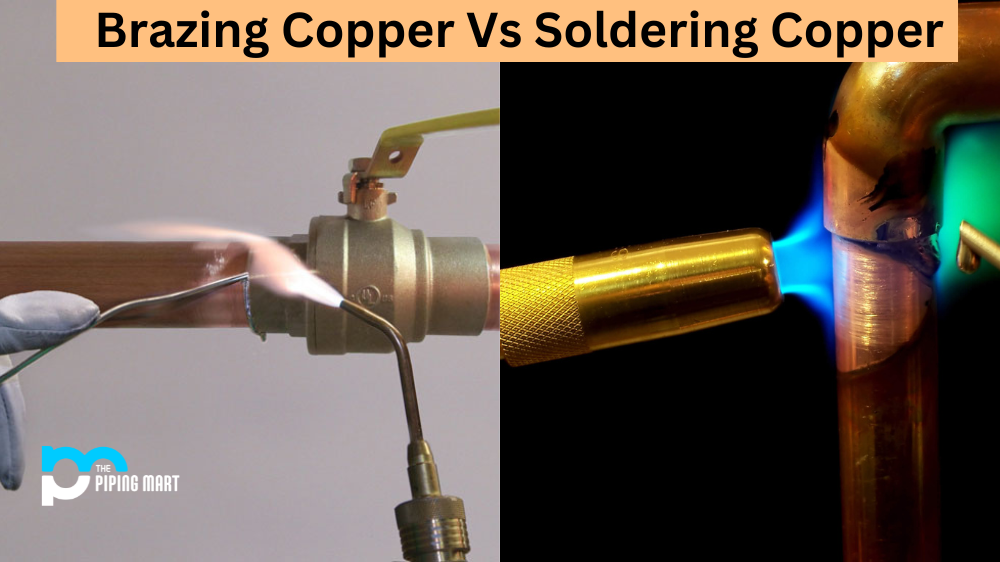
The higher temperatures used in brazing require more specialized equipment, including torches that can generate higher heat output. While soldering can often be done with a simple soldering iron or even a propane torch for small-diameter copper pipes, brazing typically necessitates an oxy-acetylene torch or a similar high-intensity heat source.
Joint Strength and Applications
The temperature difference directly impacts the strength of the joint. Brazed joints are significantly stronger than soldered joints. This is because the higher temperatures allow the filler metal to diffuse into the base metals, creating a metallurgical bond that is far more robust. A properly brazed joint can often withstand tensile strengths exceeding 20,000 PSI, while soldered joints typically have tensile strengths in the range of 5,000 to 10,000 PSI.
This difference in strength dictates the appropriate applications for each process. Soldering is commonly used for:
- Electrical connections: Wiring, circuit boards, and electronic components.
- Joining thin metal sheets: Seams in gutters or flashing.
- Sealing low-pressure systems: Some plumbing applications, though brazing is often preferred for critical connections.
Brazing is preferred for:
- HVAC refrigerant lines: Connections that need to withstand high pressures and temperatures.
- Joining thicker metal components: Where structural integrity is paramount.
- Critical plumbing connections: Gas lines and water pipes carrying high pressure.
In HVAC systems, brazing is almost exclusively used for refrigerant lines. Refrigerant operates under high pressure, and any leaks can significantly reduce system efficiency, leading to increased energy consumption and costly repairs. Soldered joints would simply not be strong enough to withstand these pressures and temperatures.
Energy Efficiency and Cost Savings
The choice between brazing and soldering, and the quality of the workmanship, directly affects the energy efficiency and operational costs of your HVAC system. Poorly brazed or soldered joints are prone to leaks, particularly in refrigerant lines. According to the EPA, refrigerant leaks are a major contributor to greenhouse gas emissions and can also significantly reduce the cooling capacity of your air conditioner.
Refrigerant Leaks and Their Impact
A small refrigerant leak can lead to a gradual decline in cooling performance, forcing your system to work harder and consume more energy to maintain the desired temperature. This translates directly into higher energy bills. Over time, a significant leak can damage the compressor, the most expensive component of your air conditioning system, leading to costly repairs or even a complete system replacement. The cost of refrigerant itself is also increasing, driven by regulations aimed at phasing out ozone-depleting substances. Repairing refrigerant leaks promptly and ensuring properly brazed connections are essential for minimizing energy waste and preventing costly repairs.
The Importance of Proper Brazing Techniques
Proper brazing techniques are crucial for creating leak-free joints. This includes:
- Thoroughly cleaning the surfaces to be joined: Removing oxides and contaminants ensures proper bonding.
- Using the correct type of filler metal: Matching the filler metal to the base metals and the operating conditions is essential.
- Applying the correct amount of heat: Too little heat will result in a weak joint, while too much heat can damage the base metals.
- Using a proper flux: Flux helps to prevent oxidation during heating and promotes the flow of the filler metal.
- Shielding the joint from drafts: Air currents can cool the joint unevenly and weaken the bond.
HVAC contractors certified by organizations like NATE (North American Technician Excellence) are trained in proper brazing techniques and understand the importance of creating leak-free joints. Hiring a qualified and experienced technician is an investment that can pay off in the long run through improved energy efficiency and reduced repair costs.
Smart HVAC Integration and Leak Detection
Integrating your HVAC system with smart home technology can provide an added layer of protection against refrigerant leaks and other performance issues. Smart thermostats can monitor system performance and alert you to unusual operating patterns that may indicate a problem. Some smart thermostats can even detect subtle changes in refrigerant pressure, providing early warning of a potential leak. Smart sensors placed near refrigerant lines can also detect refrigerant leaks, triggering an alert to your smartphone or other device. These technologies allow you to address potential problems early, before they escalate into major repairs and energy losses.
Rebates and Incentives
Many utility companies and government agencies offer rebates and incentives for energy-efficient HVAC systems. These incentives can help offset the cost of upgrading to a more efficient system and can also include rebates for repairs that improve energy performance, such as fixing refrigerant leaks. Check with your local utility company and the Energy Star website to see what rebates and incentives are available in your area. In some cases, properly executed brazing repairs that prevent refrigerant leaks can qualify for energy-efficiency rebates, further incentivizing high-quality workmanship.
Choosing the Right HVAC Contractor
Selecting a qualified and experienced HVAC contractor is crucial for ensuring that your system is installed and maintained properly. Look for contractors who are licensed, insured, and certified by reputable organizations like NATE. Ask for references and check online reviews to get a sense of their reputation and quality of workmanship. A good HVAC contractor will be able to assess your needs, recommend the most energy-efficient solutions, and perform all necessary repairs and installations to the highest standards. They should also be knowledgeable about brazing techniques and understand the importance of creating leak-free joints for optimal system performance.
When discussing repairs or installations with your HVAC contractor, be sure to ask about their brazing procedures and the types of filler metals they use. A reputable contractor will be transparent about their methods and will be able to explain the benefits of using high-quality materials and techniques.
The Bottom Line
Understanding the difference between brazing and soldering is essential for homeowners and businesses looking to optimize the energy efficiency and longevity of their HVAC systems. While soldering has its place in certain applications, brazing is the preferred method for joining refrigerant lines and other critical components where strength and leak-tightness are paramount. By investing in high-quality brazing workmanship and integrating smart HVAC technologies, you can minimize energy waste, reduce repair costs, and ensure that your system operates at peak performance for years to come. Prioritizing proper brazing techniques is not just about saving money; it's also about contributing to a more sustainable future by reducing refrigerant emissions and conserving energy.