What's The Difference Between Mold And Mildew

Mold and mildew. Two words that send shivers down the spines of homeowners, HVAC technicians, and facility managers alike. While often used interchangeably, they are, in fact, distinct types of fungi with varying characteristics, impacts, and remediation strategies. Understanding the differences between mold and mildew is crucial for maintaining healthy indoor air quality, protecting building infrastructure, and ensuring the efficient operation of your HVAC system. This article will delve into the specifics of each, providing a comprehensive guide for identification, prevention, and, when necessary, professional intervention.
Understanding the Basics: Fungi Among Us
Both mold and mildew belong to the kingdom Fungi, a diverse group of organisms that thrive in moist environments. They reproduce by releasing spores, microscopic particles that travel through the air and settle on surfaces. When these spores encounter suitable conditions – adequate moisture, warmth, and a food source (like drywall, wood, or even dust) – they begin to grow, forming visible colonies. The key difference lies in their specific species and how they manifest.
Mildew: The Surface Dweller
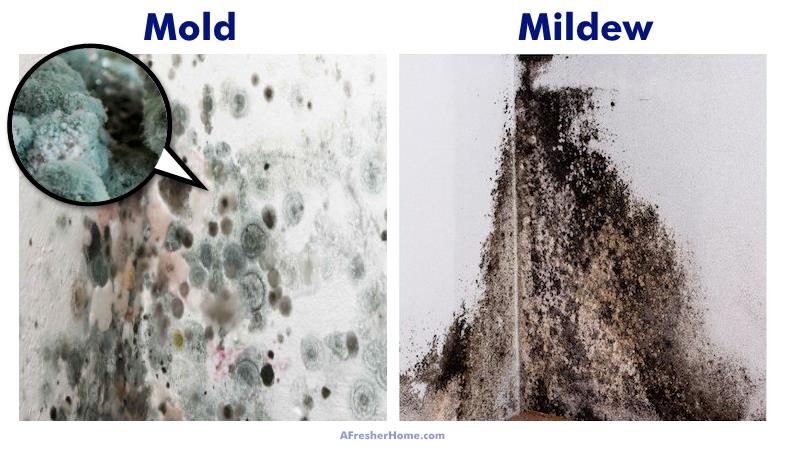
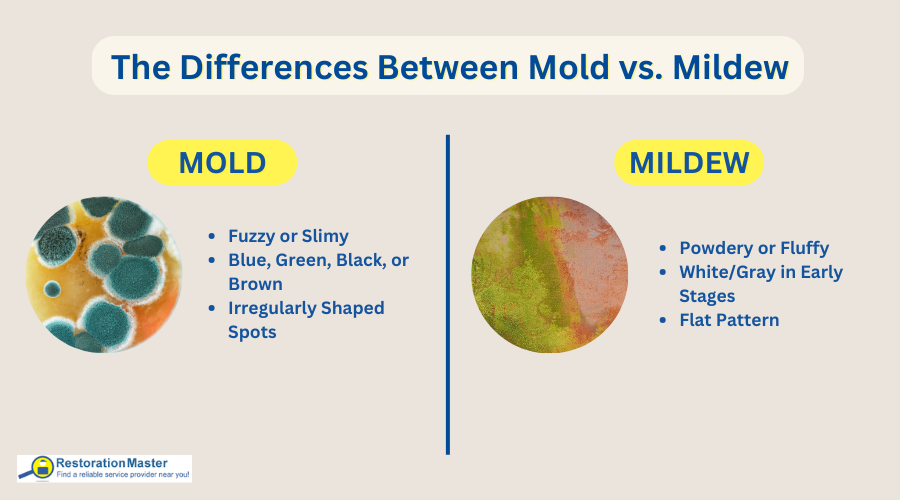
Mildew is generally considered a surface fungus. It typically appears as a flat, powdery, or downy growth on surfaces. It's commonly found in bathrooms, kitchens, and other areas with high humidity. There are two main types of mildew:
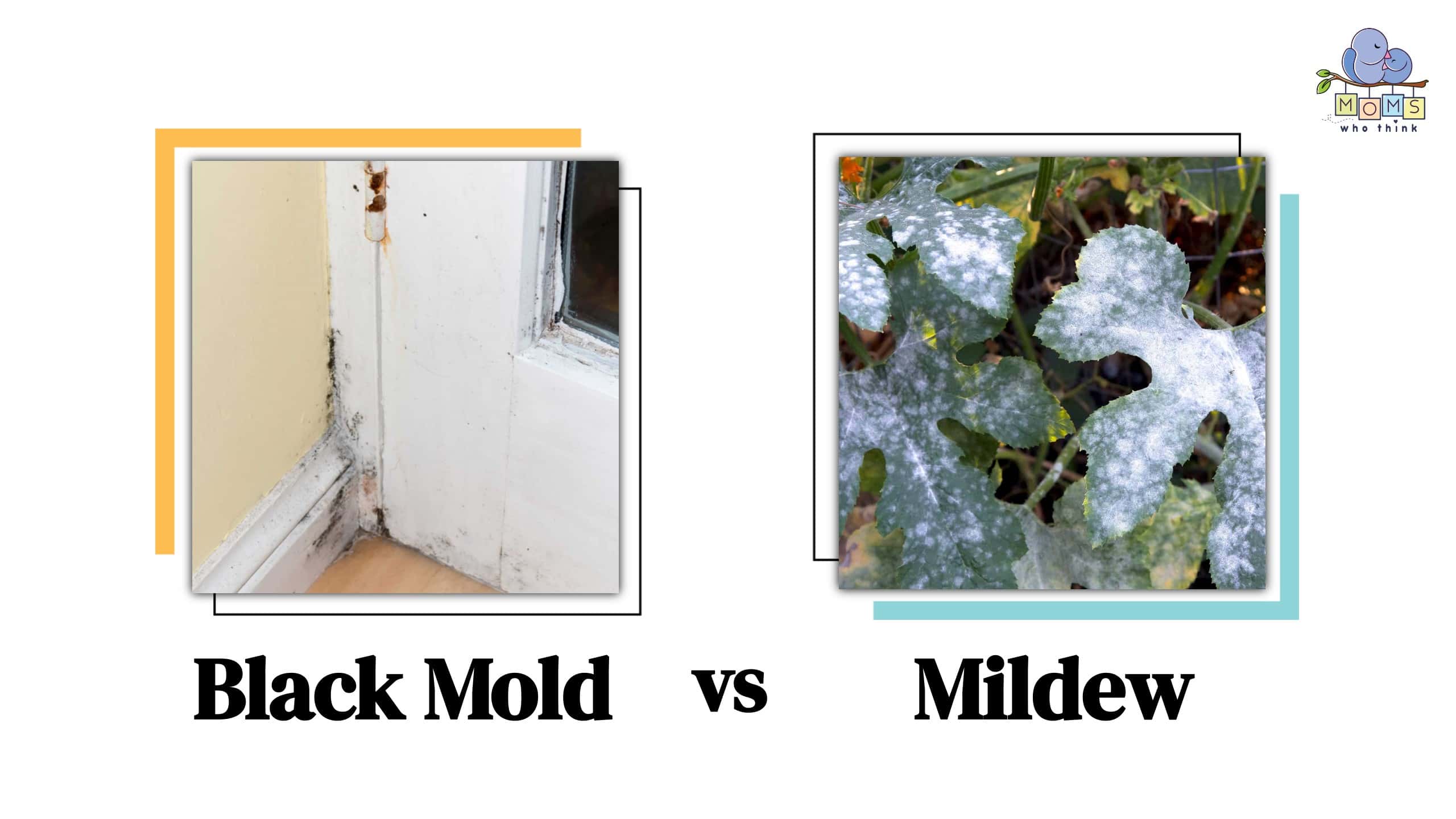
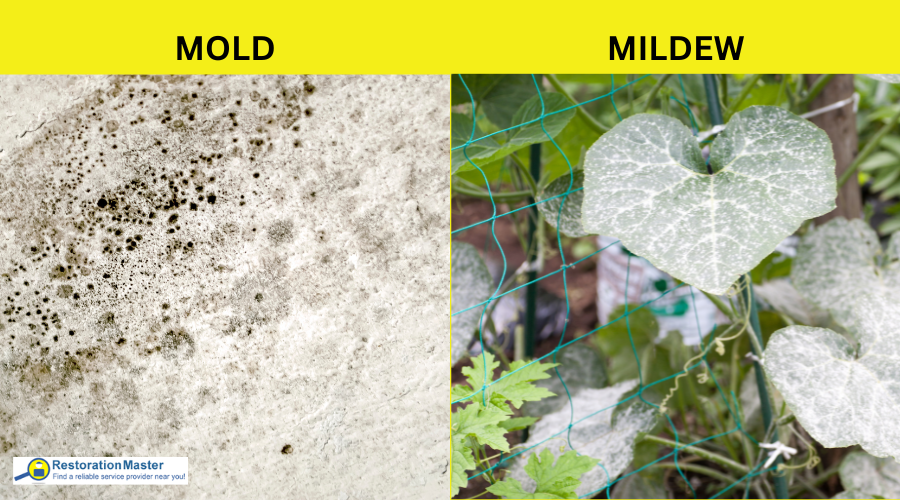
- Powdery Mildew: As the name suggests, it looks like a white or grayish powder sprinkled on surfaces. It's commonly found on plants, but can also appear indoors.
- Downy Mildew: This type has a more fuzzy or fluffy appearance and is often yellowish, brown, or black.
Mildew's growth is usually limited to the surface of materials, making it relatively easy to remove with household cleaners and proper ventilation. However, if left unchecked, it can stain surfaces and contribute to unpleasant odors.
Mold: The Infiltrator
Mold, on the other hand, is a more aggressive fungus that can penetrate deeper into porous materials. It comes in a wide variety of colors, including black, green, brown, and white, and often has a fuzzy or slimy texture. Unlike mildew, mold can cause significant structural damage, as it feeds on the organic matter within materials like wood, drywall, and insulation.
There are thousands of species of mold, some of which are more hazardous to human health than others. Stachybotrys chartarum, commonly known as black mold, is often associated with serious health problems, although the specific risks are still being researched and debated by the scientific community.
Identifying the Culprit: Visual and Olfactory Clues
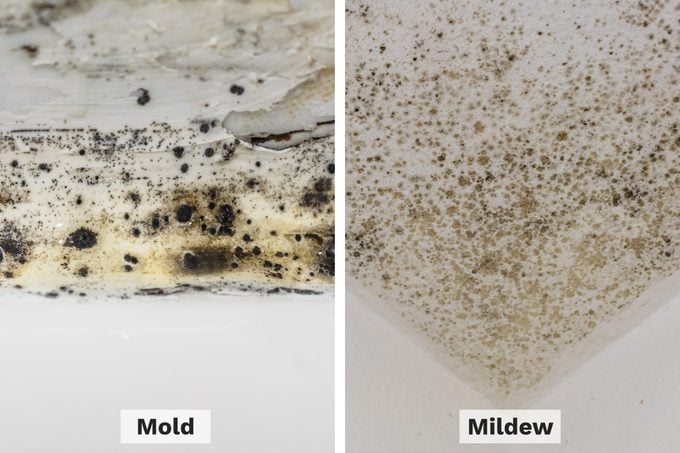
Distinguishing between mold and mildew can often be done through visual inspection. Consider these key differences:
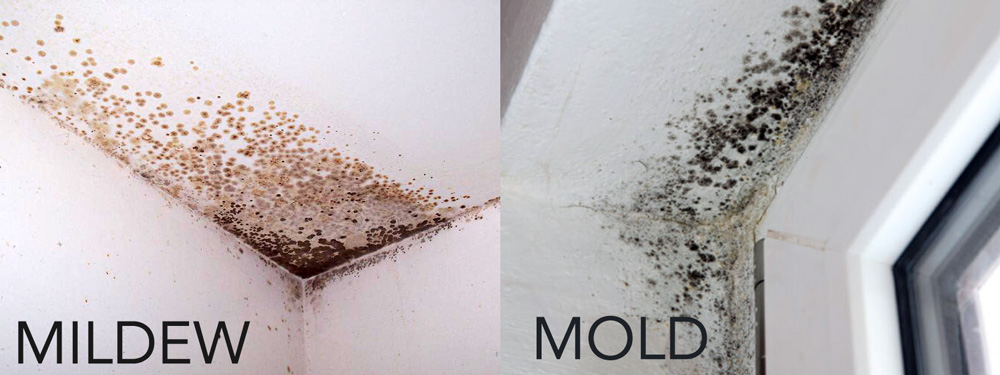
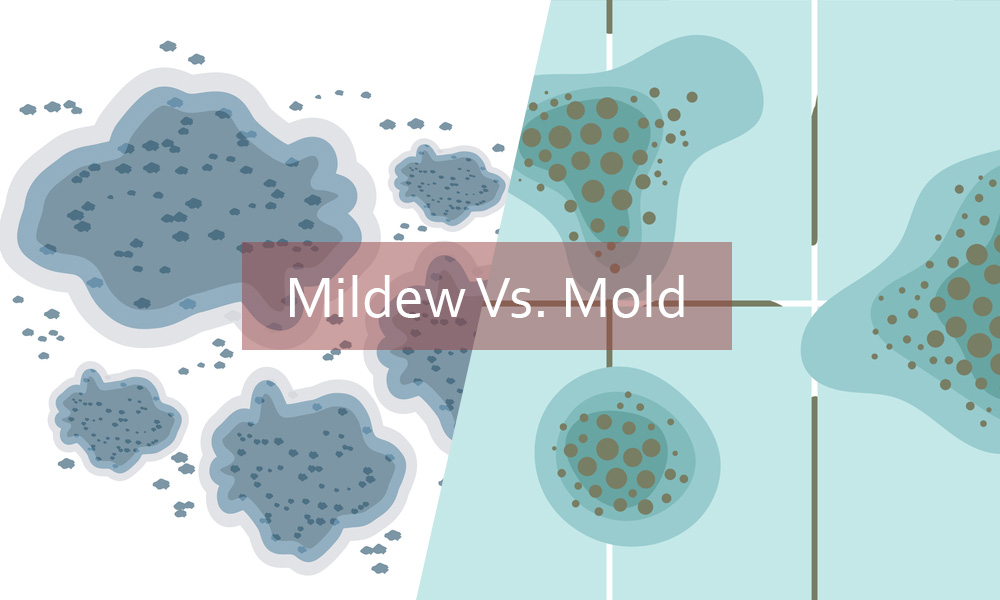
- Appearance: Mildew is typically flat and powdery, while mold often has a raised, fuzzy, or slimy texture.
- Color: Mildew is usually white, gray, or yellowish, while mold can come in a wider range of colors, including black, green, brown, and even pink.
- Location: Both thrive in damp areas, but mold is more likely to be found in hidden or less accessible places, such as behind walls, under flooring, or inside HVAC systems.
- Smell: Both can produce a musty odor, but mold's smell is often stronger and more pungent.
While these visual and olfactory clues can be helpful, a professional mold inspection and testing are recommended for accurate identification and to determine the extent of the problem, especially if you suspect a serious mold infestation.
Impact on HVAC Systems
HVAC systems are prime breeding grounds for both mold and mildew due to the presence of moisture, dust, and fluctuating temperatures. The consequences of fungal growth within your HVAC system can be significant:
- Reduced Air Quality: Mold and mildew spores released into the air can circulate throughout your home or building, leading to respiratory problems, allergies, and other health issues.
- Decreased System Efficiency: Mold growth on evaporator coils and other components can restrict airflow, forcing your HVAC system to work harder to maintain the desired temperature. This results in increased energy consumption and higher utility bills.
- Component Damage: Mold can corrode metal components, damage insulation, and clog drain lines, leading to costly repairs or even system failure.
- Unpleasant Odors: Mold and mildew growth in the HVAC system can produce a musty, stale odor that permeates the entire building.
Regular HVAC maintenance, including cleaning and filter replacement, is crucial for preventing mold and mildew growth. Properly sized systems that dehumidify effectively can also limit moisture issues. For instance, an oversized AC unit in a humid climate might cool the air quickly but fail to remove enough moisture, creating a favorable environment for mold growth. Conversely, a properly sized unit running efficiently removes both heat and humidity. An HVAC technician can perform a Manual J load calculation to determine the correct size for your home.
Remediation Strategies: From DIY to Professional Help
The appropriate remediation strategy depends on the severity and extent of the fungal growth. For small areas of mildew, DIY cleaning methods may suffice. However, for more extensive mold infestations, professional remediation is highly recommended.
DIY Mildew Removal
For small areas of mildew, you can try the following DIY cleaning methods:
- Vinegar: Spray undiluted white vinegar onto the affected surface, let it sit for an hour, and then scrub with a brush and rinse with water.
- Bleach Solution: Mix one part bleach with ten parts water and apply to the affected surface. Let it sit for 10-15 minutes, then scrub and rinse thoroughly. Caution: Always wear gloves and eye protection when working with bleach, and ensure adequate ventilation. Never mix bleach with ammonia, as it can create toxic fumes.
- Commercial Mildew Removers: Follow the manufacturer's instructions carefully when using commercial mildew removers.
After cleaning, ensure the area is thoroughly dried and well-ventilated to prevent recurrence.
Professional Mold Remediation
For significant mold infestations, especially those covering more than 10 square feet, professional remediation is essential. Mold remediation companies have the expertise, equipment, and protective gear to safely and effectively remove mold and prevent its spread. A typical mold remediation process involves:
- Inspection and Assessment: A thorough inspection to identify the source of moisture and the extent of the mold growth.
- Containment: Sealing off the affected area to prevent the spread of mold spores to other parts of the building.
- Mold Removal: Removing mold-infested materials, such as drywall, carpet, and insulation, using specialized equipment and techniques.
- Cleaning and Disinfection: Cleaning and disinfecting the affected area to kill any remaining mold spores.
- Drying and Dehumidification: Drying the area thoroughly to prevent future mold growth.
- Repairs: Repairing or replacing any damaged materials.
The cost of mold remediation can vary depending on the size and complexity of the project. Factors that influence the cost include the area affected, the type of mold, the extent of the damage, and the remediation methods used. Getting multiple quotes from reputable mold remediation companies is always advisable.
Prevention is Key: Maintaining a Healthy Indoor Environment
The best way to deal with mold and mildew is to prevent their growth in the first place. Here are some key prevention strategies:
- Control Moisture: This is the most important factor. Fix any leaks promptly, ensure proper ventilation in bathrooms and kitchens, and use dehumidifiers in damp areas.
- Maintain Your HVAC System: Regularly clean and service your HVAC system, including replacing filters, cleaning coils, and inspecting drain lines. Consider using UV lights within your HVAC system to kill mold spores as they pass through.
- Proper Ventilation: Ensure adequate ventilation throughout your home or building to reduce humidity levels.
- Promptly Dry Wet Materials: If carpets or other materials get wet, dry them within 24-48 hours to prevent mold growth.
- Maintain a Clean Environment: Regularly clean and dust your home or building to remove potential food sources for mold and mildew.
By understanding the differences between mold and mildew, implementing effective prevention strategies, and addressing any issues promptly, you can maintain a healthy indoor environment and protect your property from the damaging effects of fungal growth. Remember to consult with qualified HVAC professionals and mold remediation specialists when needed to ensure the safety and effectiveness of any remediation efforts.
:max_bytes(150000):strip_icc()/identifying-mold-vs-mildew-4799138-final-4266e4b3d84c4401a7c1d8b6835dcc97.png)