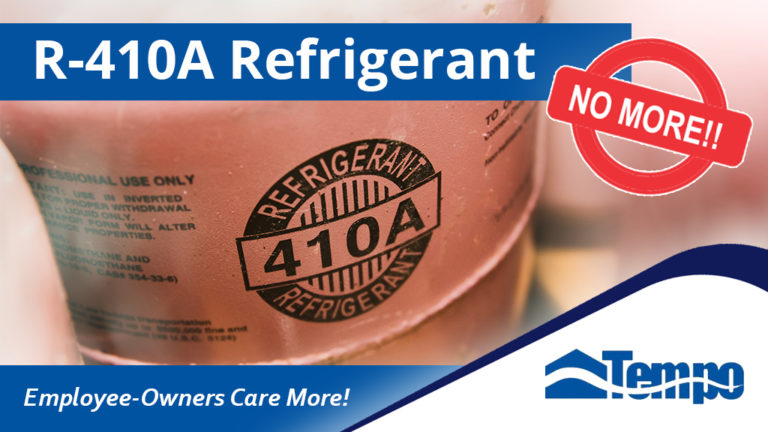
When Is R410a Being Phased Out
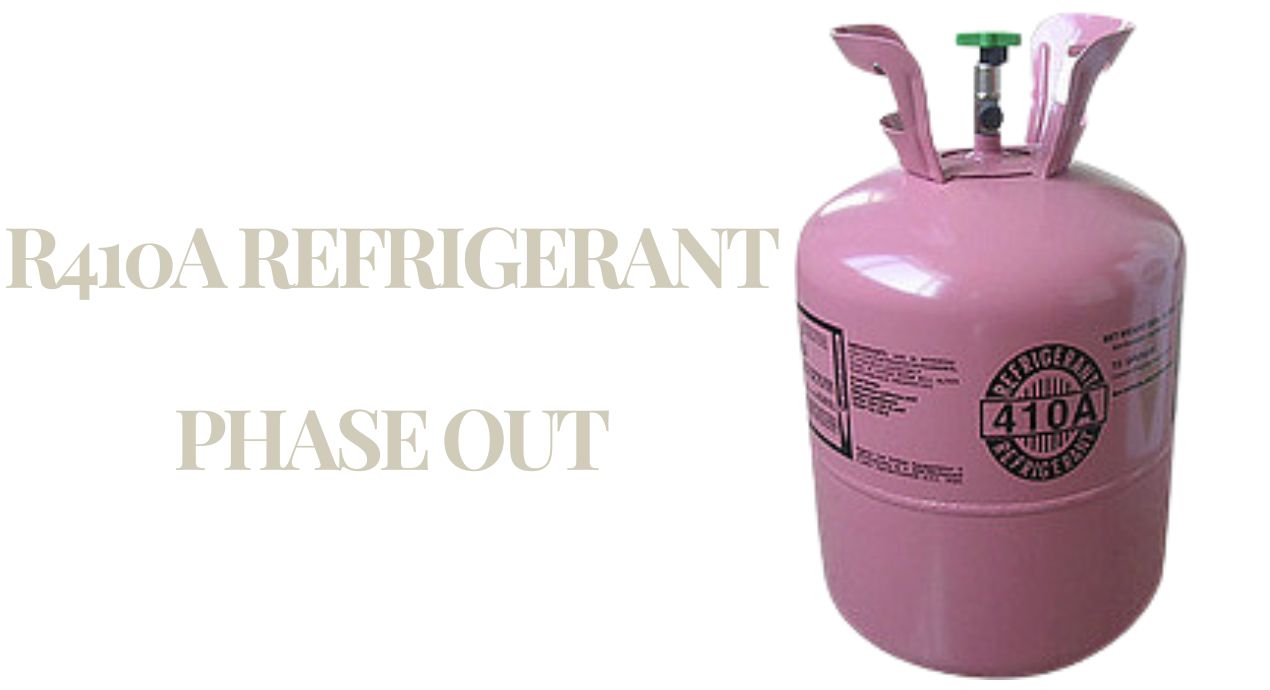
Imagine this: it's a sweltering summer day, and your air conditioner suddenly stops blowing cold air. Discomfort quickly turns to frustration. Before you resign yourself to a sweaty, sleepless night, let's explore some troubleshooting steps you can safely take. While some problems require a professional, many issues have simple solutions.
Troubleshooting Your Air Conditioner: A Step-by-Step Guide
This guide focuses on helping you diagnose and potentially fix common air conditioner problems. Remember: if at any point you feel uncomfortable or unsure, stop and call a qualified HVAC technician. Your safety is paramount. We'll also touch upon the relevance of R410a refrigerant phaseout.
Step 1: The Obvious Checks – Power and Settings
Start with the basics. These are often overlooked but can save you time and money.
- Check the Thermostat:
- Is it set to "Cool" and is the temperature set lower than the current room temperature?
- Make sure the thermostat is powered on. If it's battery-operated, try replacing the batteries.
- If you have a programmable thermostat, ensure the schedule isn't overriding your desired settings.
- Check the Circuit Breaker:
- Locate the circuit breaker that controls your air conditioner (typically labeled "AC," "Air Conditioner," or a similar designation).
- Is the breaker tripped (in the "off" or middle position)? If so, flip it fully to the "off" position and then back to the "on" position.
- If the breaker trips repeatedly, do not keep resetting it. This indicates a more serious electrical problem, and you should call an electrician.
- Check the Power Switch:
- Some air conditioners have a dedicated power switch, often located near the outdoor unit. Make sure this switch is in the "on" position.
Step 2: Inspect the Air Filter
A dirty air filter is one of the most common causes of air conditioning problems. A clogged filter restricts airflow, causing the unit to work harder, overheat, and potentially freeze up. Replacing the filter is a simple and inexpensive maintenance task.
- Locate the Air Filter:
- Typically, the air filter is located in the indoor unit, often behind a return air grille. Consult your air conditioner's manual for the exact location.
- Inspect the Filter:
- Remove the filter and hold it up to the light. If you can't see light easily through it, it's dirty and needs replacing.
- Replace the Filter:
- Purchase a new filter of the correct size and type (check your manual for specifications).
- Insert the new filter, making sure the airflow direction arrow on the filter matches the airflow direction indicated in the unit.
Step 3: Examine the Outdoor Unit (Condenser)
The outdoor unit is responsible for releasing heat from your home. Blocked airflow or debris around the unit can significantly reduce its efficiency.
- Safety First: Before inspecting the outdoor unit, turn off the power to the unit at the circuit breaker.
- Clear Debris:
- Remove any leaves, grass clippings, branches, or other debris that may be obstructing the unit's fins.
- Use a garden hose to gently wash away any dirt or grime from the fins. Do not use a pressure washer, as this can damage the fins.
- Check for Obstructions:
- Ensure there are no bushes, fences, or other obstructions blocking airflow around the unit. There should be at least two feet of clearance on all sides.
Step 4: Checking for a Frozen Evaporator Coil
If your air conditioner isn't cooling, a frozen evaporator coil (located in the indoor unit) could be the culprit. This often happens due to restricted airflow or low refrigerant levels.
- Identify the Symptoms:
- Weak airflow from the vents.
- Ice forming on the refrigerant lines.
- The air conditioner runs constantly but doesn't cool effectively.
- Turn Off the Unit:
- Turn off the air conditioner at the thermostat. Do not simply turn down the temperature; turn it completely off.
- Run the Fan:
- Set the thermostat to "Fan Only." This will circulate air over the frozen coil, helping it to thaw.
- Allow Time to Thaw:
- Allow several hours (or even overnight) for the coil to completely thaw.
- Check the Air Filter (Again):
- Once the coil has thawed, replace the air filter if it's dirty.
- Restart the Unit:
- After the coil has thawed and the air filter is clean, turn the air conditioner back on and monitor its performance.
- If the problem persists:
- If the coil freezes up again quickly, there may be a more serious issue, such as a refrigerant leak. Call a qualified HVAC technician.
When to Call a Professional
While these DIY steps can address many common air conditioning problems, some issues require the expertise of a qualified HVAC technician. Never attempt repairs involving refrigerant, electrical components, or gas lines unless you are properly trained and licensed.
- Refrigerant Issues:
- Low refrigerant levels or refrigerant leaks require specialized equipment and training to diagnose and repair.
- Electrical Problems:
- Any electrical work beyond checking the circuit breaker or replacing batteries should be left to a qualified electrician or HVAC technician.
- Compressor Problems:
- The compressor is the heart of the air conditioning system. Repairs or replacements require specialized knowledge and equipment.
- Strange Noises:
- Unusual noises, such as grinding, squealing, or banging, could indicate a mechanical problem that needs professional attention.
- Persistent Problems:
- If you've tried the troubleshooting steps above and your air conditioner is still not working properly, it's time to call a professional.
The R410a Phaseout: What You Need to Know
Now, let's discuss the elephant in the room: the impending R410a phaseout. R410a is a hydrofluorocarbon (HFC) refrigerant commonly used in air conditioners. While it was initially introduced as a more environmentally friendly alternative to R22, it still has a high global warming potential (GWP). As a result, regulations are being implemented worldwide to phase out R410a and transition to refrigerants with lower GWP.
Why is R410a Being Phased Out?
The primary reason for phasing out R410a is its contribution to climate change. HFCs, including R410a, are potent greenhouse gases that trap heat in the atmosphere. By transitioning to refrigerants with lower GWP, we can significantly reduce the environmental impact of air conditioning systems.
What is the Timeline for the R410a Phaseout?
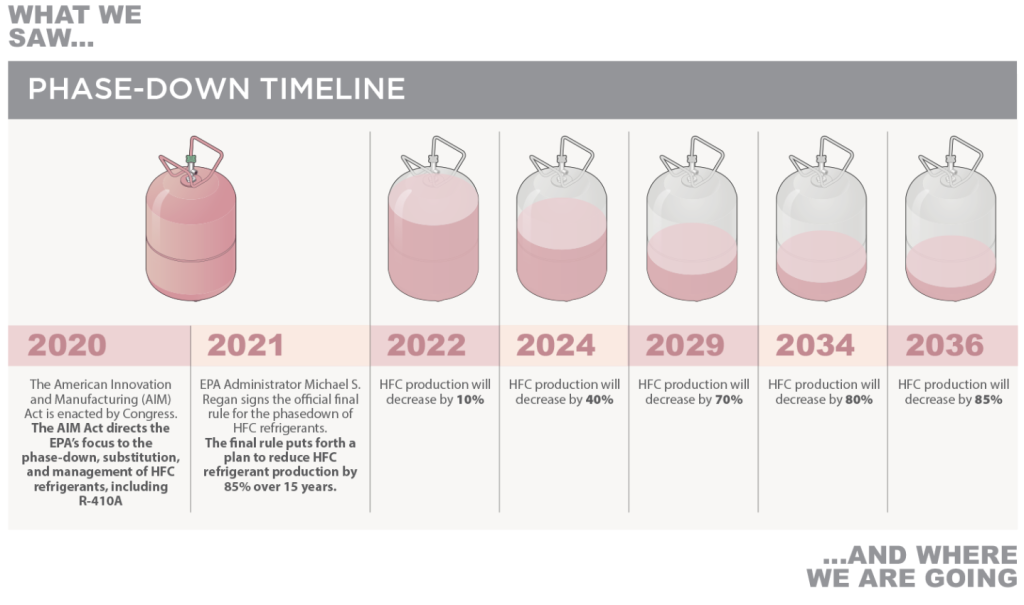
The phaseout is being implemented in stages, with different deadlines in different regions. In the United States, the key dates are:
- January 1, 2025: The manufacture and import of new air conditioning systems using R410a will be prohibited. This means that after this date, you will no longer be able to purchase new air conditioners that use R410a.
- Beyond 2025: Existing R410a systems can still be used and serviced. However, the availability and cost of R410a refrigerant may increase over time.
What are the Alternatives to R410a?
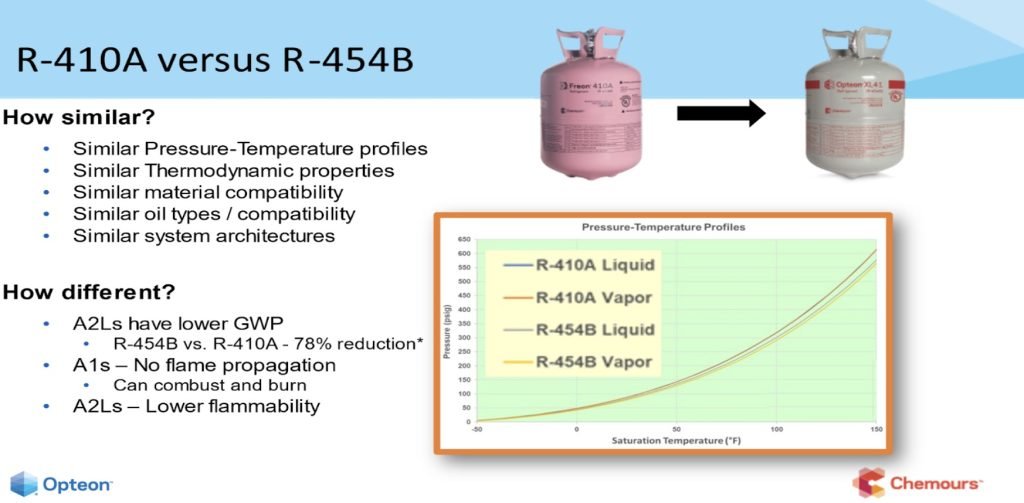
Several alternative refrigerants with lower GWP are being developed and used in new air conditioning systems. One of the most promising and widely adopted alternatives is R32. R32 has a significantly lower GWP than R410a and offers comparable performance.
What Does the R410a Phaseout Mean for You?
Here's what you should consider:
- If your existing air conditioner uses R410a: You don't need to replace it immediately. You can continue to use and service your existing system. However, keep in mind that the cost of R410a refrigerant may increase over time as it becomes less available.
- If you're buying a new air conditioner: Make sure it uses a refrigerant other than R410a, such as R32. This will ensure that your system is compliant with current regulations and that you won't have to worry about the long-term availability of refrigerant.
- When your R410a system needs replacement: Plan to replace it with a unit that uses a more environmentally friendly refrigerant. This is an opportunity to upgrade to a more efficient and sustainable system.
Important Considerations:
- Retrofitting Existing Systems: Retrofitting an existing R410a system to use a different refrigerant is generally not recommended. It can be complex, expensive, and may not be compatible with the system's components.
- Warranty: Ensure any new system you purchase has a comprehensive warranty covering parts and labor.
- Professional Installation: Proper installation is crucial for the efficiency and longevity of your air conditioning system. Always hire a qualified and licensed HVAC technician for installation and maintenance.
The R410a phaseout is a necessary step towards reducing the environmental impact of air conditioning. By understanding the regulations and choosing systems that use more sustainable refrigerants, you can contribute to a greener future.
By following these steps, you can potentially diagnose and fix common air conditioning problems yourself, saving time and money. Remember to prioritize safety and call a professional when needed. Understanding the R410a phaseout allows you to make informed decisions about your cooling needs and contribute to a more sustainable environment. Good luck, and stay cool!