When Should I Replace My Air Conditioner

Air conditioners, like any hardworking appliance, eventually show their age. One day, you might find your home isn't as cool as it used to be, or the energy bills are suddenly skyrocketing. Before panicking and calling for a complete replacement, let's explore some common air conditioner problems and how to troubleshoot them. This guide will help you determine if a simple fix is possible, or if it's time to consider a new unit.
Troubleshooting Your Air Conditioner: A Step-by-Step Guide
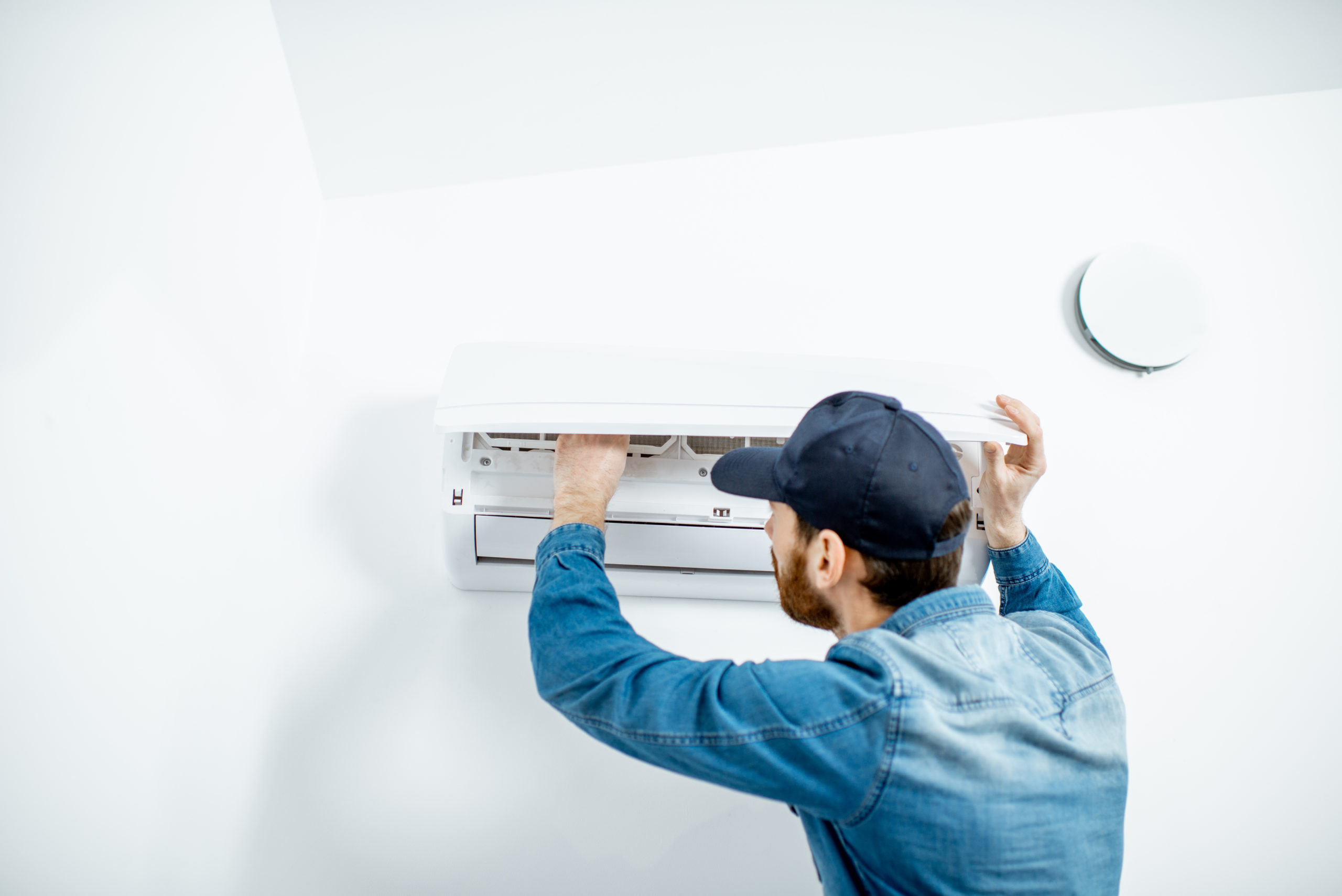
Before diving in, remember safety first. Always turn off the power to your air conditioner at the circuit breaker before attempting any inspection or repair. If you're uncomfortable working with electricity, gas, or complex mechanical components, call a qualified HVAC technician.
Step 1: The Initial Check – Power and Settings
Start with the basics. It sounds obvious, but many AC problems stem from simple oversights:
- Check the thermostat: Is it set to "Cool" and at a temperature lower than the current room temperature? Is the fan set to "Auto" or "On"? "On" means the fan runs constantly, even when the compressor isn't cooling, which can affect efficiency.
- Inspect the circuit breaker: Locate the breaker for your air conditioner in your electrical panel. Is it tripped (in the "Off" or middle position)? If so, reset it by switching it fully to "Off" and then back to "On". If it trips again immediately, there's a more serious electrical problem requiring professional attention. Do not repeatedly reset a tripping breaker.
- Examine the power switch: Some units have a separate power switch near the unit itself. Make sure it's in the "On" position.
- Check the batteries in your thermostat: Low batteries can cause erratic behavior. Replace them with fresh ones.
If these simple checks don't resolve the issue, move on to the next step.
Step 2: Airflow Obstructions – Indoor Unit (Furnace/Air Handler)
Restricted airflow is a very common cause of AC problems. The indoor unit, usually part of your furnace or air handler, contains the evaporator coil and the blower fan. Here's what to check:
- Air filter: This is the most common culprit. A dirty air filter restricts airflow, causing the evaporator coil to freeze up, reducing cooling efficiency, and potentially damaging the compressor.
- Location: The air filter is usually located in the furnace/air handler cabinet or in a return air vent.
- Inspection: Remove the filter and hold it up to the light. If you can't see through it easily, it's dirty and needs replacing.
- Replacement: Replace the filter with a new one of the correct size and type. Check your owner's manual for recommendations.
- Registers/Vents: Make sure all supply registers (vents that blow cool air) are open and unobstructed by furniture or curtains. Close vents in rooms you're not using to direct cooling where it's needed most.
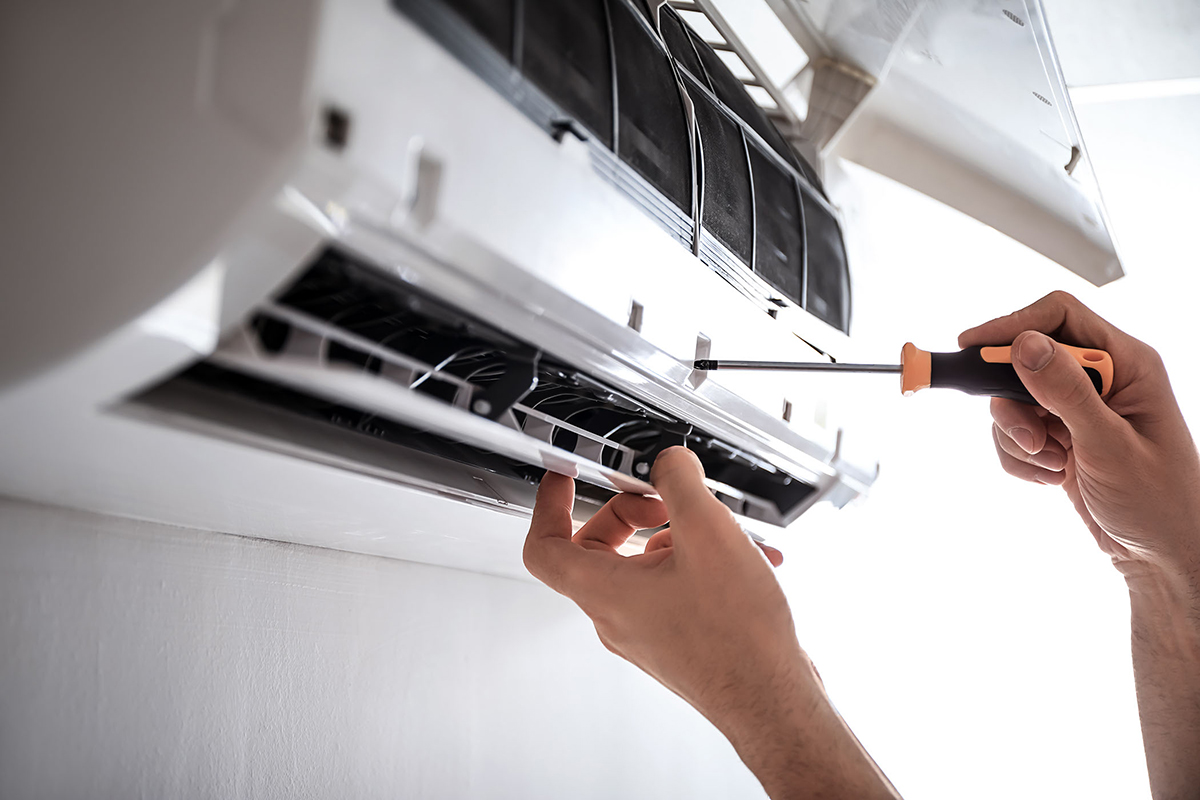
- Evaporator Coil (If Accessible): *This requires caution.* If you're comfortable and know what you're doing, you can visually inspect the evaporator coil (located inside the indoor unit) for ice buildup or excessive dust. However, accessing the coil often requires removing panels and dealing with electrical components. If you're not confident, skip this and call a professional.
- Ice Buildup: If the coil is frozen, turn off the AC and let it thaw completely (this can take several hours). Once thawed, address the underlying cause (usually a dirty air filter or low refrigerant).
- Dust/Debris: If the coil is dusty, you can try carefully vacuuming it with a soft brush attachment. Again, exercise extreme caution to avoid damaging the delicate fins.
Step 3: Airflow Obstructions – Outdoor Unit (Condenser)
The outdoor unit, or condenser, rejects heat from your home. Proper airflow around the condenser is crucial for its efficient operation.
- Clearance: Ensure there's adequate clearance around the condenser unit. Remove any bushes, weeds, leaves, or other debris that might be blocking airflow. A minimum of 2-3 feet of clearance on all sides is recommended.
- Condenser Fins: The condenser fins (the thin metal strips around the unit) can become bent or damaged, restricting airflow.
- Inspection: Visually inspect the fins.
- Straightening Fins: You can carefully straighten bent fins using a fin comb, available at most hardware stores. Be gentle, as the fins are easily damaged. If a large number of fins are damaged, consider calling a professional.
- Condenser Fan: Make sure the condenser fan is operating properly when the AC is running. If the fan isn't turning, or is making unusual noises, turn off the power and call a professional. A faulty condenser fan can lead to compressor overheating and failure.
Step 4: Check for Leaks and Other Visible Problems
- Refrigerant Leaks: Look for signs of refrigerant leaks, such as oily residue or ice buildup on the refrigerant lines (copper pipes). Refrigerant leaks require professional repair. Do not attempt to handle refrigerant yourself. It's harmful to the environment and requires specialized equipment.
- Ductwork: Inspect your visible ductwork for leaks or damage. Seal any small leaks with duct tape or mastic sealant. For larger damage, consider calling a professional ductwork specialist.
- Drain Line Clog: A clogged condensate drain line can cause water to back up and leak, potentially damaging your home.
- Location: The drain line is usually a PVC pipe exiting the indoor unit.
- Inspection: Check the drain line for clogs or obstructions.
- Clearing the Clog: You can try using a wet/dry vacuum to suck out any clogs. Alternatively, you can pour a cup of diluted bleach or vinegar down the drain line to help dissolve any buildup.
Step 5: When to Call a Professional
While many AC problems can be resolved with basic troubleshooting, some issues require the expertise of a qualified HVAC technician. It's time to call a professional when:
- You suspect a refrigerant leak.
- The compressor is making unusual noises or not running. The compressor is the heart of the AC system, and any problems with it are best left to professionals.
- The condenser fan is not working.
- The evaporator coil is frozen and continues to freeze after you've addressed the obvious causes (dirty filter, blocked airflow). This could indicate a refrigerant problem or a faulty metering device.
- You are uncomfortable working with electricity, gas, or complex mechanical components. Your safety is paramount.
- You've tried the above troubleshooting steps and the AC is still not working properly.
Is it Time to Replace Your Air Conditioner?
Even if you can fix the immediate problem, sometimes the underlying issue points to a bigger problem: your AC unit is nearing the end of its lifespan. Here are some signs that it might be time to consider replacing your air conditioner:
- Age: Most air conditioners last 10-15 years. If your unit is older than that, it's likely operating less efficiently and is more prone to breakdowns.
- Increasing Energy Bills: If your energy bills have been steadily increasing, even though your usage habits haven't changed, it could be a sign that your AC is losing efficiency.
- Frequent Repairs: If you're constantly calling for repairs, the cost of those repairs can quickly add up. At some point, it's more economical to replace the unit.
- Uneven Cooling: If some rooms in your home are cooler than others, it could be a sign of ductwork problems or an aging AC unit that's not distributing air evenly.
- Strange Noises or Smells: Unusual noises (banging, rattling, hissing) or smells (burning, musty) coming from your AC unit can indicate serious problems.
- Using R-22 Refrigerant: If your unit uses R-22 refrigerant, it's likely quite old. R-22 is being phased out, and its price is increasing. Replacing your unit with one that uses a more environmentally friendly refrigerant (R-410A) is a good idea.
Consider the "5,000 Rule": Multiply the age of your air conditioner by the cost of the repair. If the result is greater than $5,000, it's generally better to replace the unit.
When you are considering replacement, think of your options: a standard central AC unit, a heat pump system, or a ductless mini-split system. All of these have their advantages based on budget, house size and climate conditions. It is always worthwhile to call a professional, get some quotes and consider the SEER rating (Seasonal Energy Efficiency Ratio) when choosing your new unit.
Conclusion
Troubleshooting your air conditioner can seem daunting, but by following these steps, you can often identify and resolve common problems yourself. Remember to prioritize safety and never hesitate to call a professional when you're unsure or if the problem seems beyond your capabilities. Knowing when to repair and when to replace your AC will save you money and ensure your home stays cool and comfortable for years to come.