Where Are Fire Smoke Dampers Required

Homeowners often face a hidden but critical safety concern: ensuring their fire and smoke dampers are correctly installed and functioning. A common problem arises when renovations or additions are made to a home without proper consideration for the existing fire safety infrastructure. This can lead to crucial fire and smoke dampers being absent from locations where they are legally required and absolutely essential for occupant safety. Failing to understand the proper placement of these dampers puts your family and property at significant risk.
Understanding Fire and Smoke Dampers
Before we dive into troubleshooting, let's quickly define what fire and smoke dampers are. These aren't your standard ventilation dampers. They are specially designed devices installed within your HVAC (Heating, Ventilation, and Air Conditioning) system's ductwork.
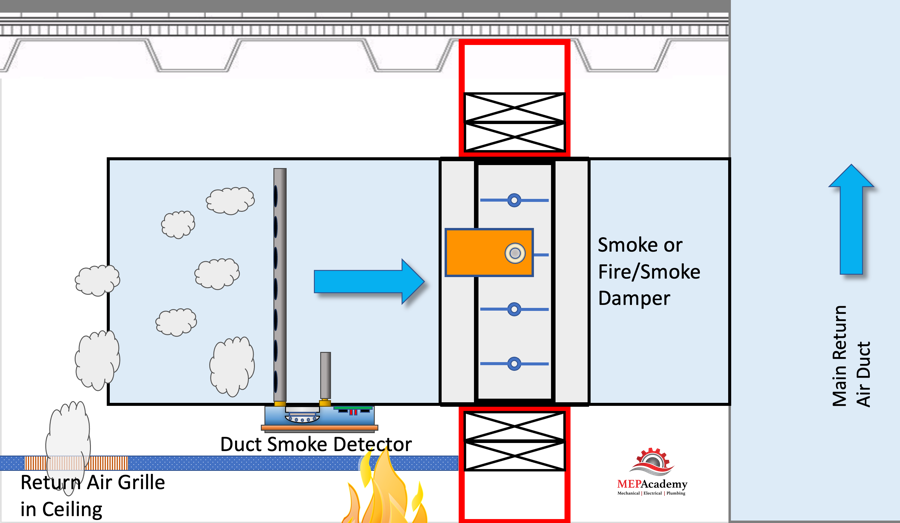
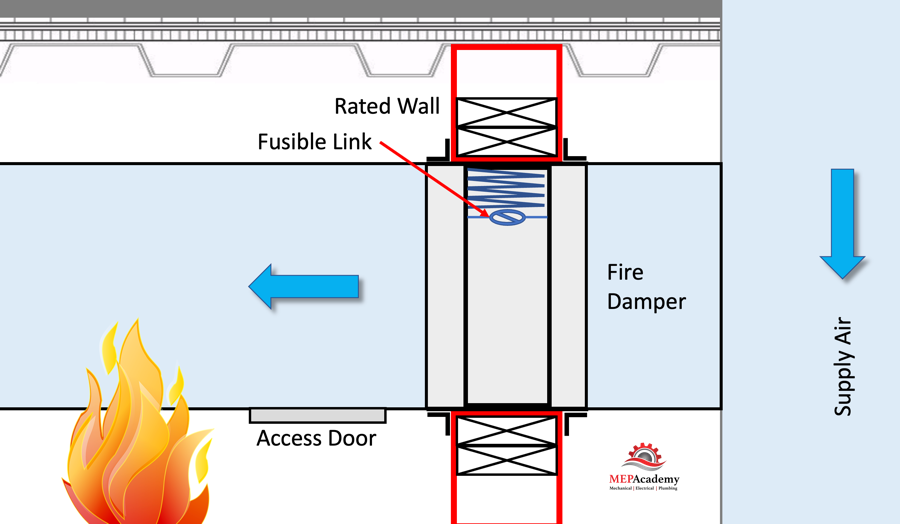
Fire dampers are designed to automatically close when exposed to high temperatures, preventing fire from spreading through the ductwork. Smoke dampers, on the other hand, are activated by smoke detectors and close to prevent the spread of smoke, which is often more deadly than the fire itself. Some dampers are combination fire/smoke dampers, offering both functionalities.
Diagnosing Potential Problems: A Step-by-Step Guide
This guide helps you assess if your home might be missing fire and smoke dampers in critical locations. However, it is important to remember that this is not a substitute for a professional inspection. This is a preliminary self-assessment tool.
Step 1: Review Your Home's Layout and HVAC System
Obtain (or create) a detailed floor plan of your home, including all rooms, hallways, and importantly, the locations of your HVAC system's ducts, vents, and the main air handling unit. Pay particular attention to:
- Fire-rated walls and floors: Identify walls and floors that are designed to be fire-resistant (often between the garage and living space, or between apartments in multi-family dwellings).
- Shaft enclosures: Vertical shafts that contain ductwork, electrical wiring, or plumbing that pass through multiple floors.
- Return air pathways: Note the route return air takes back to the air handler.
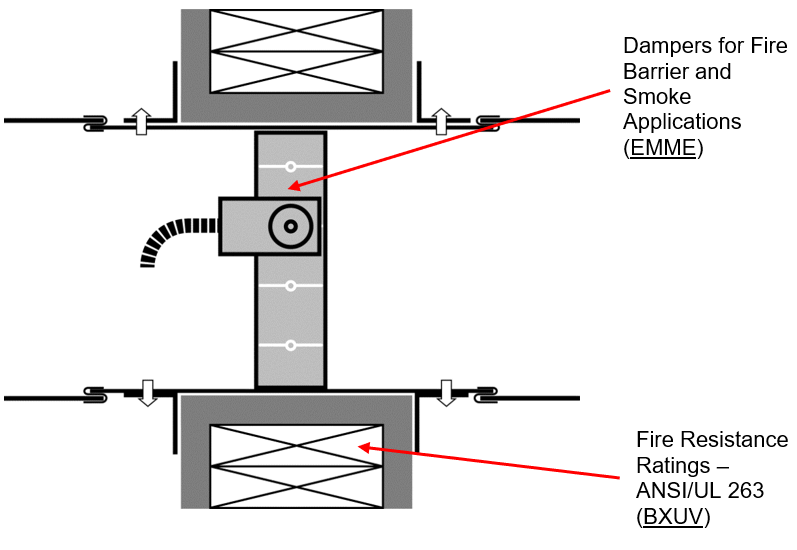
- Penetrations through fire-resistance-rated assemblies: Mark where ductwork passes through fire-rated walls or floors.
Step 2: Identify Potential Problem Areas
Based on your floor plan and HVAC layout, look for areas where fire and smoke dampers are *most likely* to be required. The following areas should raise a red flag if you *don't* know for sure a damper is present:
- Ductwork passing through fire-rated walls or floors: This is the most common location where dampers are required. Anytime a duct penetrates a wall or floor designed to slow the spread of fire, a damper is essential. For example, the duct that runs from your basement (or garage) into the main living area.
- Ductwork entering or exiting shaft enclosures: Shafts are designed to contain fire. Dampers are needed where ductwork enters or leaves these shafts on each floor.
- Return air openings in corridors: In multi-family dwellings or commercial buildings, return air openings in corridors often require smoke dampers to prevent smoke from being drawn into the HVAC system and circulated throughout the building. While less common in single-family homes, this is still a good area to inspect, especially if the corridor leads to bedrooms.
- Areas separated by fire-rated doors: Consider areas that are segmented to fire-rate, if your HVAC system vents to both of these areas, it may need a damper.
Step 3: Perform a Visual Inspection (Proceed with Caution!)
Important Safety Note: Never attempt to disassemble any part of your HVAC system unless you are absolutely comfortable and competent to do so. If you are unsure, stop and call a professional. Furthermore, *never* tamper with wiring or electrical components. Turn off the power to the HVAC system at the breaker box before attempting any inspection near electrical components.
With the power OFF, carefully examine the ductwork in the potential problem areas you identified. Look for:
- Visible dampers: A damper will typically appear as a rectangular or circular section within the ductwork with a visible blade or louver inside. You might also see an access panel nearby to allow for inspection and maintenance.
- Access panels: If you see an access panel in the ductwork, it strongly suggests that a damper is present behind it. However, do not remove the panel yourself unless you are confident you can safely re-install it.
- Manufacturer's labels: Look for labels on the ductwork or damper itself. These labels often indicate the type of damper (fire, smoke, or combination) and its fire rating.
Step 4: Simple DIY Checks (If Applicable and Safe)
Only attempt these checks if you are absolutely sure you can do so safely and without damaging your HVAC system.
- Visual Check of Blade Movement (If Accessible): If you can safely access the inside of the duct (perhaps through an existing, safely removable access panel), gently try to move the damper blade. It should move freely (unless it's a powered smoke damper). If it's stuck or heavily corroded, it may not function properly in a fire. Important: Do not force it!
- Smoke Detector Test (For Smoke Dampers Only): If you suspect you have smoke dampers connected to your smoke detector system, test your smoke detectors. Ideally, this test should be performed by a qualified HVAC technician or fire safety professional. Some smoke dampers are designed to close automatically when a smoke detector is triggered. Observing the damper closing (if visible) confirms its connection to the smoke detection system. However, be aware that this test can be unreliable if the damper's actuator is faulty.
When to Call a Professional
There are several situations where professional help is absolutely essential:
- You are unsure about the presence of dampers: If, after your initial assessment, you are still unsure whether dampers are present in required locations, do not hesitate to call a qualified HVAC technician or fire safety professional. They have the expertise and tools to accurately assess your system.
- You suspect a damper is not functioning correctly: If you find a damper that is stuck, corroded, or otherwise appears damaged, it needs to be inspected and repaired or replaced by a professional. Do not attempt to repair it yourself!
- You have made alterations to your home or HVAC system: Any significant renovations or additions to your home, especially those involving fire-rated walls or floors, should be inspected by a professional to ensure that fire and smoke dampers are properly installed and functioning.
- You are uncomfortable performing any of the DIY checks: Your safety is paramount. If you are at all uncomfortable or unsure about performing any of the checks described above, call a professional.
- You are buying or selling a home: A professional fire safety inspection, including an assessment of fire and smoke dampers, can provide valuable peace of mind and ensure compliance with local building codes.
- Building codes: If you are not familiar with local building codes regarding smoke and fire dampers, it is crucial to consult a professional to ensure your home is in compliance. Codes vary from location to location, but a professional will know the specifics for your area.
Simple, Safe DIY Fixes (With Caveats!)
Truthfully, there are very few DIY fixes related to fire and smoke dampers. These are life-safety devices, and any repair or modification should ideally be performed by a qualified professional. However, there are a couple of *very minor* things you *might* be able to address, but only if you are absolutely sure you know what you're doing:
- Cleaning Accessible Damper Surfaces (Proceed with Extreme Caution): If you can safely access the damper blade (again, through an existing, safely removable access panel) and it is only slightly dusty or dirty, you *might* be able to gently clean the surface with a soft brush or vacuum cleaner. Do not use any liquids or solvents, and do not apply excessive force. If the dirt is caked on or the damper is corroded, stop immediately and call a professional.
- Ensuring Access Panels Are Secure: Make sure that any access panels providing access to dampers are securely fastened. Loose or missing panels can compromise the effectiveness of the damper.
Important Reminder: Even these seemingly simple DIY fixes carry risk. If you are at all unsure, err on the side of caution and call a professional.
Empowering Yourself with Knowledge
Understanding the importance of fire and smoke dampers and taking the time to assess your home is a responsible and proactive step. While this guide provides a starting point, it is crucial to remember that professional expertise is essential for ensuring the safety of your home and family. By being informed and proactive, you can create a safer living environment for everyone.
Fire and smoke dampers are not something to ignore. Ignoring this small detail could lead to dire consequences for yourself and your family.