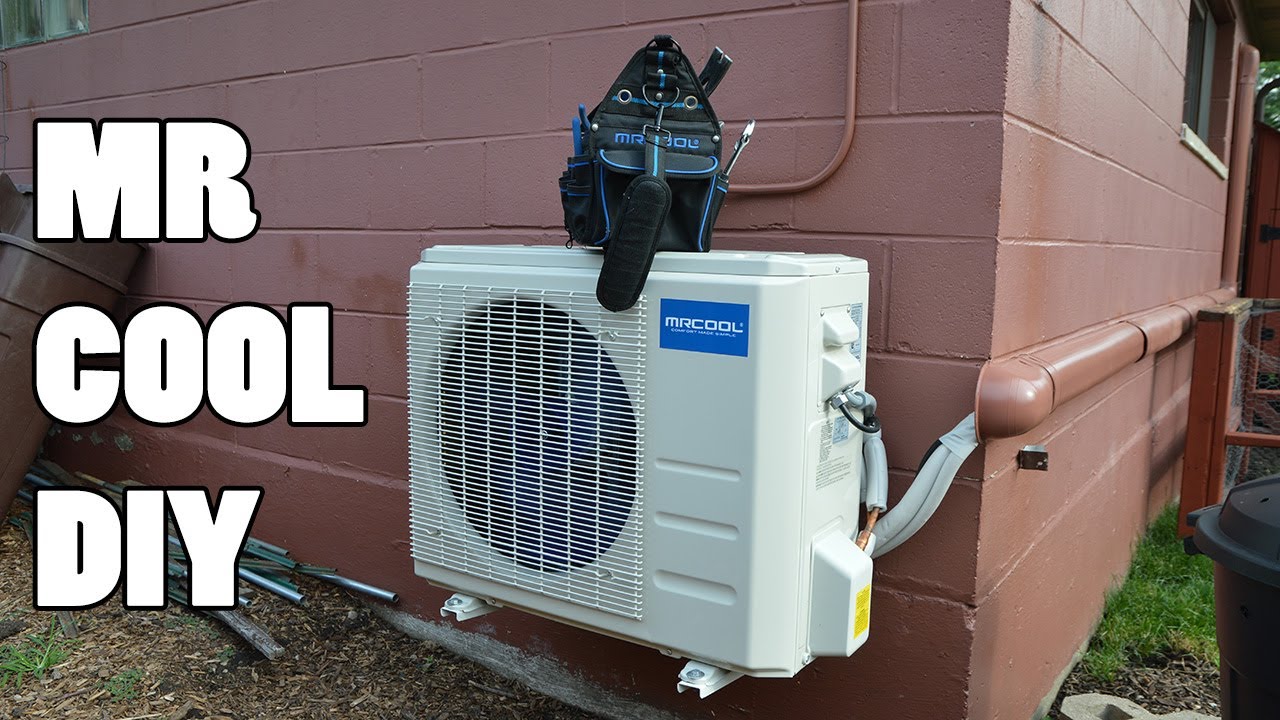
Where Are Mr Cool Mini Splits Made
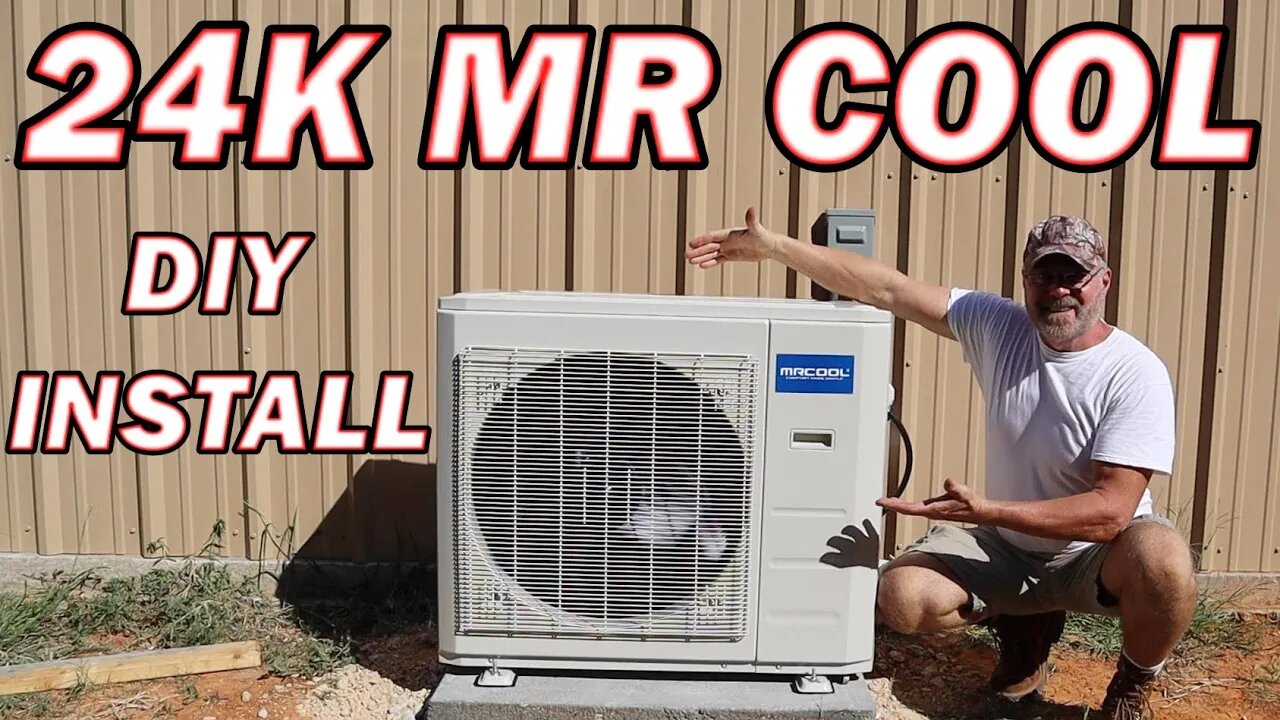
One of the most common questions homeowners ask about their MrCool mini-split systems, often when experiencing a problem, is: "Where are these things even made?" It's a valid concern! Knowing the origin of your appliance can sometimes shed light on potential quality control issues or help you understand parts availability. But let’s focus on resolving the immediate issue at hand first. Let’s tackle a frustrating scenario: your MrCool mini-split isn't cooling or heating as expected.
Troubleshooting Your MrCool Mini-Split: A Step-by-Step Guide
Before you resign yourself to calling a professional (and potentially facing a hefty bill), let's go through some basic troubleshooting steps. Remember to always exercise caution when working with electrical appliances. If you're uncomfortable at any point, please consult a qualified HVAC technician.
Step 1: The Obvious Checks – Power and Settings
Start with the basics. It might seem silly, but it's surprising how often the simplest things are overlooked.
- Power Supply: Is the unit actually turned on? Check the breaker. If it's tripped, reset it. If it trips again immediately, do not keep resetting it. This is a sign of a more serious electrical problem requiring immediate professional attention.
- Remote Control Batteries: Are the batteries in your remote dead? Replace them. Weak batteries can cause erratic behavior.
- Settings: Is the unit set to the correct mode (Cool, Heat, Auto, Fan)? Double-check the temperature setting. Sometimes someone accidentally changes it, or you might have set it incorrectly.
- Timer Function: Make sure the timer function isn't active and inadvertently turning the unit off or on at inconvenient times. Refer to your user manual for instructions on disabling the timer.
Step 2: Airflow Assessment – Is Air Moving?
A lack of airflow is a prime suspect when your mini-split isn't performing.
- Indoor Unit Air Filter: This is the most common culprit. A clogged air filter restricts airflow, reducing efficiency and potentially damaging the unit. Clean or replace the air filter. The frequency depends on usage and air quality, but generally, check it monthly and clean or replace it every 1-3 months. Refer to your manual for specific instructions on removing and cleaning the filter, as models vary.
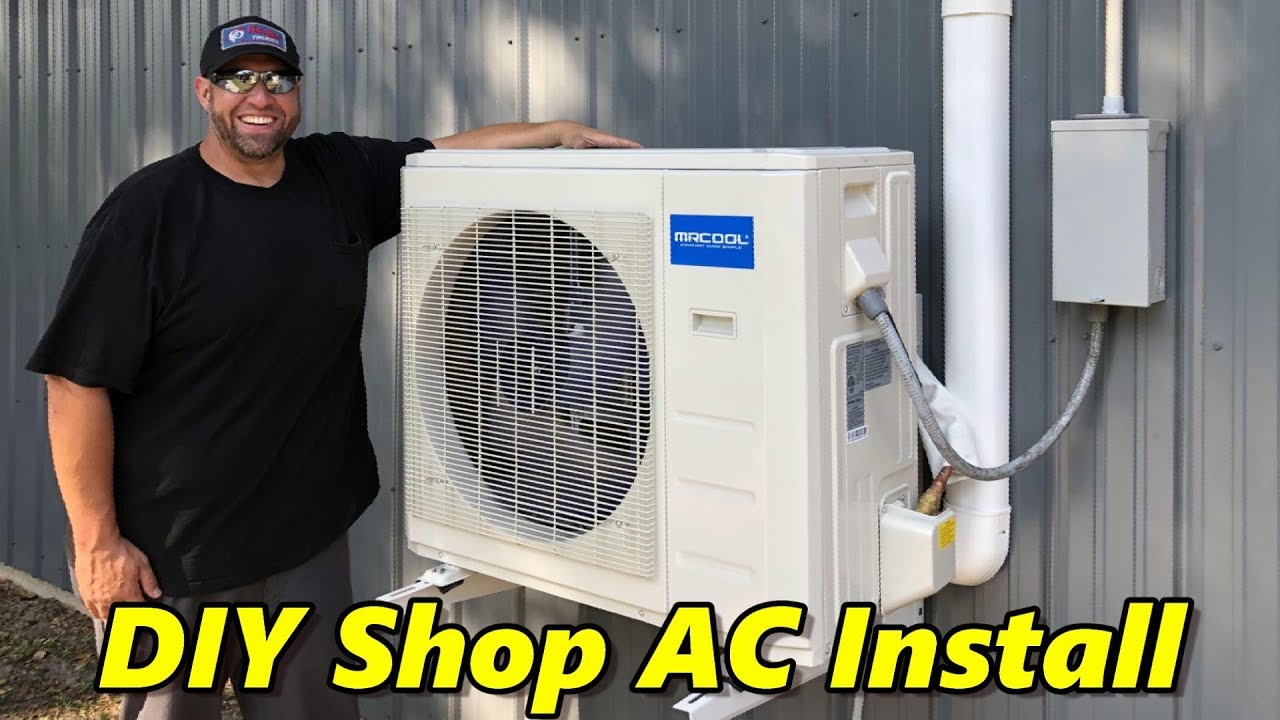
- Outdoor Unit Obstructions: Check the outdoor unit for any obstructions like leaves, snow, or debris blocking the fan or vents. Clear away anything that could be restricting airflow. Ensure there’s at least 2 feet of clearance around the outdoor unit.
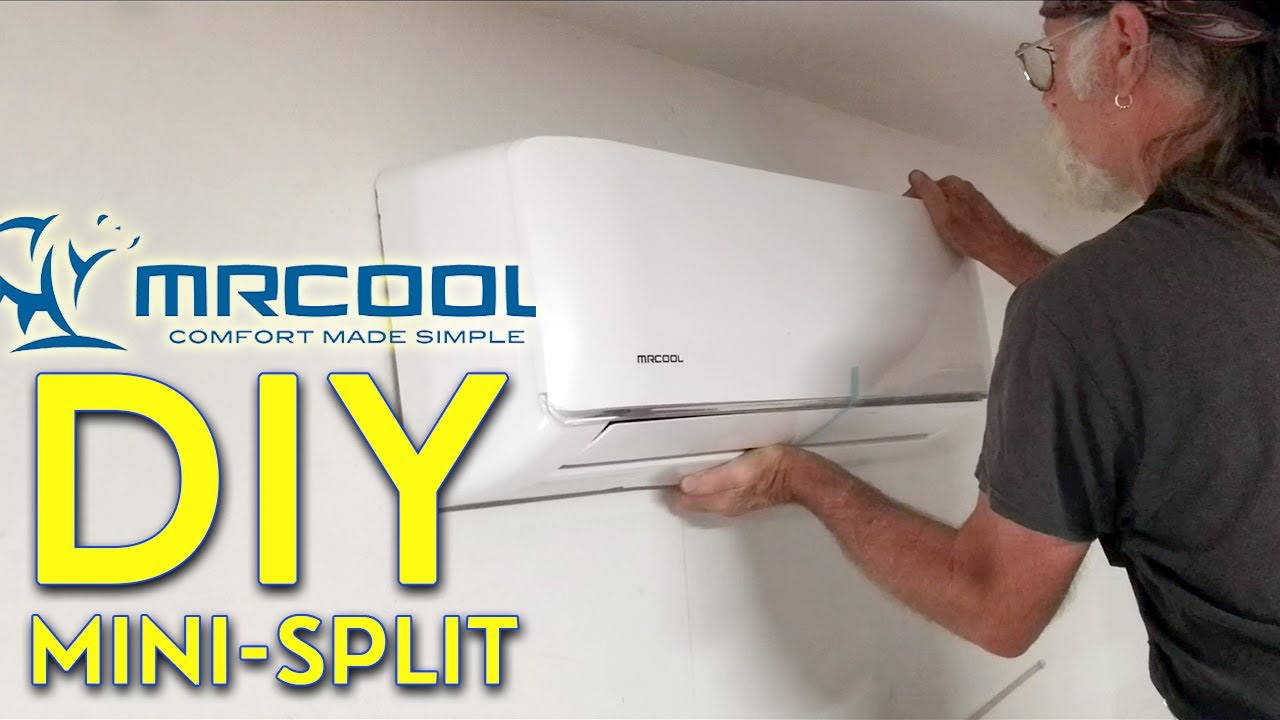
- Air Vents: Make sure the air vents on the indoor unit are open and not blocked by furniture or curtains.
Step 3: Coil Inspection – Icing and Dirt
The coils, both indoor and outdoor, play a crucial role in heat exchange. Dirty or iced-up coils can severely impact performance.
- Indoor Unit Coils: While you have the air filter out, take a look at the indoor coils. Are they visibly dirty? If so, use a fin comb and coil cleaner specifically designed for HVAC systems to gently clean them. Follow the cleaner's instructions carefully.
- Outdoor Unit Coils: Inspect the outdoor unit coils. If they're covered in dirt, debris, or leaves, gently clean them with a soft brush or vacuum cleaner. Do not use a pressure washer! You could damage the delicate fins.
- Icing: If you notice ice forming on the outdoor unit coils, it could indicate a refrigerant leak, a malfunctioning defrost cycle, or severely restricted airflow. If icing persists despite cleaning the coils and ensuring proper airflow, it's time to call a professional.
Step 4: Condensate Drain Line – Ensuring Proper Drainage
Mini-splits generate condensation, which needs to drain properly. A clogged drain line can lead to water leaks and reduced cooling performance.
- Locate the Drain Line: Find the condensate drain line outlet. It's usually a small PVC pipe extending from the indoor unit to the outside.
- Check for Blockages: Inspect the outlet for any blockages, such as algae growth or debris. Clear any visible obstructions.
- Flush the Drain Line: Use a wet/dry vacuum to suck out any accumulated water and debris from the drain line. You can also try pouring a cup of diluted bleach or vinegar into the drain line to help dissolve any buildup. Do this with caution and wear appropriate protective gear (gloves, eye protection).
- Monitor for Leaks: After cleaning the drain line, monitor the indoor unit for any leaks. If leaks persist, there might be a more serious problem with the drain pan or the condensate pump (if your unit has one).
Step 5: The Sound Test – Listen Carefully
Unusual noises can be a sign of mechanical problems.
- Grinding, Squealing, or Rattling: These noises could indicate a problem with the fan motor, bearings, or other moving parts. Turn off the unit immediately and call a professional.
- Hissing: A hissing sound could indicate a refrigerant leak. Refrigerant leaks require immediate professional attention.
- Bubbling or Gurgling: While some slight bubbling sounds are normal (related to refrigerant flow), excessive or persistent gurgling could indicate air in the refrigerant lines.
When to Call a Professional
While many mini-split issues can be resolved with simple DIY troubleshooting, some problems require the expertise of a qualified HVAC technician. It's time to call a professional if:
- You suspect a refrigerant leak. Handling refrigerants requires specialized equipment and training.
- The unit is making loud or unusual noises that you can't identify.
- The unit is icing up despite cleaning the coils and ensuring proper airflow.
- You're uncomfortable working with electrical components.
- You've tried the troubleshooting steps above and the unit still isn't working properly.
- The system is under warranty. Tampering with the unit yourself might void the warranty. Contact MrCool or an authorized service provider.
MrCool Mini-Split Origins: Where Are They Made?
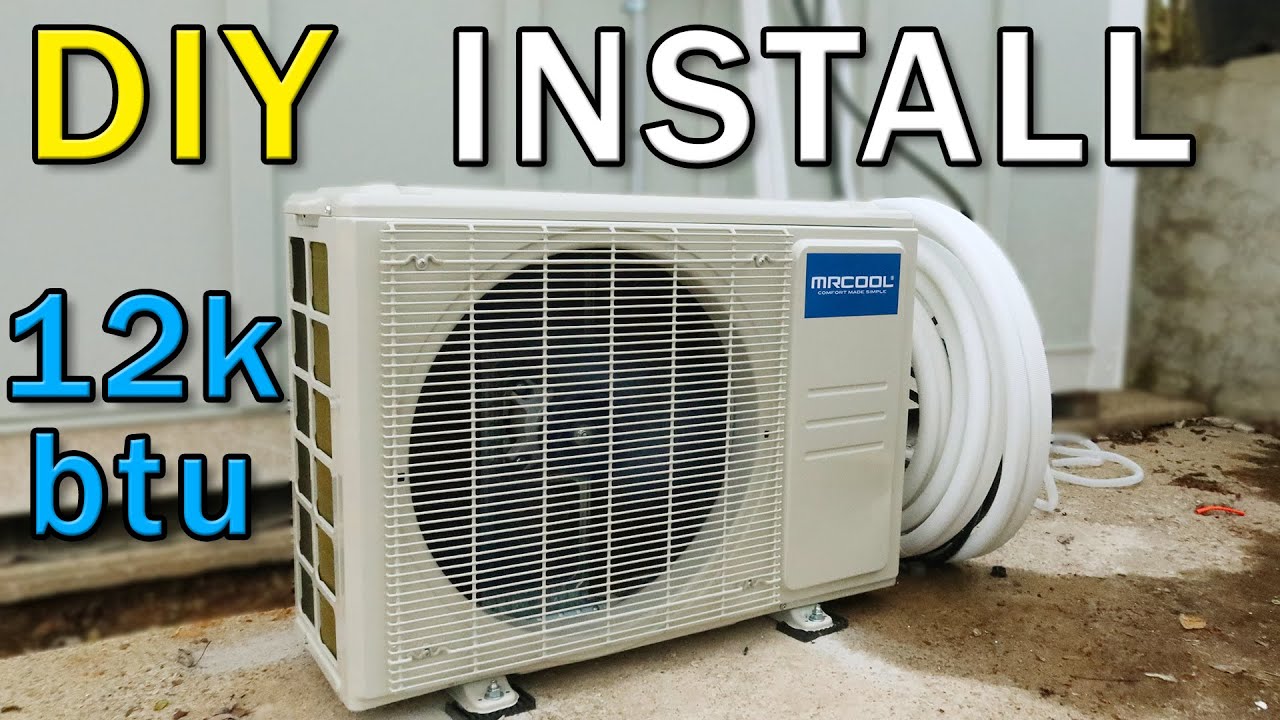
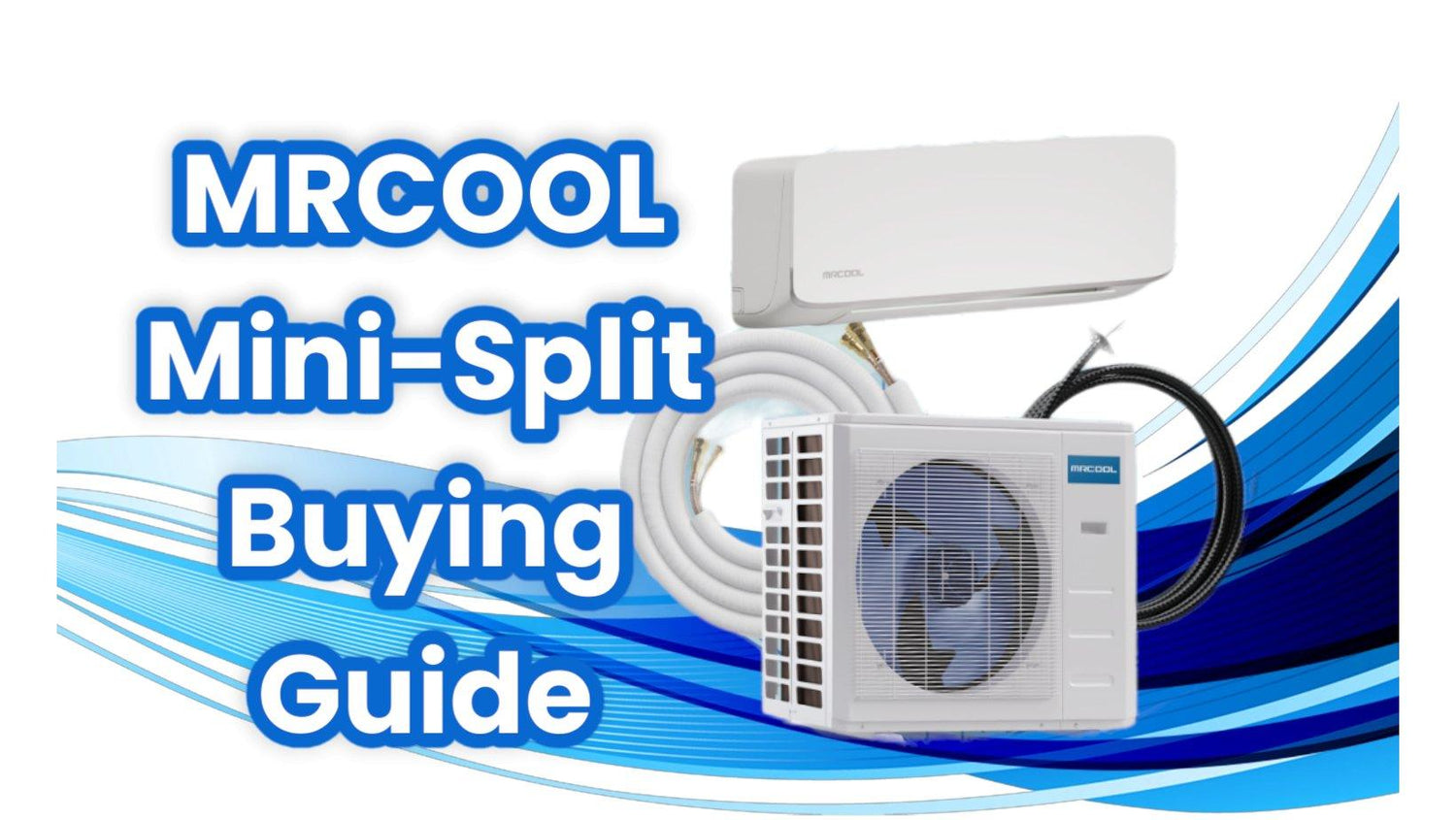
Now, let's address the original question: Where are MrCool mini-splits made? The answer isn't always straightforward, as it's common for manufacturers to outsource production to various locations. MrCool, like many HVAC brands, primarily manufactures its mini-splits in China. However, it's essential to distinguish between *where* something is made and the *quality* of the product.
Many reputable brands, including those known for high quality, have manufacturing facilities in China due to cost-effectiveness and established supply chains. What truly matters is the brand's commitment to quality control, design standards, and component sourcing. MrCool, despite manufacturing in China, emphasizes its rigorous quality control processes and adherence to industry standards.
It's worth noting that MrCool sources components from various suppliers globally. The compressor, for example, often comes from established manufacturers like Mitsubishi or Panasonic, regardless of where the final assembly takes place.
Focusing solely on the country of origin can be misleading. Instead, consider the following:
- Warranty: A solid warranty indicates the manufacturer's confidence in its product.
- Customer Reviews: Research what other users say about the reliability and performance of MrCool mini-splits.
- Installation Quality: Proper installation is crucial for any mini-split system, regardless of its origin.
- Certifications: Look for certifications like AHRI (Air-Conditioning, Heating, and Refrigeration Institute), which verify performance claims.
Final Thoughts
While knowing where your MrCool mini-split is made is understandable, remember that it's only one piece of the puzzle. By following these troubleshooting steps and understanding when to call a professional, you can keep your system running efficiently and comfortably for years to come. Don't let a simple issue escalate into a costly repair. Be proactive, be observant, and be safe! If in doubt, always consult a qualified HVAC technician.