Where Are Packaged Water Source Heat Pumps Normally Located

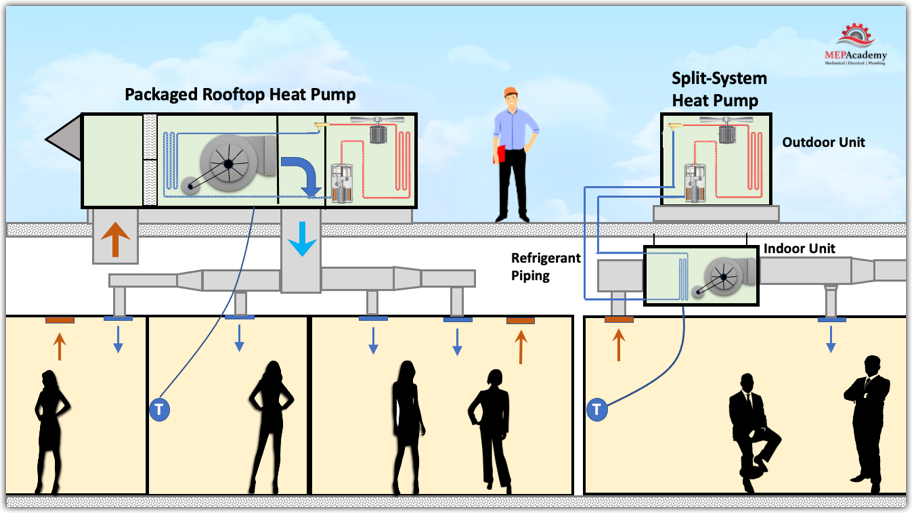
Packaged water source heat pumps (WSHPs) offer a versatile and efficient way to heat and cool your home or commercial space. Unlike traditional air-source heat pumps, WSHPs use a closed-loop water system for heat exchange, making them particularly attractive in certain building designs and climates. Knowing where these units are typically located is crucial for maintenance, troubleshooting, and understanding your overall HVAC system. This guide will walk you through common WSHP locations and offer practical advice for homeowners and DIY enthusiasts.
Typical Locations for Packaged Water Source Heat Pumps
The placement of a WSHP depends on several factors, including building type, space constraints, and access to the water loop. Here’s a breakdown of the most common locations:
Individual Unit Locations
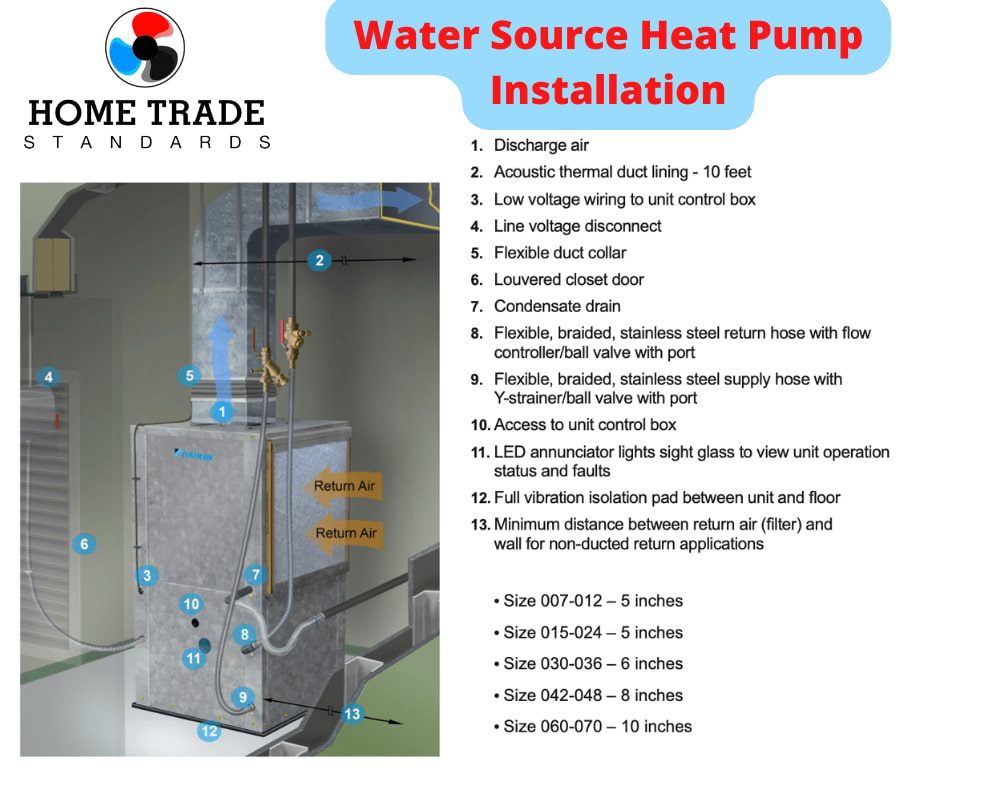
- Closets or Mechanical Rooms: This is perhaps the most common placement, especially in multi-unit dwellings like apartments and condos. A dedicated closet or small mechanical room provides easy access for maintenance while keeping the unit out of sight.
- Drop Ceilings: In commercial buildings and some residential applications with suspended ceilings, WSHPs can be located above the ceiling tiles. This saves floor space, but requires careful planning for access panels.
- Underground Parking Garages: In some apartment buildings or commercial complexes, centralized water loops are linked to individual units placed in parking garages.
- Attics: While less common than other locations due to potential temperature extremes, WSHPs can be found in attics, particularly in warmer climates or when space is limited elsewhere. Ensure proper insulation and ventilation if yours is in the attic.
Centralized WSHP Systems
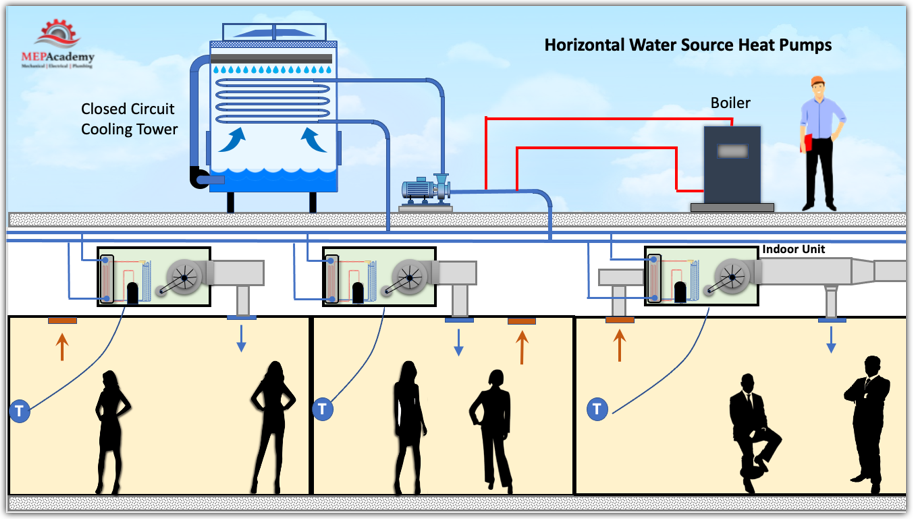
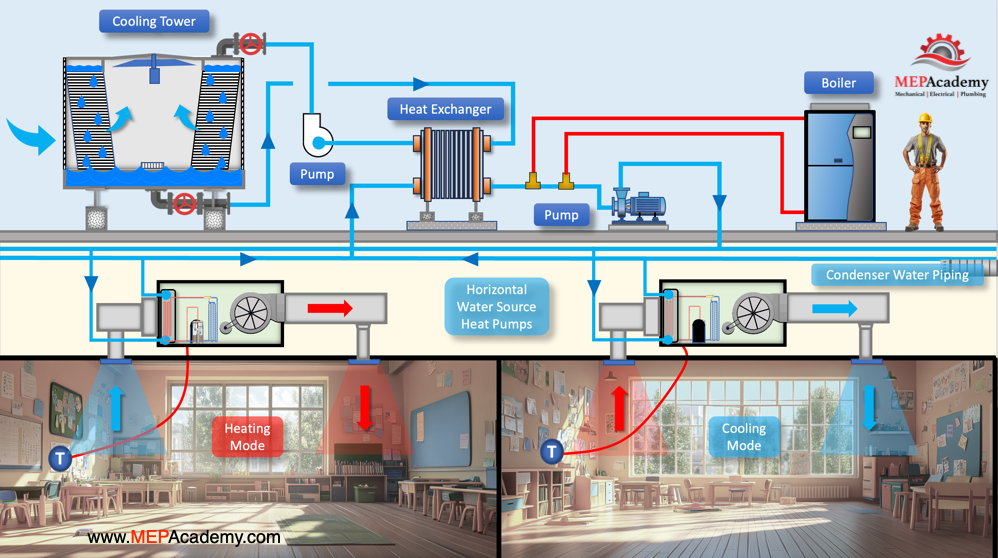
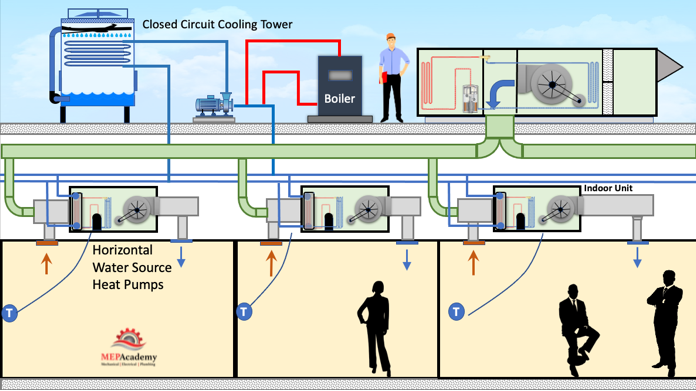
In larger buildings or commercial settings, a centralized WSHP system may be employed. This involves a central plant that supplies heated or cooled water to multiple individual WSHP units located throughout the building.
- Mechanical Rooms (Central Plant): The core equipment for a centralized system – boilers, chillers, pumps – is located in a dedicated mechanical room, usually in the basement or on the roof.
- Individual Unit Locations: The individual WSHP units are then placed in the same locations as mentioned above (closets, ceilings, etc.), connected to the central water loop.
Identifying a Water Source Heat Pump
Before you start any maintenance or troubleshooting, make sure you've correctly identified your system as a WSHP. Look for these clues:
- Water Lines: WSHPs have water lines connecting to them, in addition to refrigerant lines. These are typically copper or PEX piping.
- Unit Labeling: The unit should be labeled as a "Water Source Heat Pump" or "Geothermal Heat Pump" (though geothermal systems utilize a different water loop setup).
- Model Number: Check the model number and search online to confirm it's a WSHP.
- Condensate Drain: Like air-source heat pumps, WSHPs produce condensate. Ensure the drain line is clear to prevent water damage.
DIY Maintenance and Troubleshooting
Some basic maintenance and troubleshooting tasks can be performed by homeowners, but remember to prioritize safety and consult a qualified technician for complex repairs.
Tools and Materials You Might Need:
- Screwdrivers (various sizes)
- Wrenches (adjustable and specific sizes)
- Multimeter
- Vacuum cleaner with brush attachment
- Fin comb
- Coil cleaner
- Clean cloths or rags
- Safety glasses
- Gloves
Common Issues and DIY Solutions:
- Reduced Airflow:
- Problem: Clogged air filter.
- Solution: Replace the air filter regularly (every 1-3 months, depending on usage and air quality).
- Problem: Dirty coils.
- Solution: Use a fin comb to straighten bent fins and carefully vacuum the coils. Apply coil cleaner according to the manufacturer's instructions. Turn off the unit first!
- Water Leaks:
- Problem: Clogged condensate drain.
- Solution: Use a wet/dry vacuum to clear the drain line. You might also try pouring a cup of diluted bleach down the drain to kill algae.
- Strange Noises:
- Problem: Loose components.
- Solution: Carefully inspect the unit for loose screws or panels and tighten them. If the noise persists, call a professional.
- Unit Not Heating or Cooling:
- Problem: Thermostat settings.
- Solution: Double-check your thermostat settings to ensure it's in the correct mode (heat or cool) and set to the desired temperature.
Safety First!
- Turn off the Power: Always disconnect the power to the unit at the breaker before performing any maintenance or repairs.
- Wear Safety Gear: Protect your eyes and hands with safety glasses and gloves.
- Refrigerant Handling: Never attempt to handle refrigerant yourself. This is a job for licensed professionals.
- Electrical Safety: If you're not comfortable working with electrical components, call a qualified electrician or HVAC technician.
When to Call a Professional
While some basic maintenance tasks are within the reach of homeowners, certain issues require the expertise of a qualified HVAC technician. It's best to call a pro when:
- Refrigerant Leaks: Refrigerant leaks require specialized equipment and training to repair safely and effectively.
- Compressor Problems: The compressor is the heart of the heat pump, and repairs are complex and often expensive.
- Electrical Issues: Diagnosing and repairing electrical problems within the unit can be dangerous and requires specialized knowledge.
- Water Loop Problems: If you suspect issues with the closed-loop water system (e.g., leaks, low flow), a professional can diagnose and repair the problem.
- You're Not Comfortable: If you're not confident in your ability to perform a repair safely and correctly, it's always best to err on the side of caution and call a professional.
Estimated Repair Costs
Repair costs for WSHPs vary widely depending on the problem, the age of the unit, and your location. Here are some general estimates:
- Air Filter Replacement: $5 - $20 (DIY)
- Coil Cleaning: $50 - $150 (DIY or professional)
- Condensate Drain Cleaning: $25 - $75 (DIY or professional)
- Refrigerant Recharge: $200 - $600
- Compressor Replacement: $800 - $2500
- Electrical Component Repair: $100 - $500
- Water Loop Repair: $150 - $1000+ (depending on the severity of the leak)
Note: These are just estimates. Always get a quote from a qualified HVAC technician before authorizing any repairs.
Preventative Maintenance
The best way to avoid costly repairs is to schedule regular preventative maintenance for your WSHP. A qualified technician can inspect the unit, clean the coils, check refrigerant levels, and identify potential problems before they become major issues. Aim for at least annual maintenance, and consider twice-yearly service in harsh climates.
Conclusion
Understanding the location of your packaged water source heat pump is the first step toward effective maintenance and troubleshooting. By following the guidelines in this article, you can perform basic tasks yourself and know when to call a professional. Remember that safety should always be your top priority. With proper care, your WSHP can provide years of reliable heating and cooling.
Disclaimer: This article provides general information and should not be considered a substitute for professional advice. Always consult with a qualified HVAC technician for specific issues related to your system.