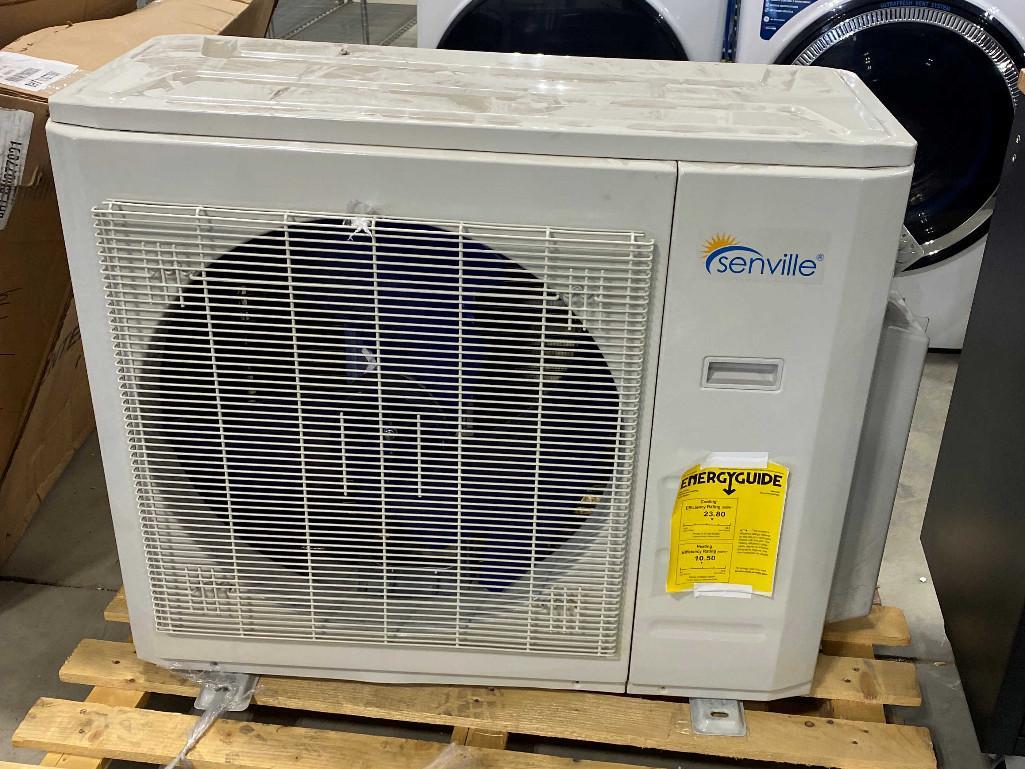
Where Are Senville Mini Splits Made

Mini-split systems, also known as ductless air conditioners, have surged in popularity as homeowners and businesses alike seek energy-efficient and cost-effective climate control solutions. Senville, a recognizable brand in this market, offers a range of mini-split systems known for their performance and affordability. One common question consumers ask is, "Where are Senville mini splits made?" Understanding the manufacturing origins of your HVAC system can provide insight into its quality, technology, and potential environmental impact.
Senville Mini Split Manufacturing: A Global Perspective
While Senville is headquartered in Canada, the manufacturing process of their mini-split systems, like many HVAC brands in today's globalized economy, involves international collaboration. It's crucial to understand that assembly location doesn't always equate to the origin of all components.
Senville mini-splits are primarily manufactured in China. This doesn't automatically mean inferior quality. Many reputable HVAC brands leverage Chinese manufacturing facilities due to their advanced technology, economies of scale, and skilled labor force. Companies like Senville often implement strict quality control measures to ensure their products meet international standards and customer expectations.
Why Manufacture in China?
Several factors contribute to the prevalence of Chinese manufacturing in the HVAC industry:
- Cost Efficiency: Manufacturing in China can significantly reduce production costs due to lower labor costs and access to raw materials. This allows Senville to offer competitive pricing on their mini-split systems, making them accessible to a wider range of consumers.
- Advanced Manufacturing Infrastructure: China has invested heavily in its manufacturing infrastructure, resulting in state-of-the-art facilities equipped with advanced technologies.
- Skilled Labor Force: The Chinese manufacturing sector employs a large and skilled labor force capable of handling complex assembly processes.
- Supply Chain Integration: China has a well-established supply chain network, streamlining the sourcing of components and reducing lead times.
Quality Control and Standards
The key to a reliable mini-split system isn't solely about where it’s assembled but the quality control measures implemented throughout the production process. Senville, like other responsible HVAC manufacturers utilizing overseas production, adheres to international standards such as:
- ISO 9001: This international standard specifies requirements for a quality management system (QMS) and demonstrates a company's ability to consistently provide products and services that meet customer and regulatory requirements.
- AHRI Certification: The Air-Conditioning, Heating, and Refrigeration Institute (AHRI) independently verifies the performance of HVAC equipment, ensuring that it meets claimed efficiency ratings. Look for the AHRI Certified® mark to confirm the Senville unit's performance.
- Energy Star®: Energy Star is a U.S. Environmental Protection Agency (EPA) program that identifies energy-efficient products. Senville offers Energy Star-certified mini-split systems, indicating that they meet strict energy efficiency guidelines.
Senville also claims rigorous internal testing procedures and quality checks at various stages of manufacturing to identify and address any potential issues before the products reach consumers.
The Importance of Energy Efficiency and ROI
Regardless of the manufacturing location, the primary benefit of a mini-split system lies in its energy efficiency. Traditional central air conditioning systems rely on ductwork, which can lead to significant energy losses due to leaks and poor insulation. Ductless mini-splits eliminate this problem by delivering conditioned air directly to the room, resulting in significant energy savings.
The Return on Investment (ROI) for a Senville mini-split can be substantial, particularly when replacing an older, less efficient system. Factors influencing ROI include:
- Climate: The climate you live in significantly impacts energy consumption. Homes in hotter climates will see more savings from an efficient cooling system.
- Energy Prices: Fluctuations in electricity rates directly affect your energy bills. Higher electricity prices amplify the savings from an energy-efficient mini-split.
- System Size: Selecting the correct size mini-split for your space is crucial. An oversized unit will cycle on and off frequently, wasting energy, while an undersized unit will struggle to maintain the desired temperature.
- Usage Patterns: How often and for how long you use the mini-split influences your energy consumption. Zoning capabilities allow you to heat or cool only occupied areas, maximizing energy savings.
To maximize ROI, consider these tips:
- Professional Installation: Proper installation is essential for optimal performance and efficiency. Hire a qualified HVAC technician to ensure the system is correctly sized and installed.
- Regular Maintenance: Routine maintenance, such as cleaning filters and coils, will keep your mini-split running efficiently and extend its lifespan.
- Smart Thermostat Integration: Integrating your mini-split with a smart thermostat allows for remote control, scheduling, and energy monitoring, further optimizing energy savings.
Smart Home Integration and Advanced Features
Modern Senville mini-split systems often come equipped with smart features and compatibility with smart home ecosystems. These features enhance convenience, comfort, and energy efficiency.
Smart Thermostats
Connecting your Senville mini-split to a smart thermostat, such as those from Nest, Ecobee, or Honeywell, allows for remote control and automation. You can adjust the temperature from your smartphone, create custom schedules, and monitor energy consumption.
Zoning Capabilities
Mini-splits are inherently designed for zoning, allowing you to control the temperature in individual rooms or zones. This is particularly beneficial for homes with varying temperature preferences or rooms that are not frequently used. Zoning can significantly reduce energy waste by only conditioning occupied spaces.
Voice Control
Many smart thermostats and mini-split systems are compatible with voice assistants like Amazon Alexa and Google Assistant. This allows you to control your HVAC system with voice commands, adding another layer of convenience.
Sensors and Automation
Some mini-split systems can be integrated with sensors to automatically adjust the temperature based on occupancy, sunlight, or other environmental factors. This further optimizes energy efficiency and comfort.
Government Incentives and Rebates
To encourage the adoption of energy-efficient HVAC systems, many governments and utility companies offer incentives and rebates. These programs can significantly reduce the upfront cost of installing a Senville mini-split.
Check the Energy Star website or your local utility company's website for information on available rebates and incentives. Some common types of rebates include:
- Federal Tax Credits: The U.S. federal government offers tax credits for the purchase and installation of energy-efficient HVAC systems.
- State and Local Rebates: Many states and local governments offer rebates for energy-efficient appliances and equipment.
- Utility Company Rebates: Your local utility company may offer rebates for installing Energy Star-certified mini-split systems.
Taking advantage of these incentives can significantly improve the ROI of your Senville mini-split.
Beyond Location: Focus on Performance and Efficiency
While the manufacturing location of Senville mini-splits might be a point of interest, it shouldn't be the sole determinant of your purchasing decision. Focus instead on the system's performance, efficiency ratings (SEER and HSPF), features, and warranty. A well-maintained and properly installed mini-split, regardless of its origin, can deliver significant energy savings and improved comfort.
Remember to consider factors such as:
- SEER (Seasonal Energy Efficiency Ratio): Measures cooling efficiency. Higher SEER ratings indicate greater energy efficiency.
- HSPF (Heating Seasonal Performance Factor): Measures heating efficiency (for heat pump models). Higher HSPF ratings indicate greater energy efficiency.
- Warranty: A comprehensive warranty provides peace of mind and protects your investment.
- Customer Reviews: Research customer reviews to gauge the reliability and performance of the specific Senville model you are considering.
Conclusion
Senville mini-split systems are primarily manufactured in China, a common practice in the HVAC industry. However, the manufacturing location shouldn't overshadow the importance of quality control, energy efficiency, and features. By focusing on these factors and taking advantage of available incentives, you can choose a Senville mini-split that delivers significant energy savings, improved comfort, and a solid return on investment.