Where Are The Coils Located On An Air Conditioner
Understanding your air conditioner is the first step towards optimizing its performance and saving energy. One crucial component is the coil – actually, there are *two* – and their location directly impacts how efficiently your system cools your space. Knowing where to find these coils, understanding their function, and recognizing signs of potential problems can lead to significant cost savings and a longer lifespan for your AC unit.
The Two Coil System: Evaporator and Condenser
Air conditioners utilize a refrigeration cycle to transfer heat from inside your home to the outside. This cycle relies on two key coils: the evaporator coil and the condenser coil. Each plays a distinct role, and their locations are intentionally designed to maximize heat exchange.
Evaporator Coil: The Indoor Cooling Center
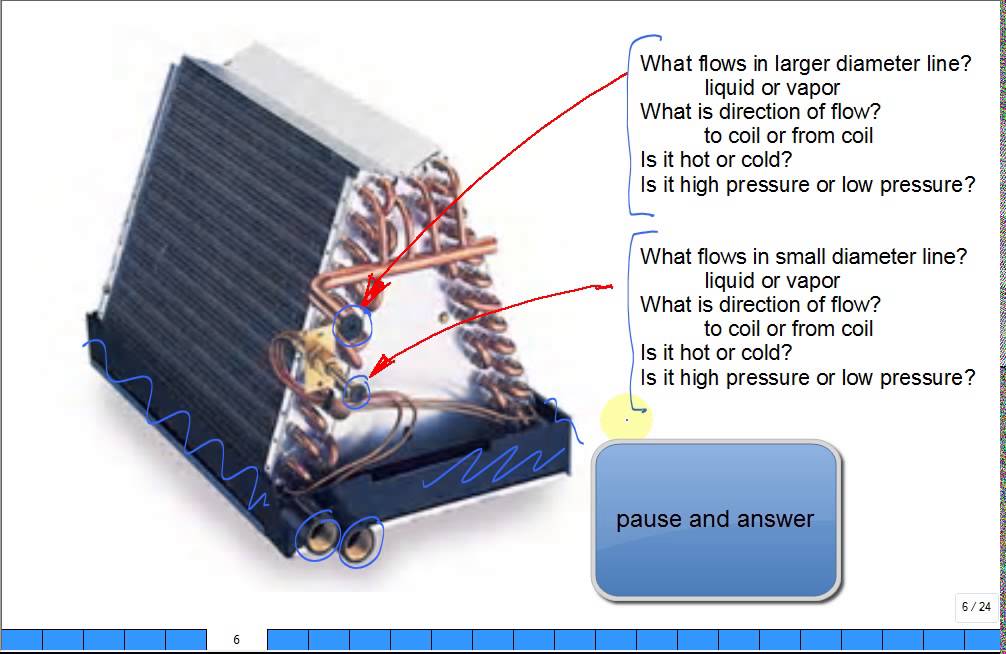
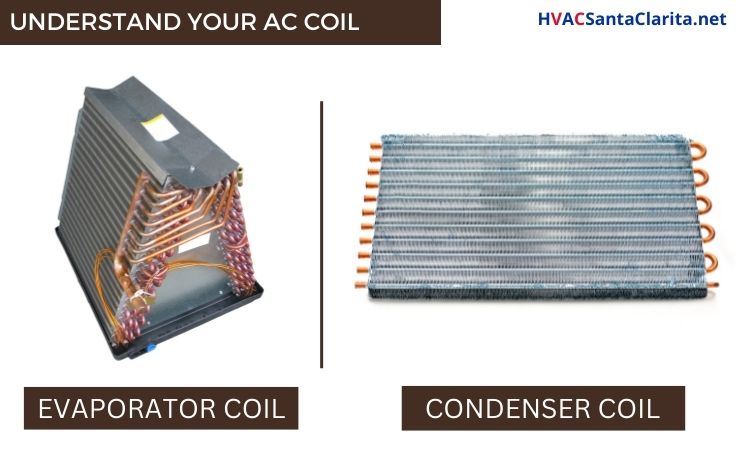
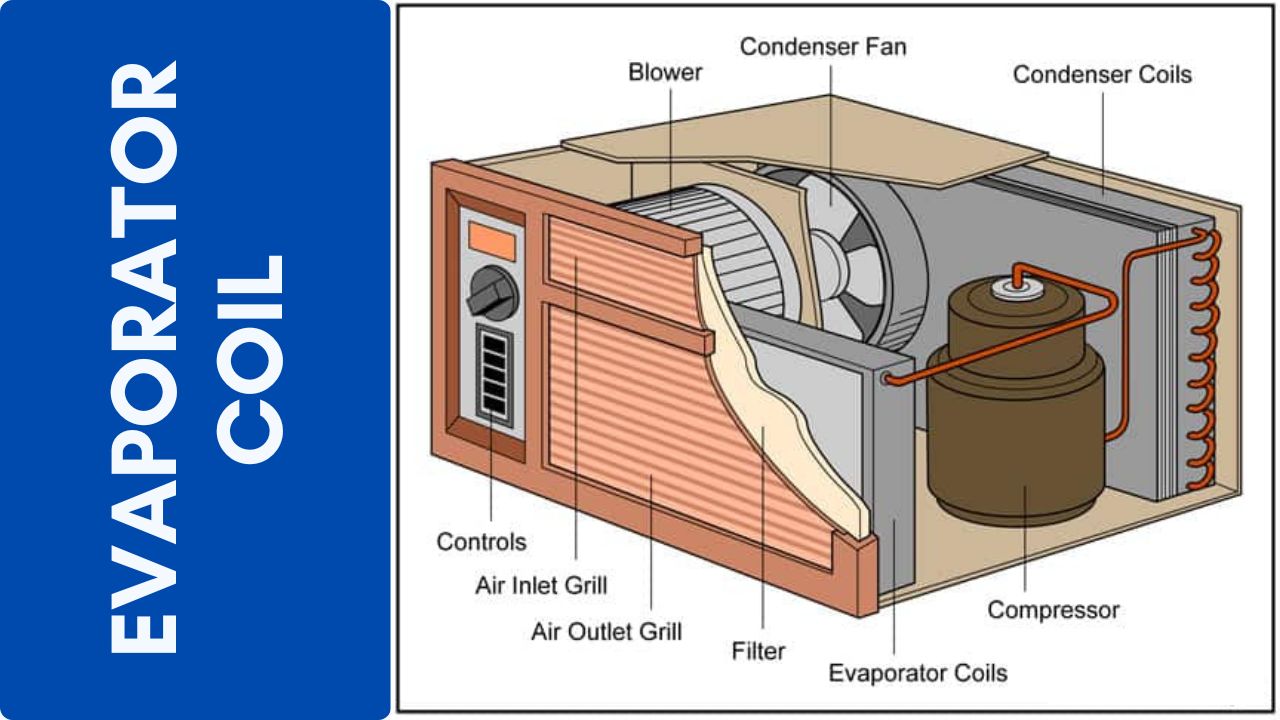
The evaporator coil is located inside your home, typically within the indoor air handler unit. This unit is often part of your furnace or located separately in an attic, closet, or basement. The evaporator coil's job is to absorb heat from the indoor air. Refrigerant, a special chemical with low boiling point, flows through the coil. As warm air blows across the coil, the refrigerant absorbs the heat, causing it to evaporate (hence the name) from a liquid into a gas.
Finding the Evaporator Coil:
- Central Air Systems: Look for the indoor air handler unit. This is a large metal box usually connected to your ductwork. The evaporator coil is typically housed inside this unit. You may need to remove an access panel to see it directly, but **always turn off the power to the unit before attempting any inspection**.
- Heat Pumps: Heat pumps function as both heaters and air conditioners. The evaporator coil is located in the same indoor unit as a central air system.
- Window Units & Mini-Splits: The evaporator coil is located within the indoor portion of these systems, behind the front panel.
Condenser Coil: The Outdoor Heat Exchanger
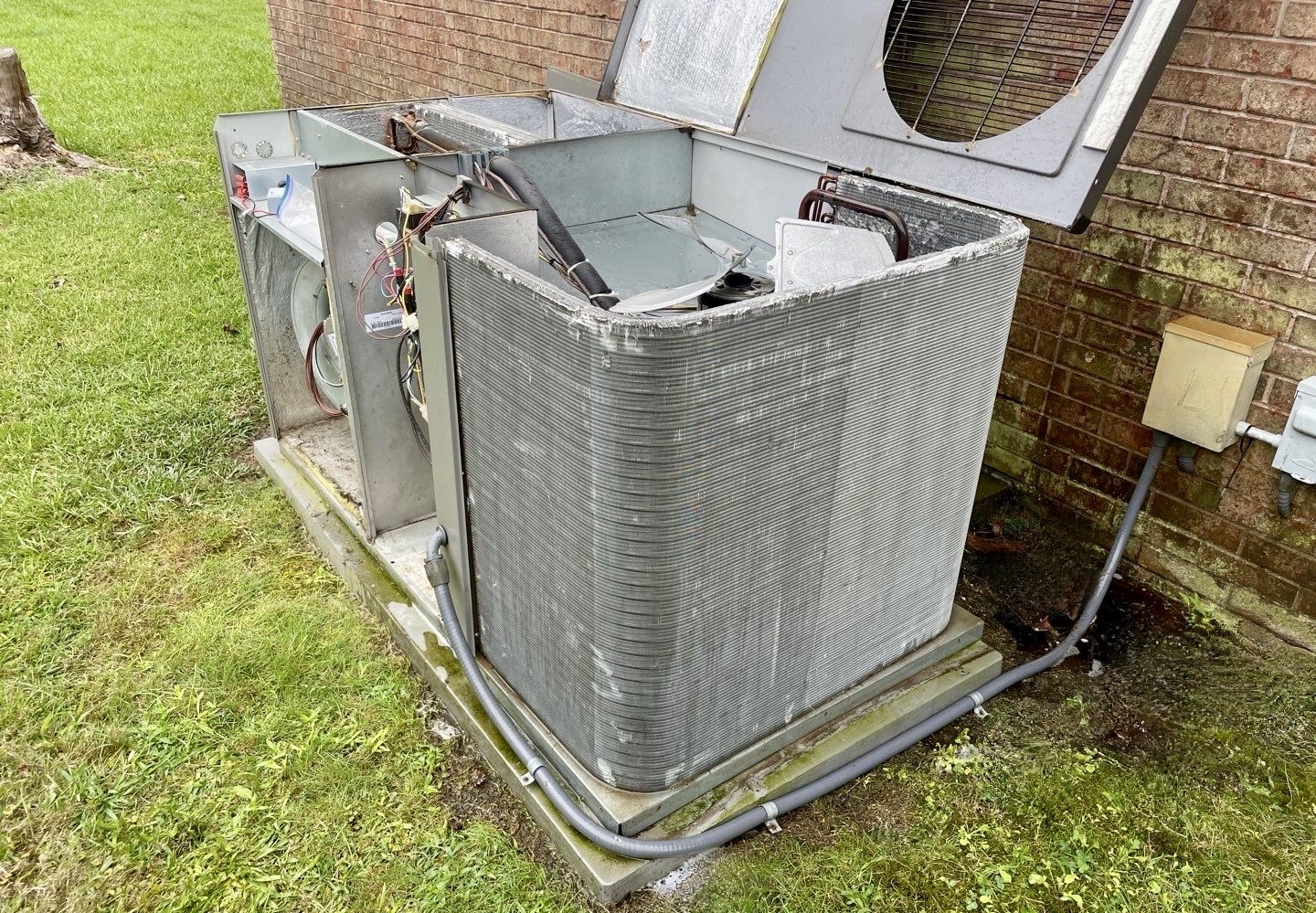
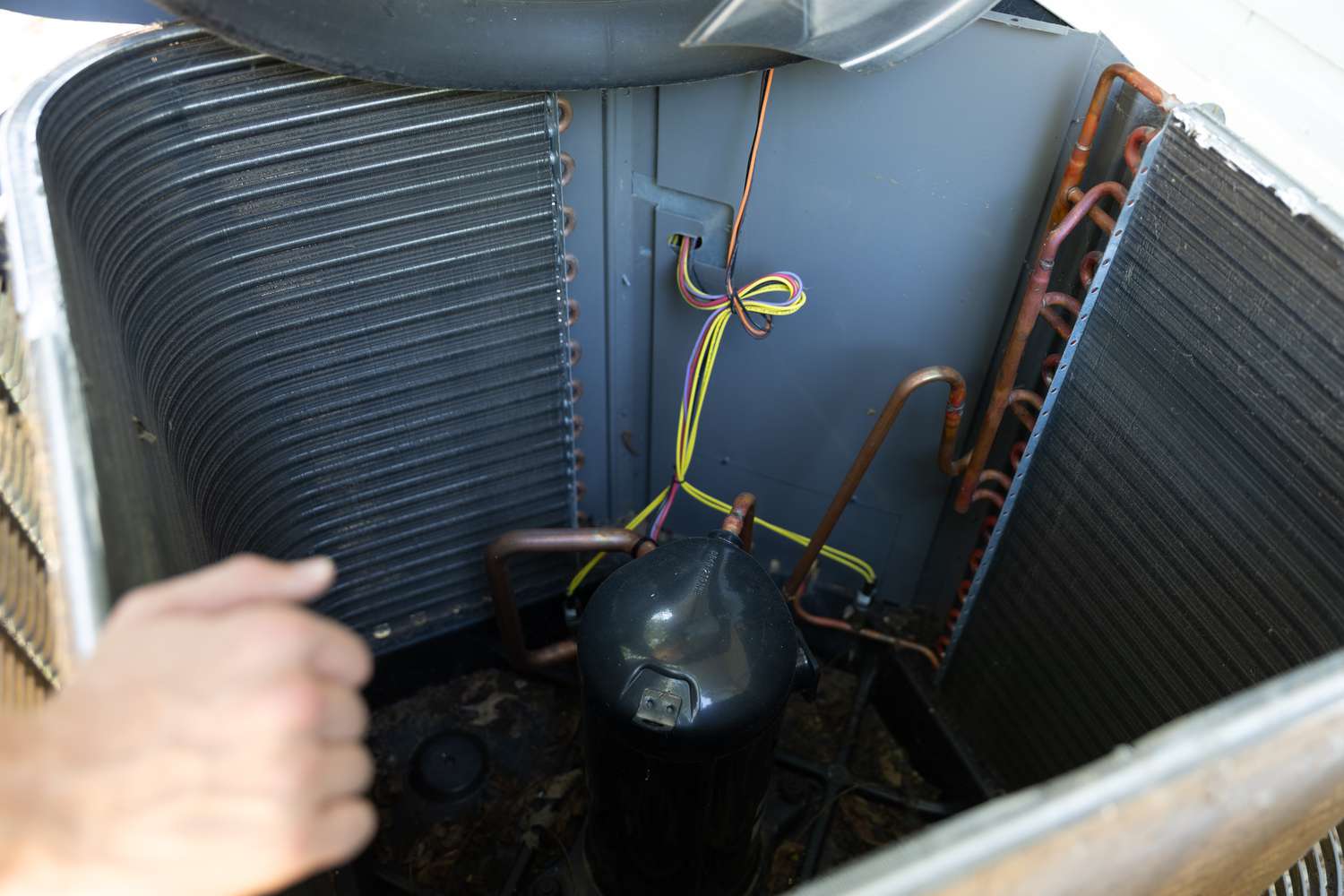
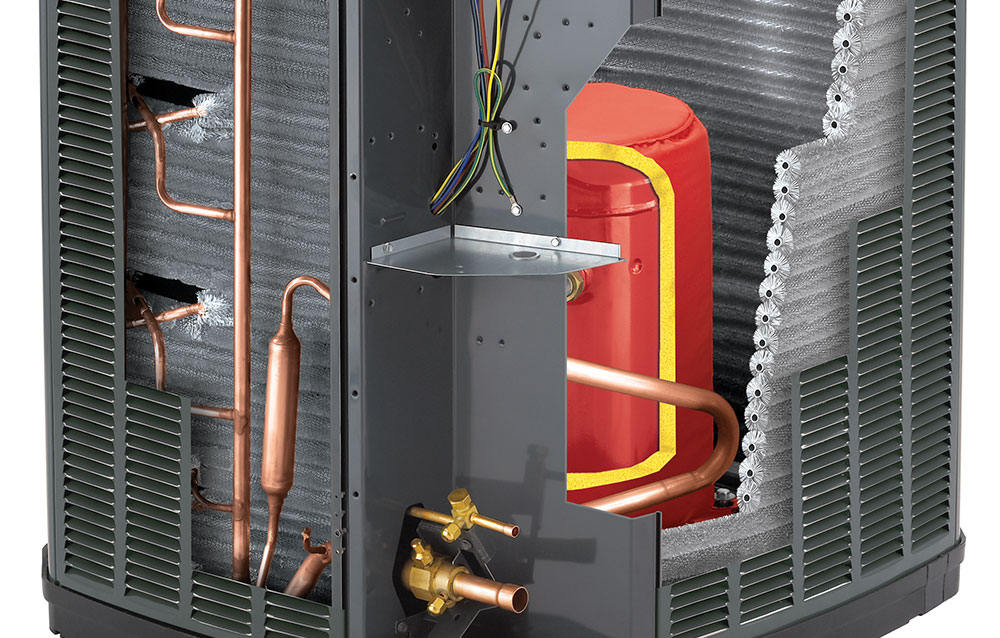
The condenser coil is located in the outdoor unit of your air conditioner. This unit is easily identifiable as the metal box with a fan that sits outside your home. The condenser coil's function is to release the heat that was absorbed by the evaporator coil inside. The hot refrigerant gas from the evaporator coil is compressed and then flows into the condenser coil. Here, the heat is released into the outdoor air as the refrigerant condenses back into a liquid.
Finding the Condenser Coil:
- The condenser coil is easily visible within the outdoor unit. It's usually wrapped around the perimeter of the unit behind a protective metal grill. The large fan helps to draw air across the coil to facilitate heat transfer.
Why Coil Location Matters for Efficiency
The placement of the evaporator and condenser coils is critical for the overall efficiency of your air conditioning system. Here’s why:
- Airflow: Both coils require adequate airflow to function effectively. Obstructions like dirt, debris, or overgrown vegetation can restrict airflow, reducing the system's ability to transfer heat. This leads to reduced cooling capacity, increased energy consumption, and higher utility bills.
- Temperature Difference: The greater the temperature difference between the air and the refrigerant in the coils, the more efficient the heat transfer. That is why condenser coils are installed outside.
- Proper Refrigerant Charge: The location and design of the coils are factored into determining the correct refrigerant charge for your system. A leak in either coil can result in a low refrigerant charge, causing the system to work harder and less efficiently.
Troubleshooting Coil Problems: Signs & Solutions
Several issues can affect the performance of your AC coils. Recognizing these problems early can prevent costly repairs and ensure optimal energy efficiency.
Common Coil Problems:
- Dirty Coils: This is the most common problem. Dust, dirt, pollen, and other debris can accumulate on the coil surfaces, insulating them and reducing their ability to transfer heat. Regular cleaning is essential.
- Frozen Coils: A frozen evaporator coil can be caused by restricted airflow (due to a dirty air filter, blocked vents, or a malfunctioning blower fan), low refrigerant levels, or a faulty thermostat.
- Refrigerant Leaks: Leaks can occur in either coil, leading to reduced cooling capacity and increased energy consumption.
- Corrosion: Over time, coils can corrode, especially in coastal areas with high salt content. This can lead to leaks and reduced efficiency.
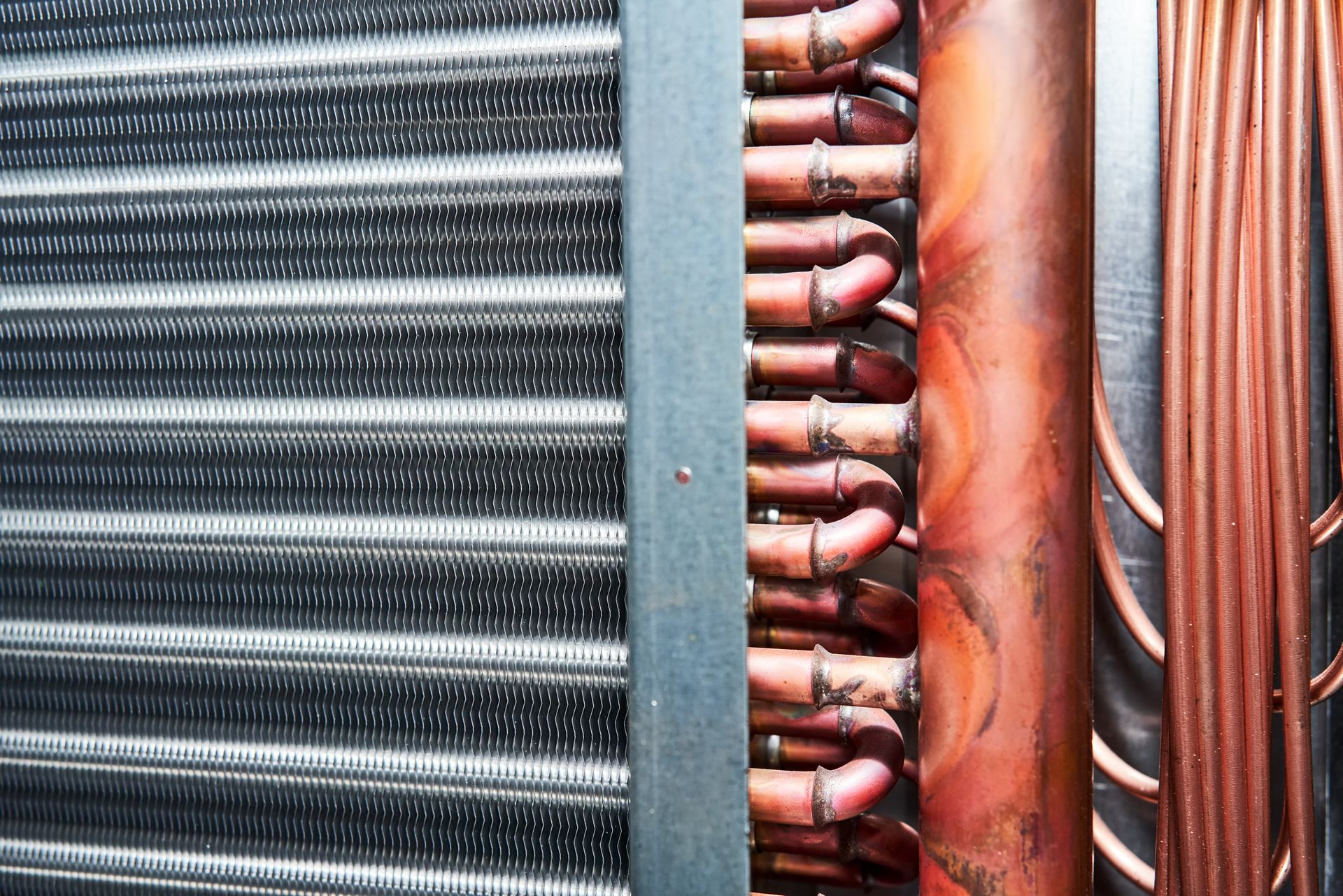
- Bent Fins: The fins on the coils help to increase the surface area for heat transfer. Bent fins restrict airflow and reduce efficiency. You can gently straighten them with a fin comb.
Troubleshooting Tips & Solutions:
- Regular Cleaning: Clean both the evaporator and condenser coils at least once a year, or more frequently if you live in a dusty environment. Use a coil cleaner and a soft brush.
- Air Filter Replacement: Replace your air filter every 1-3 months, depending on usage and air quality. A dirty air filter restricts airflow and can cause the evaporator coil to freeze.
- Professional Inspection: Schedule regular maintenance with a qualified HVAC technician to inspect your system for leaks, corrosion, and other problems.
- Smart Thermostat Integration: Use a smart thermostat to monitor your system's performance and receive alerts for potential problems. Many smart thermostats can track energy usage and provide recommendations for optimizing efficiency.
Energy Savings & ROI: The Benefits of Well-Maintained Coils
Investing in regular coil maintenance can result in significant energy savings and a positive return on investment (ROI).
- Reduced Energy Bills: Clean, well-maintained coils allow your AC system to operate more efficiently, reducing energy consumption and lowering your monthly utility bills. According to the U.S. Department of Energy, proper maintenance can reduce energy consumption by 15% or more.
- Extended System Lifespan: Regular maintenance can help to extend the lifespan of your AC system, saving you money on costly replacements.
- Improved Air Quality: Clean coils help to improve indoor air quality by reducing the amount of dust, dirt, and allergens circulating through your home.
- Increased Home Value: A well-maintained HVAC system can increase the value of your home.
- Rebates and Incentives: Many utility companies and government agencies offer rebates and incentives for energy-efficient HVAC systems and maintenance. Check with your local utility company and the Energy Star website for available programs.
Smart HVAC Integration: Taking Control of Your Coils
Integrating your HVAC system with smart home technology can provide valuable insights into your system's performance and help you optimize energy efficiency. Smart thermostats, sensors, and other devices can monitor coil temperatures, airflow, and refrigerant levels, providing real-time data and alerts for potential problems.
- Smart Thermostats: Learn your habits and optimize temperatures. Some models alert you when coils are beginning to freeze or get dirty.
- Airflow Sensors: These sensors can measure the airflow across the coils, alerting you to potential obstructions or a malfunctioning blower fan.
- Refrigerant Monitoring Systems: These systems can monitor refrigerant levels and detect leaks, helping you to prevent costly repairs.
The Bottom Line: Proactive Maintenance is Key
Knowing the location of your air conditioner's coils and understanding their function is essential for maximizing energy efficiency and minimizing operating costs. By implementing a proactive maintenance plan that includes regular coil cleaning, air filter replacement, and professional inspections, you can ensure that your system operates at peak performance for years to come. Embracing smart home technology can further enhance your ability to monitor and optimize your HVAC system, leading to even greater energy savings and a more comfortable home environment. Don't forget to investigate Energy Star rated systems and available rebates when considering upgrades or replacements.