Where Can I Find A Capacitor
Frequently Asked Questions: Where Can I Find a Capacitor?
Capacitors are essential components in a wide range of electronic devices and appliances. When one fails, knowing where to find a replacement is crucial. This FAQ addresses common questions regarding capacitor sourcing, helping homeowners and facility managers quickly locate the right capacitor for their needs.
Q1: My washing machine isn't starting. I suspect it's the capacitor. Where's the easiest place to find a replacement?
For a quick fix, consider these options:
- Local Appliance Repair Shops: These shops often stock common appliance capacitors. You can bring the old capacitor for identification or provide the model number of your washing machine. This is often the fastest solution.
- Hardware Stores (with Electronics Sections): Some larger hardware stores, especially those catering to DIY enthusiasts, may carry a limited selection of capacitors suitable for appliances.
- Online Retailers (Amazon, eBay, etc.): These marketplaces offer a vast selection of capacitors. However, be cautious about counterfeit parts and ensure the seller has a good reputation. Double-check the specifications match your needs.
- Appliance Parts Suppliers (Online or Local): Specialized suppliers focus on appliance components. They are more likely to have the exact capacitor you need for your specific washing machine model. A quick internet search for "appliance parts [your city/region]" will reveal local options.
Important: Before replacing any capacitor, always disconnect the appliance from the power source and discharge the capacitor using appropriate safety procedures. If you are unsure about how to do this, consult a qualified electrician.
Q2: I need a specific type of capacitor (e.g., a high-voltage ceramic capacitor) for a less common application. Where should I look?
For specialized capacitors, the sourcing strategy changes:
- Electronic Component Distributors (Digi-Key, Mouser Electronics, Newark): These are major online distributors with an extensive inventory of electronic components, including a wide variety of capacitors. They offer detailed specifications and datasheets, allowing you to find the exact part you need. Be prepared for shipping times.
- Specialized Electronics Suppliers: Some companies specialize in niche electronic components. A targeted internet search for the specific type of capacitor you need (e.g., "high-voltage capacitor supplier") may reveal specialized vendors.
- Surplus Electronics Stores: You might find what you need at a surplus electronics store, often at discounted prices. However, the inventory is unpredictable, and you'll need to know exactly what you're looking for. Ensure you test the capacitor before use as its history might be unknown.
- University or College Electronics Labs (Potentially): If you have connections to a university or college with an electronics engineering department, they might be willing to sell you a capacitor from their lab stock. This is less likely but worth considering if you're struggling to find a specific part.
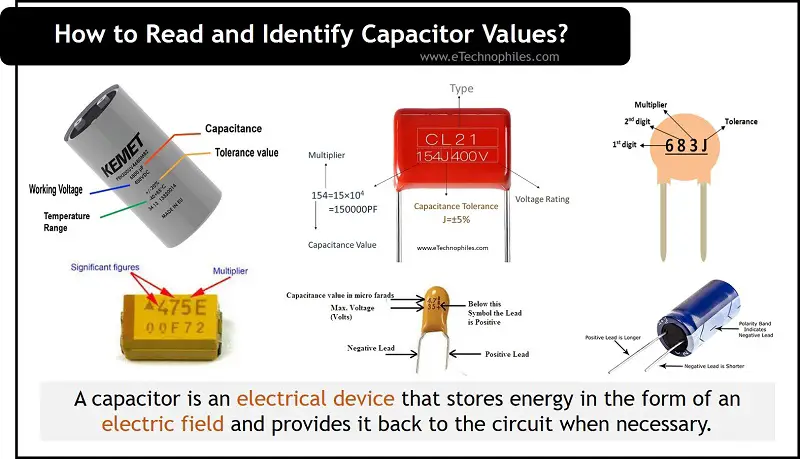
When ordering from electronic component distributors, pay close attention to the capacitor's specifications, including capacitance, voltage rating, tolerance, and temperature rating. These parameters are crucial for ensuring proper operation and safety.
Q3: How can I ensure I'm getting a reliable capacitor, especially when buying online?
Reliability is paramount, especially when dealing with higher-voltage applications. Here's how to improve your chances of getting a good capacitor:
- Buy from Reputable Suppliers: Stick to established electronic component distributors or appliance parts suppliers. Avoid unknown sellers on marketplaces with questionable feedback. Look for suppliers with ISO certifications or other quality assurance measures.
- Check the Manufacturer: Some capacitor manufacturers are known for higher quality than others. Research the manufacturer before purchasing. Established brands often have better quality control.
- Read Reviews and Feedback: If buying online, carefully read reviews and feedback from other customers. Look for comments regarding reliability and performance.
- Consider the Application: For critical applications, invest in higher-quality capacitors from reputable brands. For less demanding applications, you might be able to save money by choosing a less expensive option.
- Inspect the Capacitor Upon Arrival: Before installing the capacitor, visually inspect it for any signs of damage, such as cracks, leaks, or bulging. If you see any damage, do not use the capacitor and contact the supplier.
Important: Fake or low-quality capacitors can fail prematurely, leading to appliance malfunctions or even safety hazards. It's worth spending a little more to ensure you're getting a reliable part.
Q4: What information do I need to know about my old capacitor before I can buy a replacement?
Accurate information is key to finding the right replacement. Gather the following details from the old capacitor:
- Capacitance: This is the most important parameter, measured in microfarads (µF) or picofarads (pF). The value is typically printed directly on the capacitor.
- Voltage Rating: This is the maximum voltage the capacitor can safely handle, measured in volts (V). The voltage rating of the replacement capacitor should always be equal to or greater than the original.
- Tolerance: This indicates the allowable variation in capacitance, expressed as a percentage (e.g., ±10%). A tighter tolerance generally means a more precise capacitor.
- Type: Identify the capacitor type (e.g., electrolytic, ceramic, film). This is important because different types have different characteristics and applications.
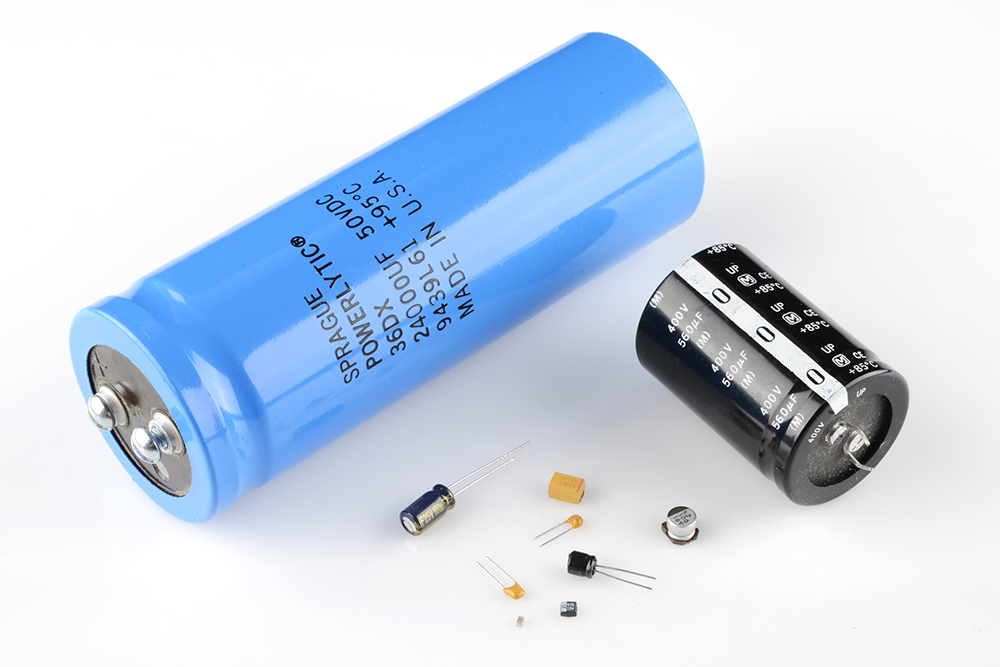
- Size and Shape: Ensure the replacement capacitor physically fits in the available space. Pay attention to the capacitor's dimensions (diameter and height).
- Operating Temperature: This specifies the range of temperatures within which the capacitor can operate reliably. If the application involves high temperatures, choose a capacitor with a suitable temperature rating.
- Lead Style: Note the lead configuration (e.g., radial, axial, surface mount). The replacement capacitor must have the same lead style to facilitate proper connection.
- Manufacturer and Part Number (if available): These can help you find the exact replacement or a suitable substitute.
Taking a clear photograph of the capacitor can be extremely helpful when searching for a replacement online or at a store.
Q5: What's the difference between an electrolytic capacitor and a ceramic capacitor, and why does it matter?
Electrolytic and ceramic capacitors are two common types with distinct characteristics:
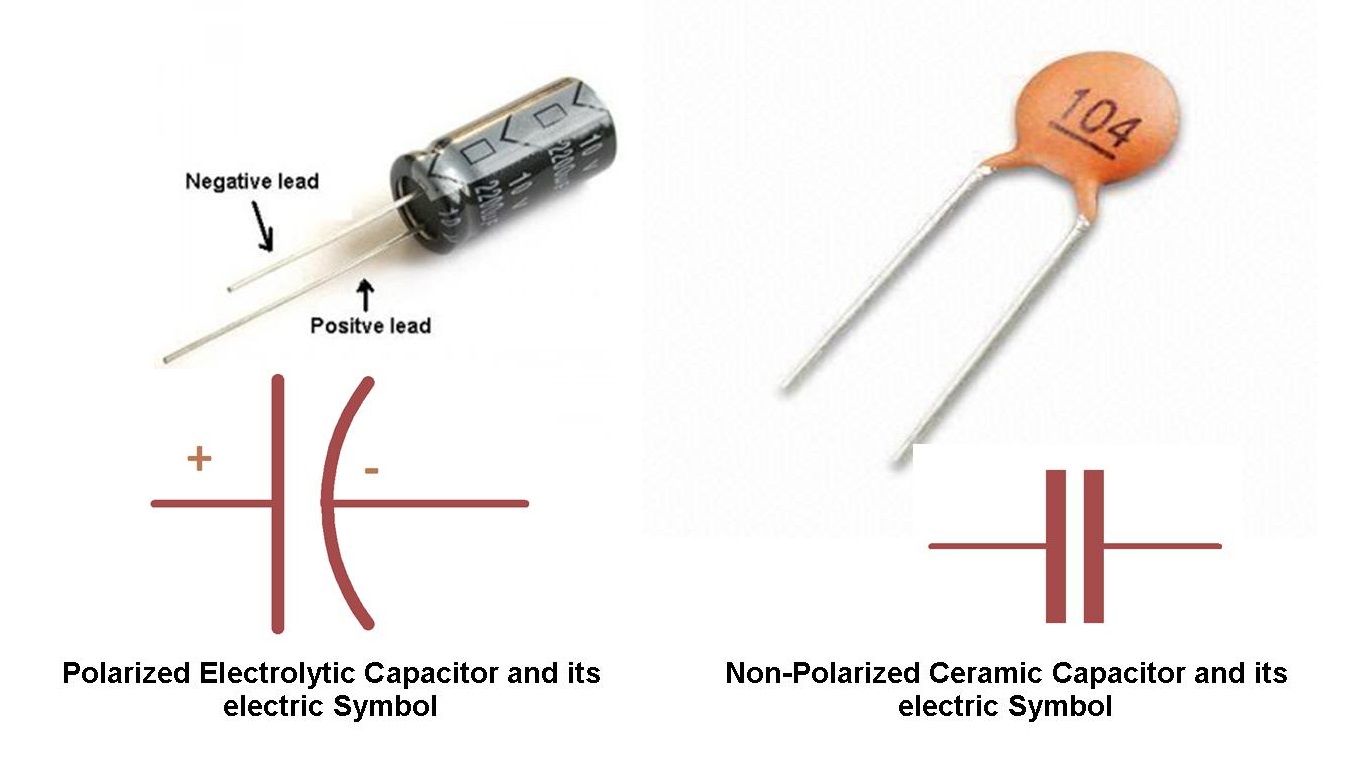
- Electrolytic Capacitors: These capacitors have relatively high capacitance values for their size. They are polarized, meaning they have a positive and a negative terminal, and must be connected correctly. They are often used in power supplies and audio circuits. They are generally less expensive than other types but can have shorter lifespans, especially at higher temperatures. Incorrect polarity can cause them to explode.
- Ceramic Capacitors: These capacitors have lower capacitance values than electrolytic capacitors but are more stable and reliable. They are non-polarized, meaning they can be connected in either direction. They are commonly used in high-frequency circuits and decoupling applications. There are different types of ceramic capacitors, like MLCC (Multilayer Ceramic Capacitors) which are very common.
Why it matters: Replacing an electrolytic capacitor with a ceramic capacitor (or vice versa) can lead to circuit malfunction or failure. The choice of capacitor type depends on the specific requirements of the circuit. Refer to the original design or consult with an electronics technician if you are unsure.
Q6: I'm having trouble finding the exact capacitor. Can I use a capacitor with slightly different specifications?
Using a capacitor with slightly different specifications requires careful consideration:
- Capacitance: A slight variation in capacitance (e.g., ±10%) is usually acceptable, but avoid significant deviations. In some sensitive circuits, even a small change in capacitance can affect performance.
- Voltage Rating: Never use a capacitor with a lower voltage rating than the original. It's always safe to use a capacitor with a higher voltage rating.
- Tolerance: A wider tolerance is generally acceptable if the circuit is not highly sensitive. A tighter tolerance is preferred for precision applications.
- Type: It's generally not advisable to substitute different types of capacitors (e.g., electrolytic for ceramic) unless you understand the implications for the circuit's performance.
- Temperature Rating: The temperature rating of the replacement capacitor should be equal to or higher than the original, especially if the application involves high temperatures.
When in doubt, consult with a qualified electronics technician or engineer. They can help you determine if a substitute capacitor is appropriate for your application.
Q7: I found a capacitor, but the leads are too long. Can I cut them?
Yes, you can typically cut the leads of a capacitor to the desired length. However, there are a few precautions to keep in mind:
- Use Sharp Cutters: Use sharp wire cutters to avoid damaging the leads. Dull cutters can crush or bend the leads, making them difficult to solder or connect.
- Avoid Overheating: When soldering, avoid excessive heat. Prolonged exposure to high temperatures can damage the capacitor. Use a low-wattage soldering iron and apply heat for a short duration.
- Leave Enough Length: Leave sufficient lead length for proper connection. Avoid cutting the leads too short, as this can make it difficult to solder or connect them securely.
- Do Not Damage the Capacitor Body: Be careful not to damage the capacitor body while cutting the leads. Avoid scratching or nicking the insulation.
If you are unsure about how to cut and solder capacitor leads properly, consult with a qualified electronics technician. Proper technique will ensure a reliable and safe connection.

.jpg)