Where Is A Heat Pump Located

Understanding where your heat pump is located is crucial for maintenance, efficiency optimization, and even integrating it with smart home technologies. Whether you're a homeowner looking to cut energy bills, a business aiming for sustainability, or an HVAC contractor advising clients, knowing the ins and outs of heat pump placement is key.
Decoding Heat Pump Location: Indoor vs. Outdoor Units
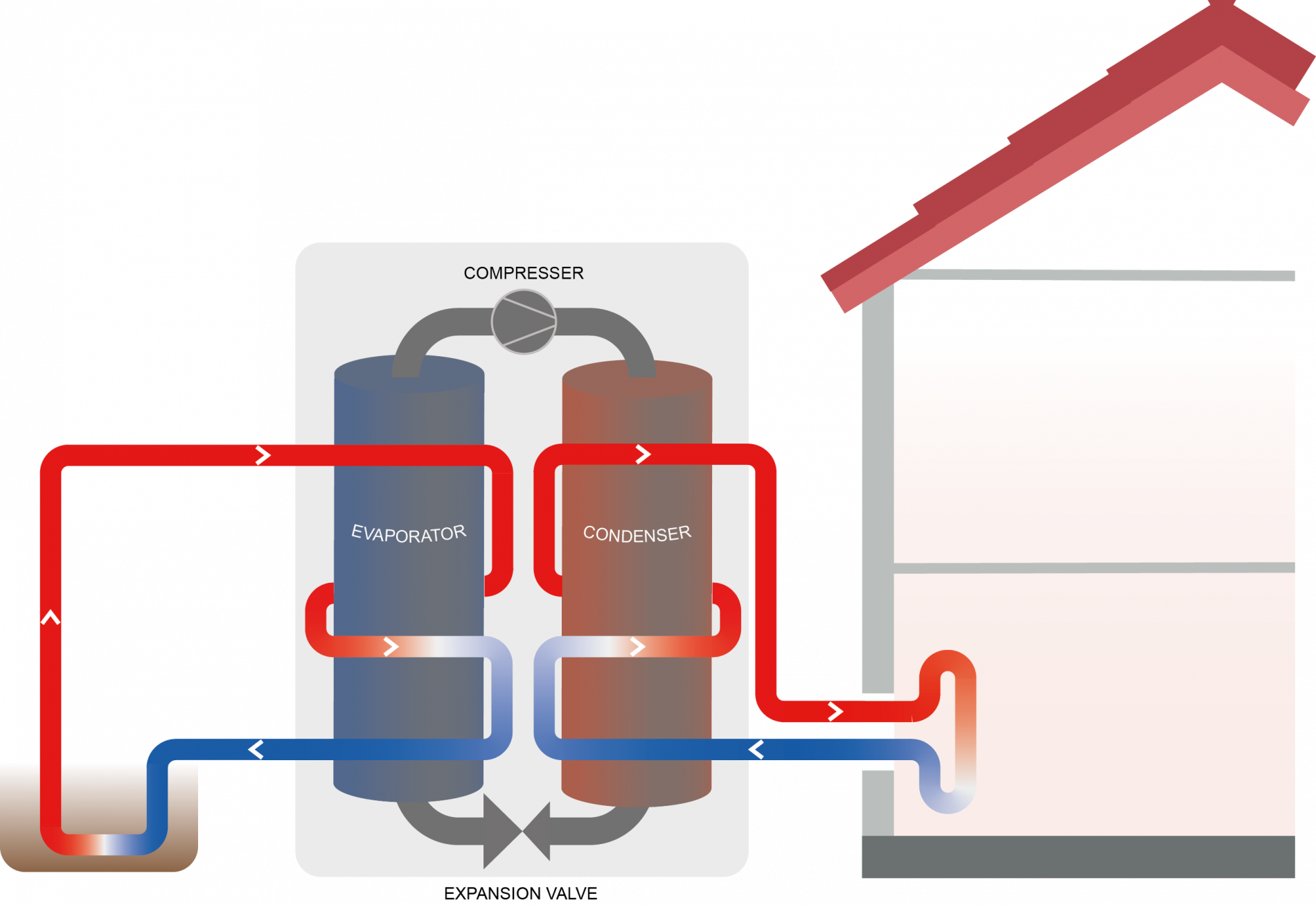
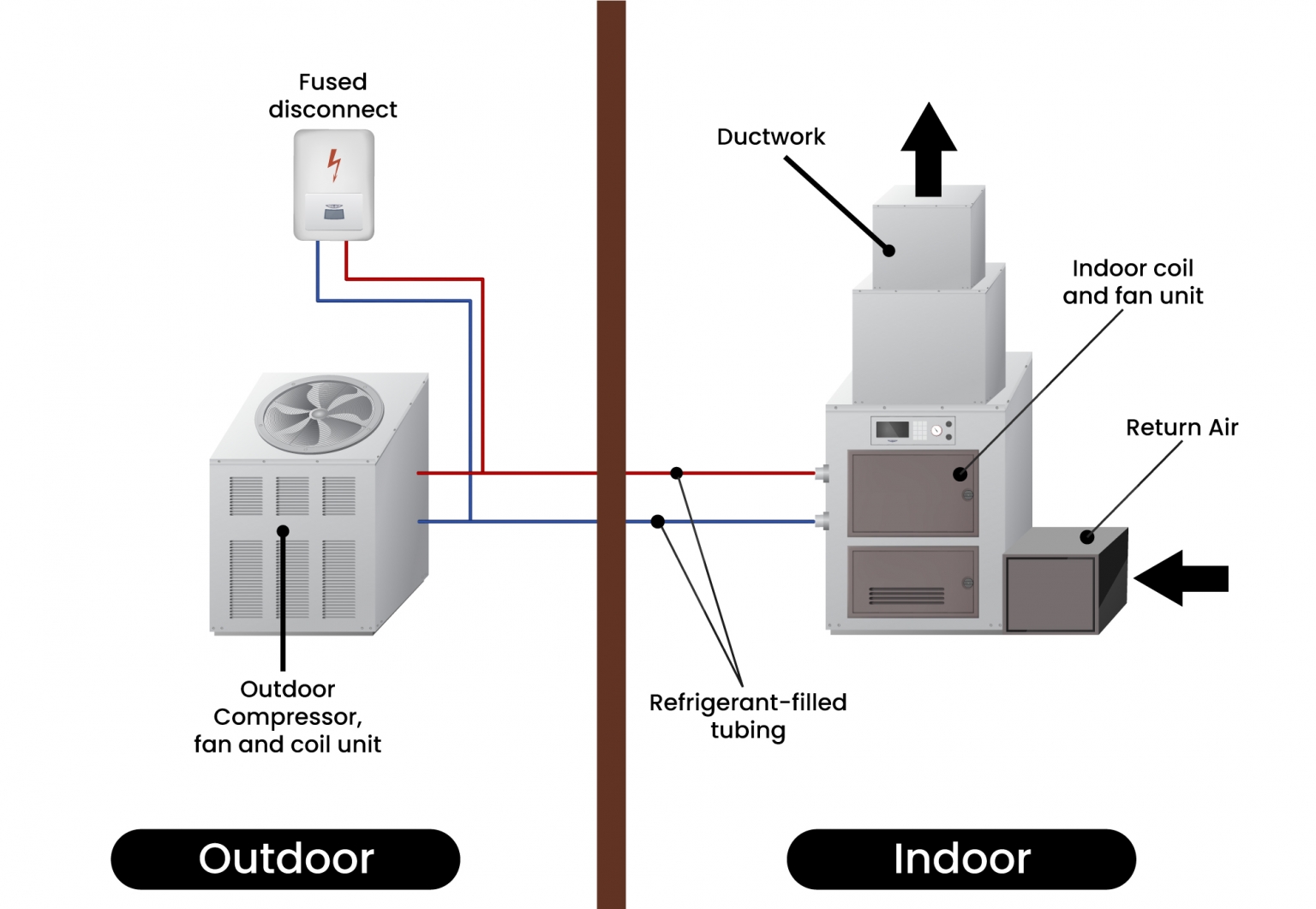
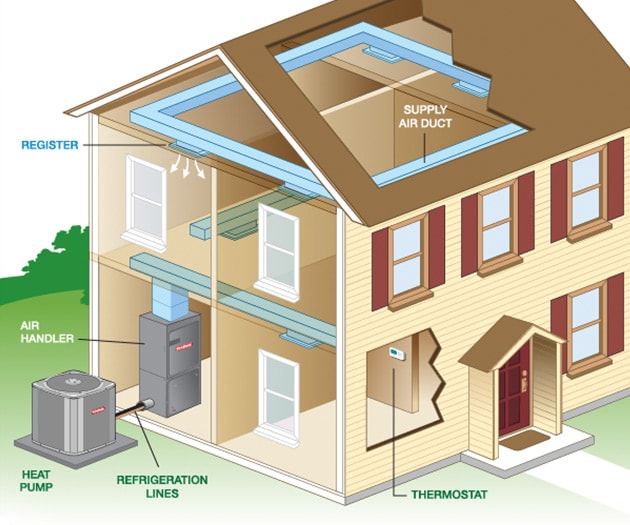
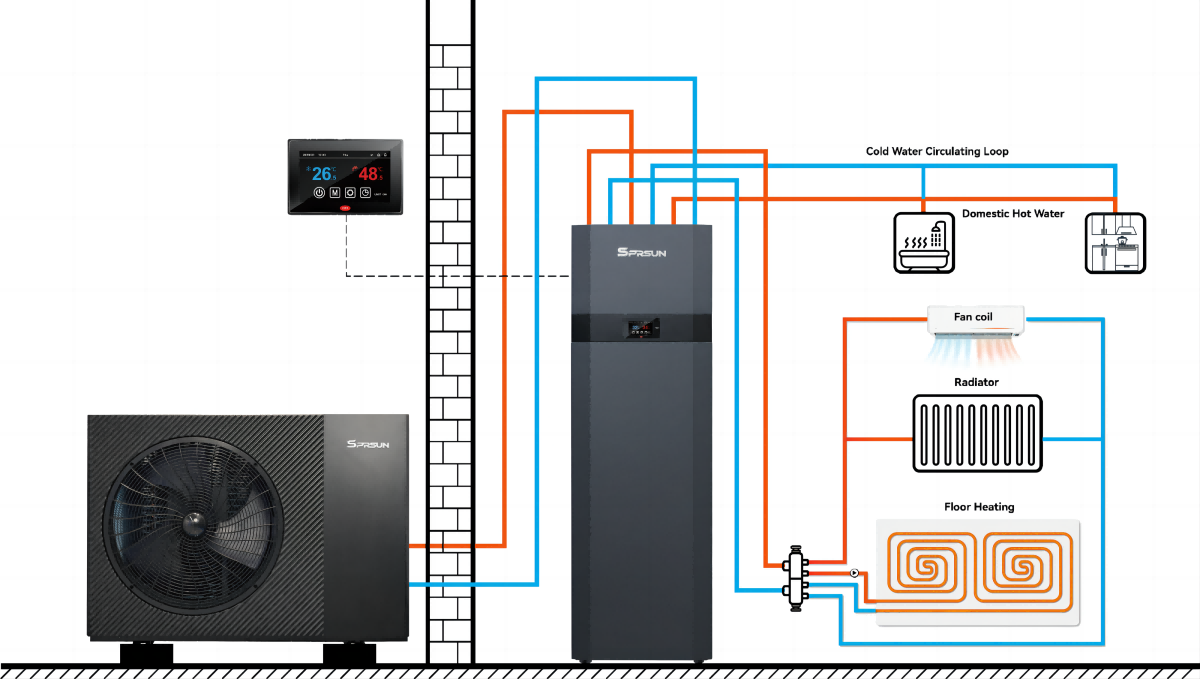
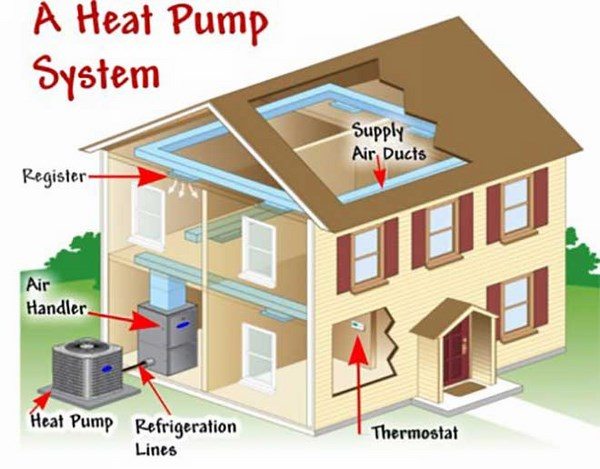
A heat pump isn't a single unit; it's a system comprised of two main components: the outdoor unit (condenser) and the indoor unit (air handler). Understanding where each is located is the first step in optimizing your heat pump's performance.
The Outdoor Unit: Your Gateway to Ambient Energy
The outdoor unit, often referred to as the condenser, plays a critical role in extracting heat from the outside air (even in cold temperatures!) during heating mode, and expelling heat during cooling mode. This unit is almost always located:
- Outside the Home or Building: Typically situated on a concrete pad, mounted on a wall, or less commonly, placed on the roof.
- Close to the Building's Exterior Wall: This minimizes the length of refrigerant lines connecting it to the indoor unit, improving efficiency and reducing energy loss. Shorter refrigerant lines translate to lower operating costs.
- With Ample Clearance: It needs at least 12-24 inches of clearance around it to ensure proper airflow. Obstructions like bushes, snowdrifts, or piled-up debris can severely hamper its performance and increase energy consumption. Think of it like this: a blocked vent on a clothes dryer dramatically increases drying time and energy use; the same principle applies to your heat pump's outdoor unit.
- Protected from the Elements (to a Degree): While designed to withstand the outdoors, excessive exposure to direct sunlight or heavy snowfall can impact efficiency and longevity. A small awning or strategically planted deciduous tree (providing shade in summer and sunlight in winter) can help.
ROI Alert: Properly clearing the area around your outdoor unit can improve its efficiency by as much as 25%, according to studies by the Department of Energy. That's a significant saving reflected directly in your energy bill.
The Indoor Unit: Distributing Comfort Throughout Your Space
The indoor unit, also known as the air handler, is responsible for circulating heated or cooled air throughout your home or building. Its location varies depending on the type of system:
- For Ducted Systems: The air handler is typically located in the attic, basement, crawlspace, or a utility closet. It connects to a network of ductwork that distributes air to different rooms. Often, it replaces or integrates with a traditional furnace.
- For Ductless Mini-Split Systems: These systems feature individual indoor units (heads) mounted on walls or ceilings in different rooms. Each head serves a specific zone, offering personalized temperature control.
Regardless of the type, consider these factors regarding the indoor unit's location:
- Centralized Location (for ducted systems): A central location minimizes ductwork runs, reducing air leakage and improving overall efficiency. Long, convoluted duct runs can lead to significant energy loss.
- Accessible for Maintenance: Ensure easy access for filter changes, cleaning, and repairs. Neglecting these tasks can dramatically decrease efficiency and shorten the unit's lifespan.
- Away from Obstructions: Just like the outdoor unit, the indoor unit needs sufficient airflow. Don't block vents or registers with furniture or curtains.
Data Point: According to Energy Star, properly sealed and insulated ductwork in ducted systems can reduce energy waste by up to 20%. That's free money flowing out of leaky ducts!
Optimizing Heat Pump Location for Peak Performance
Beyond the basic placement guidelines, there are several ways to optimize your heat pump's location for maximum efficiency and cost savings:
- Sunlight and Shading: As mentioned earlier, strategically planting trees or installing awnings can shield the outdoor unit from direct sunlight during the hottest parts of the day, reducing its workload and energy consumption.
- Wind Protection: In windy areas, consider installing a windbreak to shield the outdoor unit. Strong winds can negatively impact its performance, especially during heating mode.
- Elevated Placement (in snowy regions): Elevating the outdoor unit on a platform can prevent snow accumulation from blocking airflow and damaging the unit.
- Noise Considerations: While modern heat pumps are relatively quiet, consider the unit's proximity to bedrooms or living areas when determining its location. Strategic placement can minimize noise disturbance.
Integrating Smart Technology for Enhanced Control
Smart thermostats and sensors can significantly enhance the performance and efficiency of your heat pump, regardless of its location. These technologies offer features like:
- Zoned Heating and Cooling: Allows you to control the temperature in different zones of your home or building, eliminating wasted energy in unoccupied areas.
- Smart Scheduling: Automatically adjusts the temperature based on your schedule, ensuring comfort when you're home and energy savings when you're away.
- Remote Monitoring and Control: Allows you to monitor and control your heat pump from anywhere using your smartphone or tablet.
- Weather-Aware Operation: Automatically adjusts the heat pump's settings based on the current weather conditions, optimizing performance and efficiency.
- Fault Detection and Alerts: Can detect potential problems with your heat pump and send alerts, allowing you to address issues before they escalate into costly repairs.
Smart Home Integration: Smart thermostats learn your habits and preferences over time, automatically adjusting the temperature to maximize comfort and energy savings. This requires placement in a central zone that represents your general preferences.
Rebates and Incentives: Many utility companies offer rebates and incentives for installing smart thermostats and energy-efficient heat pumps. Check with your local utility provider for details. According to the Consortium for Energy Efficiency, some rebates can cover up to 50% of the cost of a smart thermostat.
Working with HVAC Professionals: Expertise and Guidance
Choosing the right location for your heat pump is a critical decision that can impact its performance, efficiency, and lifespan. Consulting with a qualified HVAC contractor is highly recommended. A professional can:
- Assess Your Specific Needs: Consider your home's or building's layout, climate, and energy consumption patterns.
- Recommend the Optimal Location: Based on their expertise and experience.
- Ensure Proper Installation: Following manufacturer guidelines and local building codes.
- Provide Ongoing Maintenance: Keeping your heat pump running efficiently for years to come.
Contractor Tip: When talking to your HVAC contractor, ask about Seasonal Energy Efficiency Ratio (SEER) and Heating Season Performance Factor (HSPF). Higher ratings mean better efficiency and lower energy bills. Energy Star certified models meet stringent performance standards.
Troubleshooting Common Location-Related Issues
Even with proper placement, issues can arise due to location-related factors. Here are some common problems and solutions:
- Frozen Outdoor Unit: While some frost is normal, excessive ice buildup can indicate a problem. Ensure proper airflow around the unit and consult with an HVAC technician if the issue persists.
- Loud Noises: Unusual noises coming from either the indoor or outdoor unit can indicate a mechanical problem. Turn off the unit and contact an HVAC technician for inspection.
- Uneven Heating or Cooling: This can be caused by blocked vents, leaky ductwork, or an undersized heat pump. Address any airflow obstructions and consider having your ductwork inspected for leaks.
- High Energy Bills: If your energy bills are higher than expected, it could indicate a problem with your heat pump's efficiency. Schedule a professional tune-up to ensure it's running optimally.
Conclusion: Location Matters for Heat Pump Efficiency
In conclusion, the location of your heat pump's indoor and outdoor units plays a crucial role in its overall performance and energy efficiency. By understanding the factors discussed in this article and working with qualified HVAC professionals, you can ensure that your heat pump is operating at its peak potential, saving you money and reducing your environmental impact. Don't underestimate the power of proper placement – it's a key ingredient in achieving a comfortable, energy-efficient home or building. Remember to check with your local and federal guidelines for more information and incentives related to energy efficiency. It will all add up to a greater ROI in the long run.