Where Is Ac Evaporator Coil Located
One of the most frustrating experiences for a homeowner, especially during the sweltering summer months, is a malfunctioning air conditioner. You crank it up, expecting a cool blast of relief, but instead, you're met with weak airflow, lukewarm air, or even no air at all. While there could be numerous reasons behind this, a common culprit is a problem with your AC's evaporator coil.
Often, homeowners are unaware of where this crucial component resides and how a problem there can impact their entire cooling system. This article aims to demystify the evaporator coil, explain its location, and guide you through some basic troubleshooting steps. We'll also clearly identify when it's time to call in the professionals.
Understanding the AC Evaporator Coil
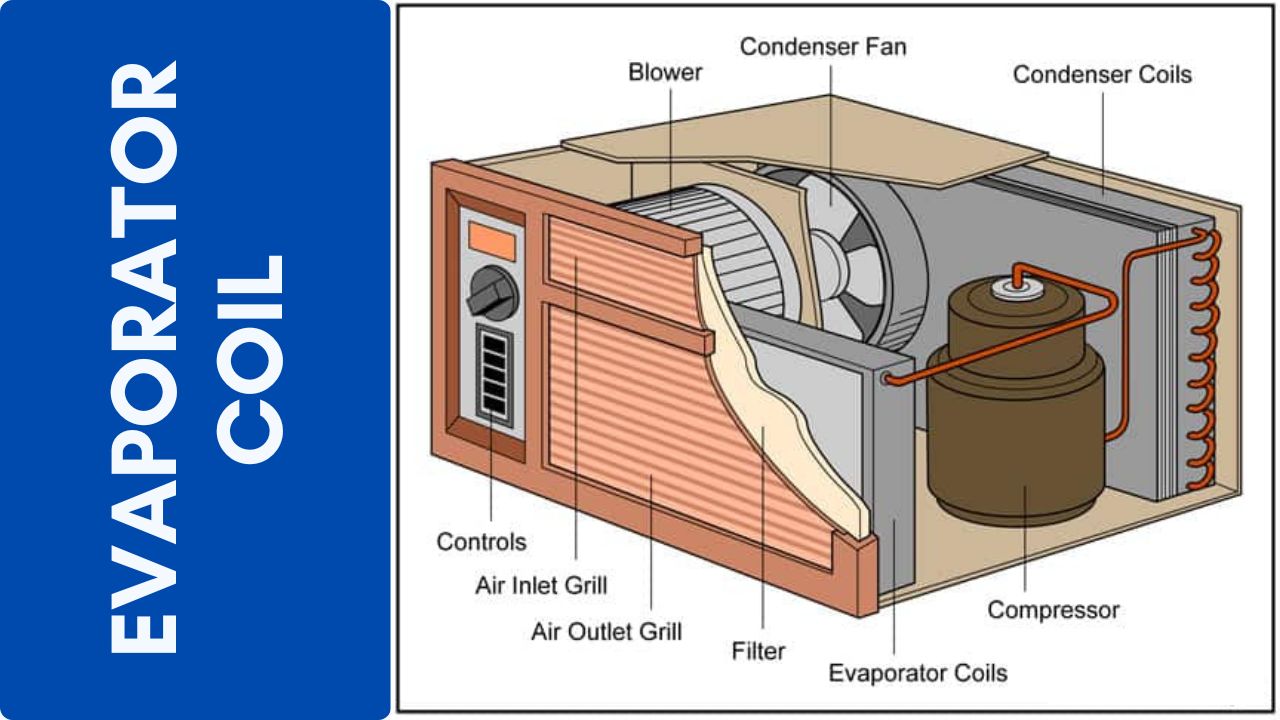
Before we dive into location and troubleshooting, let's briefly understand what the evaporator coil does. Simply put, it's the part of your AC system responsible for cooling the air. Refrigerant, in a liquid state, flows through the coil. As warm air from your home passes over the coil, the refrigerant absorbs the heat and evaporates, turning into a gas. This process cools the air, which is then circulated back into your home. A faulty or dirty evaporator coil compromises this process, leading to inadequate cooling.
Locating the Evaporator Coil: A Step-by-Step Guide
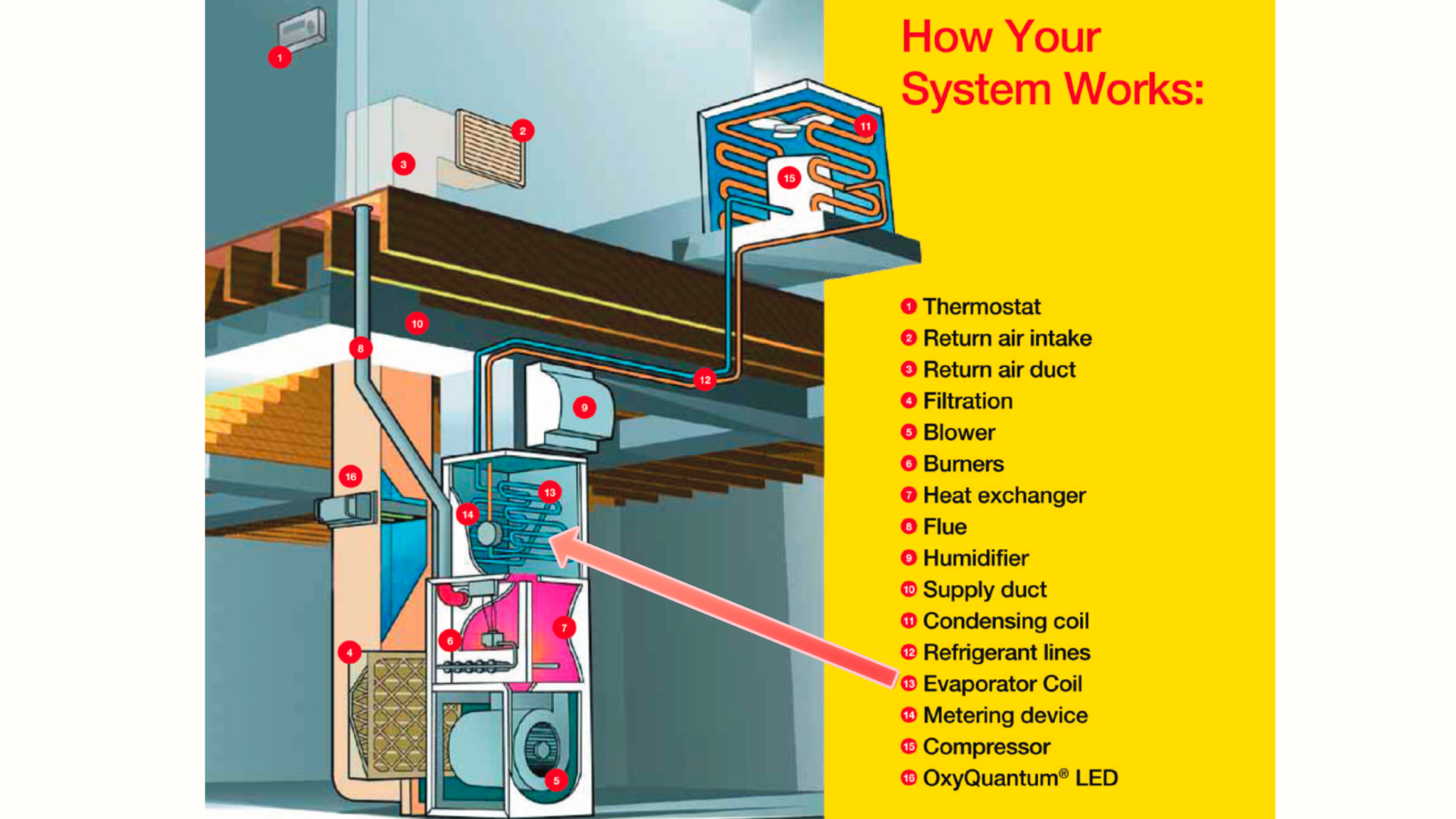
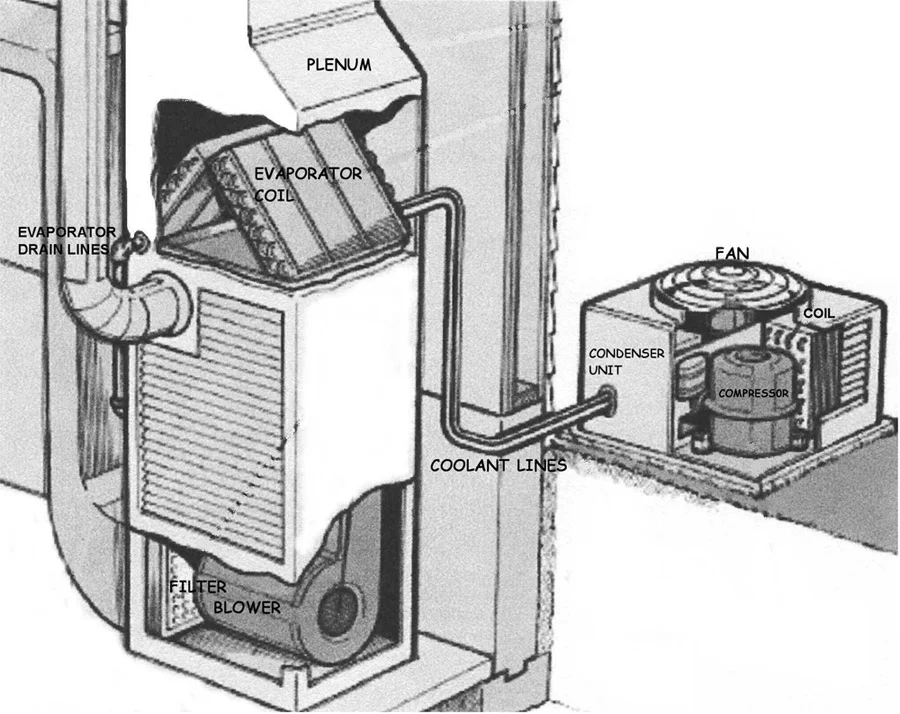
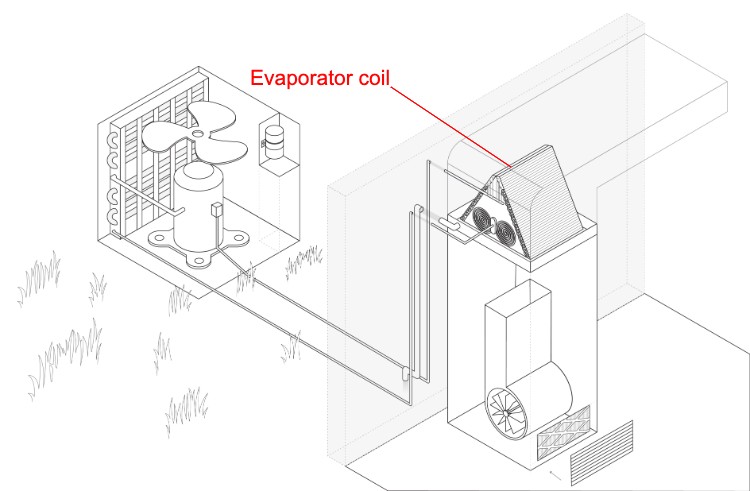
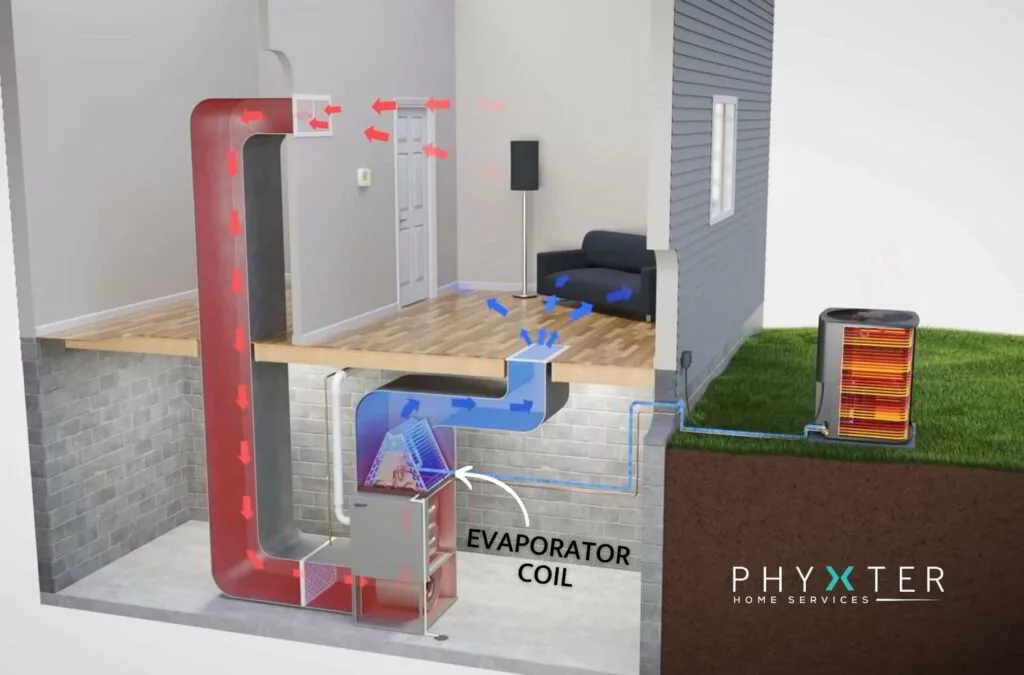
The evaporator coil is typically located inside your indoor air handler unit. This unit is often found in one of these places:
- Attic: Many homes, particularly in warmer climates, have the air handler in the attic.
- Basement: Another common location, especially in colder regions.
- Closet: Sometimes, the air handler is tucked away in a closet, often near a furnace or other utility equipment.
- Crawl Space: In some cases, it might be accessible through a crawl space.
Once you've located the air handler unit, follow these steps to pinpoint the evaporator coil:
Step 1: Safety First!
Before you do anything, turn off the power to your air handler at the circuit breaker. This is crucial to prevent electrical shock. Locate the breaker labeled "Air Handler," "Furnace," or something similar, and flip it to the "Off" position. Verify the power is off by checking that the unit doesn't power on when you set the thermostat to cool.
Step 2: Accessing the Air Handler
The air handler unit will have access panels, usually secured by screws or clips. You may need a screwdriver (typically a Phillips head) to remove these panels. Look for panels that appear to lead to the coils.
Step 3: Identifying the Evaporator Coil
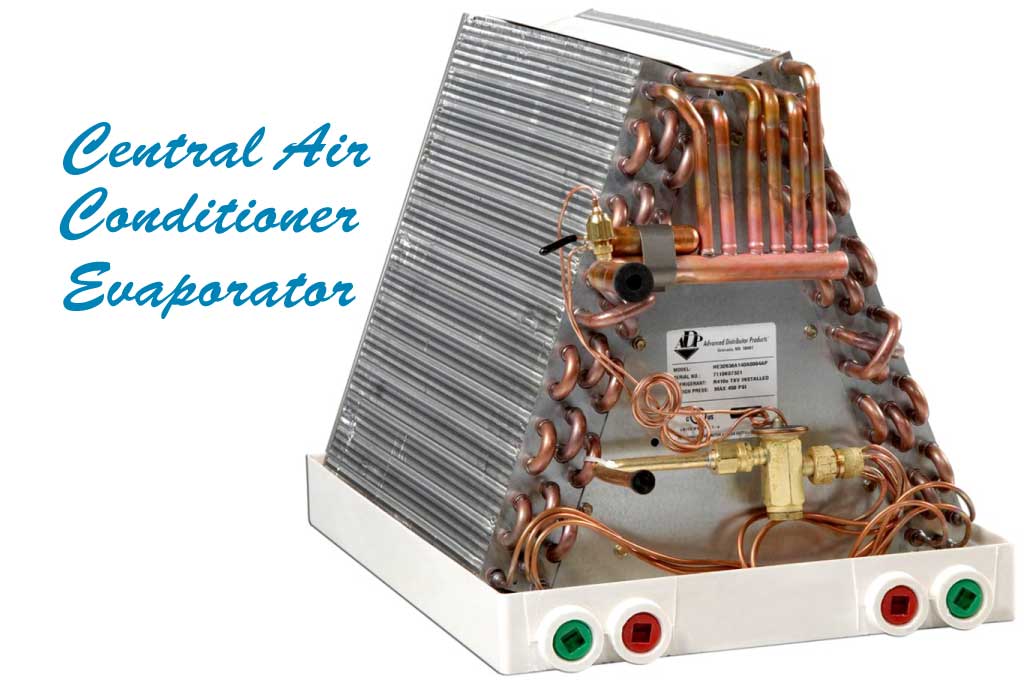
Once you've removed the access panel, you should see the evaporator coil. It's usually a series of copper tubes with aluminum fins attached. It often looks like a small radiator. You'll likely see a drain pan underneath the coil to collect condensation.
Important Note: Be careful when handling the coil. The aluminum fins are very delicate and can easily be bent or damaged. Avoid touching them unnecessarily.
Troubleshooting Common Evaporator Coil Problems
Now that you've located the evaporator coil, let's look at some common problems and how to address them:
Problem 1: Dirty Evaporator Coil
Symptoms: Reduced airflow, weak cooling, increased energy bills.
Diagnosis: Visually inspect the coil. If it's covered in dust, dirt, or debris, it's likely restricting airflow and reducing its cooling efficiency.
DIY Fix:
- Gentle Cleaning: Use a soft brush (like a paintbrush or a fin comb specifically designed for AC coils) to carefully remove loose debris. Work gently to avoid bending the fins.
- Coil Cleaner: You can purchase a specialized coil cleaner spray from your local hardware store. Follow the instructions on the can carefully. Typically, you'll spray the cleaner onto the coil, let it sit for a few minutes, and then rinse it off (if the product specifies rinsing). Make sure to have a towel to catch any cleaner that may drip.
- Filter Check: A dirty air filter is a major contributor to a dirty evaporator coil. Make sure your air filter is clean and replace it regularly (usually every 1-3 months).
Problem 2: Frozen Evaporator Coil
Symptoms: No cooling, ice buildup on the coil, water leaks (when the ice melts).
Diagnosis: Visually inspect the coil. If it's covered in ice, it's frozen.
DIY Fix:
- Turn Off the AC: Turn off your AC system (but leave the fan running) to allow the ice to melt. This may take several hours.
- Check the Air Filter: A clogged air filter is a common cause of a frozen coil. Replace it with a clean filter.
- Check for Blocked Vents: Ensure that all supply vents in your home are open and not blocked by furniture or curtains. Restricted airflow can cause the coil to freeze.
- Inspect the Blower Motor: Make sure the blower motor is running properly. If it's not blowing air across the coil, it can freeze. If you suspect a blower motor problem, you'll likely need a professional.
Important Note: After the ice has melted completely, turn the AC back on. If the coil freezes again quickly, there's likely a more serious underlying problem that requires professional attention.
Problem 3: Clogged Condensate Drain Line
Symptoms: Water leaks around the air handler unit, musty smell, overflowing drain pan.
Diagnosis: Inspect the condensate drain line, a PVC pipe that runs from the drain pan to a drain. If it's clogged, water will back up into the drain pan and overflow.
DIY Fix:
- Locate the Drain Line: Find the PVC drain line connected to the drain pan under the evaporator coil.
- Vacuum the Drain Line: Use a wet/dry vacuum to suck out any debris clogging the drain line. Place the vacuum hose over the end of the drain line (usually outside your home) and turn it on. This can often clear the clog.
- Pour Vinegar: Pour a cup of white vinegar down the drain line. Vinegar is a natural disinfectant and can help dissolve mold and mildew.
When to Call a Professional
While some evaporator coil problems can be addressed with simple DIY fixes, there are situations where professional help is essential. Never attempt repairs involving refrigerant lines or electrical components unless you are a qualified HVAC technician.
Here are some signs that you need to call a professional:
- Refrigerant Leaks: If you suspect a refrigerant leak (e.g., hissing sound, oily residue on the coil, consistently low cooling), do not attempt to fix it yourself. Refrigerant is a controlled substance, and handling it requires specialized equipment and training.
- Damaged Coil: If the coil is physically damaged (e.g., bent fins, punctured tubes), it may need to be repaired or replaced. This is best left to a professional.
- Frozen Coil Keeps Recurring: If your evaporator coil freezes repeatedly, even after you've cleaned the filter and checked for blocked vents, there's likely an underlying problem, such as a low refrigerant charge or a faulty compressor.
- Electrical Issues: If you suspect any electrical problems with the air handler unit, such as a faulty blower motor or a malfunctioning capacitor, call a qualified electrician or HVAC technician.
- You're Not Comfortable: If you're not comfortable working on your AC system, or if you're unsure about any of the steps described above, it's always best to err on the side of caution and call a professional.
Remember, attempting complex repairs without the proper knowledge and tools can be dangerous and can potentially damage your AC system further. It's always better to be safe than sorry.
Preventative Maintenance
The best way to avoid evaporator coil problems is to practice preventative maintenance. Here are some tips:
- Regularly Replace Air Filters: This is the single most important thing you can do to keep your AC system running smoothly.
- Schedule Annual Maintenance: Have a qualified HVAC technician inspect and service your AC system annually. They can clean the coils, check the refrigerant levels, and identify potential problems before they become major issues.
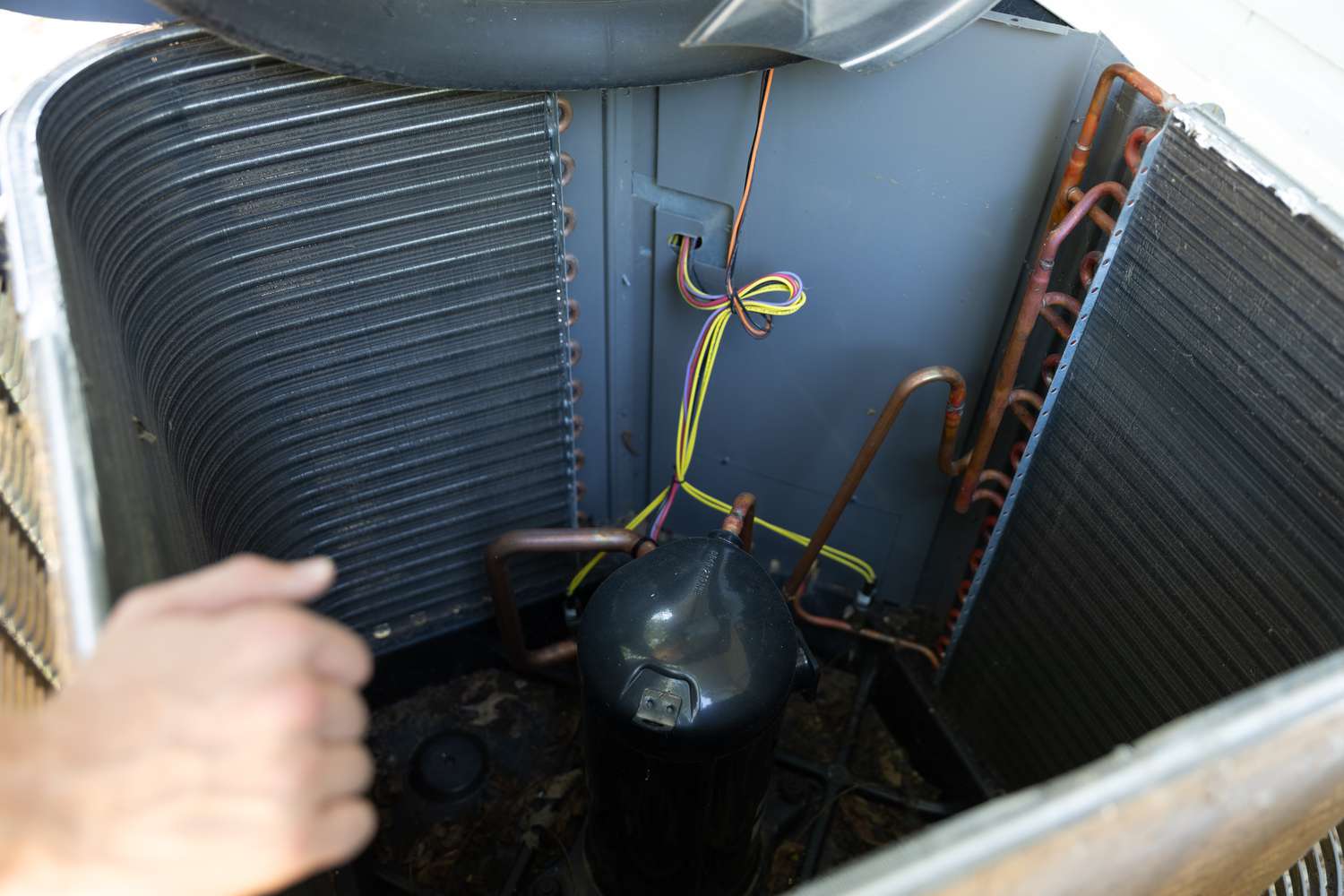
- Keep the Area Around the Outdoor Unit Clear: Make sure there is plenty of space around the outdoor unit for proper airflow. Trim back any bushes or plants that are blocking the unit.
- Keep Vents Clean and Unobstructed: Ensure that all supply and return vents in your home are clean and unobstructed.
By understanding where your AC evaporator coil is located, knowing the common problems, and taking proactive steps to maintain your system, you can keep your air conditioner running efficiently and extend its lifespan. Remember, when in doubt, call a qualified professional. Staying cool and comfortable shouldn't come at the expense of your safety or the health of your AC system.