Where Is Heat Exchanger In Furnace
Decoding the Furnace: Pinpointing the Heat Exchanger
For anyone involved in the HVAC industry, from aspiring technicians to seasoned professionals and employers seeking skilled talent, understanding the furnace is fundamental. And at the heart of every furnace lies a critical component: the heat exchanger. This article provides a comprehensive guide to locating the heat exchanger, its function, and why it's crucial for safety and efficiency.
The Heart of the Heating System: Understanding the Heat Exchanger's Role
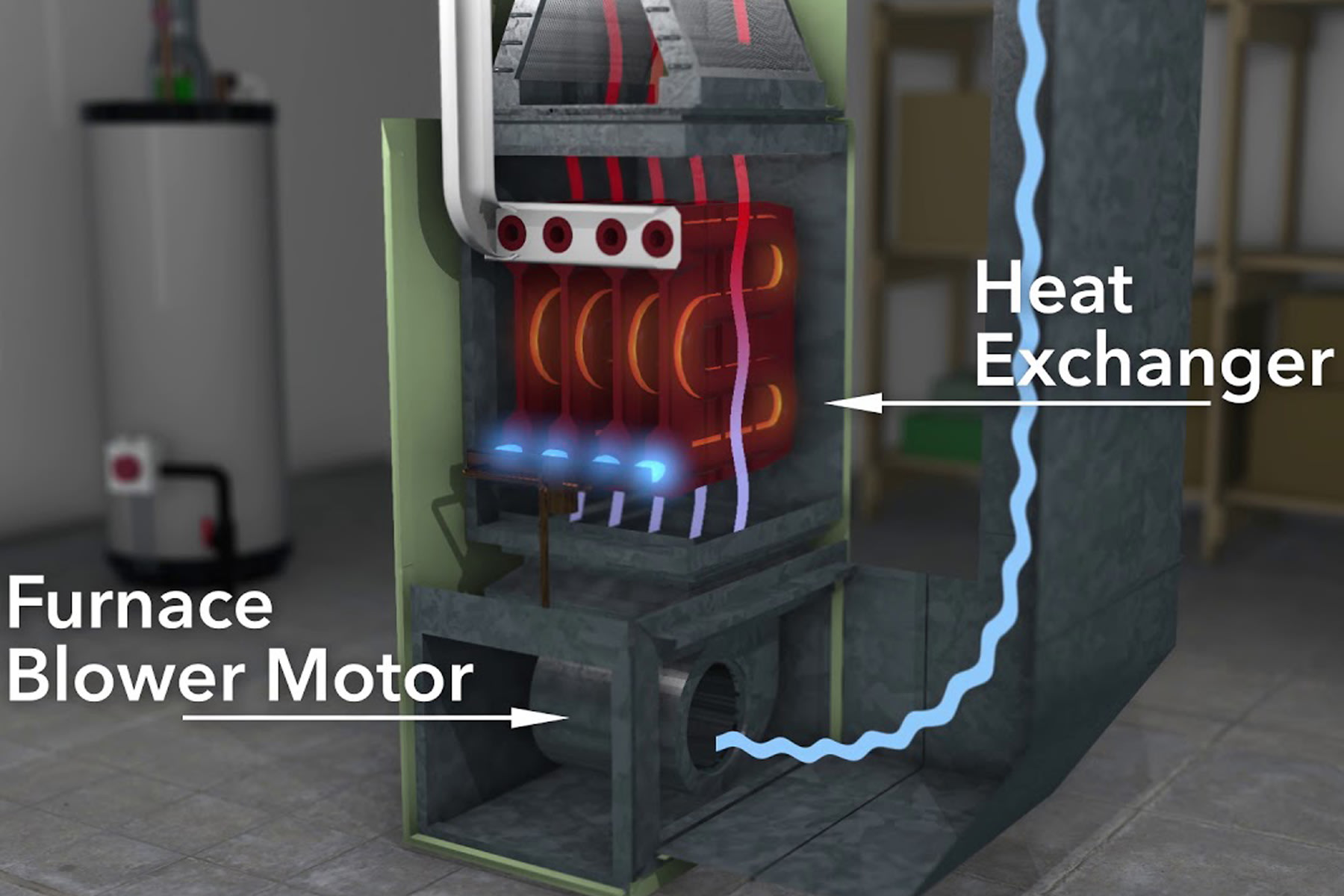
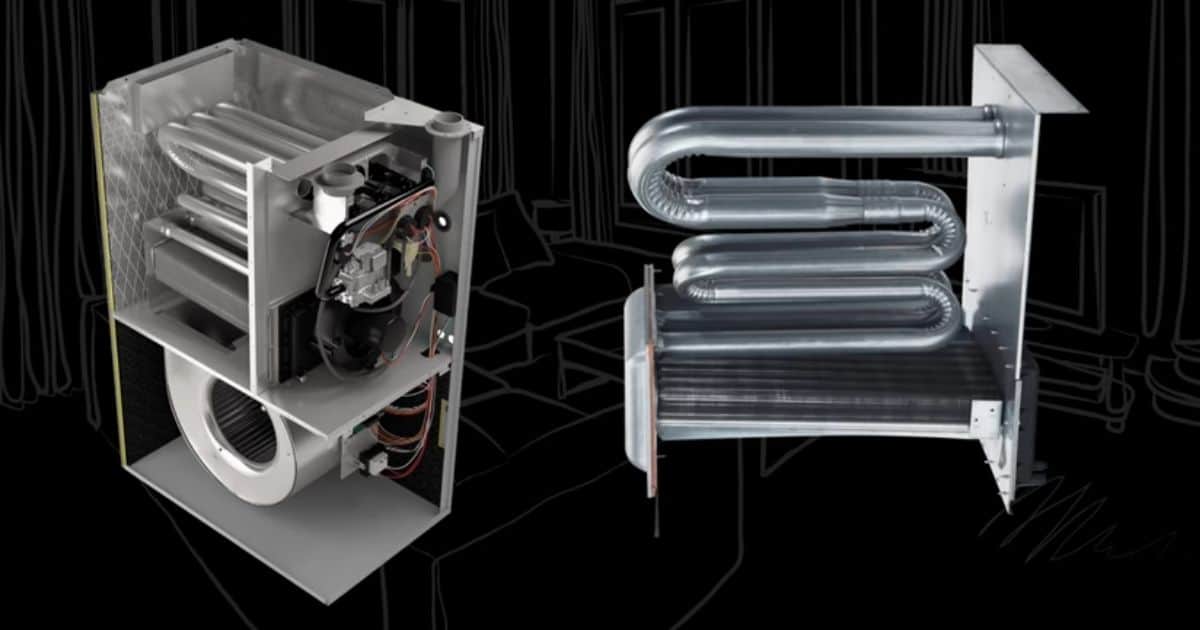
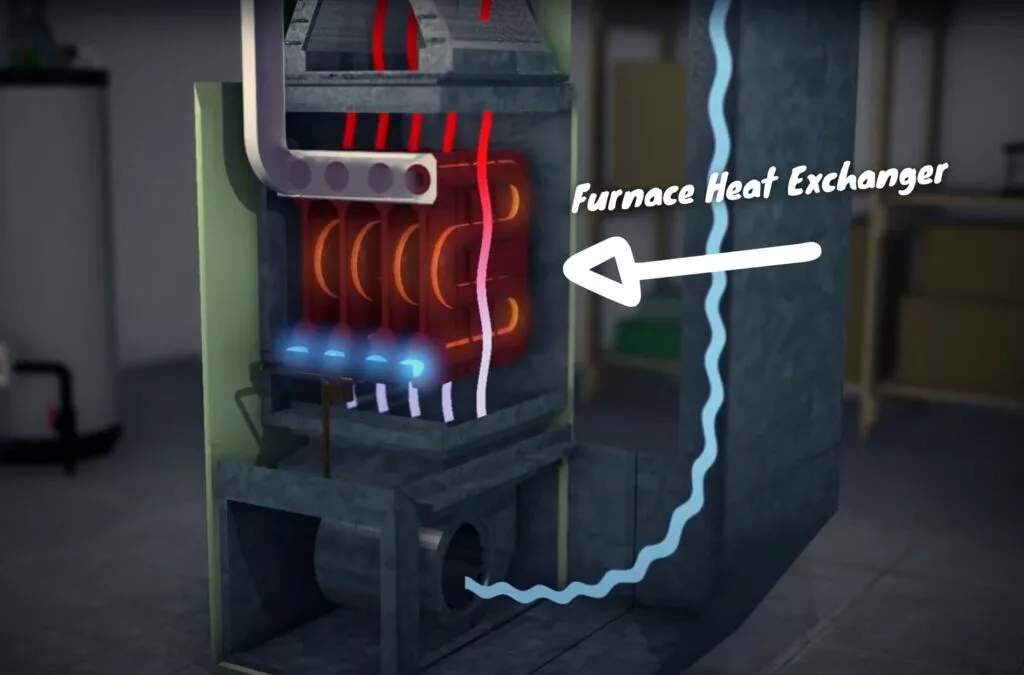
The heat exchanger is essentially the furnace's engine. Its primary function is to transfer heat generated by the combustion of fuel (natural gas, propane, or oil) to the air that circulates through your home. This process happens without the direct mixing of the combustion gases and the clean air, making it a critical safety component. Think of it as a highly efficient radiator within your furnace.
Failure of the heat exchanger can result in serious consequences, including carbon monoxide (CO) leaks, which are potentially deadly. Therefore, understanding its location and condition is paramount for HVAC technicians.
Where to Find the Heat Exchanger in Different Furnace Types
The location of the heat exchanger varies depending on the type of furnace. Here's a breakdown:
1. Upflow Furnaces:
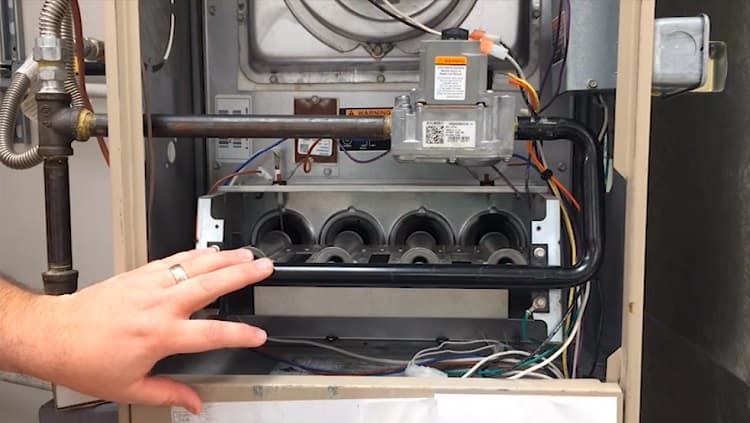
In an upflow furnace, air is drawn in from the bottom and heated air is expelled from the top. The heat exchanger is typically located above the burner assembly, near the center of the unit. You'll usually find it enclosed within a metal jacket or compartment.
Visual Cues: Look for a large, often rectangular or cylindrical, metallic structure above the burners. There will be ductwork connecting the blower motor to the base of the furnace to send air through the heat exchanger and out through the top vents.
2. Downflow Furnaces:
Downflow furnaces (also known as counterflow furnaces) draw air in from the top and discharge heated air from the bottom. Consequently, the heat exchanger is positioned below the burner assembly.
Visual Cues: Similar to upflow furnaces, the heat exchanger will be enclosed, but its location is key. Trace the airflow path to find it below the burners.
3. Horizontal Furnaces:
Horizontal furnaces are commonly found in attics or crawl spaces. They draw air in from one side and discharge heated air from the other. The heat exchanger will be located between the burner assembly and the blower motor, usually aligned horizontally within the furnace casing.
Visual Cues: Due to their layout, horizontal furnaces require careful inspection. Look for the heat exchanger nestled between the components. Often, access panels will be on the sides of the unit.
Identifying the Enclosure:
Regardless of the furnace type, the heat exchanger is almost always contained within a protective enclosure. This enclosure is typically made of metal and has access panels for inspection and maintenance. Safety warnings about high temperatures and carbon monoxide risks are often prominently displayed near these panels.
Pro Tip: Always consult the furnace's service manual or manufacturer specifications to pinpoint the exact location of the heat exchanger. These documents provide detailed diagrams and instructions tailored to the specific model.
The Importance of Heat Exchanger Inspections and Maintenance
Regular inspection and maintenance of the heat exchanger are crucial for several reasons:
- Safety: Detecting cracks or corrosion early can prevent dangerous carbon monoxide leaks.
- Efficiency: A clean heat exchanger transfers heat more effectively, reducing energy consumption and lowering utility bills.
- Longevity: Proper maintenance extends the lifespan of the furnace and prevents costly repairs.
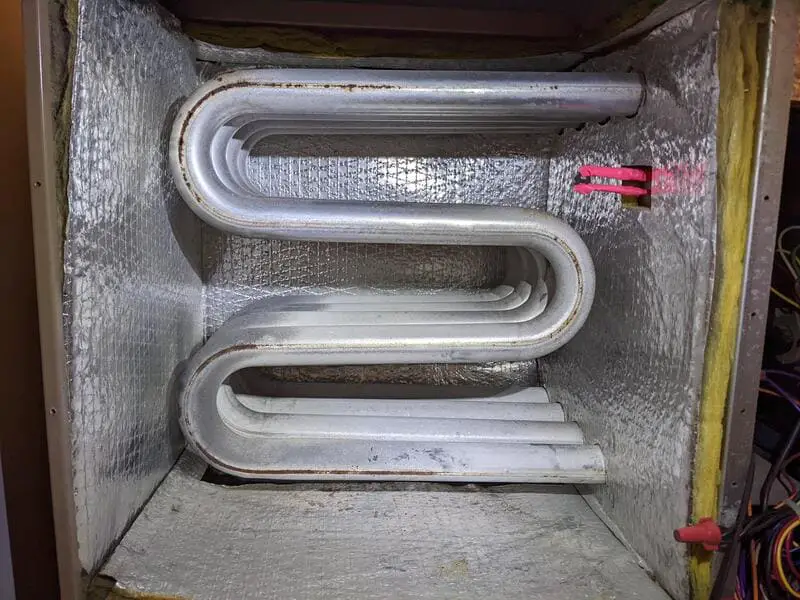
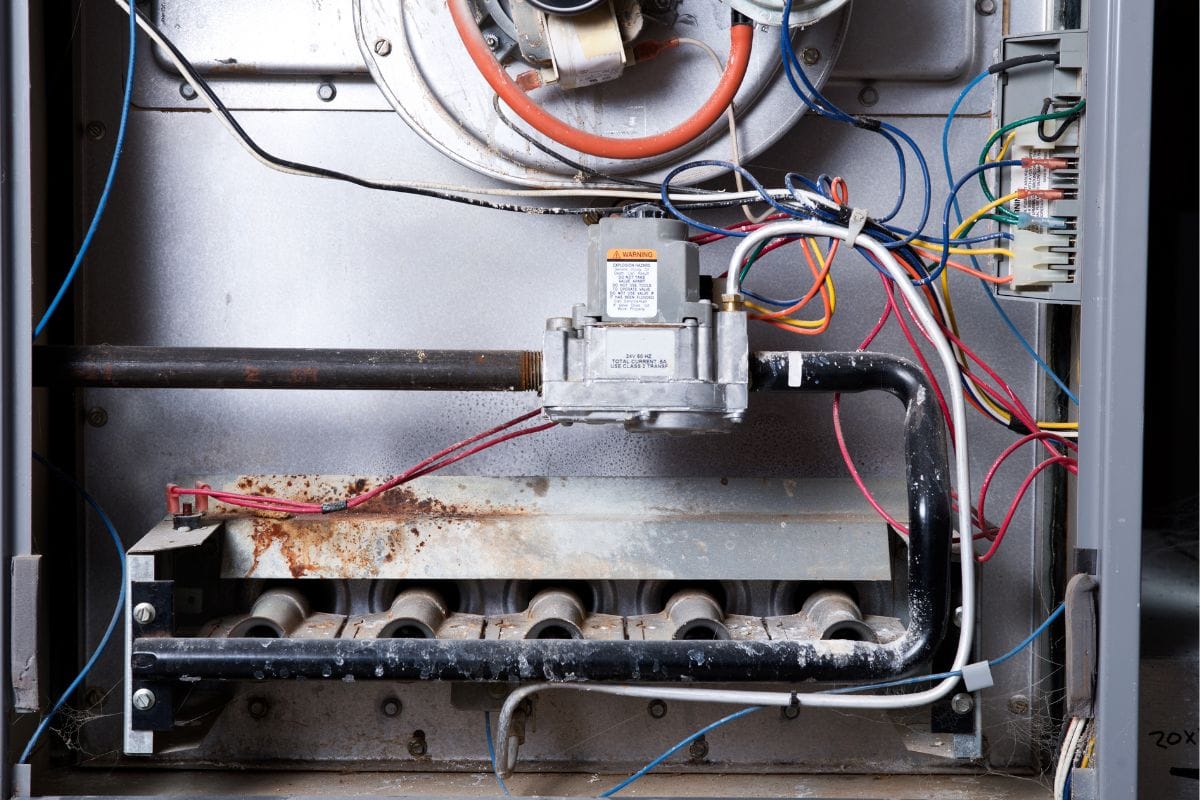
HVAC technicians should perform thorough visual inspections of the heat exchanger during routine maintenance calls. This includes checking for signs of:
- Cracks
- Corrosion
- Rust
- Soot buildup
- Deformation
Advanced diagnostic tools, such as combustion analyzers and CO detectors, can also be used to assess the heat exchanger's condition. Combustion analysis can reveal inefficiencies and potential problems with the combustion process, which could indicate a failing heat exchanger.
Career Opportunities in HVAC: A Growing Demand for Skilled Technicians
The HVAC industry is experiencing significant growth, driven by factors such as new construction, energy efficiency standards, and the increasing demand for climate control systems. The Bureau of Labor Statistics projects a growth rate of 6% for HVAC mechanics and installers over the next decade, creating numerous job opportunities for qualified professionals.
Salary Expectations:
The median annual wage for HVAC mechanics and installers was $51,390 in May 2022. The highest 10% earned more than $82,720. Salary can vary based on experience, location, and certifications.
Certifications That Enhance Your Career:
- NATE (North American Technician Excellence): NATE certification demonstrates a technician's competency and professionalism. Employers often prioritize hiring NATE-certified technicians.
- EPA 608 Certification: Required for technicians who handle refrigerants. This certification ensures compliance with environmental regulations.
- Manufacturer-Specific Certifications: Training and certification programs offered by furnace manufacturers enhance expertise with specific equipment.
Real-World Career Paths:
Entry-Level Technician: Graduates of HVAC programs typically start as entry-level technicians, assisting experienced technicians with installations and repairs.
Service Technician: With experience, technicians can specialize in service and maintenance, diagnosing and resolving HVAC system problems.
Installation Technician: Focuses on installing new HVAC systems in residential and commercial buildings.
HVAC Supervisor/Manager: Experienced technicians can advance to supervisory or management roles, overseeing teams of technicians and managing projects.
HVAC Business Owner: Many HVAC professionals eventually start their own businesses, providing HVAC services to their communities.
Employers: Investing in Training and Certification
For employers in the HVAC industry, investing in employee training and certification is crucial for maintaining a competitive edge and delivering high-quality services. Supporting technicians in obtaining certifications like NATE and EPA 608 demonstrates a commitment to professionalism and expertise.
Offering apprenticeship programs and ongoing training opportunities attracts and retains top talent. Furthermore, partnering with local trade schools and vocational programs can help build a pipeline of qualified HVAC professionals.
The Future of HVAC:
The HVAC industry is constantly evolving, with advancements in technology and increasing focus on energy efficiency and sustainability. Staying current with these trends is essential for HVAC professionals. This includes knowledge of:
- Smart thermostats and home automation systems
- High-efficiency furnaces and heat pumps
- Renewable energy sources, such as solar thermal and geothermal
- Building automation systems (BAS)
By continuously learning and adapting, HVAC technicians can thrive in this dynamic and rewarding field. Understanding the location, function, and maintenance of the heat exchanger remains a cornerstone of their expertise. As regulations and technological innovations continue to reshape the landscape, the demand for well-trained and certified HVAC professionals will only continue to grow. The next generation of professionals can leverage the opportunity presented by the industry's growth and technological advancement by staying abreast of the current information available and obtaining the certifications necessary to succeed.