Where Is Pilot Light On Furnace

Understanding the location of the pilot light on your furnace is crucial for both homeowners and HVAC professionals. While modern furnaces increasingly utilize electronic ignition systems, many older models, and even some newer, simpler designs, still rely on a pilot light to ignite the main burner. Knowing where to find it, and understanding its function, can save you time, money, and frustration, especially during the cold winter months.
Identifying Furnace Types: Pilot Light vs. Electronic Ignition
Before diving into the specifics of pilot light location, it's essential to differentiate between furnaces that use a pilot light and those employing electronic ignition. This will save you time searching for something that doesn't exist!
- Pilot Light Furnaces: These furnaces feature a small, constantly burning flame (the pilot light) that serves as the ignition source for the main burners when the thermostat calls for heat. These are typically older models, but are sometimes found in simpler, less expensive furnaces.
- Electronic Ignition Furnaces: These furnaces use an electronic spark or a hot surface igniter to ignite the main burners. They are more energy-efficient than pilot light furnaces because they don't constantly burn gas. Common types of electronic ignition include:
- Direct Spark Ignition (DSI): Uses a high-voltage spark to ignite the gas.
- Hot Surface Ignition (HSI): Employs a silicon carbide or nitride igniter that heats up to a very high temperature, igniting the gas when it comes into contact.
How to Tell the Difference: The easiest way to determine which type of furnace you have is to observe its behavior when it starts up. A pilot light furnace will have a small flame visible even when the furnace isn't actively heating. An electronic ignition furnace will typically have a brief clicking sound (DSI) or a glowing orange element (HSI) before the main burners ignite. Additionally, many furnaces have a label on the access panel indicating the type of ignition system used.
Locating the Pilot Light Assembly
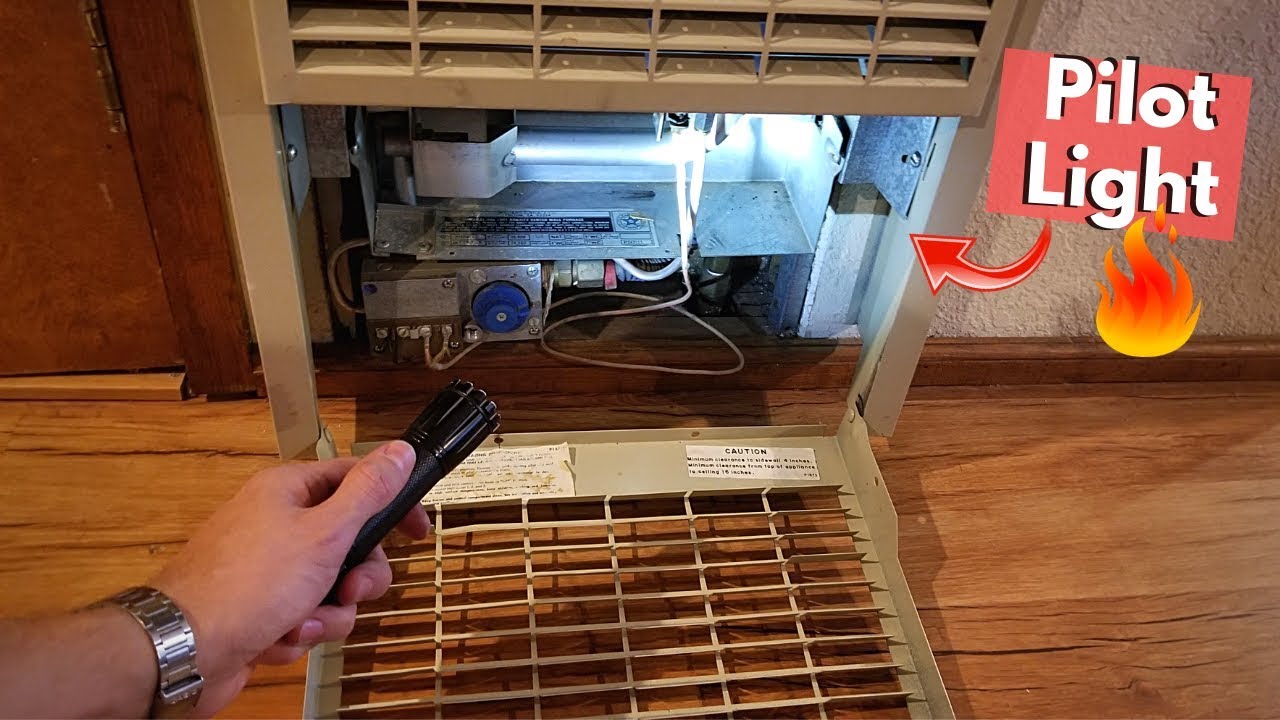
Assuming you've confirmed your furnace uses a pilot light, here's how to find it. The pilot light assembly is generally located within the burner compartment of the furnace. This compartment is usually behind a removable access panel, often secured with screws or clips. Always turn off the furnace power at the breaker before removing any access panels. Safety is paramount!
Here's a step-by-step guide:
- Turn off the Power: Locate the circuit breaker that controls the furnace and switch it to the "off" position. This prevents any electrical shock.
- Remove the Access Panel: Identify the access panel on the front of the furnace. It is typically a rectangular metal panel. Use a screwdriver or appropriate tool to remove any screws or clips securing the panel.
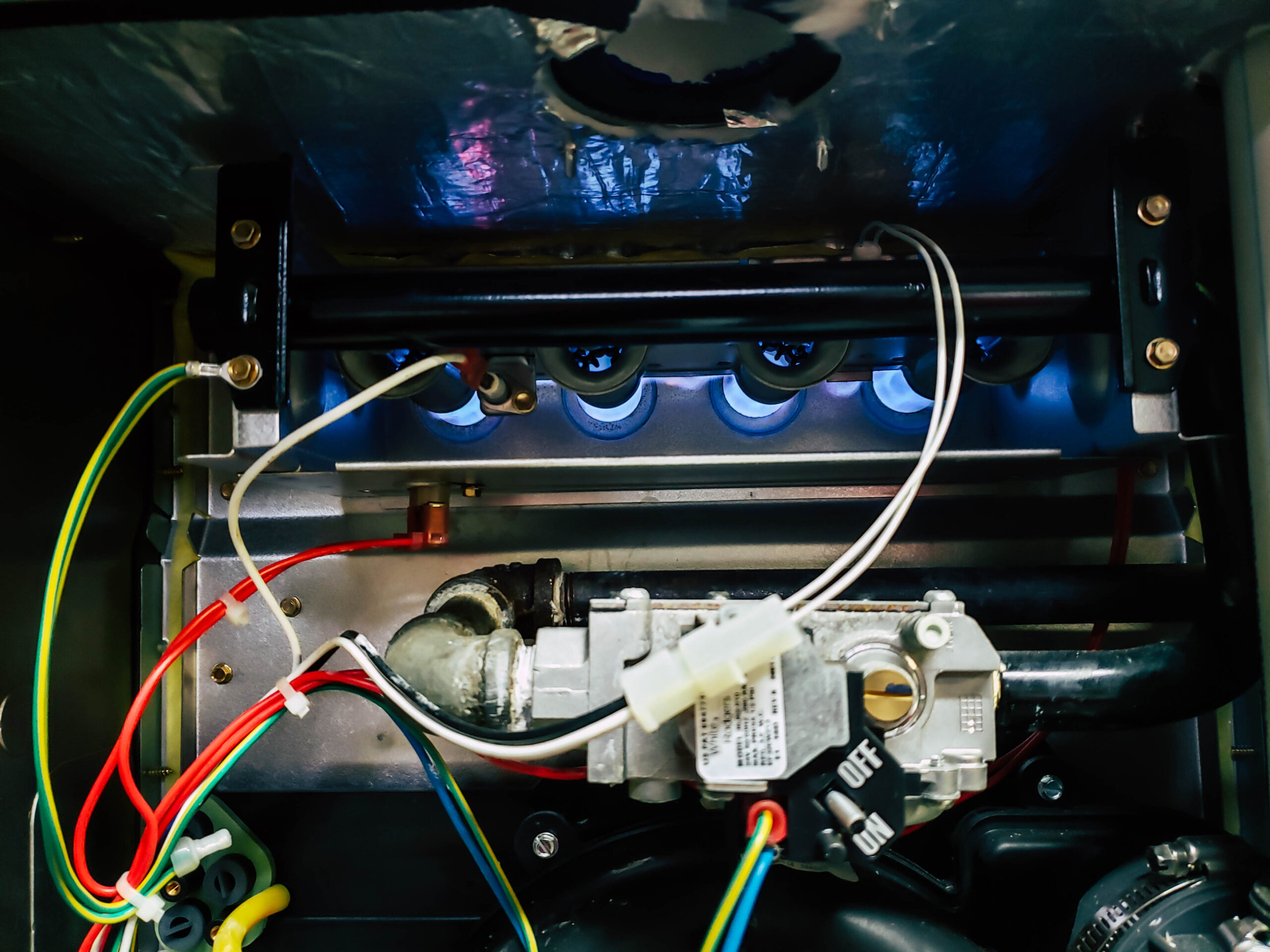
- Locate the Burner Compartment: Behind the access panel, you'll find the burner compartment. This is where the main burners and the pilot light assembly are located.
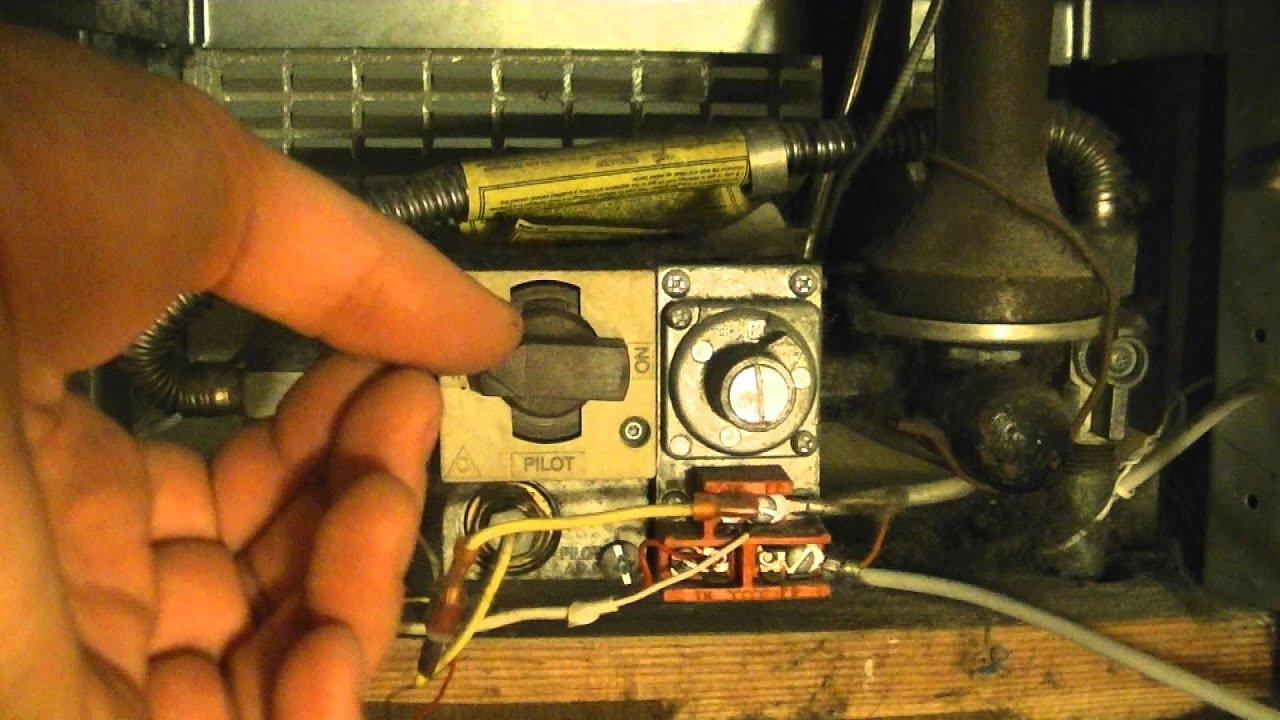
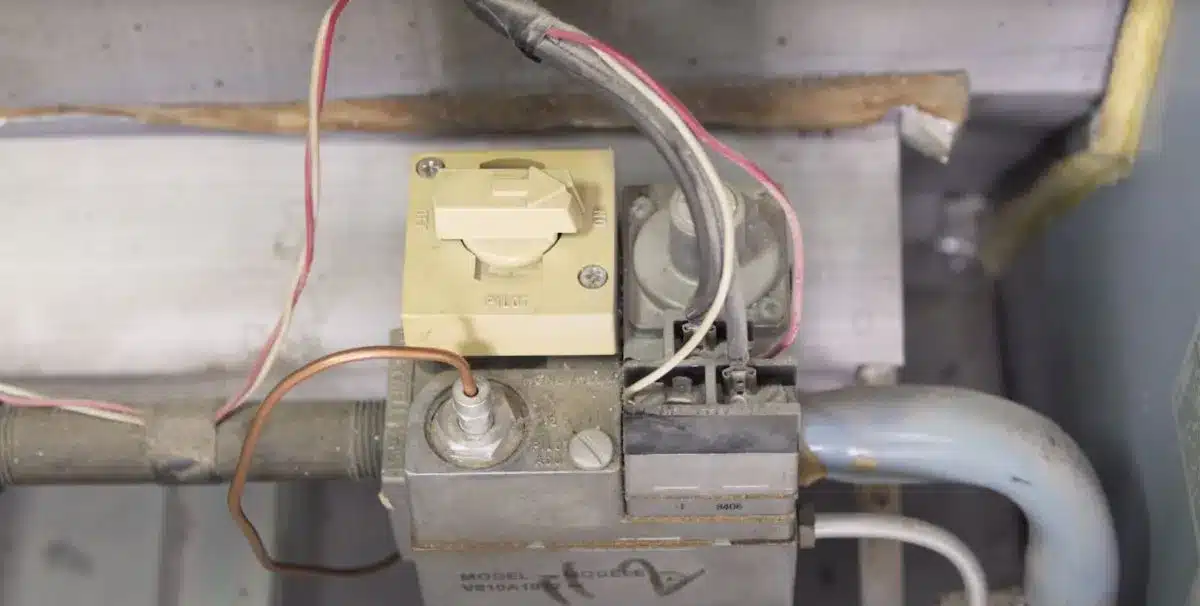
- Identify the Pilot Light Assembly: The pilot light assembly is usually a small, metal structure with a tiny opening for the pilot light flame. It's typically located near the main burners. You should see a small tube (the pilot gas line) connected to the assembly.
- Older Furnaces: May have a more exposed pilot light assembly.
- Newer Furnaces with Pilot Lights: Often have a more enclosed assembly with a small viewing window.
- Look for a Label or Diagram: Some furnaces have a label or diagram near the burner assembly that identifies the pilot light and other components.
Real-World Example: Imagine you're servicing an older Goodman furnace in a residential home. After removing the lower access panel, you see a row of burners. Tucked slightly behind the first burner, you find a small metal bracket holding a tiny nozzle. This is the pilot light assembly. A thin copper tube connects to this assembly, supplying the gas for the pilot light.
Common Pilot Light Issues and Troubleshooting
Knowing where the pilot light is located is only half the battle. Understanding common issues and how to address them is also essential.
- Pilot Light Won't Light: This could be due to a few reasons:
- No Gas Supply: Ensure the gas valve to the furnace is turned on. Also, check if other gas appliances are working (e.g., stove, water heater).
- Dirty Pilot Orifice: A clogged orifice can prevent gas from flowing properly. Use a small wire or needle to gently clean the orifice. Be extremely careful not to enlarge the opening.
- Faulty Thermocouple: The thermocouple is a safety device that senses the pilot light flame. If it fails, it will shut off the gas supply. A faulty thermocouple is a common cause of pilot light problems. Replacement is often the best solution.
- Drafts: Strong drafts can extinguish the pilot light. Ensure there are no air leaks around the furnace.
- Pilot Light Keeps Going Out: This could be due to:
- Weak Flame: A weak flame might not be strong enough to heat the thermocouple sufficiently. This could be due to low gas pressure or a partially clogged orifice.
- Dirty Flame Sensor: In some furnaces, a flame sensor (in addition to or instead of a thermocouple) detects the pilot light. A dirty sensor can prevent proper flame detection.
- Faulty Gas Valve: A malfunctioning gas valve could be intermittently cutting off the gas supply to the pilot light.
- Yellow or Flickering Flame: A healthy pilot light flame should be blue with a slight yellow tip. A yellow or flickering flame indicates incomplete combustion, which could be due to:
- Lack of Oxygen: Ensure there is adequate ventilation around the furnace.
- Dirty Burners: Clean the main burners to ensure proper airflow.
Cost Considerations: Replacing a thermocouple typically costs between $50 and $150, including parts and labor. Cleaning a pilot orifice is a simple task that can often be done by the homeowner, saving on service call fees. However, if you're not comfortable working with gas appliances, it's always best to call a qualified HVAC technician.
Pilot Light Maintenance and Safety
Regular maintenance is crucial for ensuring the safe and efficient operation of your pilot light furnace.
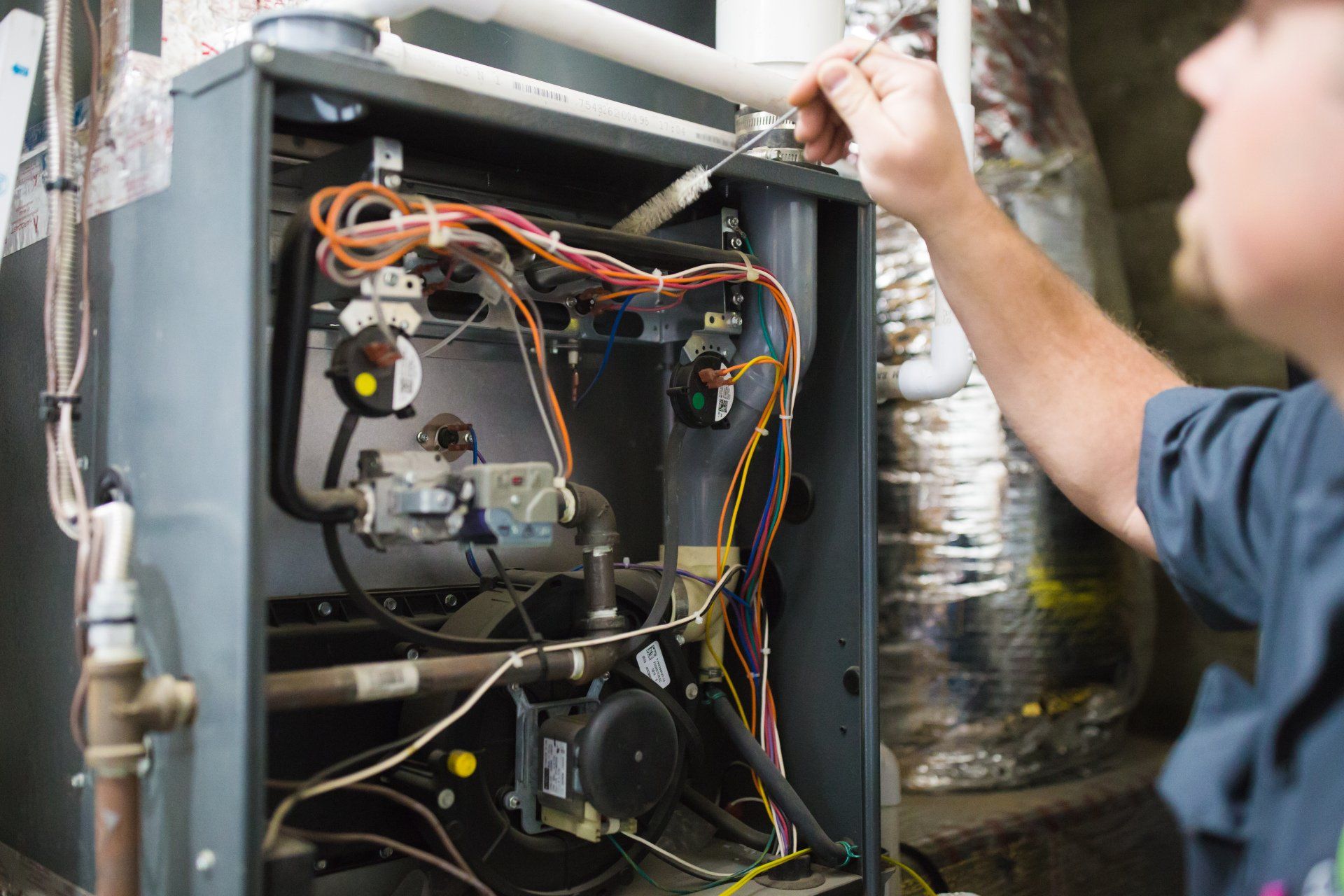
- Annual Inspection: Schedule an annual inspection by a qualified HVAC technician. They can thoroughly inspect the furnace, clean the burners, and check the pilot light assembly.
- Cleanliness: Keep the area around the furnace clean and free of debris. Dust and dirt can accumulate on the burners and pilot light assembly, affecting performance.
- Carbon Monoxide Detectors: Install carbon monoxide detectors on every level of your home, especially near sleeping areas. Carbon monoxide is a colorless, odorless gas that can be deadly.
Safety First: Never attempt to repair or troubleshoot a gas appliance if you're not comfortable working with gas. Always call a qualified HVAC technician. Gas leaks can be extremely dangerous and can lead to explosions or carbon monoxide poisoning. If you suspect a gas leak, evacuate your home immediately and call your gas company from a safe location.
Alternatives to Pilot Light Furnaces: Weighing the Options
While pilot light furnaces can be reliable, they are generally less energy-efficient than furnaces with electronic ignition. If you're considering replacing your furnace, it's worth exploring the alternatives.
- High-Efficiency Furnaces: These furnaces utilize electronic ignition and other advanced technologies to achieve higher efficiency ratings (AFUE - Annual Fuel Utilization Efficiency).
- Condensing Furnaces: Can achieve AFUE ratings of 90% or higher. They extract more heat from the combustion gases by condensing the water vapor produced during combustion.
- Non-Condensing Furnaces: Typically have AFUE ratings of 80-90%.
- Heat Pumps: Heat pumps transfer heat rather than generating it, making them a very efficient heating option, especially in milder climates. They can also provide cooling in the summer.
Efficiency and Lifespan: High-efficiency furnaces can significantly reduce your energy bills compared to older pilot light furnaces. The initial cost is higher, but the long-term savings can be substantial. A well-maintained furnace can last 15-20 years, regardless of the ignition type.
Cost Comparison: Replacing an old pilot light furnace with a new high-efficiency furnace can cost anywhere from $3,000 to $7,000 or more, depending on the size and efficiency of the unit. However, energy savings can offset this cost over time. Heat pumps can range from $4,000 to $8,000 or more, including installation.
Example: A homeowner upgrading from an 80% AFUE pilot light furnace to a 95% AFUE condensing furnace could save 15% on their annual heating bill. Over the lifespan of the furnace, these savings can add up to thousands of dollars.
In conclusion, while pilot light furnaces have served many homes reliably for years, understanding their location and function is crucial for safe operation and maintenance. When considering replacing an older furnace, exploring the benefits of modern, high-efficiency alternatives can lead to significant energy savings and improved comfort.
:max_bytes(150000):strip_icc()/checking-the-furnace-77890266-5c50db64c9e77c0001d76385.jpg)