Where Is Temperature Sensor In Thermostat

Understanding where your thermostat's temperature sensor is located is crucial for optimizing your HVAC system's performance and achieving significant energy savings. Whether you're a homeowner aiming to lower your utility bills, a business investing in energy-efficient upgrades, or a smart home enthusiast integrating smart thermostats, knowing the sensor's placement and potential issues can lead to improved comfort and reduced costs.
The Traditional Thermostat: A Single Point of Truth
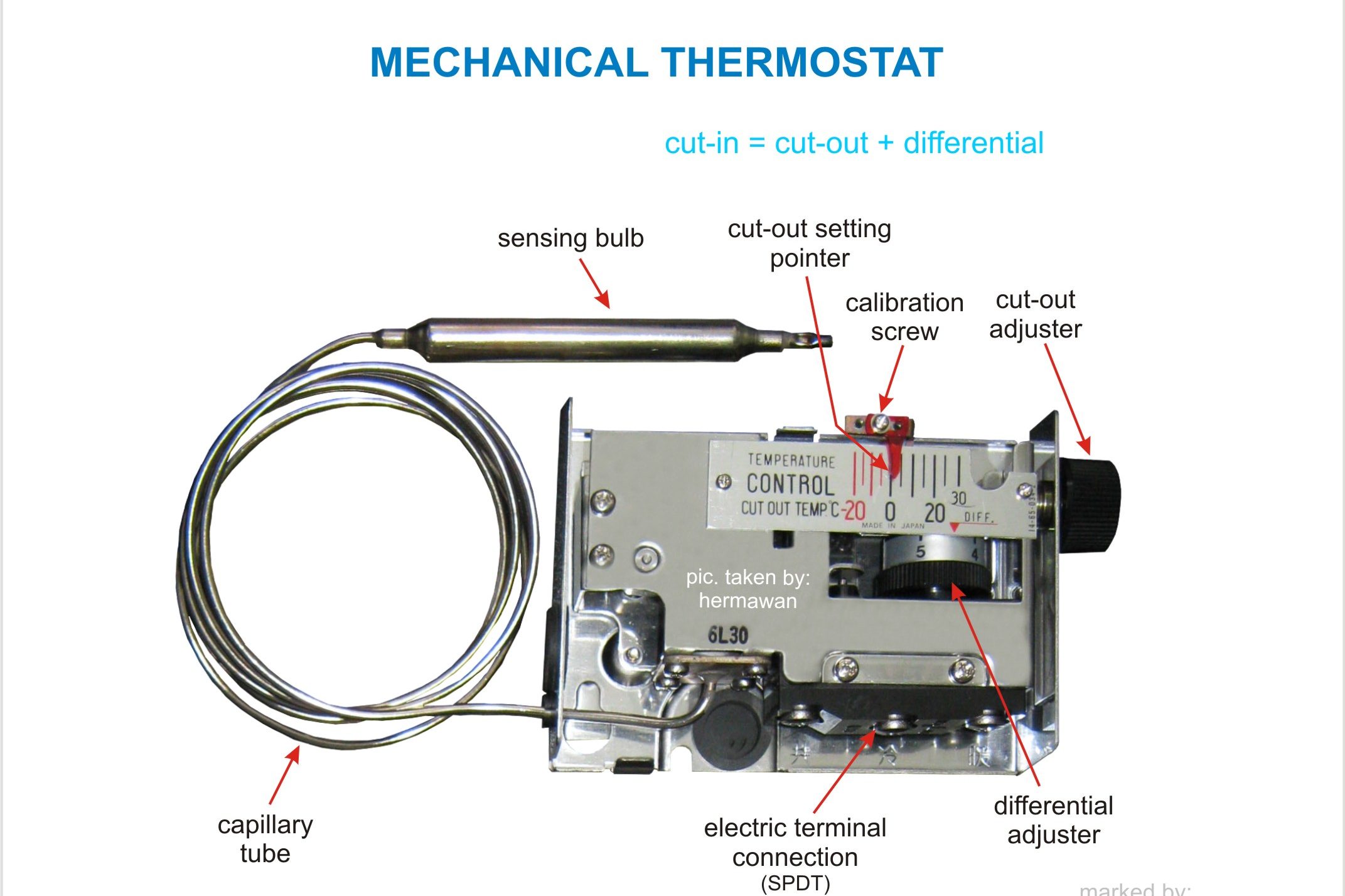
In a traditional, non-smart thermostat, the temperature sensor is almost always located inside the thermostat unit itself. This sensor, typically a bimetallic strip or a thermistor, reacts to the ambient air temperature surrounding the thermostat. The thermostat then uses this reading to determine whether to activate the heating or cooling system.
Common Locations:
- Directly behind the display screen: Often, the sensor is situated right behind the display, allowing it to quickly and accurately measure the air temperature.
- Near the top or bottom of the unit: Depending on the design, you might find small vents or openings near the top or bottom of the thermostat that allow air to circulate around the sensor.
Why Location Matters: The thermostat's location is critical because it serves as the sole point of reference for your entire home's temperature. If the thermostat is placed in a poorly chosen spot, the readings will be inaccurate, leading to discomfort and wasted energy. For example, if the thermostat is in direct sunlight or near a drafty window, it won't accurately reflect the average temperature of your living space.
Optimal Placement for Traditional Thermostats:
- Interior wall: Choose an interior wall away from exterior doors or windows.
- Central location: Opt for a location that represents the average temperature of your home, ideally in a frequently used living area.
- Away from heat sources: Keep the thermostat away from lamps, direct sunlight, fireplaces, and other heat-generating appliances.
- About 5 feet from the floor: This height is generally considered to be a good compromise for representing the average temperature at a comfortable level.
Smart Thermostats: Distributed Sensing for Enhanced Control
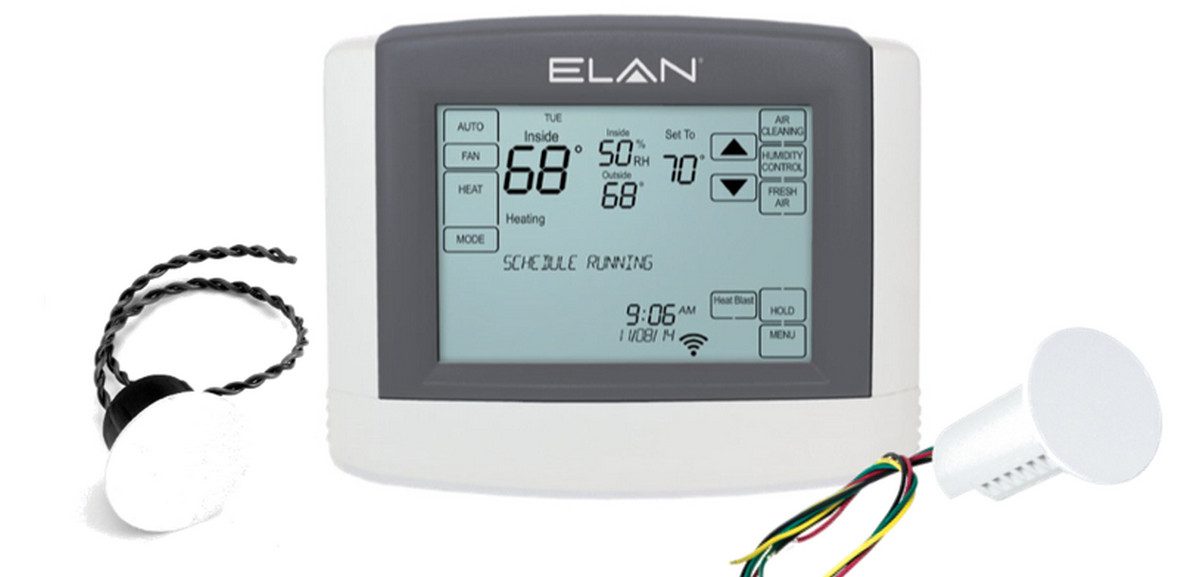
Smart thermostats revolutionize temperature control by often incorporating remote temperature sensors. These sensors communicate wirelessly with the main thermostat unit, providing a more comprehensive understanding of the temperature throughout your home.
How Remote Sensors Work:
Smart thermostats with remote sensors allow you to place sensors in different rooms or areas of your house. The thermostat then averages the readings from all the sensors, or you can prioritize specific sensors at certain times of the day. This feature is particularly useful for homes with uneven temperatures or for optimizing comfort in frequently used rooms.
Benefits of Remote Sensors:
- Improved Accuracy: By using multiple sensors, smart thermostats can provide a more accurate representation of the overall temperature in your home.
- Zoned Heating and Cooling: Some smart thermostats allow you to create zones, where different areas of your home are heated or cooled independently based on the readings from specific sensors. This can lead to significant energy savings by only heating or cooling the areas that need it.
- Occupancy Detection: Some sensors also include occupancy detection, which can automatically adjust the temperature based on whether a room is occupied.
- Personalized Comfort: Prioritize specific rooms based on time of day. For example, focus on the bedroom at night for optimal sleep temperature.
Placement Considerations for Remote Sensors:
- Focus on Problem Areas: Place sensors in rooms that tend to be hotter or colder than others.
- Consider Occupancy: Place sensors in rooms that are frequently used, such as living rooms and bedrooms.
- Avoid Obstructions: Ensure the sensors are not blocked by furniture or other objects that could interfere with accurate readings.
- Follow Manufacturer Guidelines: Refer to the manufacturer's instructions for specific recommendations on sensor placement.
ROI and Energy Savings with Smart Thermostats: According to Energy Star, a smart thermostat can save you up to 8% on heating and cooling costs. This translates to an annual savings of around $180, depending on your location and energy usage. Furthermore, many utility companies offer rebates for installing Energy Star-certified smart thermostats, further reducing the initial investment.
Troubleshooting Temperature Sensor Issues
Even with proper placement, temperature sensors can sometimes malfunction, leading to inaccurate readings and HVAC system inefficiencies. Here's how to troubleshoot common issues:
- Inaccurate Readings: If your thermostat consistently displays an incorrect temperature, the sensor may be faulty. Try recalibrating the thermostat (if possible) or replacing the sensor.
- System Cycling On and Off Frequently: This could indicate a sensor that's fluctuating wildly, causing the HVAC system to short cycle. Check the sensor's placement and ensure it's not exposed to drafts or direct sunlight.
- No Communication with Remote Sensors: If your smart thermostat is not communicating with remote sensors, check the batteries in the sensors and ensure they are within range of the thermostat. Also, check for any wireless interference that could be disrupting the connection.
DIY vs. Professional Help: Simple troubleshooting steps, such as replacing batteries or recalibrating the thermostat, can often be done yourself. However, if you suspect a faulty sensor or are uncomfortable working with electrical components, it's best to consult a qualified HVAC technician.
The HVAC Contractor's Role: Optimizing Sensor Placement for Maximum Efficiency
HVAC contractors play a critical role in ensuring optimal thermostat and sensor placement during installation and maintenance. Their expertise can help homeowners and businesses maximize energy savings and comfort.
Best Practices for HVAC Contractors:
- Conduct a Thorough Assessment: Before installing a thermostat, assess the home or building's layout, insulation, and potential problem areas.
- Educate Clients on Optimal Placement: Explain the importance of proper thermostat and sensor placement to clients and provide recommendations based on their specific needs.
- Offer Smart Thermostat Solutions: Promote the benefits of smart thermostats and remote sensors, highlighting the potential for energy savings and improved comfort.
- Provide Ongoing Support: Offer ongoing support and maintenance to ensure thermostats and sensors are functioning properly.
Utilizing Data and Analytics: Many smart thermostats provide data on energy usage and temperature patterns. HVAC contractors can use this data to identify areas for improvement and optimize the HVAC system's performance. This can lead to further energy savings and reduced operating costs for clients.
Integrating with Smart Home Systems
Smart thermostats seamlessly integrate with other smart home devices, creating a connected ecosystem that enhances comfort, convenience, and energy efficiency. For instance, a smart thermostat can work with smart blinds to automatically adjust based on the sun's position, further reducing heating and cooling costs. Integration with voice assistants like Amazon Alexa or Google Assistant allows for hands-free temperature control.
The Future of Temperature Sensing: The future of temperature sensing involves even more sophisticated technology, such as predictive analytics and AI-powered systems that can anticipate temperature fluctuations and proactively adjust the HVAC system. This will lead to even greater energy savings and improved comfort for homeowners and businesses.
Conclusion:
Understanding the location of your thermostat's temperature sensor, whether it's a traditional model or a smart thermostat with remote sensors, is essential for optimizing your HVAC system's performance and achieving significant energy savings. By following the guidelines outlined in this article, you can ensure accurate temperature readings, improve comfort, and reduce your energy bills. Embrace smart thermostat technology and work with qualified HVAC contractors to unlock the full potential of your HVAC system and create a more sustainable and comfortable living or working environment.
Proper thermostat and sensor placement is not just about comfort; it's an investment in energy efficiency and a step towards a more sustainable future.