Where Is The Ac Capacitor Located
The Hidden Hero: Understanding AC Capacitor Location and Function
When your air conditioner sputters, hums, or refuses to turn on, the problem might be smaller than you think. Before calling a technician for a costly repair, understanding the role and location of the AC capacitor could save you time and money. This component is crucial for starting and running your AC unit's motors, and knowing where it resides is the first step in troubleshooting common AC problems.
What is an AC Capacitor and Why Is It Important?
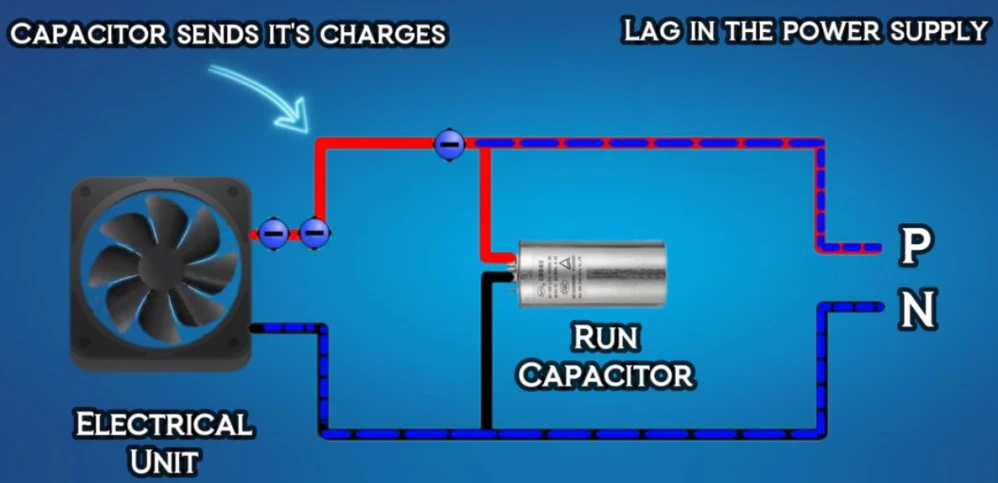
Think of the AC capacitor as a short-term energy storage device, much like a battery, but designed for rapid charging and discharging. It provides the necessary jolt of electricity to start and run the motors that power your compressor and fan. Without a functioning capacitor, these motors struggle to start or run efficiently, leading to a range of issues including:
- AC unit not turning on
- AC unit humming but not starting
- AC unit running inefficiently, leading to higher energy bills
- Complete motor failure
There are generally two types of capacitors in a residential AC unit: the start capacitor and the run capacitor. The start capacitor provides the initial burst of energy to get the motor spinning, while the run capacitor ensures the motor continues to operate smoothly and efficiently. Some units utilize a single, dual-run capacitor that handles both functions.
Where to Find the AC Capacitor: A Step-by-Step Guide
The AC capacitor is typically located within the outdoor unit of your central air conditioning system, often within the control panel. Finding it involves these steps:
- Safety First: Before doing anything, disconnect the power to the AC unit at the breaker box. This is a crucial safety precaution to prevent electrical shock. Confirm the power is off using a non-contact voltage tester.
- Locate the Outdoor Unit: Head to the outdoor condenser unit of your AC system.
- Access the Control Panel: Look for a panel, typically held in place by screws, on the side of the unit. This is usually the control panel where electrical components are housed.
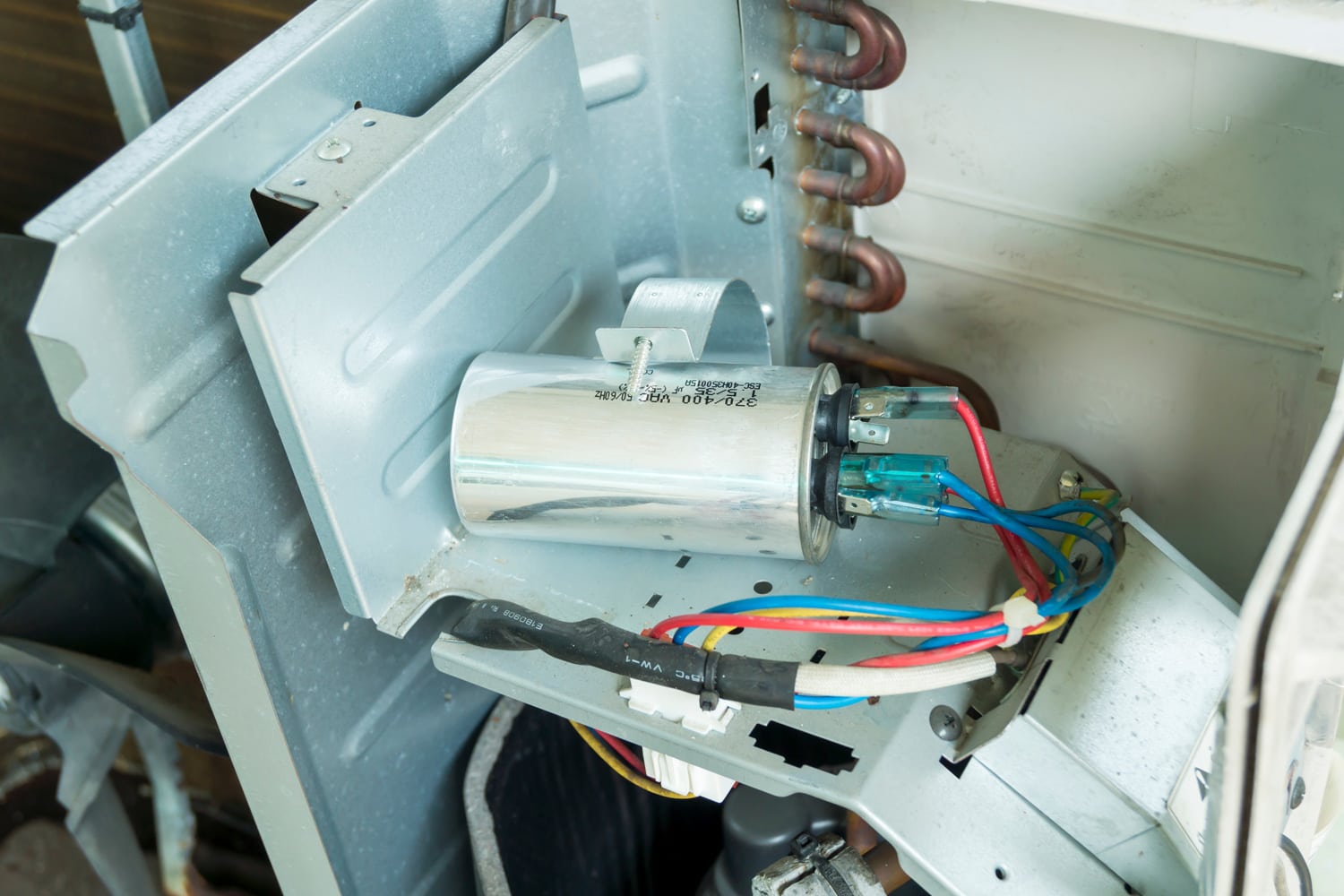
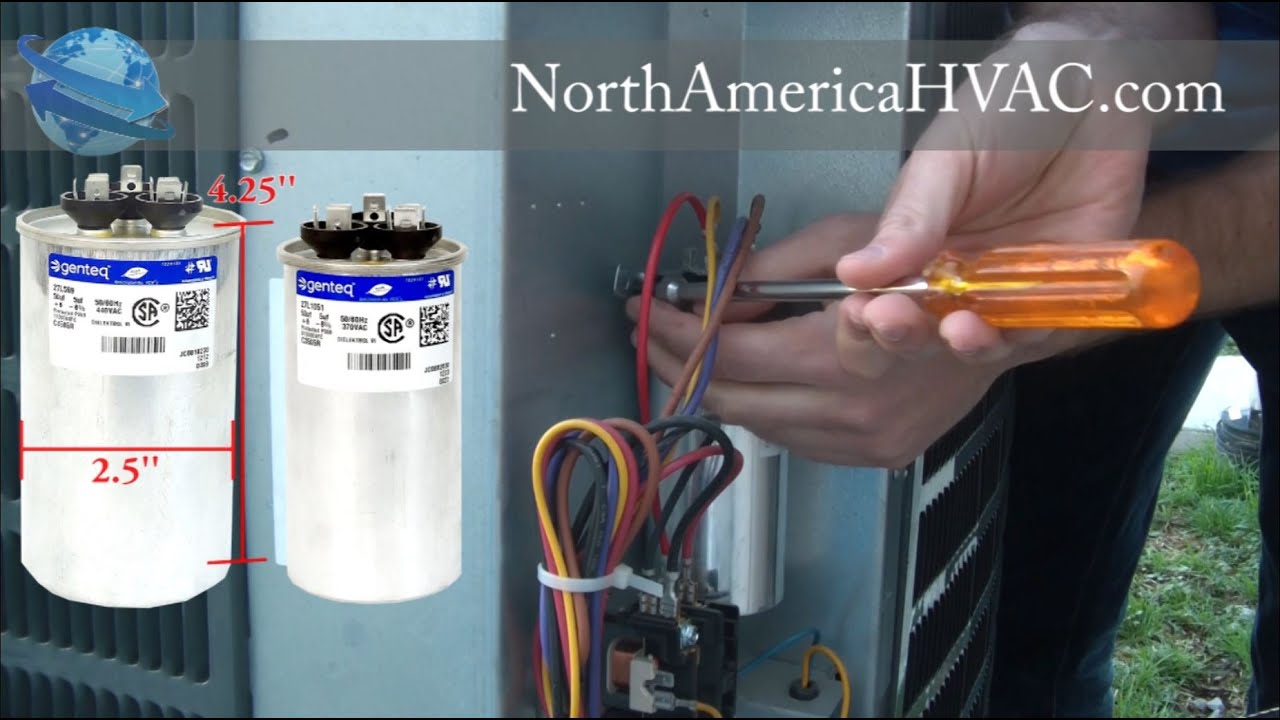
- Identify the Capacitor: Inside the control panel, you'll find various electrical components, including the capacitor. It's usually a cylindrical component, often silver or gray in color, and clearly labeled with its microfarad (µF) and voltage ratings. It often has multiple terminals on top.
Important Note: Capacitors store an electrical charge even after the power is disconnected. Never touch the terminals directly. If you need to handle the capacitor, discharge it properly using an insulated screwdriver with an insulated handle to short the terminals. However, unless you are qualified to do so, it is advisable to call a professional technician.
Troubleshooting and When to Call a Professional
Once you've located the capacitor, you can visually inspect it for signs of damage, such as:
- Bulging or swelling of the capacitor body
- Leaks or corrosion around the terminals
- Physical damage or cracks
If you see any of these signs, the capacitor likely needs replacing. Testing the capacitor's capacitance with a multimeter is the best way to confirm its functionality, but this requires specialized knowledge and equipment. Unless you have experience working with electrical components, it's best to call a qualified HVAC technician for diagnosis and replacement. Working with electricity can be dangerous, and incorrect handling can lead to serious injury or damage to your AC unit.
Choosing a New AC Unit: Features, Brands, and Models
If a faulty capacitor is just one of many problems, or if your AC unit is nearing the end of its lifespan (typically 10-15 years), it might be time to consider a replacement. Here's a look at some popular brands and models, along with key considerations:
Factors to Consider:
- SEER Rating (Seasonal Energy Efficiency Ratio): Higher SEER ratings mean greater energy efficiency and lower utility bills. Look for models with SEER ratings of 16 or higher.
- AFUE Rating (Annual Fuel Utilization Efficiency): If you also need to replace your furnace, consider its AFUE rating. Higher AFUE ratings mean greater efficiency.
- HSPF Rating (Heating Seasonal Performance Factor): For heat pumps, the HSPF rating indicates heating efficiency.
- Size: Choosing the right size AC unit is crucial for optimal performance. An oversized unit will cycle on and off frequently, leading to poor dehumidification and wasted energy. An undersized unit won't be able to cool your home adequately. A professional HVAC technician can perform a load calculation to determine the appropriate size for your home.
- Features: Consider features like variable-speed blowers, smart thermostats, and zoning capabilities for enhanced comfort and control.
- Warranty: Check the manufacturer's warranty on parts and labor. A longer warranty provides greater peace of mind.
Popular Brands and Models:
Here are a few popular brands known for their quality and reliability:
- Carrier: Known for their innovative technology and high-efficiency models. The Carrier Infinity series offers top-of-the-line performance and features.
- Trane: A reputable brand with a wide range of models to suit different budgets and needs. The Trane XV20i is a highly efficient and quiet model.
- Lennox: Offers a variety of energy-efficient and reliable AC units. The Lennox SL28XCV is known for its ultra-quiet operation and exceptional efficiency.
- Goodman: A more budget-friendly option that still provides reliable performance.
- Rheem: Offers a range of AC units with innovative features and good value.
Example Model Comparison:
| Brand & Model | SEER Rating | Notable Features | Approximate Price (Unit Only) |
|---|---|---|---|
| Carrier Infinity 26 | Up to 26 | Variable-speed compressor, smart thermostat compatibility, advanced diagnostics | $4,500 - $7,000 |
| Trane XV20i | Up to 20 | Variable-speed compressor, quiet operation, durable construction | $4,000 - $6,500 |
| Lennox SL28XCV | Up to 28 | Variable-speed compressor, ultra-quiet operation, Precise Comfort technology | $5,000 - $8,000 |
Prices are approximate and can vary depending on location, installation costs, and dealer.
Warranties and Maintenance
A good warranty is essential for protecting your investment. Most AC units come with a manufacturer's warranty that covers parts and, in some cases, labor. Be sure to register your unit with the manufacturer to activate the warranty.
Regular maintenance is also crucial for extending the lifespan of your AC unit and ensuring optimal performance. This includes:
- Changing air filters regularly (every 1-3 months)
- Cleaning the outdoor unit's coils annually
- Inspecting and cleaning the condensate drain line
- Scheduling annual professional maintenance checks
By understanding the location and function of the AC capacitor, and by choosing a quality AC unit with a good warranty and proper maintenance, you can keep your home cool and comfortable for years to come. Don't hesitate to consult with a qualified HVAC professional for any questions or concerns about your AC system.