Where Is The Ac Drain Located

Frequently Asked Questions: Finding Your AC Drain Line
Your air conditioner's drain line is a crucial component for removing condensation and preventing water damage. Many homeowners and facility managers find themselves wondering where exactly this important line is located. This FAQ aims to provide clear and concise answers to your most common questions about AC drain line location.
Q1: What is the purpose of an AC drain line, and why is it important to know its location?
The AC drain line is responsible for removing condensation created by your air conditioner as it cools the air. Think of it like the air conditioner "sweating." This condensation is water, and without a drain line, it would collect and potentially cause significant damage, including:
- Water damage to walls and ceilings: Excess water can seep into building materials, leading to costly repairs.
- Mold and mildew growth: The damp environment encourages the growth of harmful mold and mildew, posing health risks.
- Damage to the AC unit itself: Standing water can corrode internal components, reducing efficiency and lifespan.
Knowing the location of your AC drain line is important for several reasons:
- Preventative maintenance: You can periodically check the drain line for clogs and blockages.
- Troubleshooting: If you notice water leaks or a musty odor, knowing the location allows you to quickly inspect the drain line as a potential source.
- Emergency situations: In case of a major clog or leak, you'll know where to access the line for quick repairs.
Q2: Where is the AC drain line typically located for a central air conditioning system in a house?
The location of your AC drain line depends on the configuration of your air conditioning system. However, here are the most common locations for a central air conditioning system in a house:
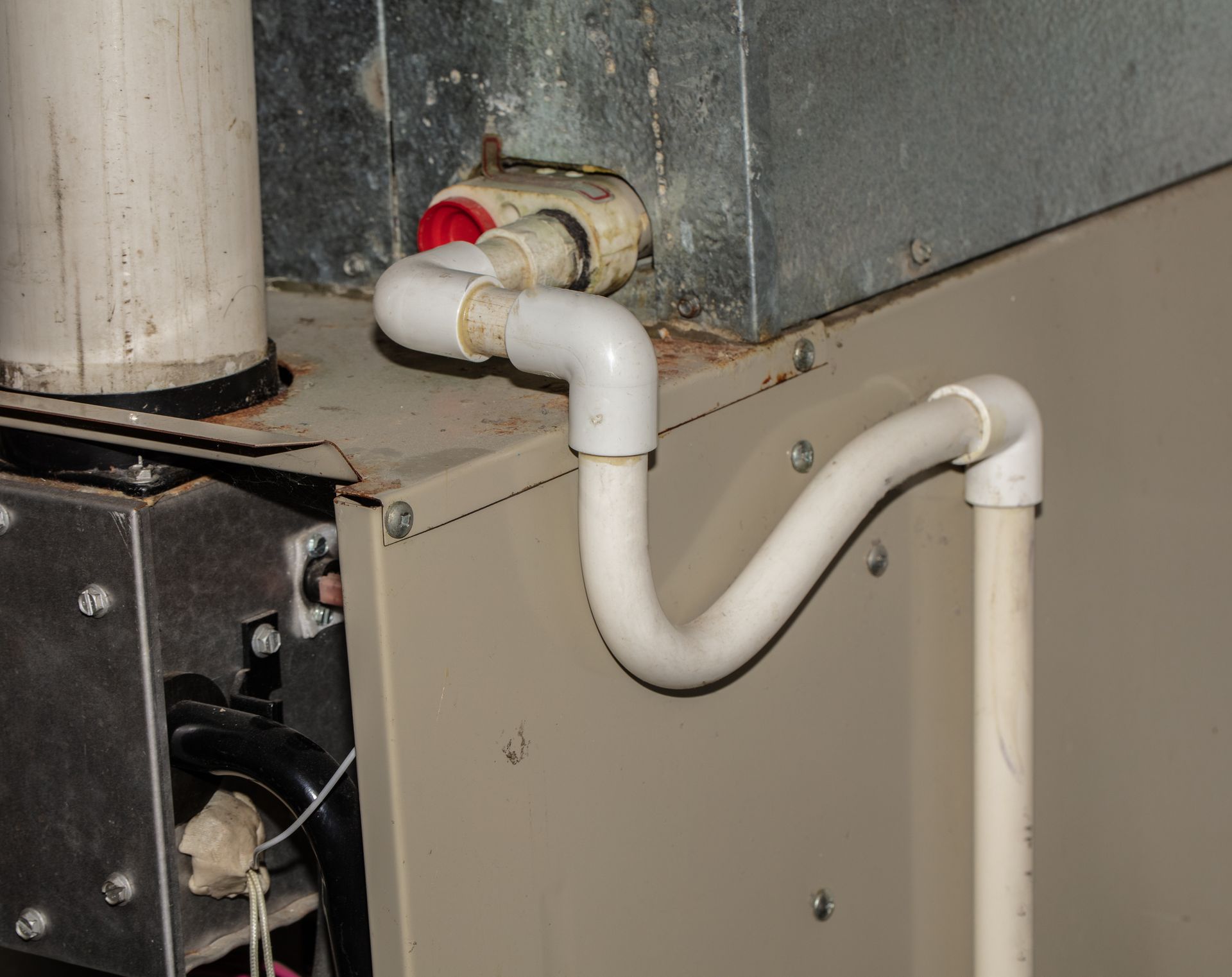
- Near the indoor air handler unit: This is often located in the attic, basement, crawl space, or a utility closet. Look for a PVC pipe (usually ¾ inch to 1 inch in diameter) exiting the unit.
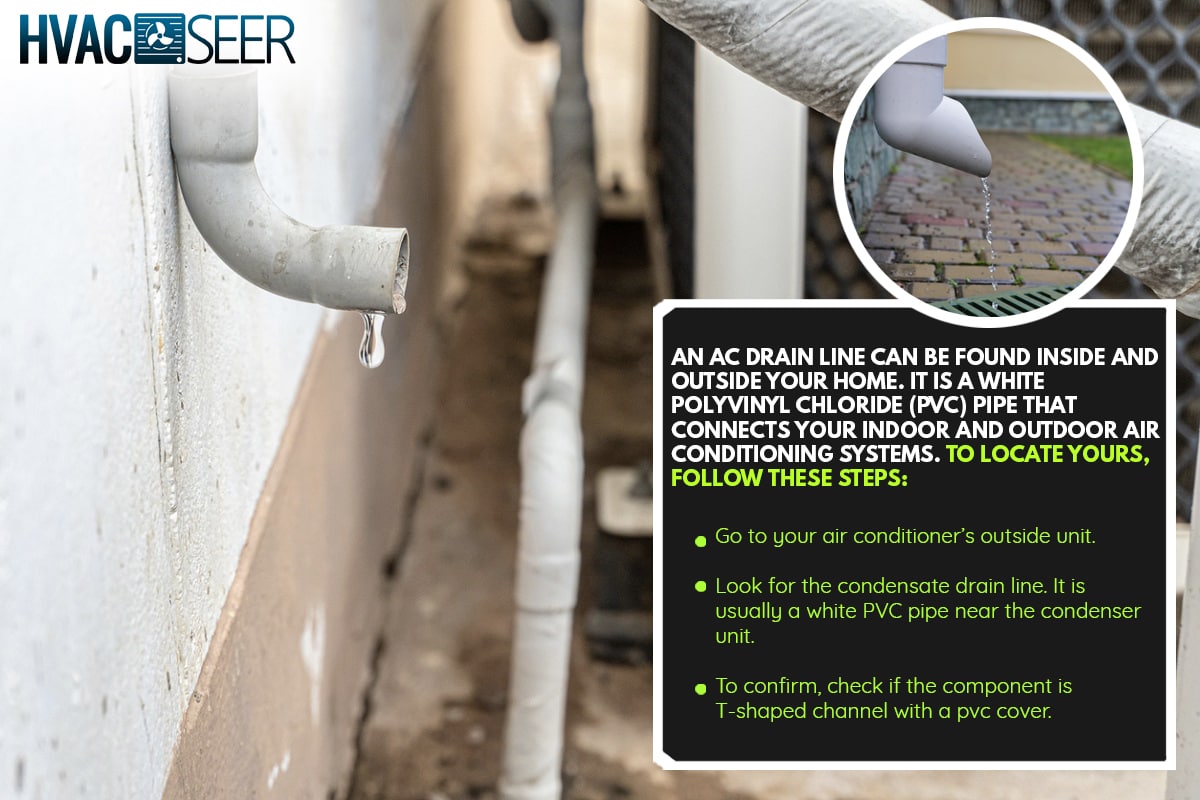
- Outside the house: The drain line often runs to the exterior of the house, usually near the foundation. The discharge point might be near the outdoor condenser unit, but not always. It's frequently a small, open pipe.
- Into a floor drain: In basements or utility rooms, the drain line may empty directly into a nearby floor drain.
- Through an exterior wall: The drain line may exit directly through an exterior wall. Look for a pipe protruding from the wall, often near the ground.
Important Note: In some installations, a secondary drain line (or overflow drain) is present. This is usually located near the primary drain line and is designed to provide an alternate drainage path if the primary line becomes clogged. Finding the secondary drain can also help pinpoint the location of the main drain.
Q3: What about window AC units or mini-split systems? Where is the drain located for those?
The drain location varies significantly for window AC units and mini-split systems compared to central air. Here's a breakdown:
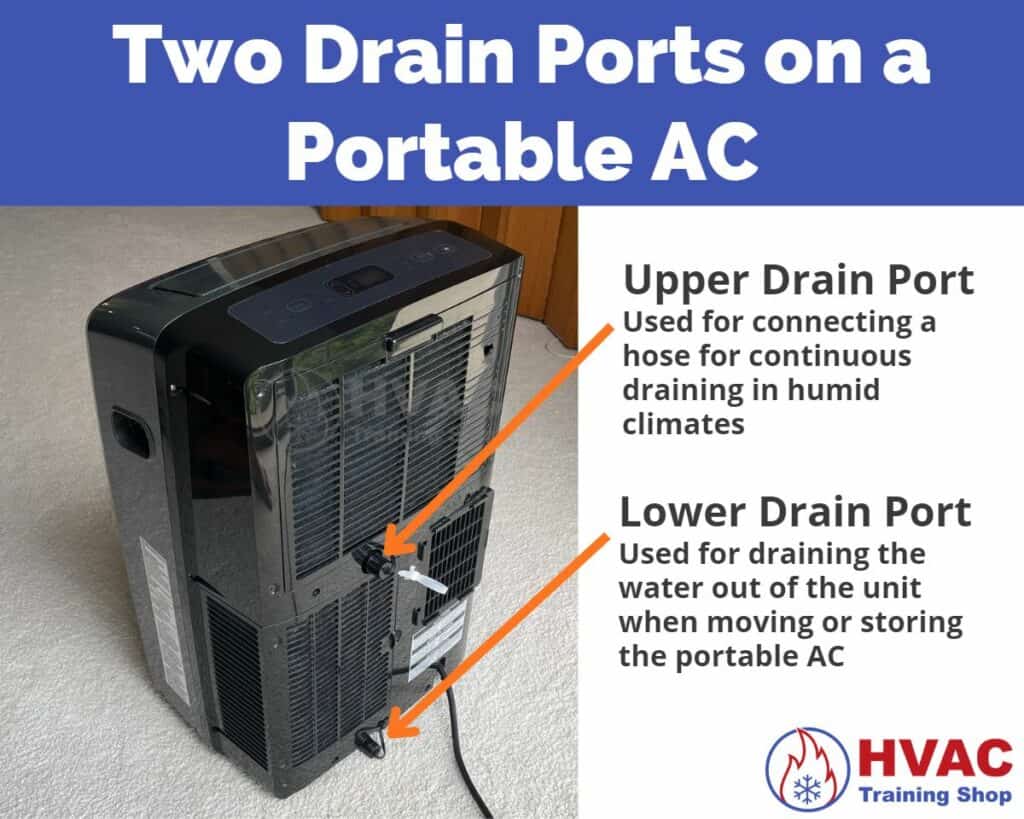
- Window AC Units: These units typically have a drain hole or spout on the back or bottom of the unit. Condensation either drips directly outside (if properly angled) or accumulates in a pan at the bottom of the unit. Some units have a small drain tube you can attach to direct the water. It is critical to ensure the unit is properly angled to allow for drainage.
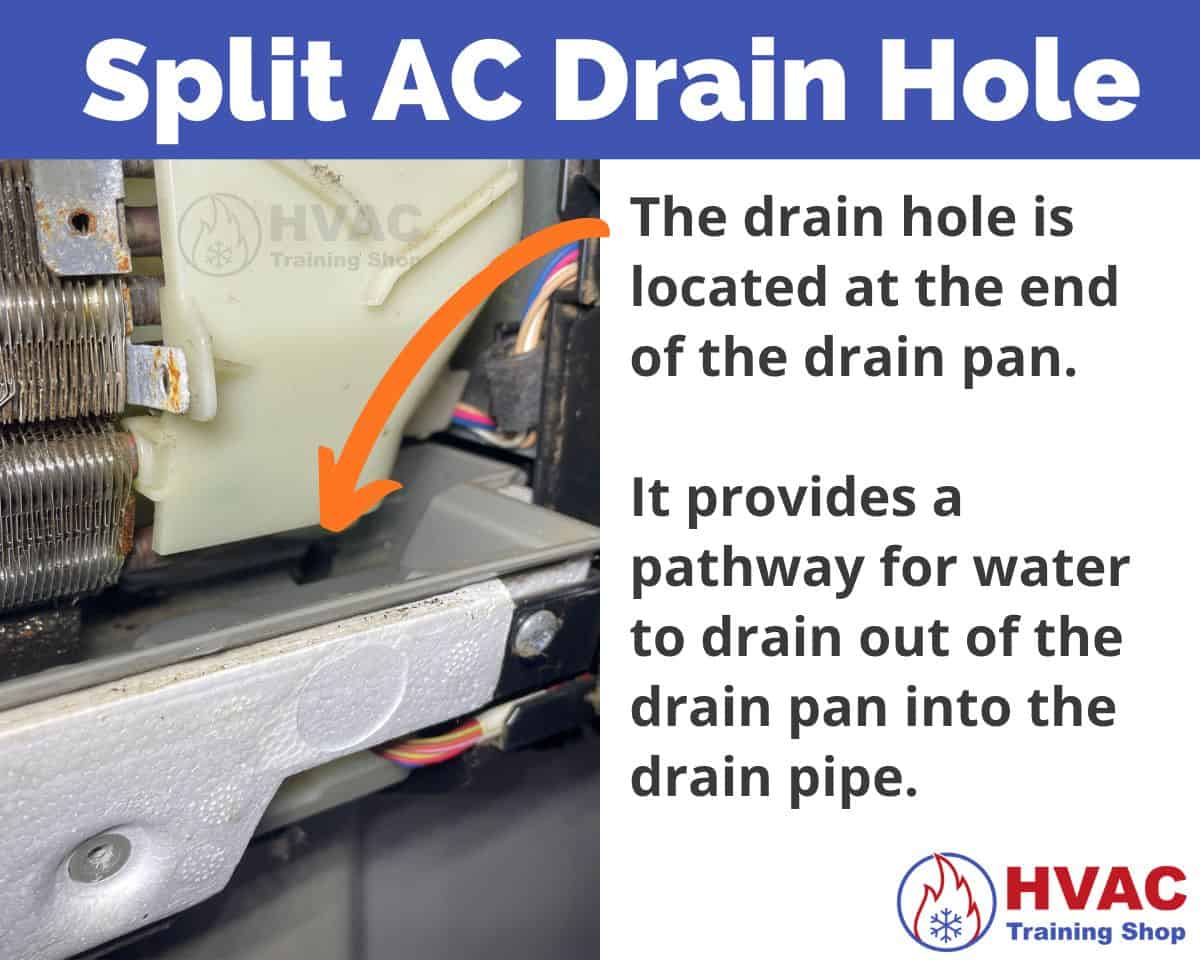
- Mini-Split Systems: Mini-split systems also have a drain line, but it's typically routed internally within the wall and then exits the building. The exterior exit point can be difficult to spot, but it is usually located directly beneath the indoor unit on an exterior wall. Similar to central AC units, the drain line is typically a PVC pipe. Professionally installed mini-split systems ensure proper drainage to prevent water damage.
Q4: I've found a PVC pipe near my indoor unit, but I'm not sure if it's the AC drain line. How can I confirm?
Here are a few ways to confirm if the PVC pipe you've found is indeed the AC drain line:
- Trace the pipe: Follow the pipe to see where it originates and where it leads. The AC drain line will originate at the drain pan of the indoor air handler unit.
- Check for condensation: During AC operation, the drain line should have some condensation on it, or even a slow drip of water exiting the end.
- The "Blow Test" (Use with caution!): If safe to do so (disconnect power to the AC unit first), you can gently blow air into the end of the pipe that exits the house or drains into a floor drain. If you hear gurgling or see movement in the drain pan near the indoor unit, it's likely the drain line. Do not blow too hard, as you could dislodge debris further up the line and worsen a potential clog.
- Consult your homeowner's manual: The manual may include diagrams or descriptions of your AC system's components, including the drain line location.
If you are still unsure, it is always best to contact a qualified HVAC technician for assistance. They can accurately identify the drain line and diagnose any potential issues.
Q5: What if I can't find the AC drain line at all? Are there any other places it might be hidden?
If you're having trouble locating your AC drain line, consider these possibilities:
- Concealed within walls or ceilings: In some cases, the drain line might be routed entirely within walls or ceilings, making it invisible. This is more common in newer homes or professionally installed systems. You might only see the exit point outside.
- Shared drainage system: The AC drain line might connect to another drainage system, such as a plumbing vent stack. This is less common but possible.
- Incorrect installation: In rare cases, the drain line might have been improperly installed or omitted altogether. This is a serious issue that needs to be addressed immediately by a qualified technician.
- Older systems: Very old systems may have used different types of drain lines (e.g., copper) that may be less obvious than modern PVC pipes.
If you suspect the drain line is concealed or improperly installed, contacting an HVAC professional is essential. They have the tools and expertise to locate hidden drain lines and correct any installation errors.
Q6: What are some common problems associated with AC drain lines, and how can I prevent them?
The most common problem with AC drain lines is clogging. This can occur due to a variety of factors:
- Algae and mold growth: The dark, damp environment inside the drain line is ideal for algae and mold growth, which can accumulate and form blockages.
- Dust and debris: Dust, dirt, and other debris can enter the drain line and contribute to clogs.
- Insects: Small insects can sometimes enter the drain line and create nests, leading to blockages.
Here's how to prevent common drain line problems:
- Regularly flush the drain line: At least once or twice a year, flush the drain line with a solution of water and bleach or vinegar. This helps to kill algae and remove debris. You can often pour this solution directly into the access point of the drain line, near the indoor unit.
- Use drain line tablets or strips: These tablets or strips contain chemicals that inhibit algae and mold growth. Place them in the drain pan to slowly release the chemicals into the drain line. Follow the manufacturer's instructions carefully.
- Install a drain line cleanout: A drain line cleanout is a fitting that allows you to easily access the drain line for cleaning and maintenance.
- Professional maintenance: Schedule regular maintenance with a qualified HVAC technician. They can inspect the drain line, clean it thoroughly, and identify any potential problems.
Important Safety Note: When working with bleach or other chemicals, always wear appropriate safety gear, such as gloves and eye protection. Follow the manufacturer's instructions carefully. If you are uncomfortable performing these tasks yourself, contact a qualified HVAC technician.
Q7: How can I temporarily fix a clogged AC drain line before calling a professional?
While it's always best to consult a professional for persistent drain line issues, here are a few temporary fixes you can try:
- Wet/Dry Vacuum: Attach a wet/dry vacuum to the end of the drain line where it exits the house or drains into a floor drain. Seal the connection as best as possible and turn on the vacuum. The suction can often dislodge minor clogs.
- Wire Hanger or Stiff Brush: Carefully insert a straightened wire hanger or a stiff brush into the drain line to break up any visible debris near the opening. Be gentle to avoid damaging the pipe.
- Pour Hot Water: Slowly pour hot (but not boiling) water down the drain line. This can help to dissolve minor clogs caused by algae or sludge.
Warning: These methods are only temporary solutions. If the drain line remains clogged or if the problem recurs frequently, it's essential to call a qualified HVAC technician for a thorough inspection and cleaning. Ignoring a clogged drain line can lead to significant water damage and costly repairs.
By understanding the location of your AC drain line and how to maintain it, you can prevent costly water damage and ensure the efficient operation of your air conditioning system.