Where Is The Ac Evaporator Located
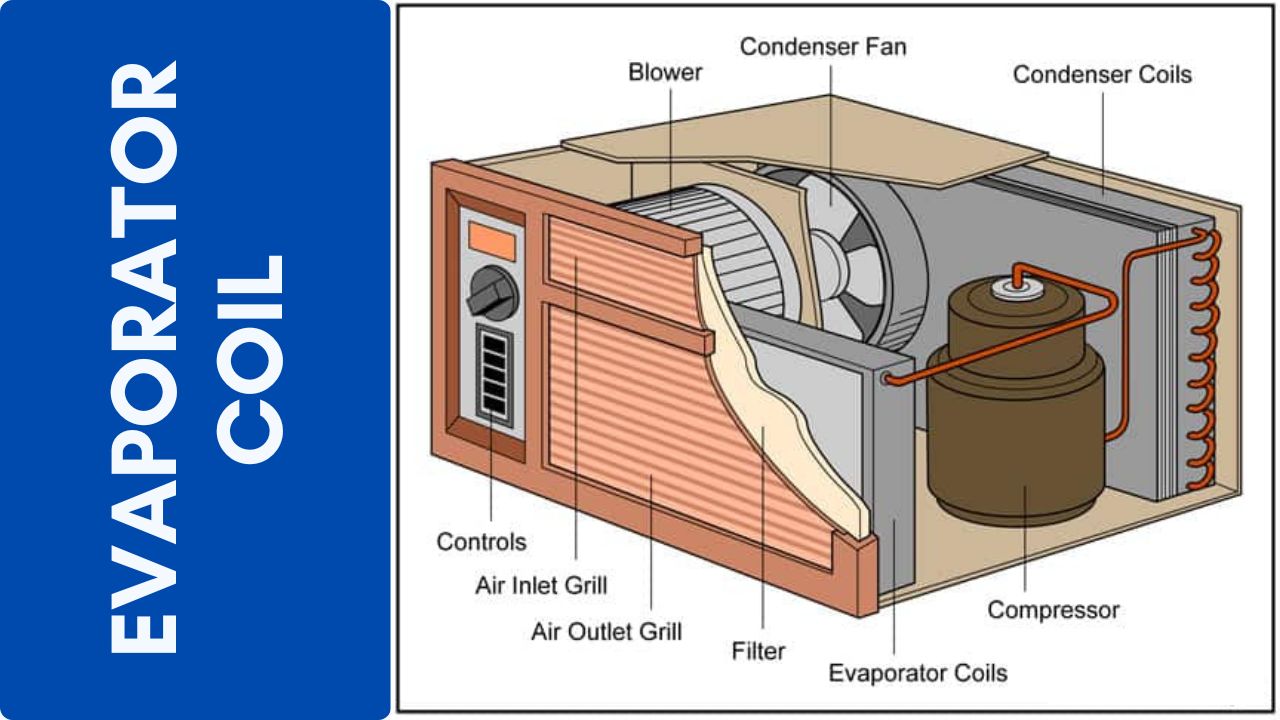
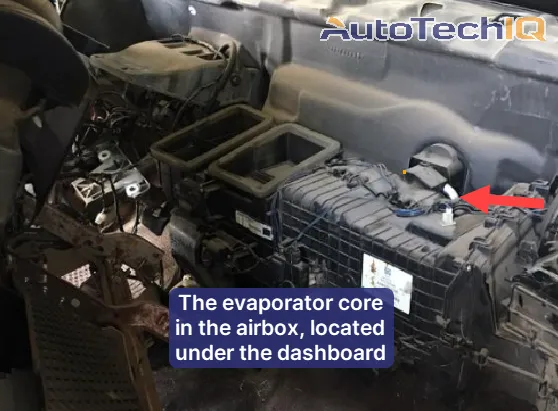
Understanding the location of your AC evaporator coil is essential for homeowners, HVAC technicians, and facility managers alike. This critical component is responsible for absorbing heat from your indoor air, providing the cool comfort you rely on. Knowing where it's located can help with troubleshooting, maintenance, and even understanding the overall efficiency of your system.
Residential AC Evaporator Locations
In residential settings, the evaporator coil's location depends largely on the type of HVAC system installed. Here are the most common placements:
Split Systems (Central Air)
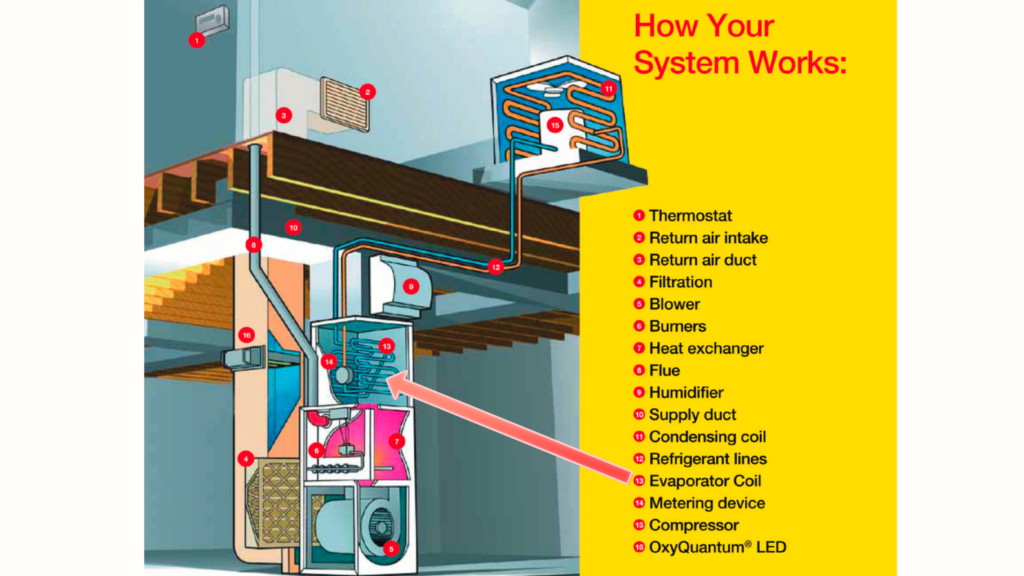
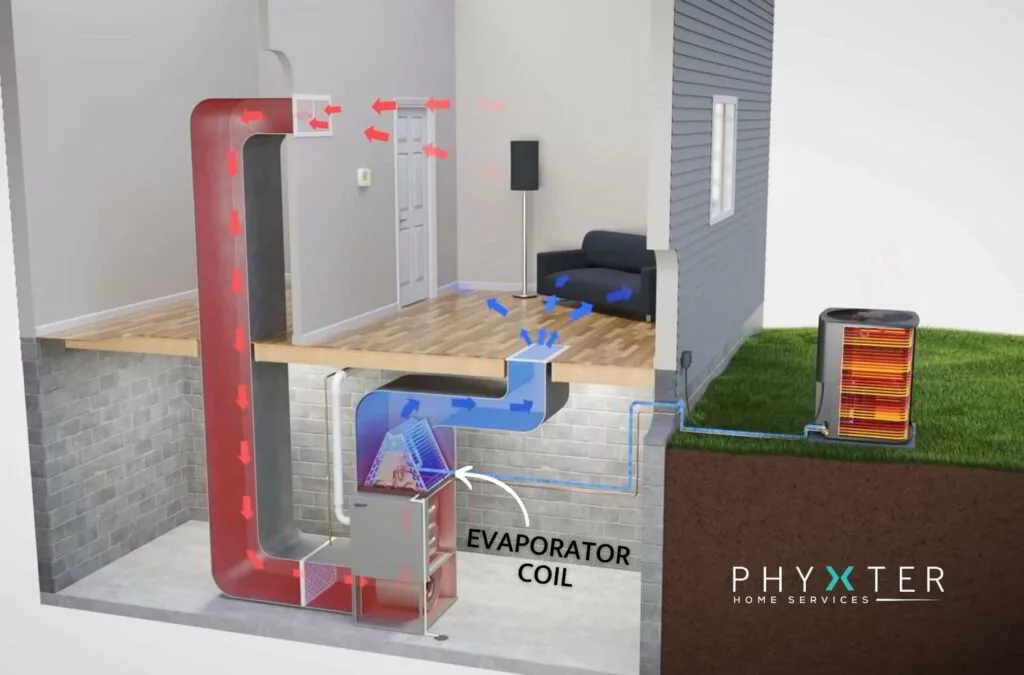
Split systems are the most prevalent type of residential AC. They consist of two main units: an outdoor condenser unit and an indoor air handler. The evaporator coil is housed inside the air handler, which is typically located in one of the following places:
- Attic: In many homes, particularly older ones, the air handler is situated in the attic. This can be a space-saving solution, but accessibility for maintenance can be a challenge. Temperature extremes in the attic can also impact system efficiency.
- Basement: Basements provide a relatively stable environment for the air handler. Access is generally easier compared to attics.
- Crawl Space: Similar to basements, crawl spaces offer a protected location. However, moisture can be a concern in crawl spaces, potentially leading to corrosion or mold growth on the evaporator coil.
- Closet: In some homes, especially apartments or smaller houses, the air handler might be located in a utility closet. This is often combined with a furnace for heating.
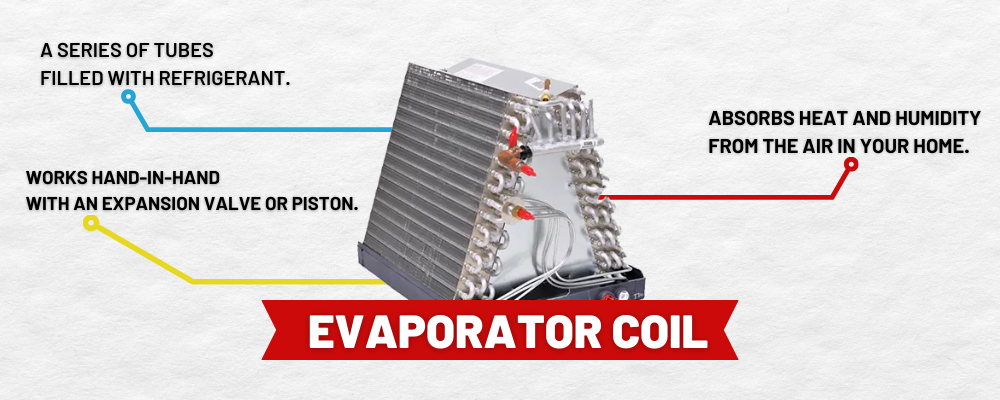
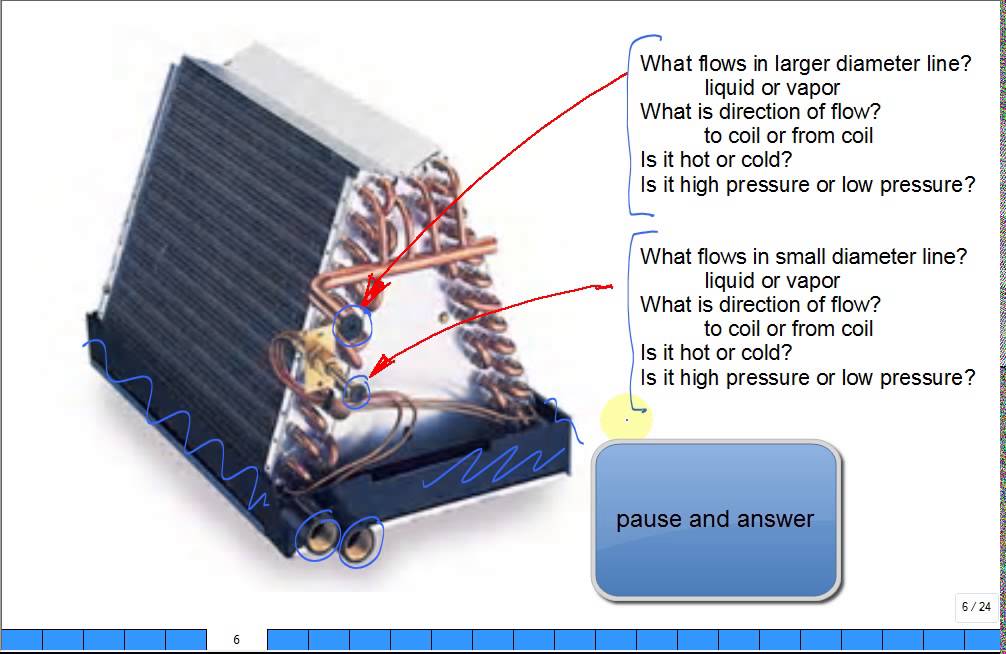
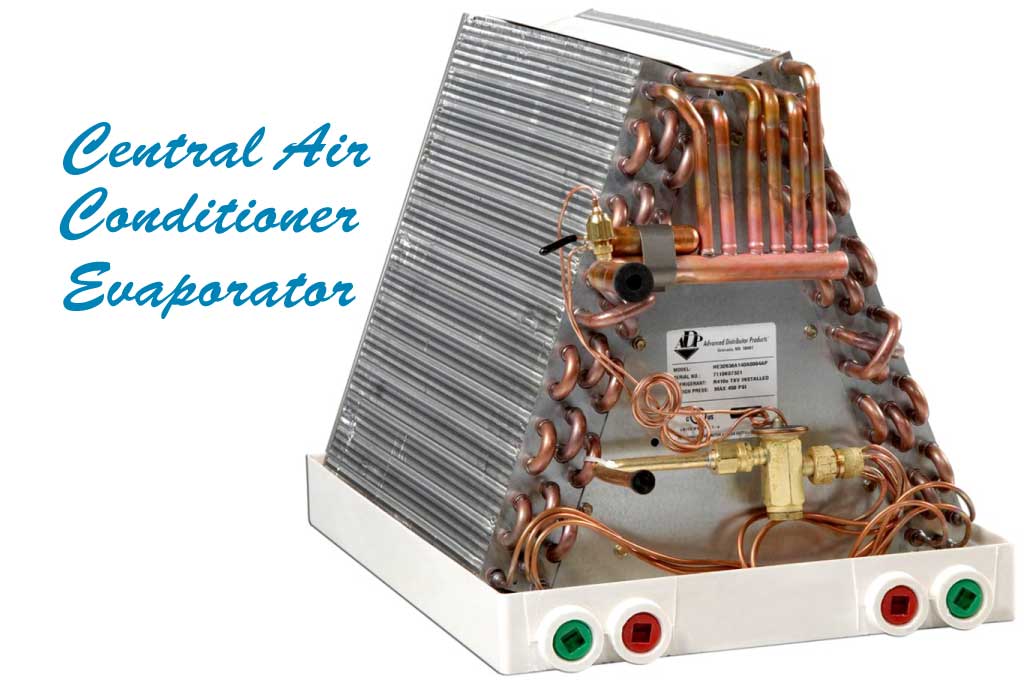
Finding the Evaporator Coil: Within the air handler, the evaporator coil is usually positioned directly after the air filter and before the blower fan. It's a finned coil resembling a car radiator. You might need to remove an access panel to see it. Always disconnect power to the air handler before opening any panels.
Package Units
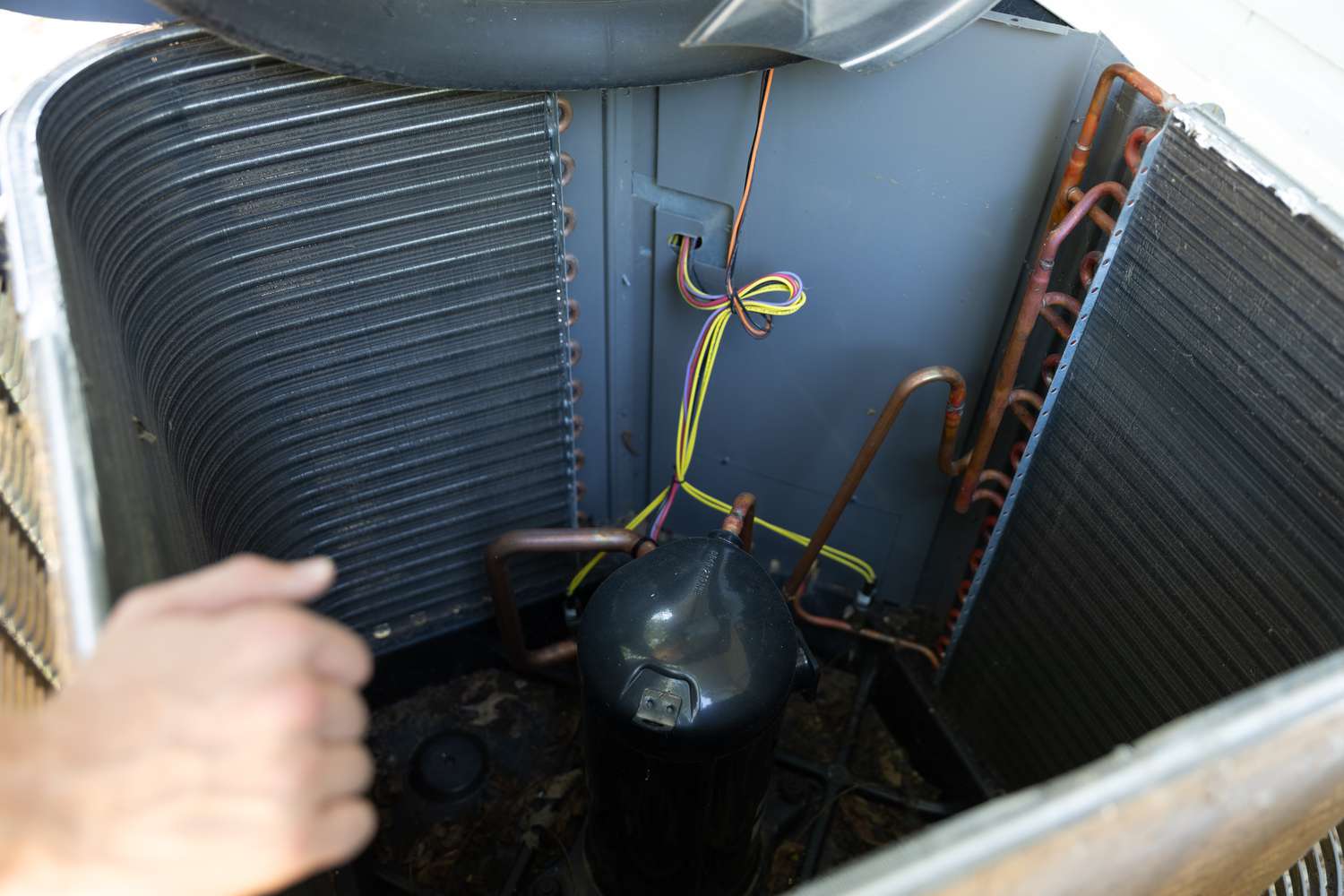
Package units combine all the components of an HVAC system – evaporator coil, condenser, and compressor – into a single outdoor unit. In this setup, the evaporator coil is located inside the package unit, typically alongside the other components.
Common Locations: Package units are often found on rooftops, slabs next to the house, or in some cases, recessed into the ground.
Ductless Mini-Split Systems
Ductless mini-split systems are becoming increasingly popular for their energy efficiency and ability to provide zoned cooling. In these systems, each indoor unit contains its own evaporator coil and blower fan. These units are typically mounted on walls or ceilings.
Commercial AC Evaporator Locations
Commercial HVAC systems often involve more complex configurations than residential ones. Here are some common scenarios:
Rooftop Units (RTUs)
Rooftop units are a common choice for commercial buildings. Similar to package units, RTUs house all HVAC components in a single enclosure. The evaporator coil is located inside the RTU, along with the condenser, compressor, and other components.
Chiller Systems
Chiller systems are used to cool large commercial and industrial buildings. They cool water, which is then circulated throughout the building to air handlers or fan coil units. In a chiller system, the evaporator is located within the chiller itself, where it cools the water.
The air handlers or fan coil units distributed throughout the building also contain evaporator coils. These coils use the chilled water to cool the air in specific zones.
Computer Room Air Conditioners (CRACs)
CRAC units are designed to provide precise temperature and humidity control in data centers and server rooms. The evaporator coil in a CRAC unit is specifically designed to handle the high heat loads generated by computer equipment.
Factors Affecting Evaporator Coil Location
Several factors influence where an HVAC contractor will choose to place the evaporator coil and associated equipment:
- Building Design: The architectural layout of the building plays a significant role. Available space, accessibility, and ductwork routing all impact placement decisions.
- Climate: In humid climates, it's crucial to ensure proper drainage and ventilation around the evaporator coil to prevent mold growth.
- Noise Levels: The noise generated by the air handler or RTU can be a concern, particularly in residential or office environments. Location choices should minimize noise disruption.
- Maintenance Access: Easy access to the evaporator coil is essential for regular maintenance and repairs.
- Energy Efficiency: The location can impact energy efficiency. For example, placing the air handler in an unconditioned attic can lead to energy losses.
Maintenance and Troubleshooting
Knowing the location of your AC evaporator coil is crucial for proper maintenance and troubleshooting:
- Cleaning: A dirty evaporator coil reduces cooling efficiency and can even lead to system failure. Regular cleaning is essential. Depending on the location, this might be a DIY task or require a professional.
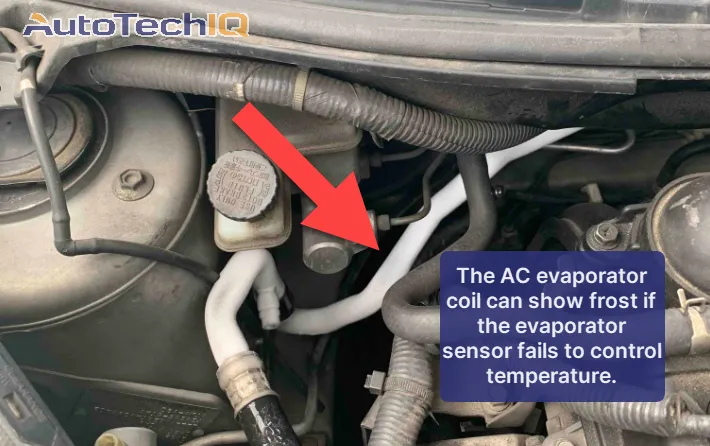
- Leak Detection: Refrigerant leaks are a common problem. Knowing where the evaporator coil is located allows you to inspect for signs of leaks, such as oily residue or ice buildup.
- Freezing: A frozen evaporator coil indicates a problem with airflow, refrigerant charge, or other issues. Inspecting the coil allows you to identify potential causes.
Cost Considerations: The location of the evaporator coil can impact maintenance costs. Difficult-to-access locations may require more labor and specialized equipment, increasing the cost of repairs and cleaning. For example, evaporator coils located in attics or crawl spaces often take longer to access, thus increasing labor costs.
Choosing the Right Location for New Installations
When installing a new HVAC system, carefully consider the location of the evaporator coil. Consult with a qualified HVAC contractor to determine the best placement for your specific needs and building design. Discuss factors such as:
- Accessibility: Ensure easy access for maintenance and repairs.
- Airflow: Optimize airflow for efficient cooling.
- Noise: Minimize noise disruption.
- Protection: Protect the equipment from weather and environmental factors.
Efficiency Ratings and Lifespan: The location of the evaporator coil doesn’t directly impact SEER (Seasonal Energy Efficiency Ratio) or HSPF (Heating Seasonal Performance Factor) ratings, but it can indirectly affect the unit’s performance and lifespan. A well-protected and properly maintained coil, regardless of location, will last longer. Poorly ventilated areas can cause early corrosion.
By understanding the location of your AC evaporator coil, you can ensure your system operates efficiently, prevent costly repairs, and maintain a comfortable indoor environment. Whether you are a homeowner, HVAC technician, or facility manager, this knowledge is essential for effective HVAC system management.
Disclaimer: This article is for informational purposes only and should not be considered a substitute for professional HVAC advice. Always consult with a qualified technician for diagnosis, repairs, and installations.