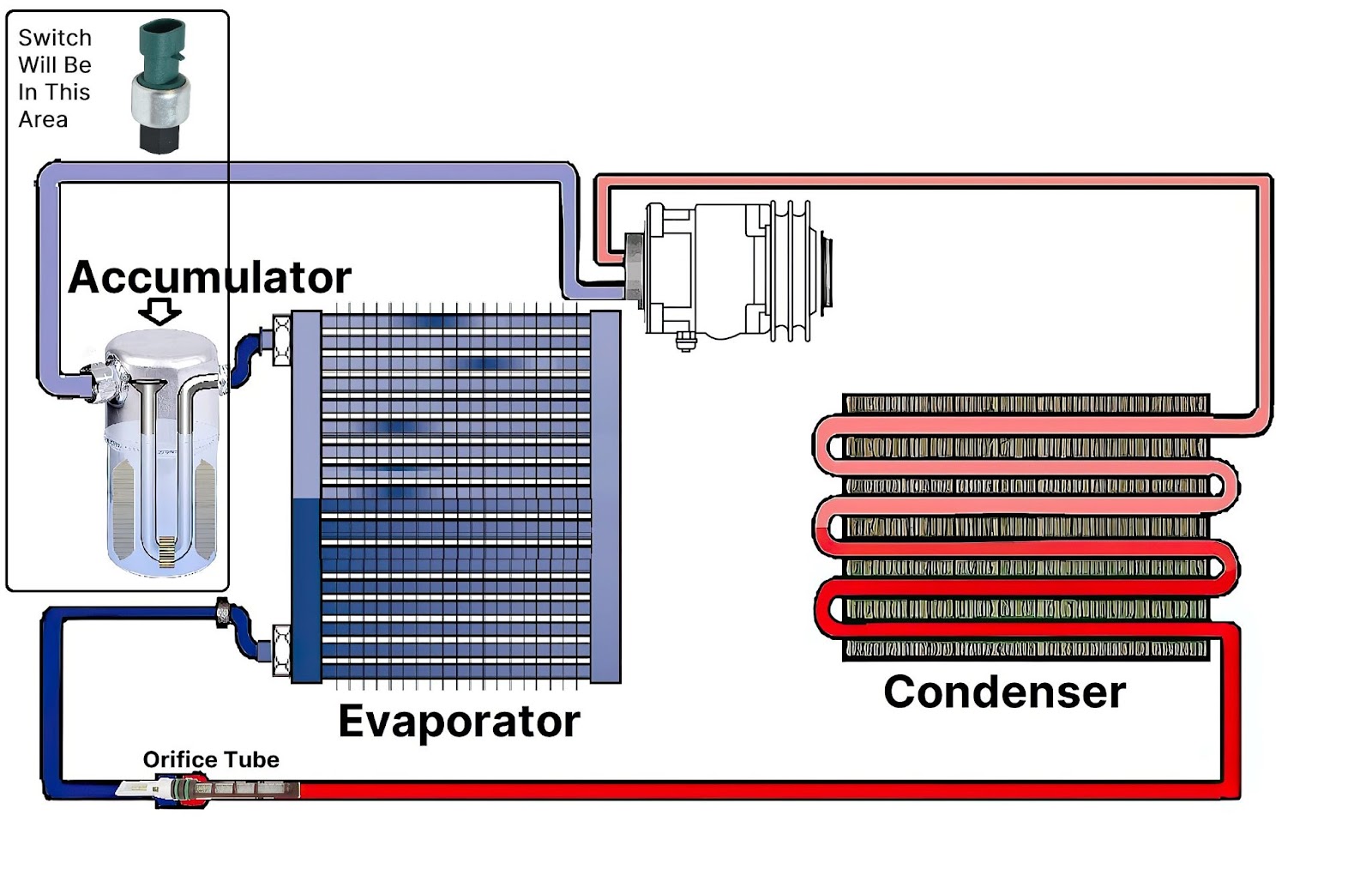
Where Is The Ac Sensor Located
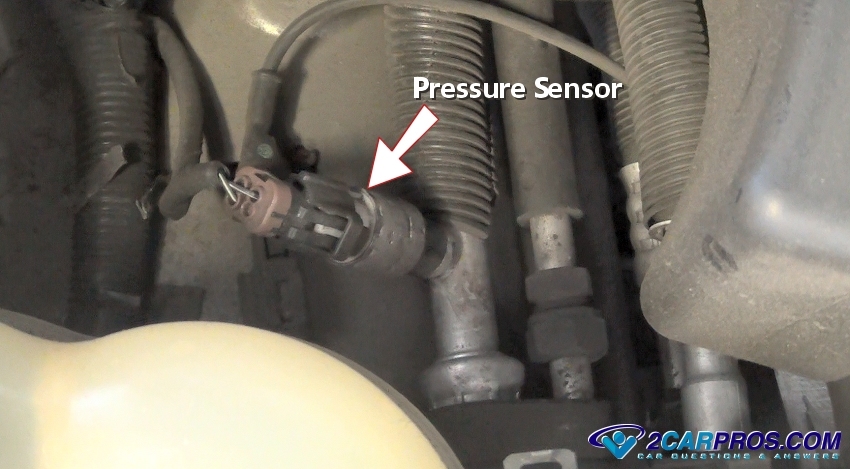
Is your home's heating or cooling system acting up? Experiencing inconsistent temperatures, short cycling, or a system that simply won't turn on or off properly? One often-overlooked culprit could be a malfunctioning AC sensor, also known as a temperature sensor. This small but mighty component plays a crucial role in telling your HVAC system what's going on and ensuring efficient operation. This guide will walk you through how to locate the AC sensor and perform some basic troubleshooting, empowering you to potentially resolve the issue yourself or, at least, provide valuable information to an HVAC technician.
Understanding the Importance of the AC Sensor
The AC sensor, or temperature sensor, is like the thermostat's eyes and ears inside your HVAC system. It monitors the temperature of the air flowing through the system, providing feedback to the control board. This information helps the system determine when to turn on the compressor, blower fan, and other components, and when to shut them off to maintain the desired temperature. A faulty sensor can lead to a range of problems, including:
- Short cycling: The system turns on and off frequently, without fully heating or cooling the space.
- Inconsistent temperatures: Some rooms are too hot or too cold, despite the thermostat setting.
- System not turning on or off: The system may run constantly or not turn on at all.
- Reduced efficiency: The system wastes energy by running inefficiently.
Locating the AC Sensor: A Step-by-Step Guide
Finding the AC sensor can sometimes be a bit like a treasure hunt, as its location can vary depending on the type and model of your HVAC system. However, here's a methodical approach to help you pinpoint its location:
1. Identify Your HVAC System Type
The location of the AC sensor will differ based on whether you have a central air conditioning system, a heat pump, or a window unit. Central systems are the most common, with an outdoor condenser unit and an indoor air handler. Heat pumps are similar to central AC systems but can also provide heating. Window units are self-contained units that sit in a window.
2. Safety First: Turn Off the Power!
Before you begin any inspection or troubleshooting, always turn off the power to your HVAC system at the main electrical panel. Locate the breaker that corresponds to your AC unit or furnace (it should be labeled) and switch it off. This is a crucial safety precaution to prevent electric shock.
3. Inspect the Indoor Air Handler (Furnace or Air Handler Unit)
For central air conditioning and heat pump systems, the AC sensor is usually located inside the indoor air handler. This unit is typically found in the basement, attic, closet, or utility room.
- Remove the Access Panel: The air handler will have one or more access panels that are held in place by screws or clips. Carefully remove the panel to expose the internal components.
- Look Near the Evaporator Coil: The AC sensor is often located near the evaporator coil, which is the part of the system that cools the air. It may be attached to the coil itself, to the refrigerant lines, or to the metal frame surrounding the coil. The evaporator coil is typically "A" shaped.
- Identify the Sensor: The AC sensor is usually a small, cylindrical or rectangular component with wires attached. It may be encased in a plastic or metal housing. Look for a component that's clearly connected to wires that lead back to the control board.
4. Check the Outdoor Condenser Unit
In some systems, particularly heat pumps, there may be an additional AC sensor located in the outdoor condenser unit. This sensor monitors the outside temperature to help the system operate efficiently in different weather conditions.
- Remove the Access Panel: Similar to the indoor unit, the outdoor condenser will have an access panel. Remove it carefully, as there may be electrical components inside.
- Look Near the Compressor: The AC sensor in the outdoor unit is often located near the compressor, which is the heart of the system. It may be attached to the compressor housing or to the refrigerant lines.
- Identify the Sensor: Again, look for a small, cylindrical or rectangular component with wires attached. Be extra careful around the compressor, as it can be hot.
5. For Window Units
In window units, the AC sensor is usually located near the evaporator coil, which is behind the front grille of the unit. You'll need to carefully remove the grille to access the sensor.
- Unplug the Unit: Make sure the unit is unplugged from the power outlet before you begin.
- Remove the Front Grille: The grille is usually held in place by screws or clips. Consult the unit's manual for specific instructions on how to remove it.
- Locate the Sensor: The AC sensor will be a small component with wires attached. It's typically located near the coil that gets cold when the unit is running.
Troubleshooting the AC Sensor: DIY Checks
Once you've located the AC sensor, you can perform some basic troubleshooting steps to determine if it's the source of your HVAC problems. Remember to always disconnect the power before performing any electrical checks.
1. Visual Inspection (No Tools Required)
- Check for Damage: Carefully inspect the sensor for any signs of physical damage, such as cracks, breaks, or corrosion.
- Inspect the Wiring: Check the wires connected to the sensor for any loose connections, frayed insulation, or corrosion. Make sure the wires are securely attached to the sensor terminals.
If you find any visible damage to the sensor or wiring, it's likely that the sensor needs to be replaced.
2. Resistance Check (Requires a Multimeter)
A multimeter is a handy tool for checking the electrical resistance of the AC sensor. This test can help you determine if the sensor is functioning properly. A multimeter is a basic, inexpensive tool that can be used for a variety of electrical tests. If you don't have one, you can purchase one at most hardware stores.
- Set the Multimeter: Set the multimeter to the resistance (Ohms - Ω) setting. The specific setting may vary depending on your multimeter, so consult the manual for instructions.
- Disconnect the Sensor: Disconnect the sensor wires from the control board or other electrical components.
- Measure the Resistance: Place the multimeter probes on the sensor terminals. The multimeter will display a resistance value.
- Compare to Specifications: Compare the measured resistance value to the manufacturer's specifications for the sensor. These specifications can usually be found in the HVAC system's service manual or online. If the measured resistance is significantly different from the specified value, the sensor is likely faulty and needs to be replaced.
Note: The resistance of the sensor will vary depending on the temperature. Refer to the service manual for a temperature/resistance chart.
3. Voltage Check (Requires a Multimeter)
Some AC sensors operate on a voltage signal. You can use a multimeter to check the voltage output of the sensor.
- Set the Multimeter: Set the multimeter to the DC voltage (VDC) setting.
- Reconnect the Sensor: Reconnect the sensor wires to the control board or other electrical components.
- Measure the Voltage: Place the multimeter probes on the sensor terminals while the system is running (or attempting to run). The multimeter will display a voltage value.
- Compare to Specifications: Compare the measured voltage value to the manufacturer's specifications for the sensor. If the measured voltage is significantly different from the specified value, the sensor is likely faulty and needs to be replaced.
Be extremely careful when performing voltage checks while the system is running. Make sure you are wearing appropriate safety gear and avoid touching any exposed wires.
Simple DIY Actions You Can Take
If you've identified a faulty AC sensor, you may be able to replace it yourself, depending on your comfort level and experience with electrical repairs. Here are the steps to take:
- Purchase a Replacement Sensor: Obtain a replacement sensor that is compatible with your HVAC system. You can usually find replacement sensors at HVAC supply stores or online retailers. Make sure to match the part number or specifications exactly.
- Disconnect the Power: Before you begin, always disconnect the power to your HVAC system at the main electrical panel.
- Remove the Old Sensor: Carefully disconnect the wires from the old sensor and remove it from its mounting location.
- Install the New Sensor: Connect the wires to the new sensor, making sure the connections are secure. Mount the new sensor in the same location as the old one.
- Restore Power: Restore power to your HVAC system at the main electrical panel.
- Test the System: Turn on your HVAC system and monitor its performance. See if the issues you were experiencing have been resolved.
When to Call a Professional HVAC Technician
While some AC sensor troubleshooting and replacement can be done DIY, there are situations where it's best to call in a professional HVAC technician. Consider seeking professional help if:
- You're uncomfortable working with electricity.
- You're not sure how to use a multimeter.
- You suspect there may be other underlying issues with your HVAC system.
- The sensor is difficult to access or located in a hazardous area.
- You've replaced the sensor and the problem persists.
- You are dealing with refrigerant lines. Working with refrigerants requires special training and equipment.
An HVAC technician has the expertise and tools to diagnose and repair complex HVAC problems safely and efficiently. They can also identify other potential issues that may be contributing to the problem.
Important Note: Always consult your HVAC system's user manual and service manual for specific instructions and safety precautions. This guide is for informational purposes only and should not be considered a substitute for professional advice.
Conclusion
Troubleshooting an AC sensor can seem daunting, but by following these steps, you can often pinpoint the problem and potentially resolve it yourself. Remember to prioritize safety, and don't hesitate to call a professional HVAC technician if you're uncomfortable or unsure about any aspect of the troubleshooting process. With a little knowledge and effort, you can keep your home comfortable and your HVAC system running efficiently.