Where Is The Air Conditioner Compressor Located In A Car

One of the most frustrating experiences for any car owner is hopping into their vehicle on a sweltering summer day, cranking up the AC, and being met with nothing but lukewarm air. Or, conversely, finding that your heater refuses to blow warm air on a frigid winter morning. While several components contribute to a car's climate control system, the air conditioner compressor plays a crucial role. Understanding where it's located is the first step towards diagnosing potential issues.
Finding the Compressor: A Step-by-Step Guide
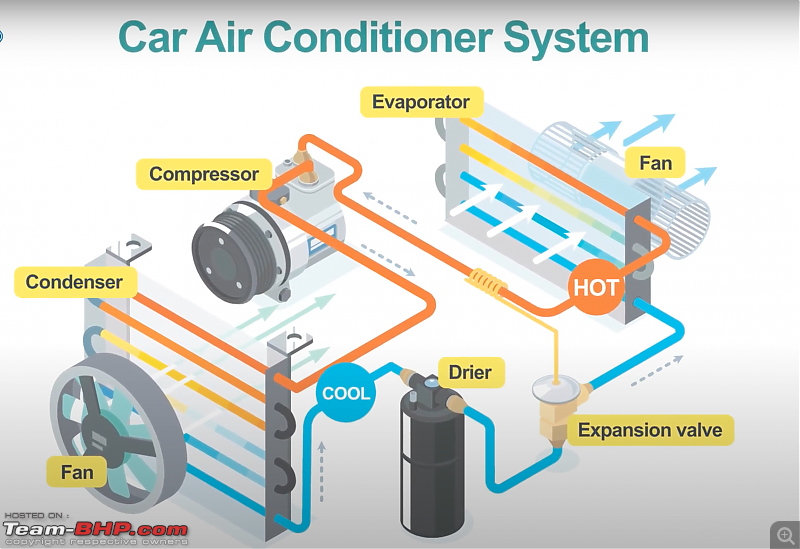
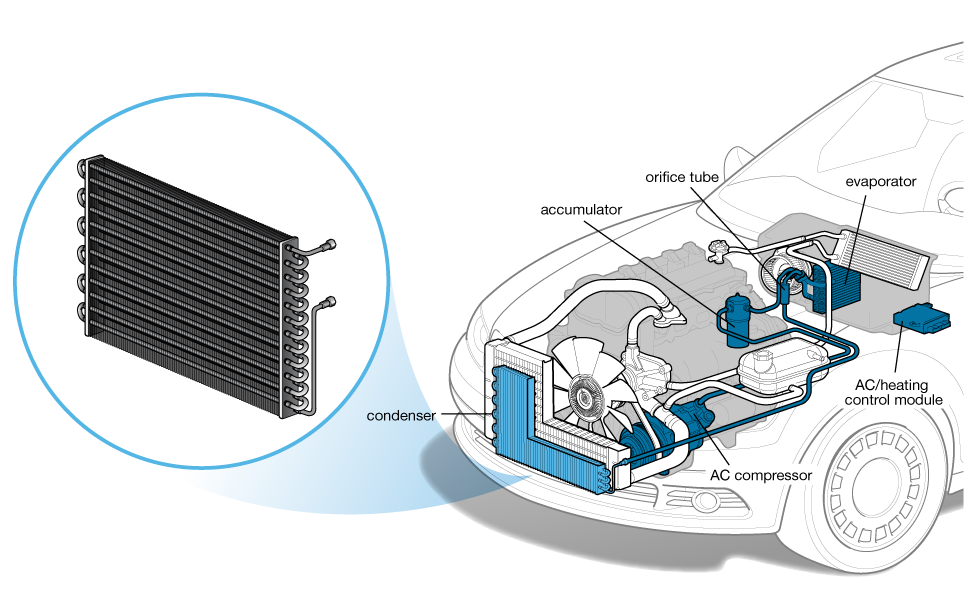
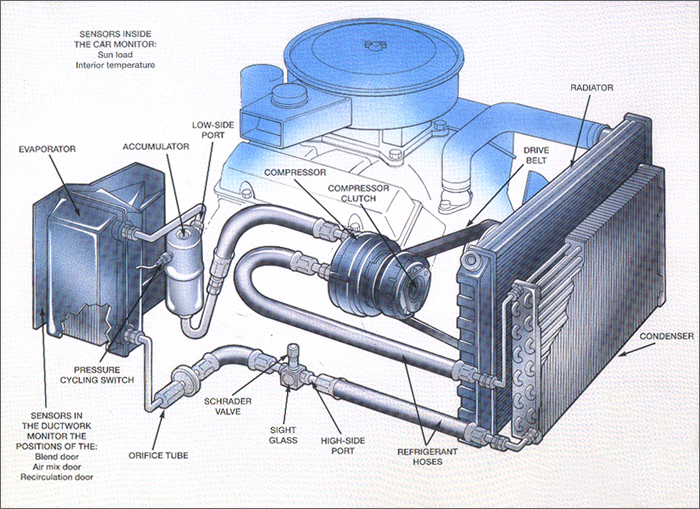
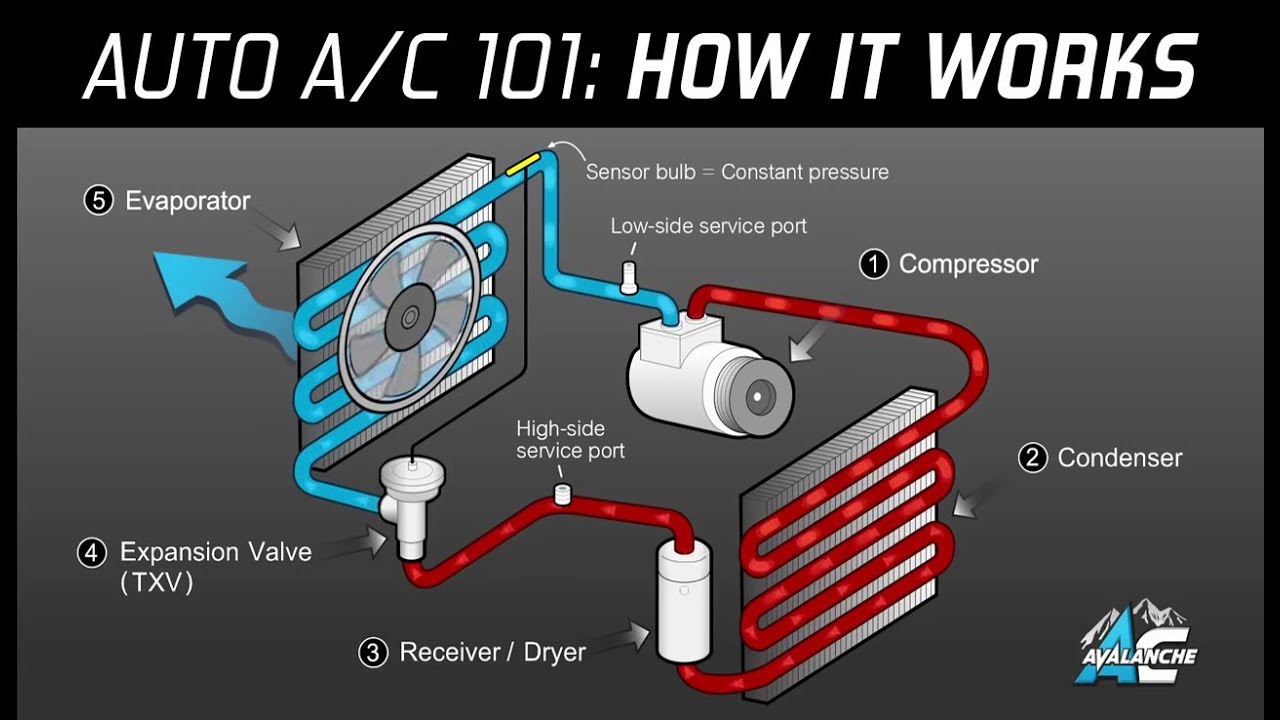
The compressor is usually located in the engine compartment, driven by the engine via a belt. However, pinpointing its exact location requires a little detective work. Here's a methodical approach:
1. Safety First!
Before you even pop the hood, ensure the engine is completely off and has had ample time to cool down. Working on a hot engine is a surefire way to get burned. Disconnect the negative battery terminal for an added layer of safety, especially if you plan on doing any electrical testing.
2. Locate the Serpentine Belt
The serpentine belt is a long, winding belt that snakes around several pulleys at the front of your engine. It's responsible for driving various accessories, including the alternator, power steering pump, and, of course, the air conditioning compressor. Finding this belt is key to finding the compressor.
Visual Inspection: Open your car's hood and identify the serpentine belt. Consult your car's owner's manual for a diagram if you're unsure. The belt is usually black and made of rubber, with multiple grooves running along its length.
3. Trace the Belt to the Compressor
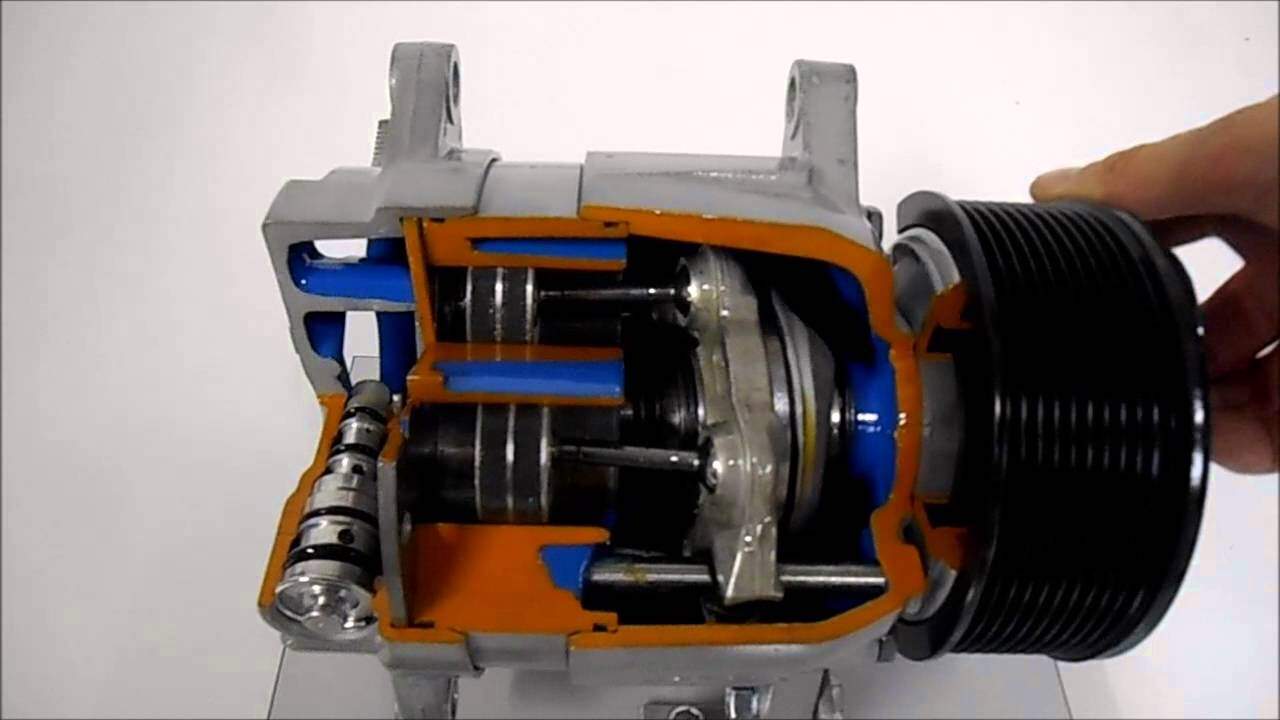
Once you've located the serpentine belt, follow it to the accessory components it drives. The AC compressor will have a pulley connected to it, driven by the belt. Look for a cylindrical or rectangular component with hoses connecting to it. It will often have a clutch mechanism on the front, facing the engine.
Key Characteristics of the Compressor:
* Pulley: A round, metal pulley that rotates with the serpentine belt. * Clutch: A circular plate on the front of the pulley that engages and disengages the compressor. You might see this engage/disengage when the AC is turned on/off. * Hoses: Two refrigerant lines (usually one larger than the other) that connect to the compressor. * Location: Typically mounted low down at the front of the engine for cooling. * Shape: Often cylindrical or boxy in shape.4. Consult Your Car's Repair Manual or Online Resources
If you're still having trouble locating the compressor, your car's repair manual is your best friend. It will have detailed diagrams of the engine compartment and identify all the components. Alternatively, online resources like YouTube videos or car-specific forums can provide visual guidance.
Pro Tip: Search online using your car's year, make, and model followed by "AC compressor location" to find specific information for your vehicle.
Troubleshooting AC Problems: A DIY Approach
Now that you know where the compressor is, let's explore some common AC problems and how you can troubleshoot them yourself.
1. Preliminary Checks (No Tools Required)
Before diving into more complex diagnostics, perform these simple checks:
* Check the AC Button: Sounds obvious, but make sure the AC button is actually engaged! * Listen for the Compressor Clutch: With the engine running and the AC turned on, listen carefully near the compressor. You should hear a distinct "click" as the clutch engages. This indicates the compressor is receiving power and attempting to turn on. If you don't hear a click, there might be an electrical issue or a problem with the refrigerant pressure. * Check the Blower Motor: Make sure the blower motor is working correctly. If the fan isn't blowing air into the cabin, the AC won't be effective, even if the compressor is working fine. * Check for Obvious Leaks: Visually inspect the refrigerant lines and connections for any signs of leaks. Oily residue near the connections could indicate a refrigerant leak. *Do not touch refrigerant directly. It can cause frostbite.*2. Basic Diagnostics (Requires Basic Tools)
These checks require some basic tools, such as a multimeter and a set of wrenches.
* Check the Compressor Clutch Voltage: Use a multimeter to check if the compressor clutch is receiving voltage when the AC is turned on. If there's no voltage, there's likely an electrical issue in the circuit (fuse, relay, wiring). *Be cautious when working with electrical components.* * Check the Fuses and Relays: Consult your car's owner's manual for the location of the AC fuse and relay. Use a multimeter to check if the fuse is blown. You can also try swapping the AC relay with a similar relay to see if that resolves the issue. * Inspect the Serpentine Belt: Check the serpentine belt for signs of wear and tear, such as cracks, fraying, or glazing. A worn-out belt can slip, preventing the compressor from turning properly. If the belt is loose, check the tensioner pulley to ensure it is working correctly. The belt should be replaced if damaged.3. When to Call a Professional
Some AC problems require specialized knowledge and equipment to diagnose and repair. It's best to consult a qualified HVAC technician in the following situations:
* Refrigerant Leaks: Handling refrigerant requires specialized equipment and training. Releasing refrigerant into the atmosphere is illegal and harmful to the environment. * Compressor Failure: Replacing a compressor is a complex job that requires evacuating and recharging the refrigerant system. * Electrical Problems: If you're uncomfortable working with electrical circuits, it's best to leave electrical diagnosis and repair to a professional. * Uncertainty: If you've performed the basic troubleshooting steps and still can't identify the problem, it's time to seek professional help.DIY Actions You Can Take (Safely!)
While some AC repairs are best left to professionals, there are several DIY actions you can take to potentially resolve common issues:
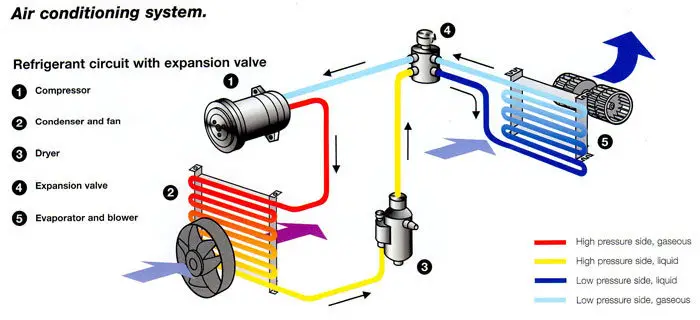
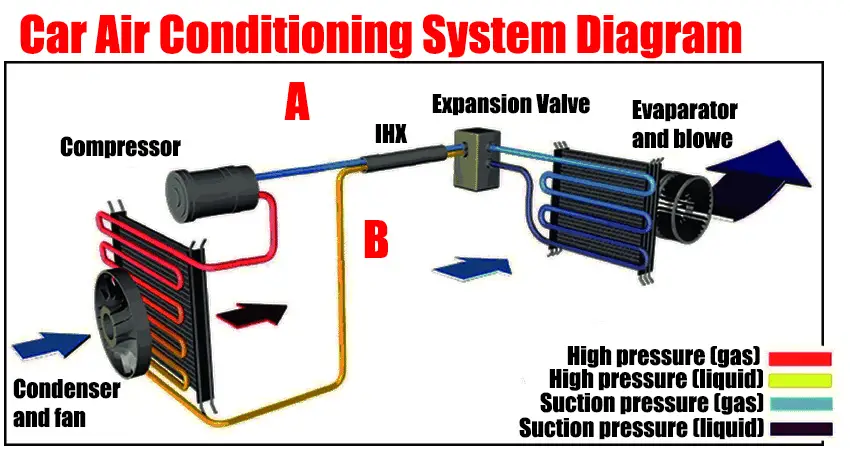
* Replace a Blown Fuse: If you've identified a blown fuse, replacing it with a fuse of the correct amperage rating is a simple task. * Replace a Worn Serpentine Belt: Replacing a serpentine belt is a relatively straightforward task that can be accomplished with basic tools. Consult your car's repair manual for specific instructions. * Clean the Condenser: The condenser is located in front of the radiator and helps to dissipate heat from the refrigerant. Cleaning debris (leaves, bugs) from the condenser can improve AC performance. Use a garden hose with a gentle spray nozzle. *Do not use high pressure as you could damage the fins on the condensor.* * Add Refrigerant (With Caution!): If you suspect a minor refrigerant leak, you can attempt to add refrigerant using a DIY recharge kit. However, it's crucial to follow the instructions carefully and avoid overcharging the system. Overcharging can damage the compressor. *If you are unsure of how to use a recharge kit, have a professional service the system.*Understanding Refrigerant and its Dangers
Refrigerant is a vital component of your car's AC system, responsible for absorbing and releasing heat to cool the air. However, it's crucial to understand the potential dangers associated with handling refrigerant:
* Environmental Impact: Many refrigerants are potent greenhouse gases that contribute to climate change. Releasing refrigerant into the atmosphere is illegal and environmentally irresponsible. * Frostbite: Direct contact with refrigerant can cause severe frostbite. Always wear gloves and eye protection when working with refrigerant. * Health Hazards: Inhaling refrigerant vapors can be harmful. Work in a well-ventilated area when dealing with refrigerant.Safety First: Always prioritize safety when working on your car's AC system. Wear appropriate safety gear, follow instructions carefully, and don't hesitate to seek professional help when needed.
Maintaining Your Car's AC System
Preventive maintenance can help extend the life of your car's AC system and prevent costly repairs. Here are some tips:
* Run the AC Regularly: Even during the winter months, run the AC for a few minutes each week to keep the compressor lubricated and prevent seals from drying out. * Check the Serpentine Belt Regularly: Inspect the serpentine belt for wear and tear and replace it as needed. * Clean the Condenser: Keep the condenser clean and free of debris. * Schedule Regular AC Service: Have your car's AC system inspected and serviced by a qualified technician every few years. This includes checking the refrigerant level, inspecting the components for leaks, and cleaning the system.By understanding the location of your car's AC compressor, performing basic troubleshooting steps, and taking preventive maintenance measures, you can keep your car's AC system running smoothly for years to come. Remember to prioritize safety and seek professional help when needed.