Where Is The Air Conditioner Drain Pan
A stuffy house on a sweltering day. The air conditioner is humming, but no cool air is coming out. One very common cause of air conditioning problems is a clogged or overflowing drain pan. Understanding where this pan is and how to address potential issues can often save you a costly service call.
Understanding the Air Conditioner Drain Pan
The air conditioner's drain pan is a crucial component in removing condensation produced during the cooling process. As your AC unit cools warm, humid air, moisture condenses on the evaporator coils. This water then drips into the drain pan and is channeled away through a drain line. Problems arise when this drain line becomes clogged, causing the pan to overflow and potentially damage your home.
Safety First!
Before attempting any troubleshooting, always prioritize safety:
- Turn off the power: Locate the circuit breaker for your AC unit and switch it off. This is essential to prevent electrical shock.
- Read your manual: Consult your air conditioner's owner's manual for specific instructions and safety guidelines related to your model.
- Use caution: Be aware of your surroundings and avoid working in wet or slippery conditions.
Important Note: If you are uncomfortable working with electricity or your AC unit is complex, it is always best to call a qualified HVAC technician.
Finding the Drain Pan: A Step-by-Step Guide
The location of your AC drain pan depends on the type of air conditioning system you have. Here's a breakdown of common locations:
1. Central Air Conditioning Systems
For central air systems, the drain pan is usually located inside the indoor air handler unit, often found in:
- Attics: Many central air units are installed in attics. Look for a large, metal box-like structure. The drain pan will be underneath or beside the unit.
- Basements: Another common location for air handlers is in the basement. Follow the ductwork to locate the unit.
- Closets: In some homes, the air handler might be tucked away in a closet.
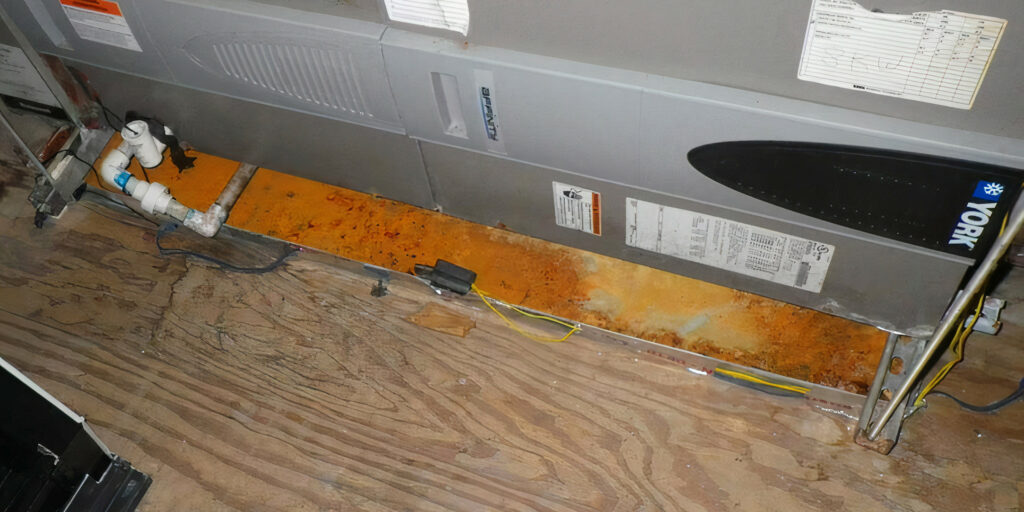
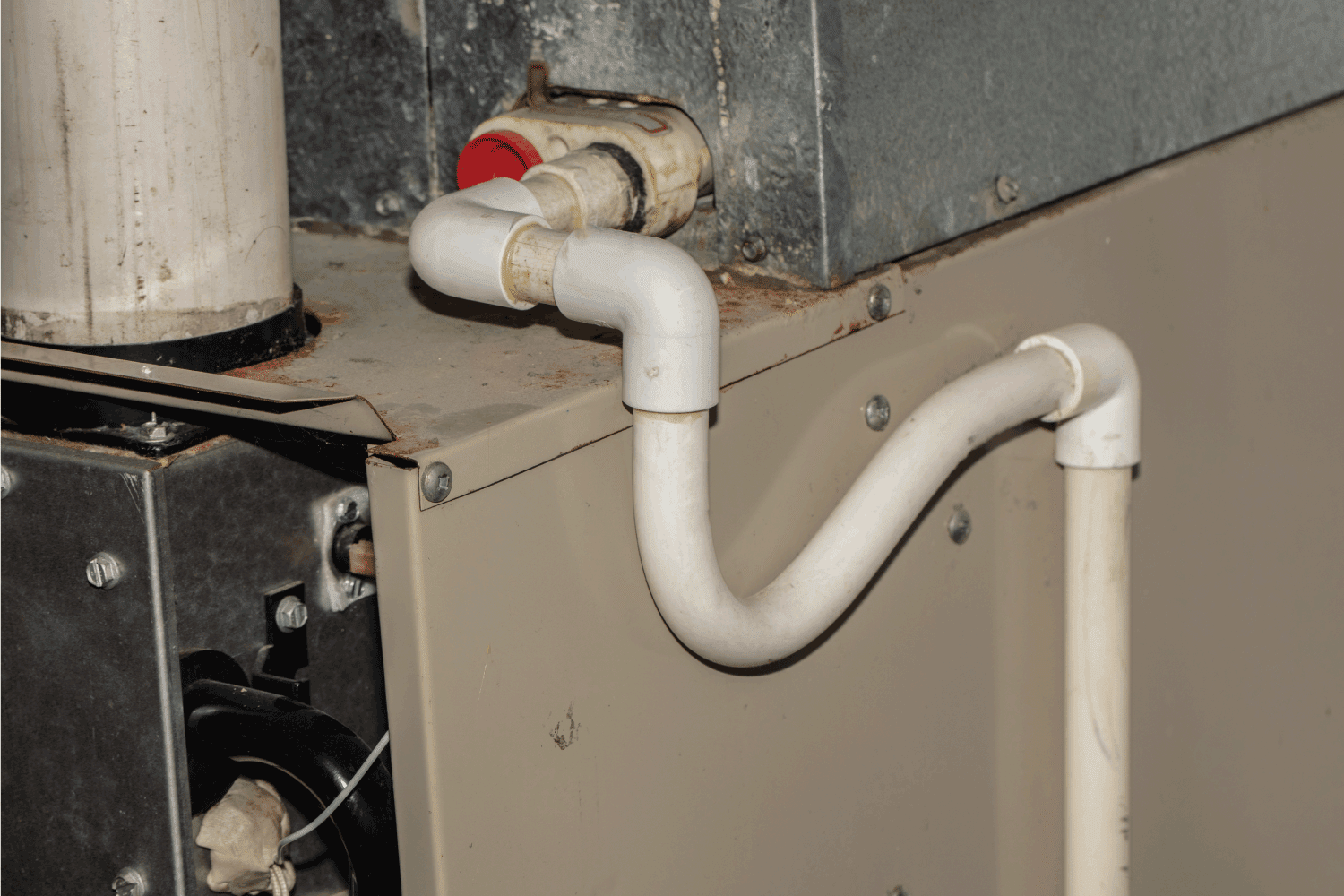
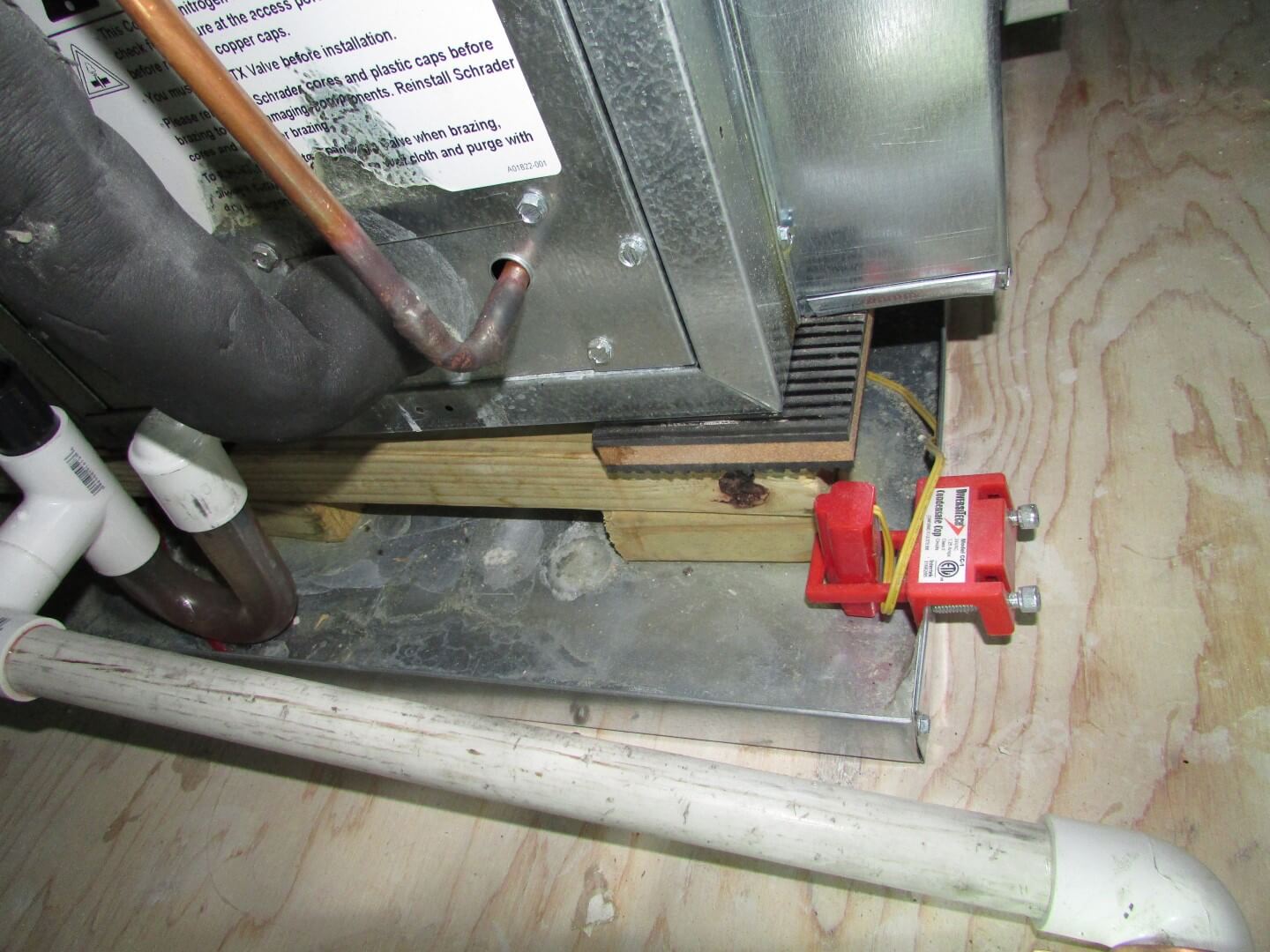
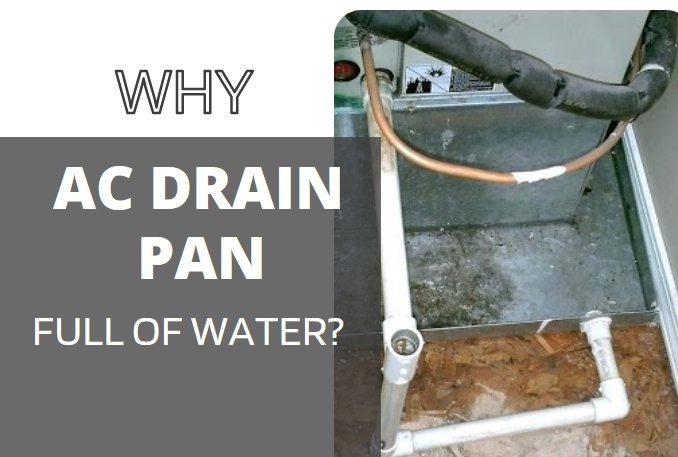
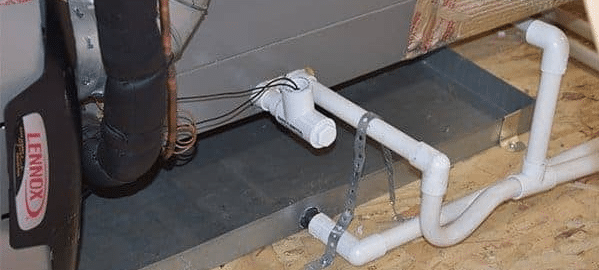
Locating the Pan: Once you've found the air handler, look for a shallow pan made of plastic or metal. It's usually positioned directly underneath the evaporator coils. It will have a drain line (usually a PVC pipe) exiting the pan.
2. Window Air Conditioning Units
Window units have a much smaller, integrated drain pan. It's typically located:
- Inside the unit: The drain pan is usually part of the unit's base. You may not be able to see it directly without disassembling the unit, which is not recommended unless you are very comfortable with appliance repair.
- Exterior bottom: You *might* see a small drain hole or spout on the exterior bottom of the unit where water drips out.
Important Considerations: Because of their integrated design, accessing and cleaning the drain pan in a window unit can be difficult and often requires professional assistance.
3. Ductless Mini-Split Systems
Ductless mini-split systems have an indoor unit mounted on the wall. The drain pan is:
- Inside the indoor unit: Similar to window units, the drain pan is integrated within the indoor unit's housing.
- Accessed by removing the front panel: Some models allow access to the drain pan by carefully removing the front panel. Consult your owner's manual for specific instructions on panel removal.
Special Note: Mini-split systems are more complex and often require specialized tools and knowledge. If you are unsure about accessing the drain pan, contact a qualified technician.
Troubleshooting a Clogged Drain Pan
Once you've located the drain pan, you can begin troubleshooting the most common problem: a clog.
1. Inspecting for Overflow
The first sign of a clogged drain pan is often water damage around the air handler or a musty smell. Look for:
- Water stains on the ceiling or walls: This is a clear indication of a leak.
- Water pooling around the air handler: Check the floor around the unit for standing water.
- Musty odors: Mold and mildew thrive in damp environments, so a musty smell can indicate a hidden leak.
2. Checking the Drain Line
The drain line is the pipe that carries water away from the drain pan. A clogged drain line is the most frequent cause of drain pan overflow.
- Locate the drain line outlet: This is usually a PVC pipe that exits your house near the outdoor unit.
- Check for blockage: Look for any visible obstructions at the outlet, such as debris, leaves, or insect nests.
3. Clearing the Drain Line: DIY Methods
Here are several methods you can try to clear a clogged drain line:
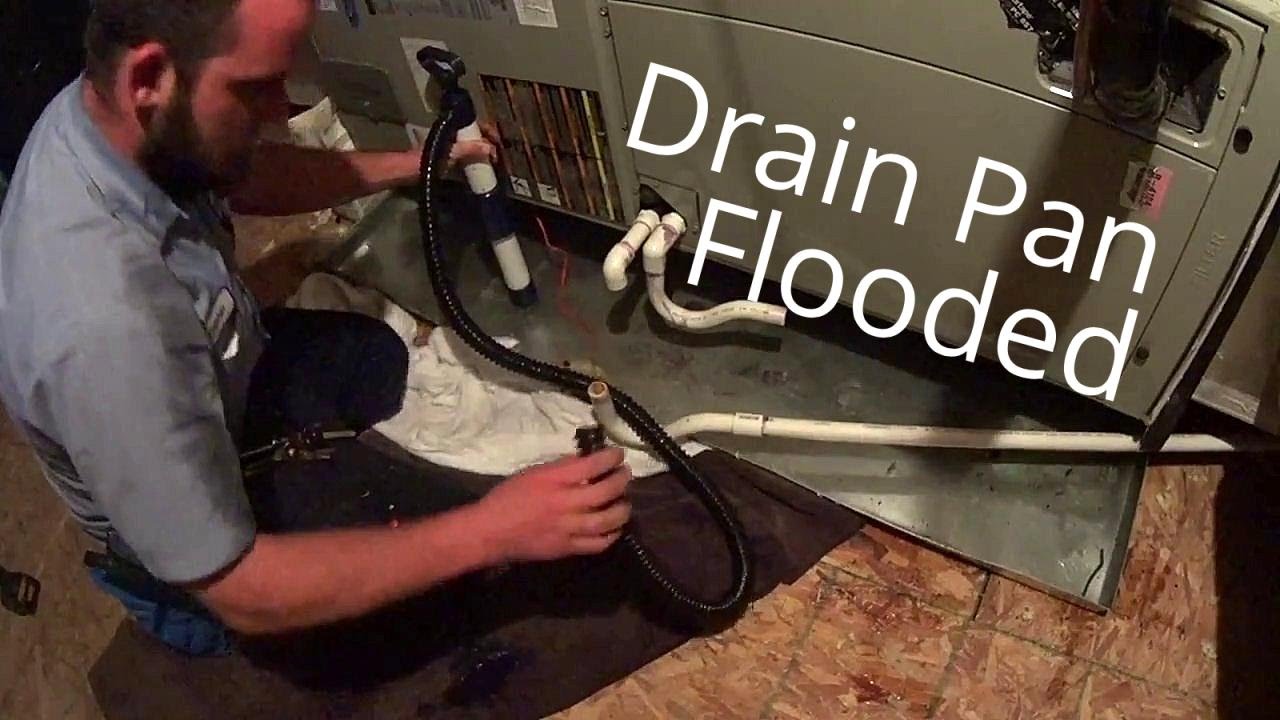
- Wet/Dry Vacuum: This is often the most effective method. Attach the hose of a wet/dry vacuum to the drain line outlet and create a tight seal. Turn on the vacuum to suck out any debris clogging the line. You may need to repeat this process several times. Be prepared for a surge of water and debris to come out.
- Pouring Hot Water: Carefully pour a pot of hot (but not boiling) water down the drain line. This can help dissolve minor clogs caused by algae or mineral buildup.
- Using a Stiff Wire or Pipe Cleaner: Gently insert a stiff wire (like a coat hanger, straightened) or a flexible pipe cleaner into the drain line to break up any clogs. Be careful not to puncture the drain pan or the drain line itself.
- Vinegar Flush: Pour a cup of white vinegar down the drain line. Vinegar is a natural disinfectant and can help prevent future clogs by killing algae and bacteria. Let it sit for about 30 minutes before flushing with water.
4. Cleaning the Drain Pan
Even if you clear the drain line, it's a good idea to clean the drain pan to remove any accumulated debris or mold.
- Remove standing water: Use a sponge or wet/dry vacuum to remove any standing water in the drain pan.
- Clean the pan: Use a mild detergent and a scrub brush to clean the interior of the drain pan. Be gentle to avoid damaging the pan.
- Rinse thoroughly: Rinse the pan with clean water to remove any soap residue.
- Disinfect: Spray the pan with a disinfectant solution (like a bleach solution – 1 part bleach to 10 parts water) to kill any remaining mold or bacteria. Be careful when using bleach and avoid contact with skin and eyes. Let the disinfectant sit for a few minutes before rinsing again.
5. Installing Drain Pan Tablets
To help prevent future clogs, consider using drain pan tablets. These tablets contain chemicals that slowly dissolve, preventing algae and bacteria growth in the drain pan and drain line. Follow the manufacturer's instructions for placement and replacement.
When to Call a Professional
While many drain pan issues can be resolved with DIY methods, there are certain situations where it's best to call a qualified HVAC technician:
- You are uncomfortable working with electricity: Electricity is dangerous. If you are not comfortable disconnecting the power or working around electrical components, leave the repair to a professional.
- The drain line is severely clogged and you cannot clear it: A persistent clog may indicate a more serious problem, such as a collapsed drain line.
- You suspect a refrigerant leak: Refrigerant leaks require specialized equipment and training to repair.
- The drain pan is damaged: A cracked or damaged drain pan needs to be replaced, which may require specialized skills and tools.
- You are unsure about any step of the process: It's always better to be safe than sorry. If you are unsure about any aspect of the repair, contact a professional.
- If your unit is still under warranty: Attempting repairs yourself may void the warranty. Contact the manufacturer or a certified technician for assistance.
Preventative Maintenance
The best way to avoid drain pan problems is to perform regular preventative maintenance.
- Inspect the drain pan and drain line regularly: Check for any signs of overflow or clogs at least once a month, especially during periods of heavy AC use.
- Flush the drain line with vinegar: Pour a cup of white vinegar down the drain line every few months to prevent algae and bacteria growth.
- Use drain pan tablets: Install drain pan tablets as directed by the manufacturer.
- Schedule professional maintenance: Have your AC unit professionally inspected and serviced at least once a year. A technician can identify and address potential problems before they become major issues.
By understanding the location of your air conditioner's drain pan and performing regular maintenance, you can prevent costly repairs and keep your home cool and comfortable all summer long.