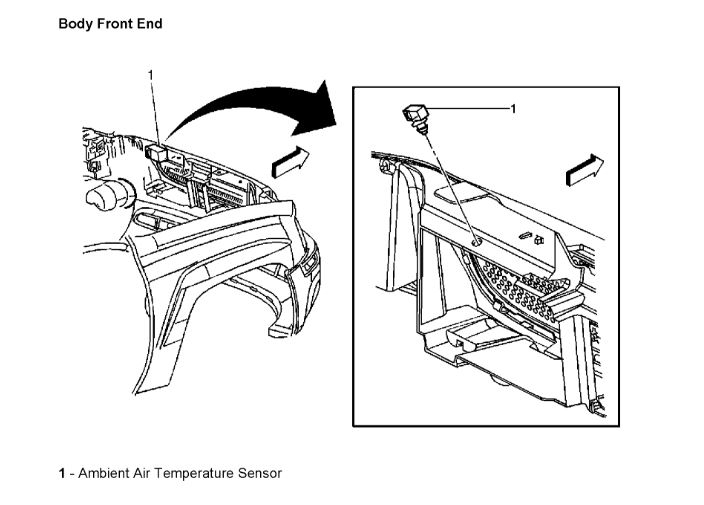
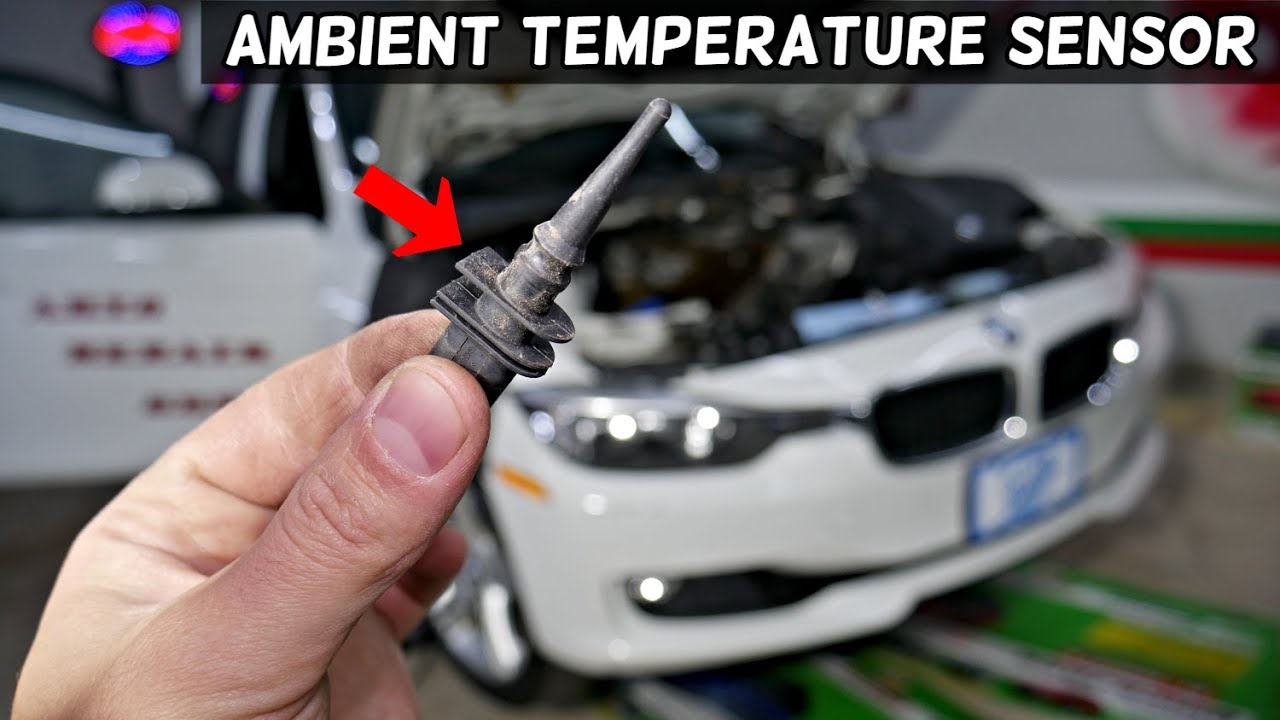
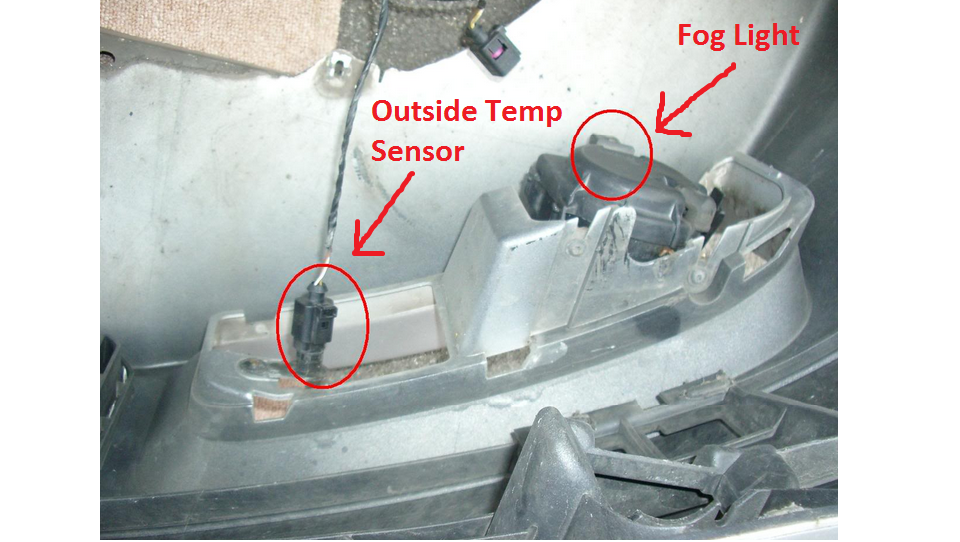
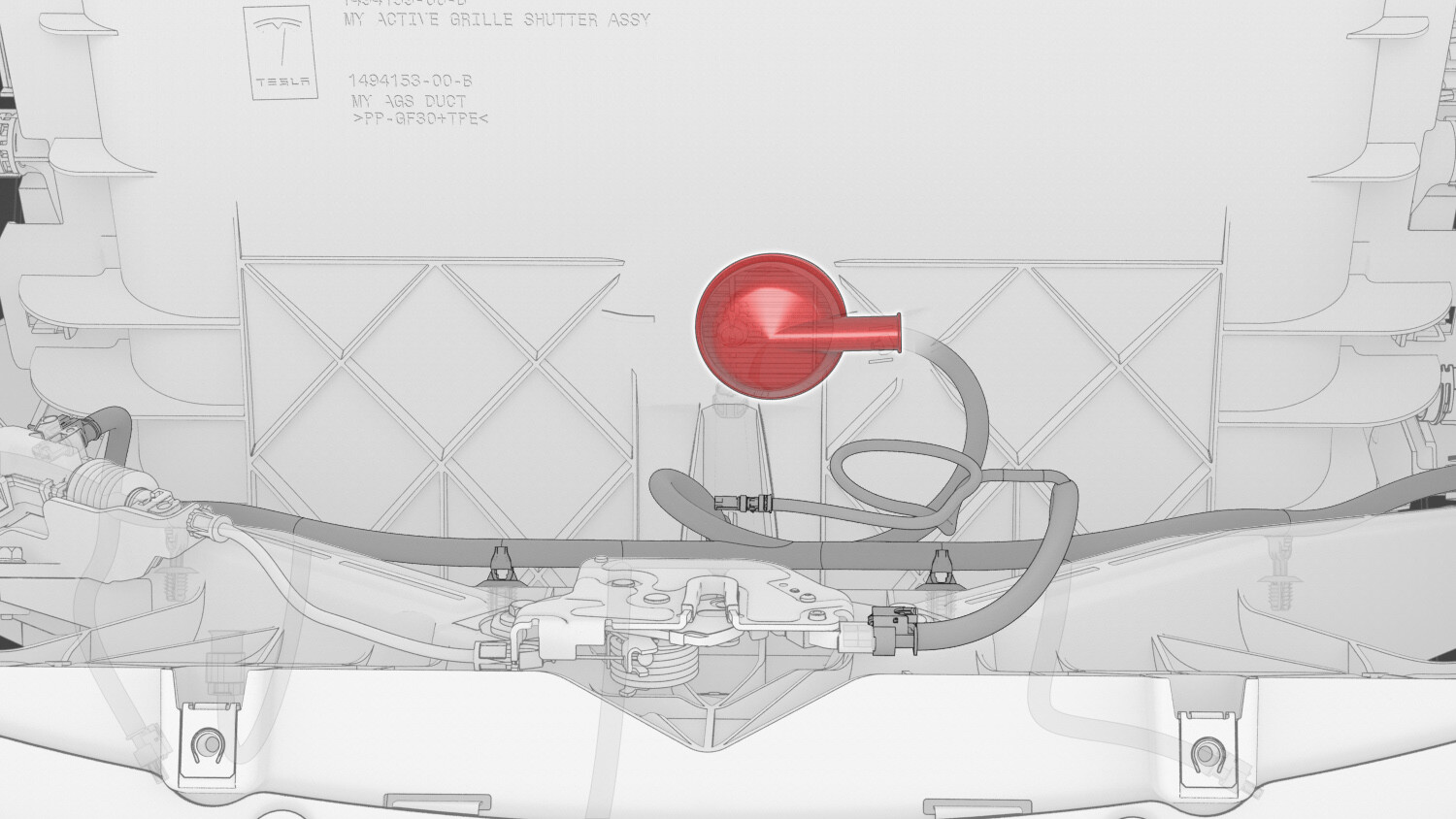
Where Is The Ambient Air Temperature Sensor

Understanding the location of the ambient air temperature sensor is crucial for optimizing HVAC system performance, whether you're a homeowner trying to troubleshoot a thermostat issue, an HVAC technician installing a new system, or a facility manager overseeing a large commercial building. This article provides a comprehensive guide to help you locate this critical component in various HVAC setups.
What is an Ambient Air Temperature Sensor?
The ambient air temperature sensor, often referred to simply as the ambient temperature sensor, is a device that measures the temperature of the surrounding air. In the context of HVAC systems, this sensor provides vital information to the control system, allowing it to regulate heating and cooling output to maintain the desired indoor temperature. Think of it as the HVAC system's primary source of environmental data.
Why is it important?
The accuracy of the ambient air temperature sensor directly impacts the efficiency and effectiveness of your HVAC system. If the sensor is faulty or poorly located, it can lead to:
- Inaccurate temperature readings: This results in the system overshooting or undershooting the setpoint temperature. Imagine setting your thermostat to 72°F, but the system continues to run, driving the temperature down to 68°F because the sensor is misreading the ambient temperature.
- Reduced energy efficiency: Constant cycling or prolonged operation wastes energy and increases utility bills.
- System damage: In extreme cases, a faulty sensor can cause the HVAC system to work harder than necessary, leading to premature wear and tear, or even component failure.
- Comfort issues: Inconsistent temperature control creates discomfort for building occupants.
Where to Find the Ambient Air Temperature Sensor
The location of the ambient air temperature sensor varies depending on the type of HVAC system and its configuration. Here's a breakdown of common locations:
1. Thermostats
In most residential HVAC systems, the ambient air temperature sensor is integrated into the thermostat. This is the most common and easily accessible location. Digital thermostats use a thermistor, a type of resistor whose resistance varies with temperature. Analog thermostats often use a bi-metal coil that physically moves with temperature changes.
Important Note: When troubleshooting thermostat issues, check the thermostat's placement. Avoid locations near direct sunlight, drafts from windows or doors, or heat-generating appliances. These factors can significantly skew the sensor's readings.
Example: If your thermostat is located on an exterior wall that receives direct afternoon sun, the sensor will register a higher temperature than the actual room temperature, causing the air conditioning to run less frequently than needed.
2. Outdoor Units (Heat Pumps and Air Conditioners)
Many heat pumps and some air conditioners also have an ambient air temperature sensor located within the outdoor unit. This sensor provides data about the outside temperature, which is crucial for optimizing heating and cooling performance, particularly for heat pumps operating in heating mode.
The sensor's location within the outdoor unit is usually protected from direct sunlight and precipitation, but it still needs to be accessible for maintenance and replacement. Look for it near the control panel or circuit board inside the unit.
Example: A heat pump uses the outdoor ambient temperature sensor to determine when to initiate defrost cycles. If the sensor is faulty and reads a temperature higher than the actual ambient temperature, the system may not defrost properly, leading to ice buildup and reduced heating efficiency.
3. Indoor Units (Furnaces and Air Handlers)
While less common than in thermostats, some furnaces and air handlers also incorporate an ambient air temperature sensor. This sensor typically monitors the temperature of the air entering the unit, providing feedback for modulating burner output or fan speed.
The sensor is usually located within the unit's cabinet, near the air intake or blower compartment. Consult the manufacturer's documentation to pinpoint its exact location.
4. Building Automation Systems (BAS)
In large commercial buildings, HVAC systems are often controlled by a Building Automation System (BAS). These systems typically utilize a network of sensors, including multiple ambient air temperature sensors strategically placed throughout the building.
These sensors can be located in various zones, individual offices, or common areas, providing granular temperature data to the BAS controller. The data is then used to optimize HVAC operation on a zone-by-zone basis, maximizing energy efficiency and occupant comfort.
Example: A BAS can use ambient temperature sensors in different office zones to detect that one zone is receiving more solar heat gain than another. The system can then adjust the cooling output to that zone to maintain a consistent temperature throughout the building.
5. Ductwork
Some advanced HVAC systems use sensors inside the ductwork to measure the temperature of the air being supplied or returned. This data can be used to fine-tune system performance and identify potential problems, such as duct leakage or airflow restrictions.
Troubleshooting and Maintenance
If you suspect a problem with your ambient air temperature sensor, here are some troubleshooting tips:
- Check the sensor's location: Ensure the sensor is not exposed to direct sunlight, drafts, or other sources of interference.
- Inspect the wiring: Look for loose connections, corrosion, or damaged wires.
- Use a multimeter: If you're comfortable working with electrical circuits, you can use a multimeter to test the sensor's resistance. Consult the manufacturer's specifications for the correct resistance range at a given temperature.
- Compare readings: Use a calibrated thermometer to compare the sensor's reading to the actual ambient temperature.
- Consult a professional: If you're not comfortable troubleshooting the sensor yourself, contact a qualified HVAC technician.
Preventative maintenance is also crucial for ensuring the accuracy and reliability of your ambient air temperature sensors. Regular inspections and cleaning can prevent dust, dirt, and corrosion from affecting their performance.
Cost Considerations
The cost of replacing an ambient air temperature sensor varies depending on the type of sensor and the complexity of the system. Thermostat sensors are generally inexpensive, while sensors used in BAS systems can be more costly. Labor costs for replacement will also vary depending on the accessibility of the sensor and the complexity of the repair.
General Cost Estimates:
- Thermostat Sensor: $10 - $50 (DIY replacement possible for some models)
- Outdoor Unit Sensor: $20 - $100 (Professional installation recommended)
- BAS Sensor: $50 - $200+ (Professional installation and programming required)
Efficiency Ratings and Lifespan
The lifespan of an ambient air temperature sensor typically ranges from 5 to 15 years, depending on the quality of the sensor and the environmental conditions. However, factors such as excessive moisture, extreme temperatures, and electrical surges can shorten its lifespan. Properly maintained sensors will generally last longer.
While sensors themselves don't have "efficiency ratings" in the same way that HVAC equipment does, their accuracy directly impacts the overall efficiency of the system. A properly functioning sensor ensures that the system operates optimally, minimizing energy waste and maximizing comfort.
Choosing the Right Sensor (For Technicians and Installers)
When replacing an ambient air temperature sensor, it's crucial to choose a sensor that is compatible with the existing HVAC system. Consult the manufacturer's specifications or cross-reference the part number to ensure proper compatibility. Consider the following factors:
- Sensor Type: Thermistor, RTD (Resistance Temperature Detector), or thermocouple.
- Resistance Range: Match the resistance range of the original sensor.
- Accuracy: Choose a sensor with an accuracy rating that meets the system's requirements.
- Operating Temperature Range: Ensure the sensor can withstand the expected temperature range.
Using an incompatible sensor can lead to inaccurate readings, system malfunctions, or even damage to the control system.
Conclusion
The ambient air temperature sensor is a small but critical component of any HVAC system. Understanding its location, function, and potential problems is essential for maintaining optimal performance, energy efficiency, and occupant comfort. Whether you're a homeowner, HVAC technician, or facility manager, this guide provides the knowledge you need to troubleshoot issues, perform maintenance, and ensure that your HVAC system operates at its best.