Where Is The Backflow Preventer Located

Frequently Asked Questions: Finding Your Backflow Preventer
Backflow preventers are crucial devices that protect our drinking water. They stop contaminated water from flowing backward into the clean water supply. Understanding where yours is located is essential for maintenance, testing, and in case of emergencies. Here are some common questions to help you find it.
1. What exactly is a backflow preventer and why do I need to know where it is?
A backflow preventer is a plumbing device designed to prevent water from flowing in the reverse direction in a water system. This reversal, known as backflow, can happen due to pressure changes and can allow contaminated water from sources like irrigation systems, swimming pools, or industrial processes to enter the potable (drinking) water supply.
Knowing its location is important for several reasons:
- Regular Testing: Backflow preventers need to be tested annually to ensure they're working correctly. You'll need to show the tester where the device is.
- Maintenance & Repairs: If the device fails, you need to be able to locate it quickly for repairs to restore proper water protection.
- Emergency Shut-off: In the event of a potential backflow incident, knowing where it is allows you to quickly shut off the water supply and prevent contamination.
- Winterization: In colder climates, backflow preventers are susceptible to freezing. Knowing where yours is allows you to properly insulate it or take other preventative measures.
2. Where are backflow preventers typically located in a residential property?
The location of your backflow preventer depends on what it's protecting. Here's a breakdown of common locations:
- Irrigation Systems: This is the most common type for homeowners. You'll typically find it:
- Near the water meter: Often located outside near the street, close to your main water meter, either above or below ground in a protective box.
- Along the irrigation line: Could be located somewhere along the irrigation line, often near the point where it connects to the main water supply. Look for a raised, covered box.
- Attached to the house: In some cases, it may be mounted on the exterior wall of your house, particularly if the irrigation system is small.
- Inside the House (less common): If you have a potential backflow hazard inside, such as a water softener or a specialized plumbing fixture, the preventer might be indoors. Look:
- Near the water heater: Sometimes near the main water supply line where it enters your home or near the water heater.
- Under sinks: Possibly under the sink in areas with special fixtures (e.g., a darkroom sink with a chemical mixing valve).
Pro Tip: If you have an irrigation system, start your search outdoors near the water meter. If you can’t find it there, follow the irrigation lines from the controller to the water source.
3. What should I look for when searching for my backflow preventer? What does it look like?
Backflow preventers come in various shapes and sizes, but here are some common characteristics to look for:
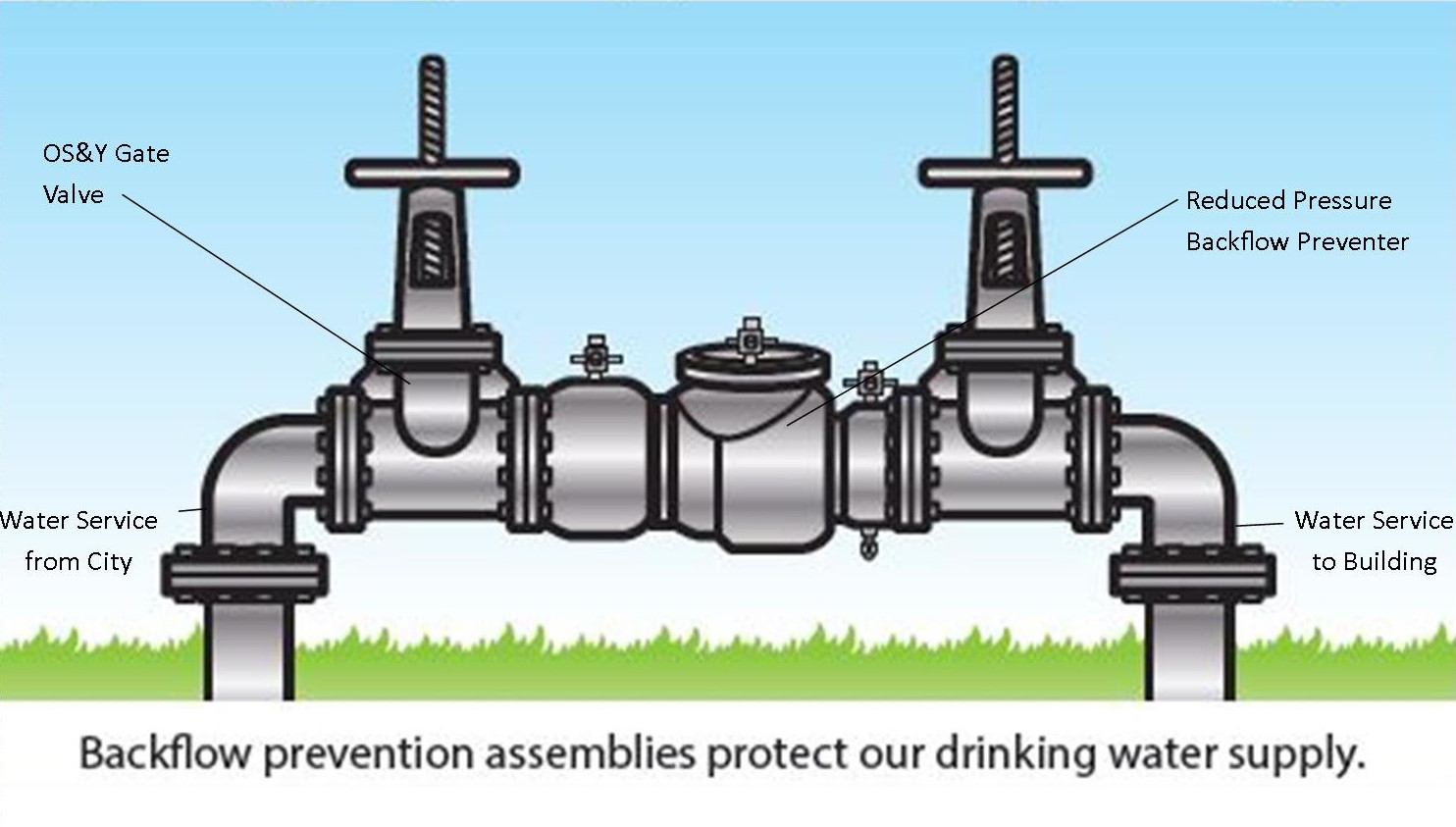
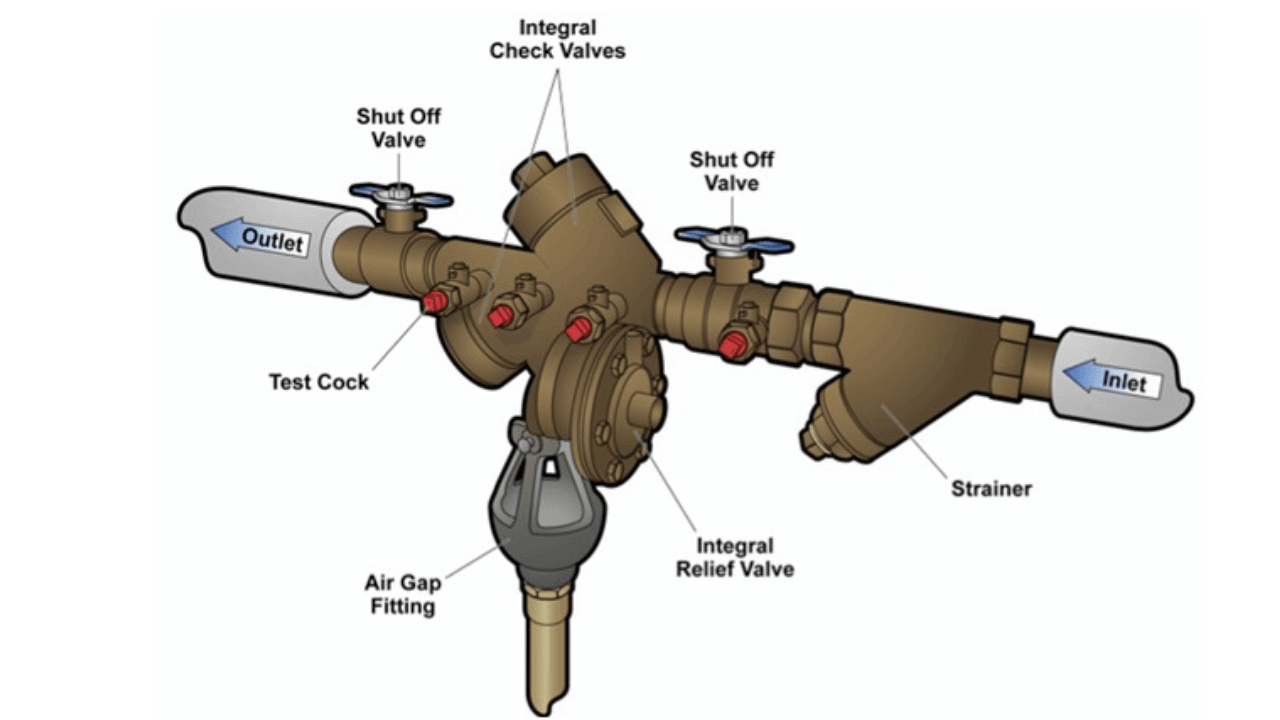
- Brass or Bronze Body: Most backflow preventers are made of brass or bronze, so look for a metallic device, often with a slightly greenish or tarnished appearance if it's older.
- Multiple Valves & Test Cocks: They typically have multiple valves (usually two or more) and small test cocks (small spigots) along the body. These are used for testing the device.
- Distinct Shape: They often have a distinctive shape with rounded or cylindrical sections connected by straight pipes.
- Protective Housing: Outdoor backflow preventers are often housed in a green or brown plastic box to protect them from the elements. This box may be partially buried in the ground.
- Size: Sizes vary from a few inches long to over a foot, depending on the size of the pipe it's connected to.
Important Note: If you see a device that looks like a simple shut-off valve, that's *not* a backflow preventer. Backflow preventers are more complex devices with multiple components.
4. What if I still can't find my backflow preventer? Who can help me locate it?
If you've searched diligently and still can't find your backflow preventer, here are some resources to help:
- Check Your Paperwork: Review your home's plumbing plans (if available), old inspection reports, or irrigation system documentation. These documents may indicate the location of the backflow preventer.
- Contact Your Local Water Company: Your water company may have records of where backflow preventers are installed in your area, especially for irrigation systems. They may even be able to provide you with general guidance based on your property's layout.
- Consult a Licensed Plumber: A licensed plumber is your best bet. They have experience locating backflow preventers and can quickly identify the device, even if it's hidden or buried. They can also perform the required annual testing.
- Ask Your Irrigation Specialist: If the backflow preventer is for your irrigation system, contact the company that installed or services your sprinkler system. They should know the location of the device.
- Previous Homeowners: If possible, contact the previous homeowners. They may be able to point you in the right direction.
5. Are there different types of backflow preventers, and does that affect where they are located?
Yes, there are different types of backflow preventers, and their location can sometimes be influenced by the specific type.
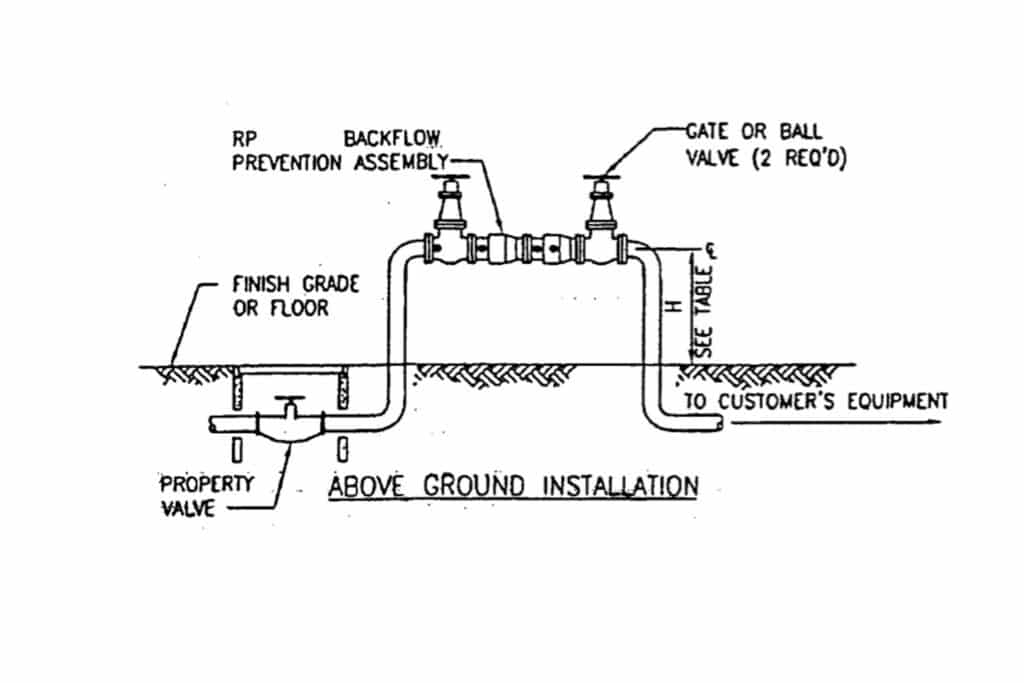
- Reduced Pressure Zone (RPZ) Backflow Preventer: Considered the highest level of protection, RPZ valves are commonly used in high-hazard situations (e.g., chemical processing plants). Due to their design and potential for discharging water, they're usually installed above ground and require a drain to handle potential discharge.
- Double Check Valve Assembly (DCVA): This type provides a good level of protection and is commonly used for irrigation systems and other non-potable water applications. They can be installed above or below ground, depending on local regulations and site conditions.
- Pressure Vacuum Breaker (PVB): PVBs are primarily used for irrigation systems and must be installed above ground and at a specific height above the highest sprinkler head to function correctly. This makes them relatively easy to locate.
- Atmospheric Vacuum Breaker (AVB): These are the simplest type and are often used on individual fixtures like hose bibs. They must be installed at the point of use and above the flood rim of the fixture they're protecting.
Knowing the type of backflow preventer you have can narrow down your search. For instance, if you know you have a PVB for your irrigation system, you can focus your search on above-ground locations along the irrigation lines.
6. Why is it important to keep the area around my backflow preventer clear and accessible?
Maintaining a clear and accessible area around your backflow preventer is crucial for several reasons:
- Easy Access for Testing: Backflow preventers require annual testing by a certified technician. Obstructions like overgrown bushes, stored items, or debris can make it difficult for the tester to access the device, potentially leading to delays or extra charges.
- Simplified Maintenance and Repairs: In the event of a malfunction or leak, a clear area allows plumbers to quickly diagnose the problem and perform necessary repairs without having to first clear away obstructions. This can save time and money.
- Preventing Damage: Overgrown vegetation can damage the backflow preventer itself or the protective housing around it. Roots can also interfere with underground pipes.
- Emergency Shut-Off: In a backflow emergency, you need to be able to quickly access the device to shut off the water supply. Obstructions can hinder your ability to do so, potentially leading to contamination of the water system.
- Visual Inspection: Regularly inspecting your backflow preventer for signs of leaks or damage is easier when the area is clear. Early detection of problems can prevent more serious issues down the road.
Best Practices: Keep the area around your backflow preventer free of vegetation, debris, and stored items. Ensure that the protective housing is in good condition and properly secured. Consider marking the location of underground devices with a flag or stake for easy identification.
7. What are the potential consequences of not being able to locate or access my backflow preventer?
Failing to locate or access your backflow preventer can have significant consequences:
- Failed Backflow Testing: If the tester cannot access the device, the test cannot be performed, resulting in a failed test. This can lead to fines from your water company and potential water service shut-off until the device is tested and certified.
- Increased Repair Costs: Obstructions can make repairs more difficult and time-consuming, leading to higher labor costs.
- Water Contamination: If the backflow preventer fails and contaminated water enters the potable water supply, it can pose a serious health risk to you and your neighbors.
- Legal Liability: In the event of a backflow incident that causes harm, you may be held legally liable for damages.
- Property Damage: A leaking or malfunctioning backflow preventer can cause water damage to your property if not addressed promptly.
The Bottom Line: Knowing the location of your backflow preventer and keeping the area accessible is a responsible and essential part of homeownership or facility management. It protects your health, your property, and the community water supply. If you're unsure about the location or operation of your backflow preventer, don't hesitate to contact a qualified plumber or your local water company for assistance.