Where Is The Blower Motor Located Hvac
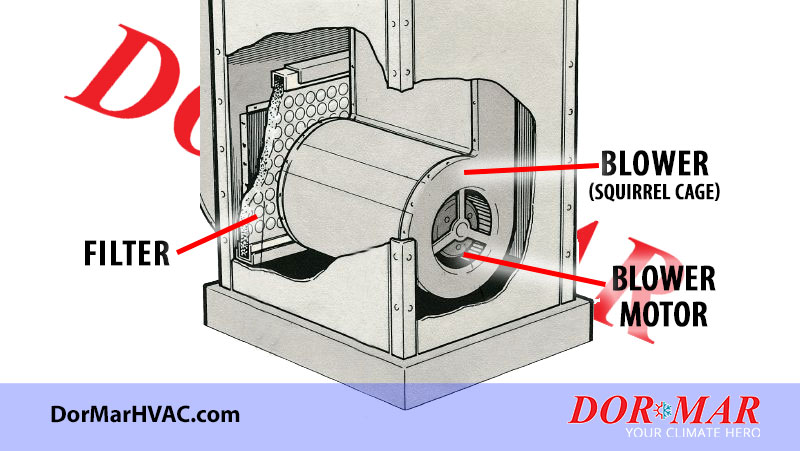
Understanding your home's HVAC system can feel overwhelming, but knowing the location of key components like the blower motor is a great first step towards efficient troubleshooting. This article will guide you through finding the blower motor, understanding its function, and performing basic maintenance. Remember, safety is paramount; when in doubt, call a qualified HVAC technician.
Identifying the Blower Motor Location
The blower motor is a crucial part of your HVAC system, responsible for circulating conditioned air throughout your home. Its location depends primarily on the type of HVAC system you have.
Furnace Blower Motor Location
In a furnace, the blower motor is typically located inside the main furnace cabinet. Here's how to find it:
- Turn off the power: Locate the breaker for your furnace and switch it off. Safety first!
- Access the furnace cabinet: Most furnaces have one or two access panels. These are usually held in place by screws or latches.
- Identify the blower compartment: Inside the furnace, you'll typically find three main sections:
- The burner section (where the gas burns).
- The heat exchanger (where the air is heated).
- The blower motor compartment (usually the largest section).
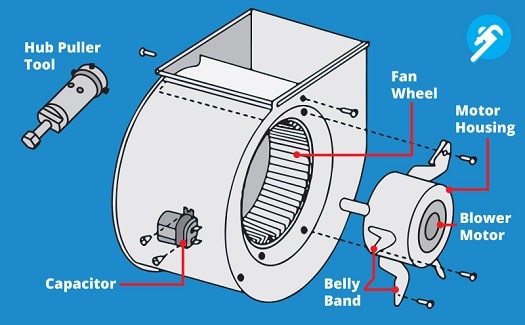
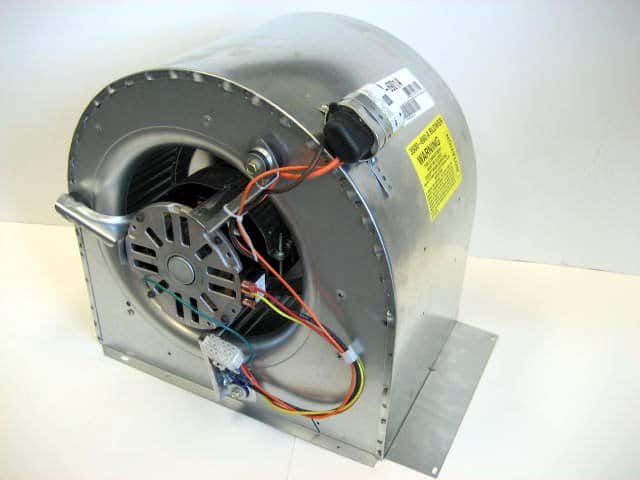
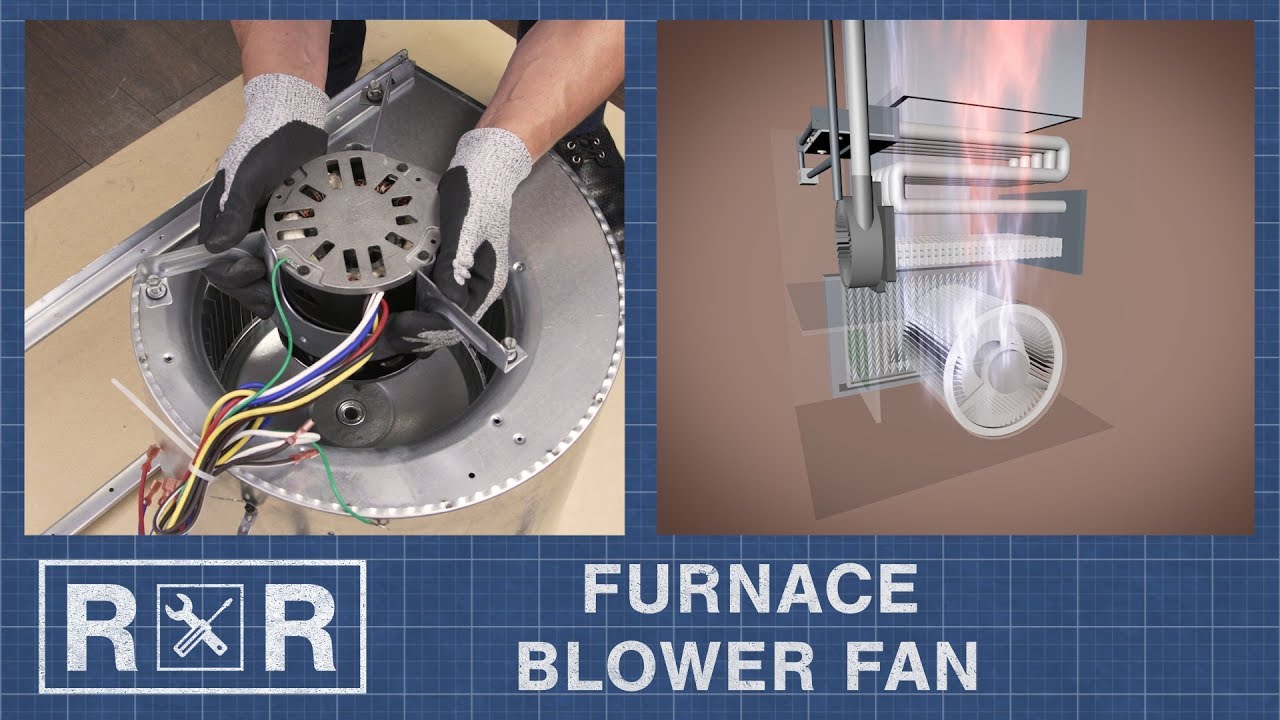
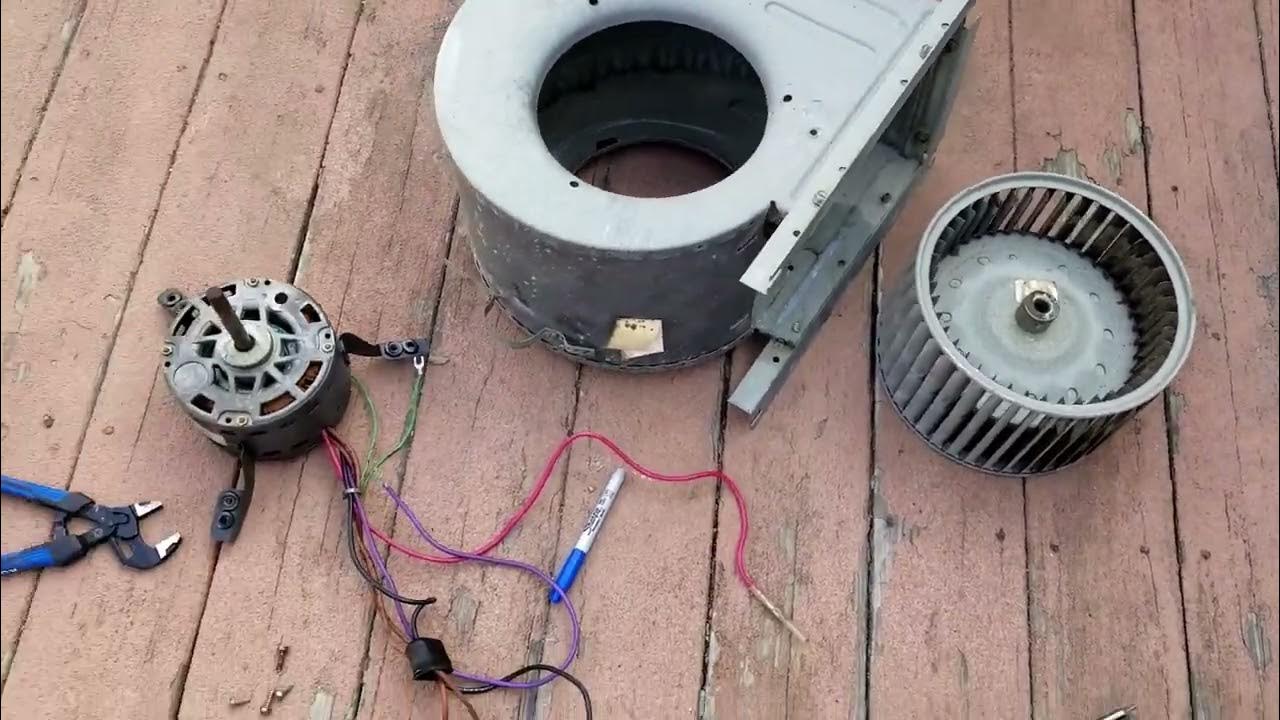
- Locate the blower motor: The blower motor is directly connected to a squirrel cage fan, often referred to as the blower wheel. You'll see a cylindrical motor attached to this fan.
The blower motor assembly often slides out on rails or requires the removal of a few screws. Be careful not to disconnect any wires unnecessarily. Before disconnecting any wires, take a picture for reference during reassembly.
Air Conditioner Blower Motor Location (Air Handler)
If you have a central air conditioning system with a separate air handler (often found in a closet or attic), the blower motor will be located inside the air handler unit. The process is similar to locating it in a furnace:
- Turn off the power: Locate the breaker for the air handler and switch it off.
- Access the air handler cabinet: The air handler has access panels similar to a furnace.
- Identify the blower compartment: Inside, you'll find the evaporator coil (the part that cools the air) and the blower motor compartment.
- Locate the blower motor: As with the furnace, the blower motor is attached to the blower wheel.
Heat Pump Blower Motor Location
Heat pumps use a similar setup to air conditioners, often sharing the same indoor unit (air handler) with the blower motor. Follow the same steps outlined for air conditioner blower motor location.
Package Unit Blower Motor Location
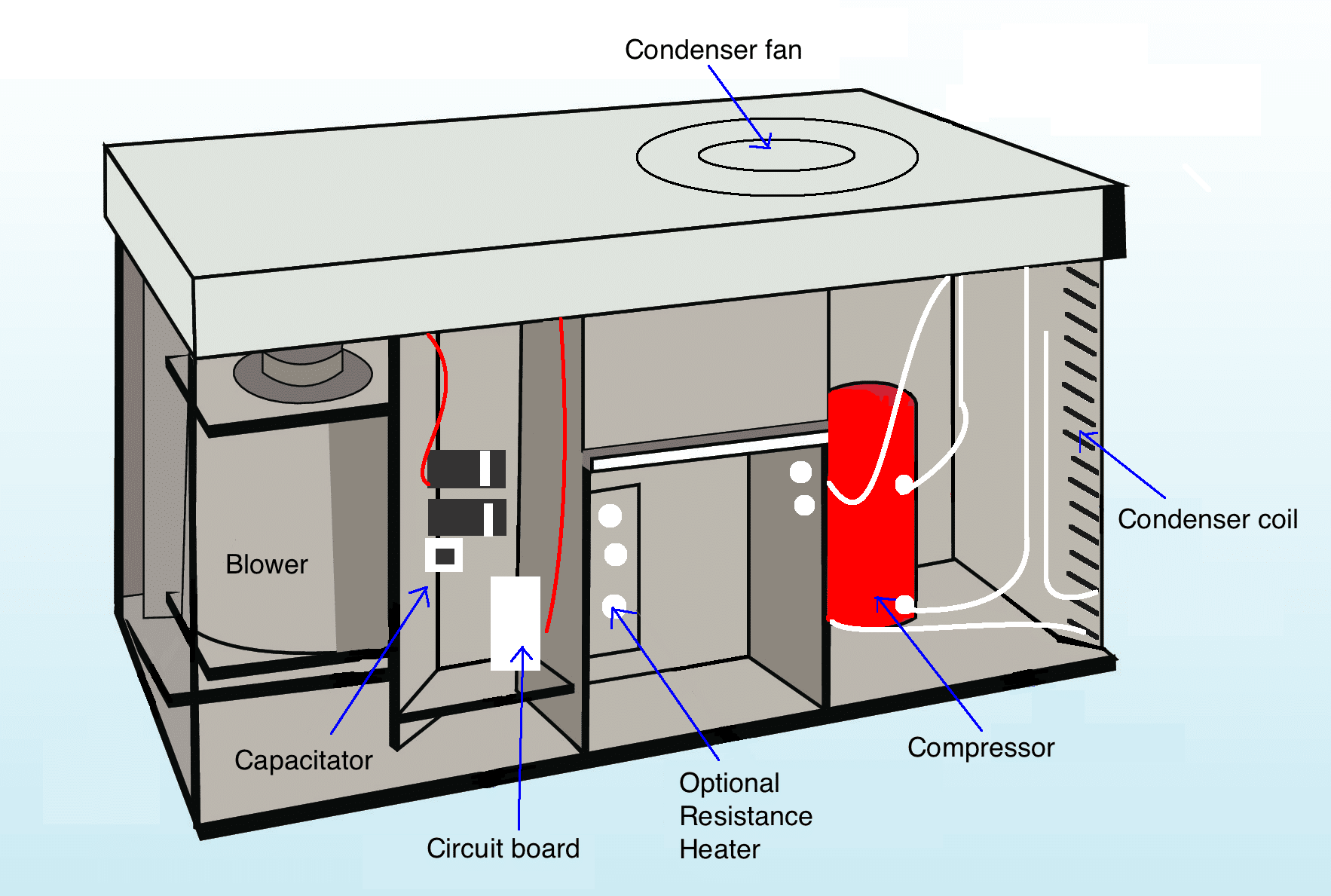
Package units combine both heating and cooling components into a single outdoor unit. The blower motor is housed within this unit. Accessing it requires removing the appropriate access panels on the unit's side.
Understanding the Blower Motor's Function
The blower motor is the workhorse that circulates air throughout your home. It draws air from your return vents, pushes it through the heating or cooling elements (heat exchanger or evaporator coil), and then distributes the conditioned air through your ductwork to your supply vents. Without a functioning blower motor, your HVAC system can't effectively heat or cool your home.
Common Blower Motor Problems and Troubleshooting
Several issues can affect the performance of your blower motor. Here are some common problems and troubleshooting steps you can take. Always disconnect the power before inspecting or working on the blower motor.
- Blower motor not running:
- Check the circuit breaker: Make sure the breaker for your HVAC system hasn't tripped. Reset it if necessary.
- Check the capacitor: The capacitor provides the initial jolt of power to start the motor. A faulty capacitor is a common cause of blower motor failure. You can visually inspect it for bulging or leaking. *Testing a capacitor requires specialized equipment and knowledge; it's best left to a professional.*
- Check for obstructions: Debris can sometimes block the blower wheel, preventing it from turning.
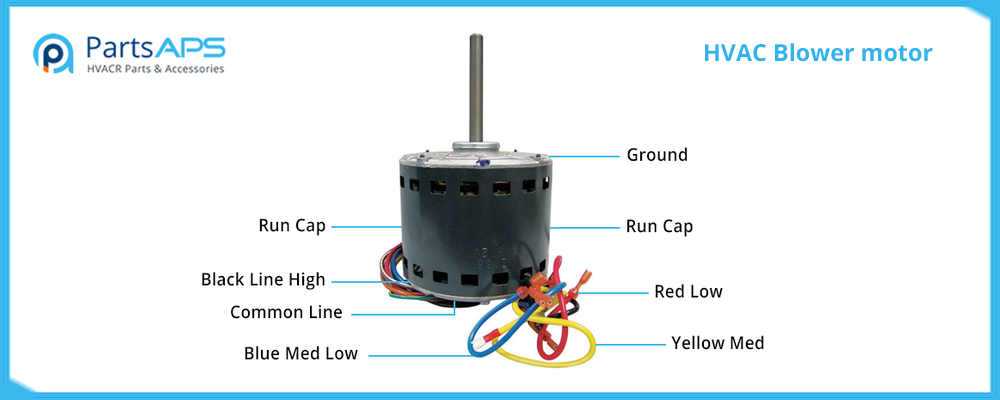
- Check the motor windings: (Requires a multimeter and electrical knowledge). A break in the motor windings can prevent the motor from running. *This is a complex test and should only be performed by someone with electrical expertise.*
- Blower motor running but weakly:
- Dirty air filter: A clogged air filter restricts airflow, reducing the blower motor's efficiency. Replace your air filter regularly (every 1-3 months).
- Dirty blower wheel: Dust and debris can accumulate on the blower wheel, reducing its ability to move air. Clean the blower wheel.
- Ductwork leaks: Leaks in your ductwork can reduce the amount of air reaching your vents. Seal any visible leaks with duct tape or mastic sealant.
- Blower motor making noise:
- Loose blower wheel: A loose blower wheel can vibrate and create noise. Tighten the set screw that secures the blower wheel to the motor shaft.
- Worn bearings: Worn bearings can cause a grinding or squealing noise. Lubricating the bearings *may* temporarily alleviate the noise, but ultimately, the motor will likely need replacement.
- Debris in the blower wheel: Small objects can get sucked into the blower wheel and cause rattling noises.
Essential Tools for Blower Motor Maintenance
Here's a list of tools you might need for basic blower motor maintenance:
- Screwdrivers (Phillips and flathead)
- Wrench set
- Nut drivers
- Vacuum cleaner with hose attachment
- Air filter
- Duct tape or mastic sealant
- Safety glasses
- Work gloves
- Multimeter (for electrical testing – *advanced*)
When to Call a Professional
While some blower motor issues can be addressed with basic troubleshooting and maintenance, others require the expertise of a qualified HVAC technician. Call a professional if:
- You are uncomfortable working with electricity.
- You suspect a problem with the motor windings or capacitor.
- You need to replace the blower motor.
- You are unable to diagnose the problem.
- You suspect a refrigerant leak.
Blower Motor Replacement Cost Estimates
Replacing a blower motor can be a significant expense. The cost can vary depending on several factors:
- Type of motor: Different types of blower motors (e.g., PSC, ECM) have varying prices. ECM motors are generally more efficient but also more expensive.
- Brand and model: The specific brand and model of your HVAC system will affect the availability and price of replacement parts.
- Labor costs: Labor costs vary depending on your location and the HVAC contractor you choose.
As a general guideline, expect to pay anywhere from $300 to $800 or more for a blower motor replacement, including parts and labor. Always get multiple quotes from different HVAC contractors before making a decision. Be wary of unusually low estimates, as they may indicate substandard work or hidden fees.
Blower Motor Types
There are generally two types of blower motors found in HVAC systems. Knowing the difference will help you when trying to diagnose and repair your system.
- Permanent Split Capacitor (PSC) Motors: These are older, less efficient motors that run at a constant speed. They are usually less expensive to replace but consume more energy.
- Electronically Commutated Motors (ECM): These are newer, more efficient motors that can vary their speed based on the heating or cooling demand. They offer better temperature control and lower energy bills but are generally more expensive to replace.
Preventative Maintenance for Blower Motors
Regular maintenance can extend the life of your blower motor and prevent costly repairs. Here are some tips:
- Change your air filter regularly: A clean air filter is crucial for proper airflow and prevents the blower motor from working harder than necessary.
- Schedule annual HVAC checkups: A qualified HVAC technician can inspect the blower motor and other components, identify potential problems early, and perform necessary maintenance.
- Keep the area around your HVAC unit clean: Remove any debris that could obstruct airflow or damage the unit.
Final Thoughts
Knowing where your blower motor is located and understanding its function is a valuable asset for any homeowner. By following these guidelines and performing basic maintenance, you can keep your HVAC system running efficiently and avoid costly repairs. Remember, safety is always the top priority. When in doubt, call a qualified HVAC professional.