Where Is The Compressor In An Ac Unit

One of the most frustrating issues a homeowner can face is a malfunctioning air conditioning system, especially during the peak of summer. Often, the symptoms are subtle at first – perhaps the air isn’t as cold as it used to be, or the unit is running constantly without effectively cooling the house. While there can be many culprits behind these problems, the compressor is a prime suspect. But before you call a repair technician, understanding where the compressor is located and performing some basic troubleshooting can potentially save you time and money.
Identifying the Compressor's Location
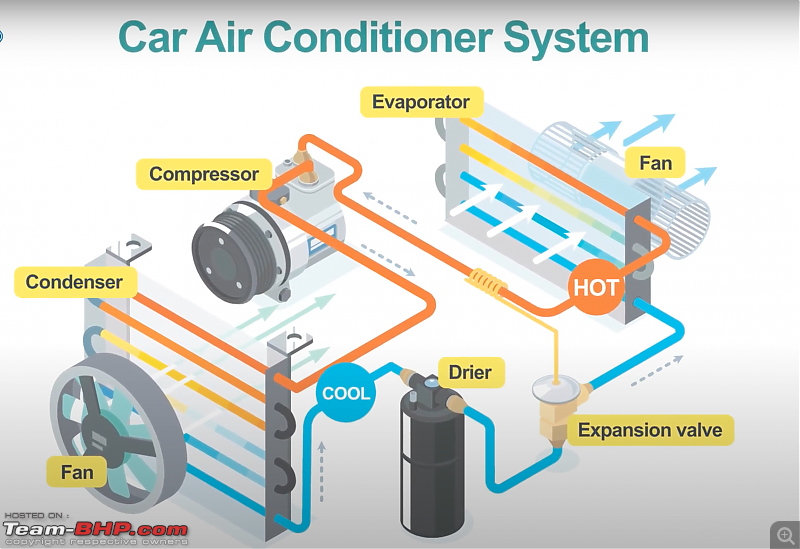
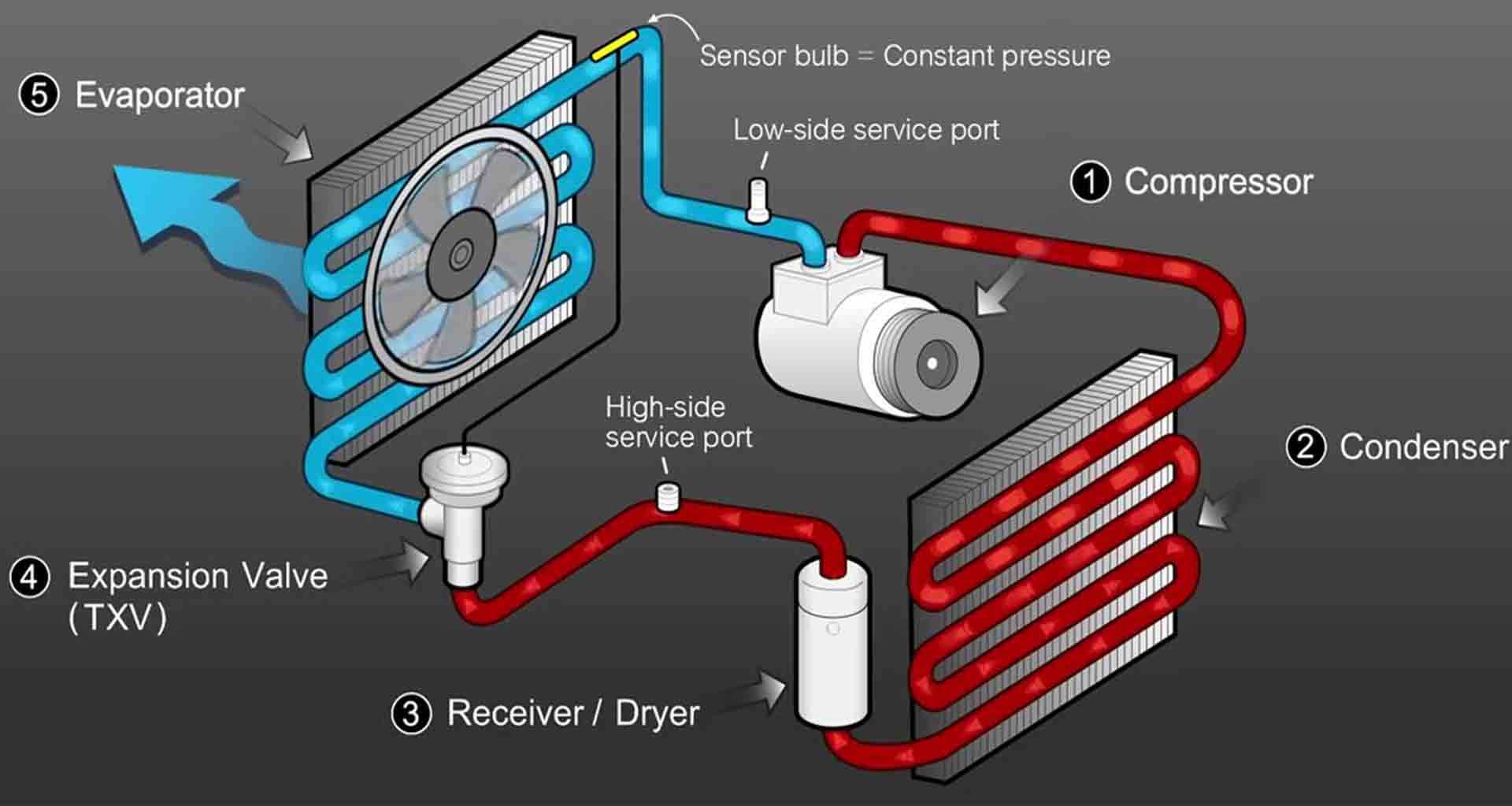
The compressor is a vital component of your air conditioner, responsible for circulating refrigerant throughout the system. It's essentially the heart of your AC unit, and when it fails, your cooling capacity suffers significantly. However, finding it can be a bit tricky, as it’s not always immediately visible.
Understanding the Split System
Most residential AC systems are split systems. This means the components are divided into two main units: an indoor unit and an outdoor unit.
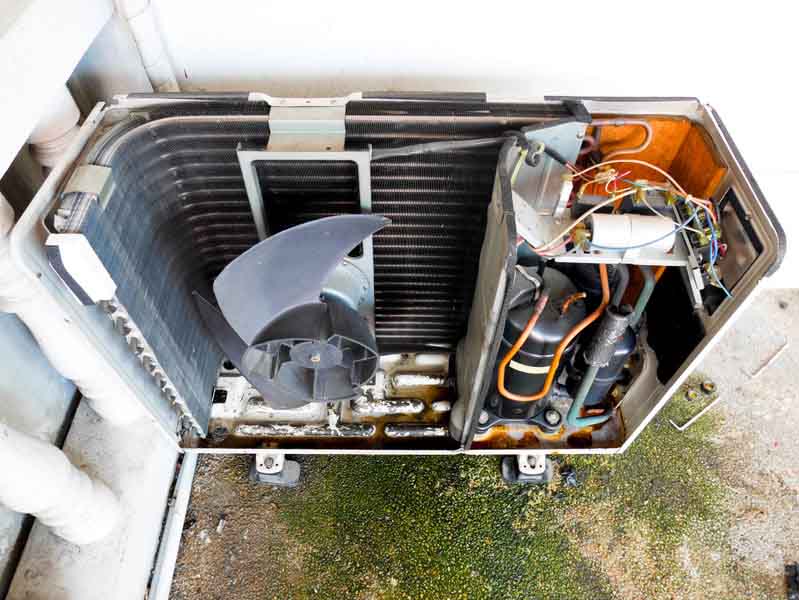
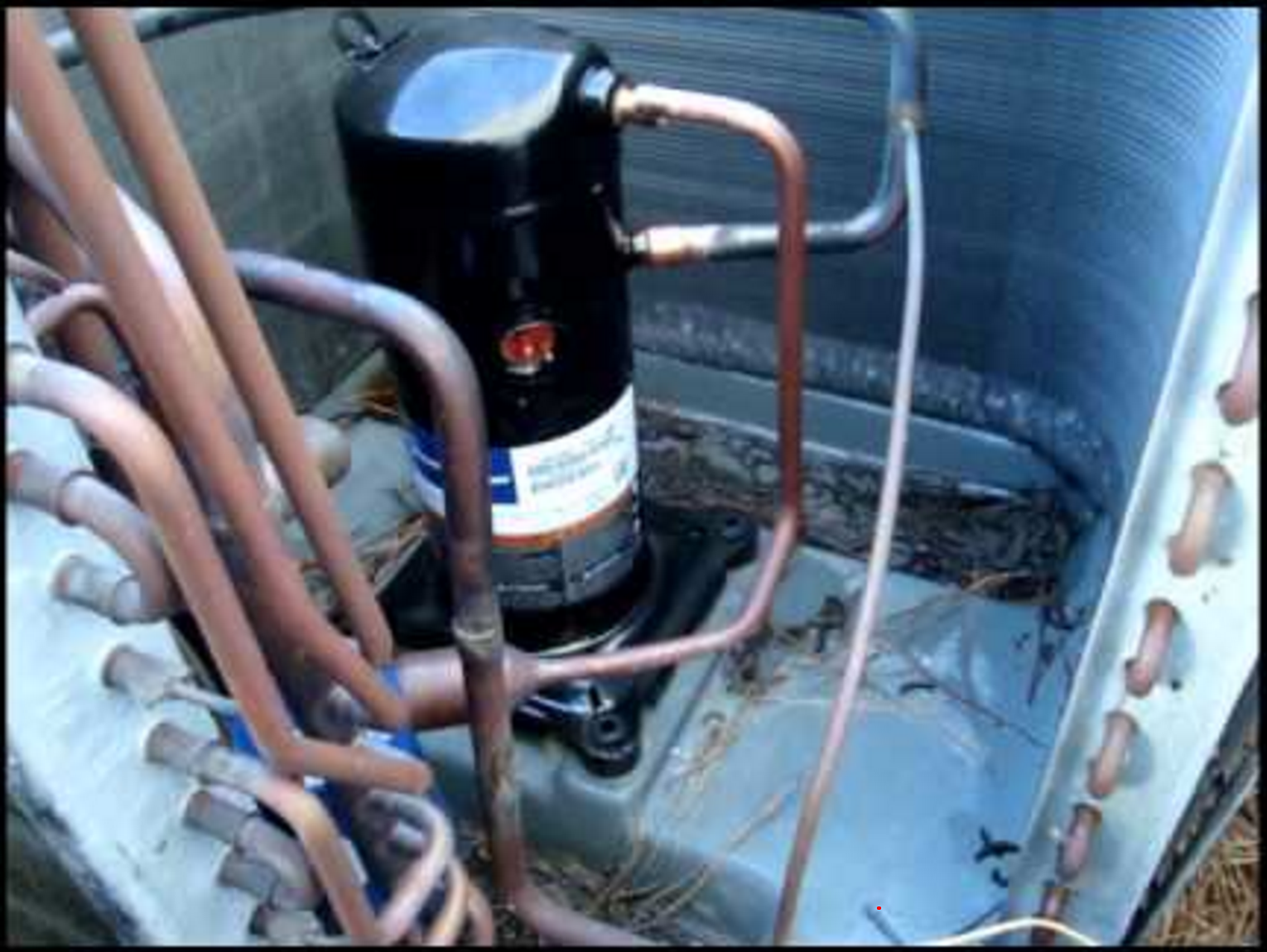
* Indoor Unit (Air Handler): This is usually located inside your home, often in an attic, basement, closet, or utility room. It contains the evaporator coil and the blower fan that circulates cool air throughout your house. The compressor is NOT located here. * Outdoor Unit (Condenser Unit): This is the metal box sitting outside your house. It houses the condenser coil, fan, and most importantly, the compressor.So, to answer the question directly: The compressor is located inside the outdoor unit of your air conditioning system.
Accessing the Compressor
Gaining access to the compressor usually involves removing one or more panels on the outdoor unit. Always turn off the power to the unit at the breaker before attempting any inspection or repairs. This is absolutely crucial for your safety.
1. Locate the Disconnect Switch: Near the outdoor unit, you should find a disconnect switch, often a small, weatherproof box. Open the box and flip the switch to the "off" position. 2. Turn Off the Breaker: For added safety, go to your home's electrical panel and turn off the breaker that supplies power to the AC unit. 3. Remove the Access Panels: Most outdoor units have screws or clips holding the access panels in place. Use a screwdriver or appropriate tool to remove these fasteners and carefully detach the panels. Be mindful of any sharp edges. 4. Identify the Compressor: The compressor is typically a large, cylindrical or oval-shaped metal component. It's usually black or gray and has refrigerant lines connected to it. It will be heavier than other components in the unit.Once you’ve located the compressor, proceed with caution. It contains refrigerant and electrical components, and improper handling can be dangerous.
Troubleshooting Common Compressor Issues
Now that you've found the compressor, let's explore some common problems and potential DIY fixes. Remember, if you're uncomfortable with any of these steps, or if you suspect a serious issue, it's best to call a qualified HVAC technician.
1. Compressor Not Running (No Sound or Vibration)
If the compressor isn't running at all, it could be due to several reasons:
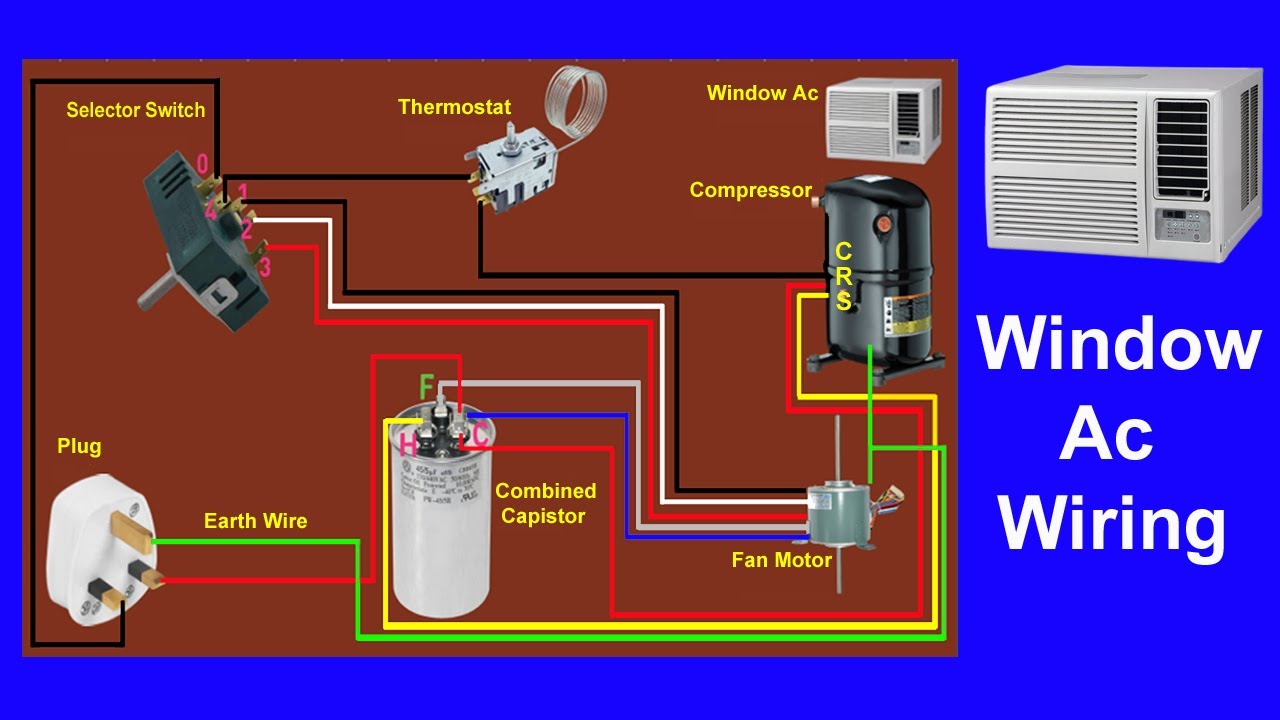
* Power Issues: * Diagnosis: Use a multimeter to check if power is reaching the compressor. Set the multimeter to measure AC voltage and test the terminals on the compressor contactor (a relay switch that controls power to the compressor). If there's no voltage, the problem lies further upstream. * DIY Fix: Check the disconnect switch and breaker to ensure they are in the "on" position. If the breaker has tripped, reset it. If the breaker trips repeatedly, there's likely a short circuit, and you'll need professional help. * When to Call a Pro: If you've confirmed power is reaching the disconnect switch and breaker, but still no voltage at the compressor, there's likely an electrical problem within the unit that requires professional diagnosis and repair. * Capacitor Problems: * Diagnosis: The capacitor provides the initial surge of power needed to start the compressor. A faulty capacitor can prevent the compressor from starting. Look for a bulging or leaking capacitor. * DIY Fix: With the power OFF, carefully discharge the capacitor using a screwdriver with an insulated handle. Touch the screwdriver to both terminals to discharge any stored energy. Replace the capacitor with a new one of the exact same voltage and capacitance rating. These ratings are printed on the side of the capacitor. Important: Capacitors can store a dangerous electrical charge even when the unit is turned off. Always discharge the capacitor before handling it. * When to Call a Pro: If you are not comfortable working with electrical components, call a professional. If replacing the capacitor doesn't solve the problem, the compressor itself may be faulty. * Overload Protector Tripped: * Diagnosis: The compressor has an internal overload protector that shuts it down if it gets too hot. This could be due to overheating or a refrigerant problem. * DIY Fix: Sometimes, the overload protector will reset itself after a cooling-off period. Turn off the power to the unit and wait for several hours to see if the compressor starts working again. * When to Call a Pro: If the overload protector keeps tripping, there's an underlying issue causing the compressor to overheat, such as a refrigerant leak or a clogged condenser coil.2. Compressor Humming But Not Starting
If the compressor is humming but not starting, it usually indicates a problem with the starting components or the compressor itself.
* Stuck Compressor: * Diagnosis: Sometimes, the compressor can become physically stuck, preventing it from starting. * DIY Fix: There is no DIY fix for a stuck compressor. Attempts to force it to start can cause further damage. * When to Call a Pro: A professional can attempt to "hard start" the compressor or diagnose the underlying cause of the problem. In many cases, a stuck compressor means it needs to be replaced. * Faulty Start Relay: * Diagnosis: The start relay helps the compressor start by providing an extra boost of power. A faulty relay can prevent the compressor from starting. * DIY Fix: The start relay is usually located near the compressor and is a small, electrical component. You can test it with a multimeter to see if it's functioning properly. However, replacing a start relay is usually best left to a professional. * When to Call a Pro: Replacing a start relay requires electrical knowledge and can be dangerous if done incorrectly.3. Compressor Running But Not Cooling
If the compressor is running but the air isn't getting cold, the problem is likely related to the refrigerant system.
* Refrigerant Leak: * Diagnosis: A refrigerant leak is a common cause of poor cooling. You might notice ice forming on the refrigerant lines or a hissing sound near the unit. * DIY Fix: There is no DIY fix for a refrigerant leak. Refrigerant handling requires specialized equipment and certification. * When to Call a Pro: A professional can locate and repair the leak and recharge the system with refrigerant. Adding refrigerant without fixing the leak is only a temporary solution. * Clogged Condenser Coil: * Diagnosis: A dirty condenser coil can restrict airflow and reduce the system's cooling capacity. * DIY Fix: Turn off the power to the unit and use a garden hose to gently wash the condenser coil from the inside out. Remove any debris, such as leaves, grass clippings, or dirt. Do not use a pressure washer, as it can damage the fins on the coil. * When to Call a Pro: If the coil is heavily soiled or you suspect damage, a professional can clean it thoroughly or repair any damaged fins.Safety Precautions
Working with air conditioning systems can be dangerous. Always follow these safety precautions:
* Turn off the power to the unit at the breaker before attempting any inspection or repairs. * Discharge capacitors before handling them. * Wear safety glasses and gloves to protect your eyes and hands. * Do not attempt repairs if you are not comfortable working with electrical components or refrigerant. * If you suspect a refrigerant leak, do not attempt to handle the refrigerant yourself. Call a professional.When to Call a Professional
While some minor AC problems can be addressed with DIY solutions, many issues require the expertise of a qualified HVAC technician. Here are some situations when you should always call a professional:
* Refrigerant Leaks: Refrigerant handling requires specialized equipment and certification. * Electrical Problems: If you're uncomfortable working with electrical components or suspect a short circuit, call a professional. * Compressor Replacement: Replacing a compressor is a complex and expensive job that requires specialized tools and knowledge. * System Diagnosis: If you've tried the DIY fixes and the problem persists, a professional can diagnose the underlying cause and recommend the appropriate solution. * Any Doubt or Uncertainty: If you are unsure about any aspect of the repair process, it’s best to err on the side of caution and contact a professional.By understanding where the compressor is located and learning some basic troubleshooting steps, you can potentially save time and money on AC repairs. However, always prioritize safety and call a professional when needed. A well-maintained AC system will provide reliable cooling for years to come.