Where Is The Drain On A Window Air Conditioner
Understanding where the drain is located on your window air conditioner is crucial for its efficient operation and longevity. Many people overlook this seemingly minor detail, but proper drain management can prevent a host of problems, from water damage to mold growth. This guide provides a comprehensive overview of window AC drain locations, why they're important, and how to maintain them.
Why is the Drain Important?
Window air conditioners work by extracting heat and humidity from your room. This process generates condensation, which is essentially water. This water needs to go somewhere. The drain is the designated exit point for this condensation. Without a functioning drain, the water will accumulate inside the unit. This can lead to:
- Water Damage: Overflowing water can damage your walls, floors, and surrounding furniture.
- Mold Growth: A damp environment is a breeding ground for mold and mildew, which can pose serious health risks.
- Reduced Efficiency: Standing water can interfere with the AC's cooling process, making it work harder and consume more energy.
- Rust and Corrosion: Constant exposure to water can cause the internal components of your AC unit to rust and corrode, shortening its lifespan.
- Unpleasant Odors: Stagnant water breeds bacteria, leading to foul smells emanating from your AC.
In essence, a clogged or improperly functioning drain defeats the purpose of having an air conditioner by creating more problems than it solves. Therefore, understanding the drain's location and ensuring its proper function is a critical aspect of AC maintenance.
Locating the Drain on Your Window AC
The exact location of the drain on a window air conditioner can vary slightly depending on the make and model. However, there are some general areas to look:
1. Rear of the Unit (Exterior):
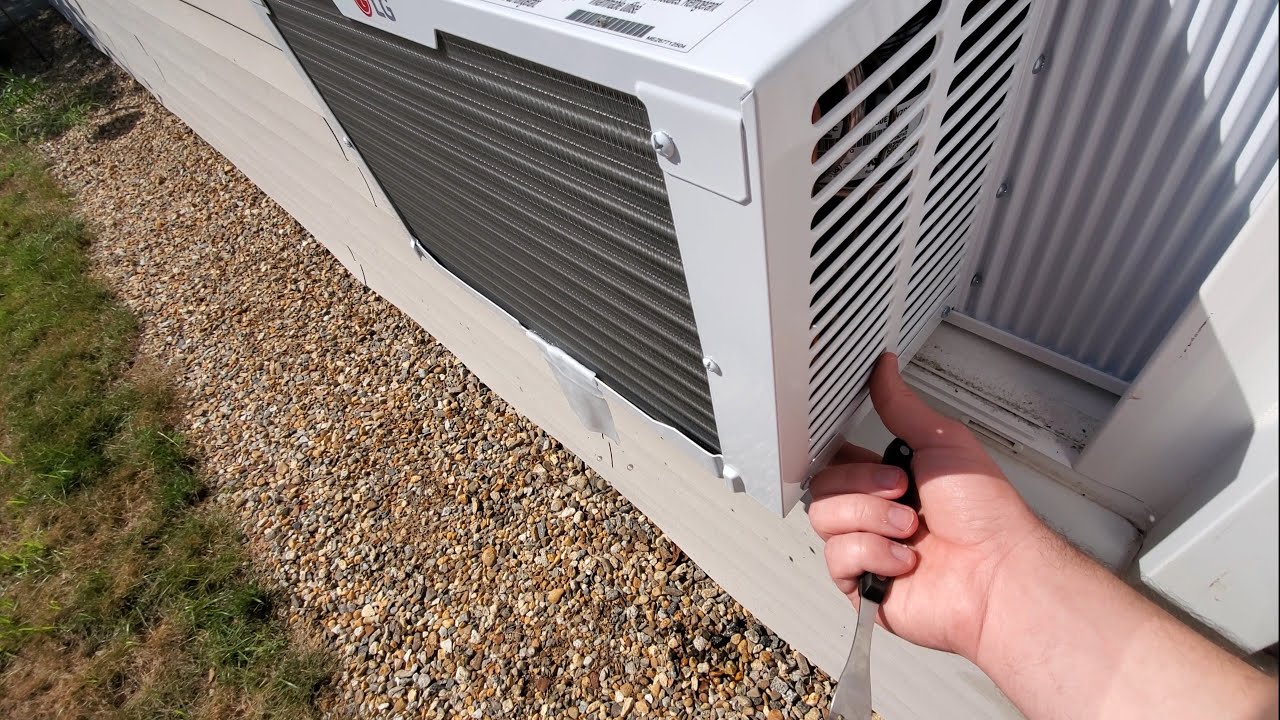
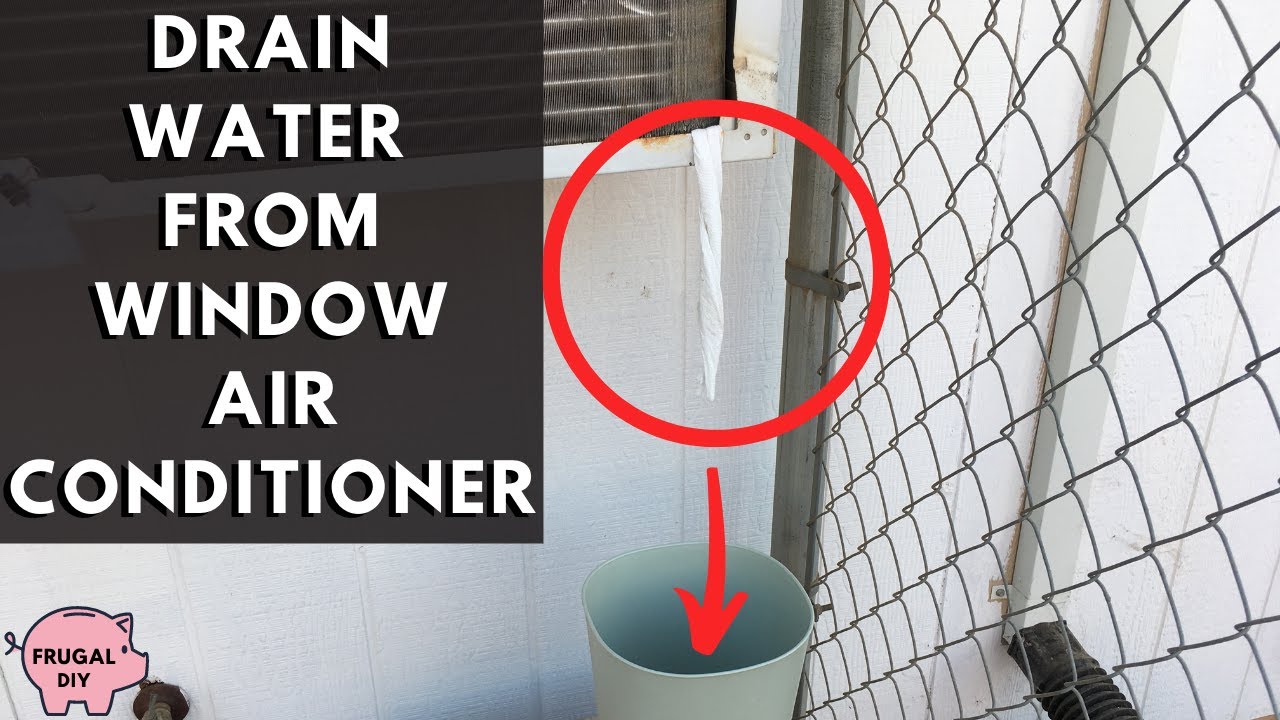
This is the most common location for the drain. Look for a small hole, slot, or nozzle on the back of the unit, typically near the bottom. This drain is designed to allow the condensation to drip outside.
What to Look For:
- A small, usually circular, opening.
- A protruding nozzle or spout.
- Sometimes, a small rubber plug or cap (which should be removed for drainage).
Why it's important: This external drain allows the condensation to escape without causing internal damage. If you don't see water dripping from here when the AC is running, it could indicate a blockage.
2. Bottom of the Unit (Exterior):
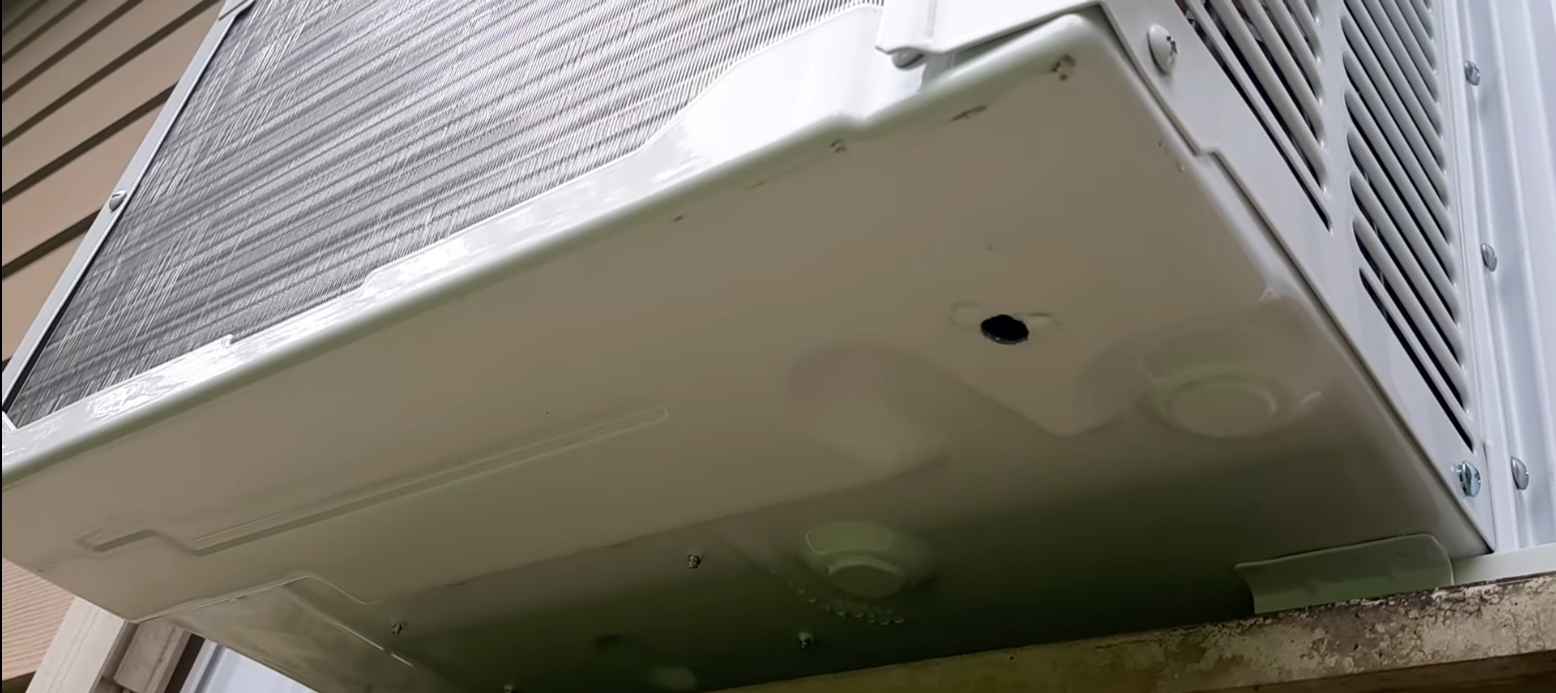
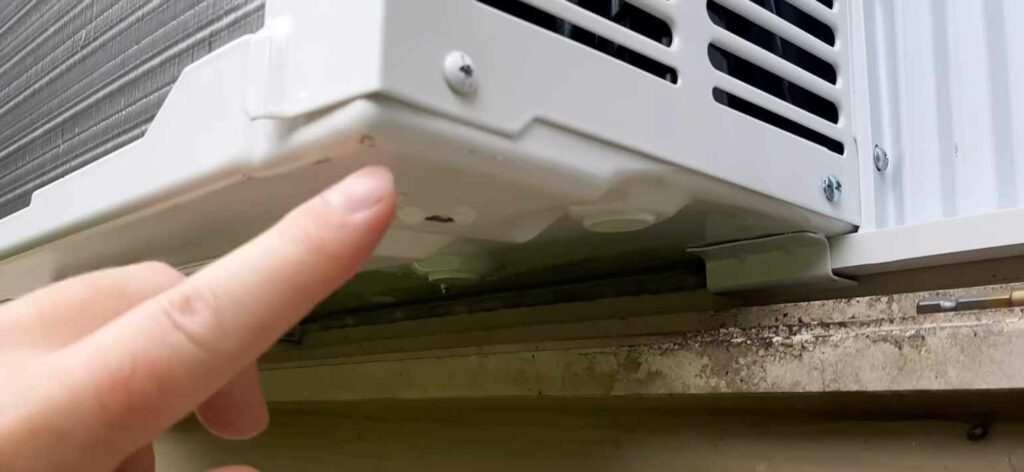
Some models, particularly older ones, may have a drain located on the bottom of the unit. This is usually a small opening that allows water to drip directly down.
What to Look For:
- A small hole or slot on the underside of the unit.
- Evidence of water stains or dripping beneath the unit.
Important Note: Ensure that the area beneath the unit is clear to allow for proper drainage. You may want to place a small tray or container to catch the drips, especially if the unit is positioned over a walkway or vulnerable surface.
3. Internal Drain Pan:
While not a direct drain outlet, the internal drain pan is a crucial component of the drainage system. This pan collects the condensation inside the unit before it's directed to the drain outlet.
Why it's important: If the drain pan becomes clogged with debris or algae, it can overflow, leading to internal water accumulation and the problems mentioned earlier. You usually can't directly access the drain pan without disassembling the unit, but keeping the external drain clear can prevent buildup in the pan.
4. Check the Manufacturer's Manual:
The most reliable way to locate the drain is to consult the manufacturer's manual for your specific model. The manual will provide a detailed diagram and instructions on the location and maintenance of the drain.
Why this is crucial: Different models can have variations in drain placement and design. The manual is the definitive guide for your specific unit.
How to Clear a Clogged Drain
A clogged drain is a common problem that can be easily resolved with a few simple steps:
- Turn off the AC: Always disconnect the power supply before attempting any maintenance. This is a crucial safety precaution.
- Locate the Drain: Refer to the sections above and your manufacturer's manual to pinpoint the drain location.
- Use a Wire or Pipe Cleaner: Gently insert a thin wire, pipe cleaner, or even a straightened-out coat hanger into the drain opening. Carefully probe and twist to dislodge any debris.
- Use a Wet/Dry Vacuum: If you have a wet/dry vacuum, use it to suck out any debris from the drain opening. This can be very effective for removing stubborn blockages.
- Flush with Water: Once you've cleared the initial blockage, flush the drain with a small amount of water to ensure it's flowing freely. Use a syringe or small container to direct the water into the drain.
- Vinegar Solution (Optional): For more persistent clogs, try flushing the drain with a solution of equal parts white vinegar and water. Vinegar is a natural disinfectant and can help dissolve mineral deposits and kill mold and bacteria. Let the solution sit for about 30 minutes before flushing with clean water.
- Reassemble and Test: Once you're confident the drain is clear, reassemble any components you may have removed and turn the AC back on. Observe the drain to ensure water is flowing freely.
Important Considerations:
- Be Gentle: Avoid using excessive force when probing the drain, as you could damage the unit.
- Wear Gloves: Protect your hands from dirt and grime by wearing gloves during the cleaning process.
- Regular Maintenance: Prevent clogs by regularly inspecting and cleaning the drain. A monthly check is recommended, especially during peak usage periods.
Preventive Maintenance for Optimal Drainage
Prevention is always better than cure. Implementing a few simple maintenance practices can significantly reduce the risk of drain clogs and ensure your window AC operates efficiently.
- Regular Cleaning: Clean the exterior of the AC unit regularly to prevent dust and debris from entering the drain.
- Air Filter Maintenance: A dirty air filter restricts airflow, causing the AC to work harder and generate more condensation. Clean or replace the air filter regularly (every 1-3 months, depending on usage and environmental conditions).
- Proper Installation: Ensure the AC unit is installed correctly, with a slight downward tilt towards the outside. This helps gravity assist with drainage. Consult the manufacturer's instructions for proper installation guidelines.
- Inspect the Drain Regularly: Check the drain opening periodically for any signs of blockage or debris. Early detection allows for quick and easy cleaning.
- Consider a Drain Pan Treatment: For units prone to algae growth, consider using a drain pan treatment. These products contain chemicals that inhibit the growth of algae and bacteria, preventing clogs and odors.
Understanding the "Slinger Ring" (And Why You Might Not Need a Drain)
Some window air conditioners utilize a feature called a "slinger ring." This is a component attached to the fan motor that picks up water from the drain pan and flings it onto the condenser coils. This process helps to cool the coils and evaporate the water, reducing the need for constant drainage. Think of it as a self-evaporating system.
How it Works: The slinger ring scoops up water and sprays it onto the hot condenser coils. The heat from the coils evaporates the water, which is then expelled from the unit as vapor. This process also helps to cool the coils, improving the AC's efficiency.
Do you still need a drain? Even with a slinger ring, most units will still have a drain. The slinger ring may evaporate a significant portion of the condensation, but in humid conditions or during prolonged use, excess water may still accumulate and need to be drained. The drain acts as a backup to prevent overflow.
Important Note: Just because your AC has a slinger ring doesn't mean you can ignore the drain. You should still check it regularly for clogs and ensure it's functioning properly.
When to Call a Professional
While many drain-related issues can be resolved with DIY methods, there are situations where it's best to consult a professional HVAC technician:
- Persistent Clogs: If you've tried all the cleaning methods and the drain remains clogged, there may be a more serious issue, such as a blockage deep within the unit.
- Refrigerant Leaks: If you suspect a refrigerant leak, do not attempt to repair it yourself. Refrigerant handling requires specialized equipment and training. Contact a qualified technician immediately. Think of refrigerant as the 'blood' of your AC system, carrying heat from inside to outside, any problems should be dealt with professionally.
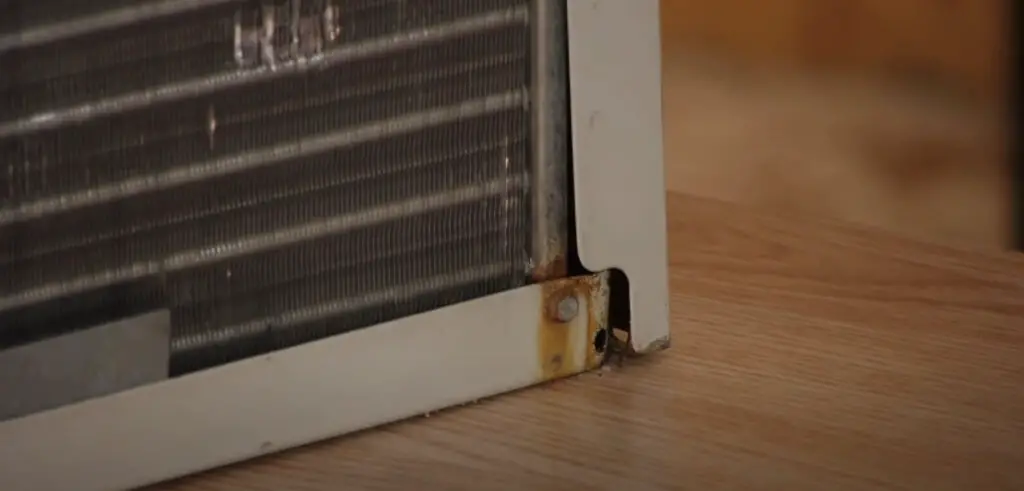
- Internal Damage: If you notice any signs of internal damage, such as rust, corrosion, or damaged components, it's best to have the unit inspected by a professional.
- Lack of Expertise: If you're not comfortable working with electrical appliances or disassembling the AC unit, it's always safer to call a professional.
By understanding the location and function of the drain on your window air conditioner, you can ensure its efficient operation, prevent costly damage, and maintain a healthy indoor environment. Regular maintenance and prompt attention to drainage issues are key to prolonging the lifespan of your AC unit and enjoying cool, comfortable air for years to come.