Where Is The Expansion Valve Located In The Ac System
Is your home's AC struggling to keep up, leaving you sweltering in the heat? Or perhaps your heating system is blowing lukewarm air when it should be toasty warm? One potential culprit behind these comfort killers could be a malfunctioning expansion valve. This unassuming component plays a crucial role in regulating the refrigerant flow within your AC or heat pump system. This article will guide you through locating the expansion valve, diagnosing potential issues, and taking simple steps to address minor problems. However, remember safety is paramount, and some tasks are best left to the professionals.
Understanding the Expansion Valve
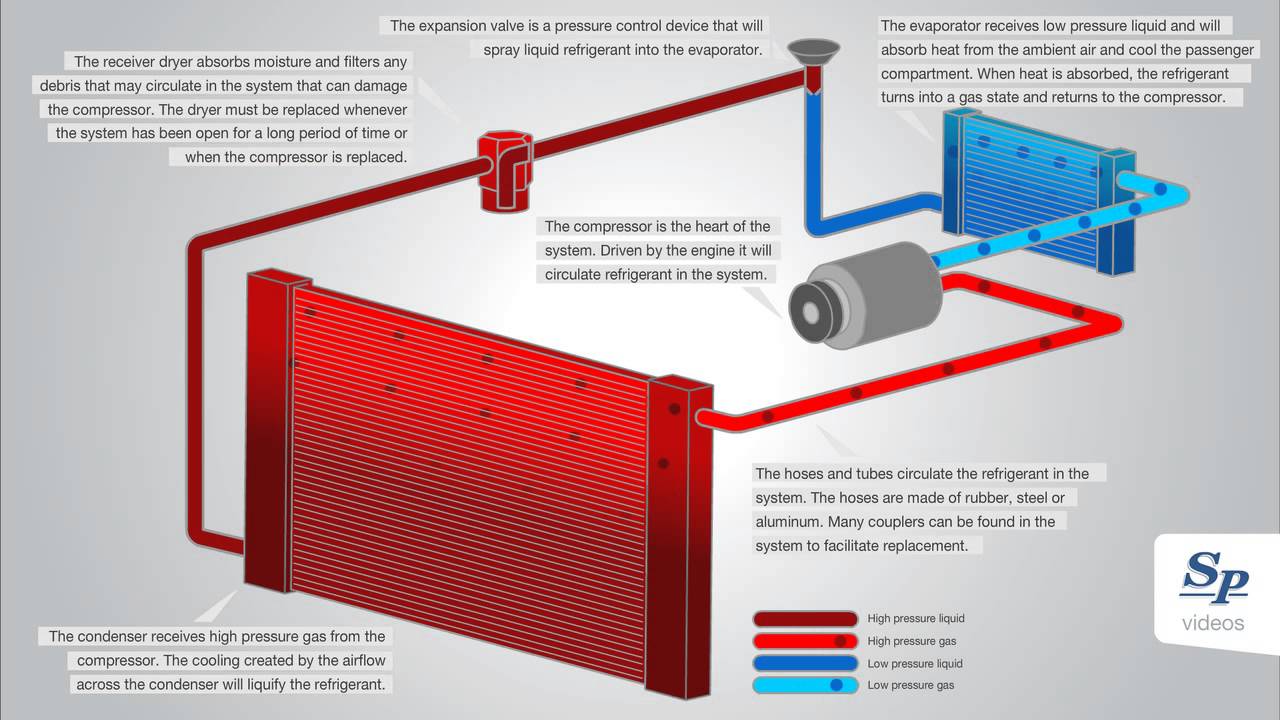
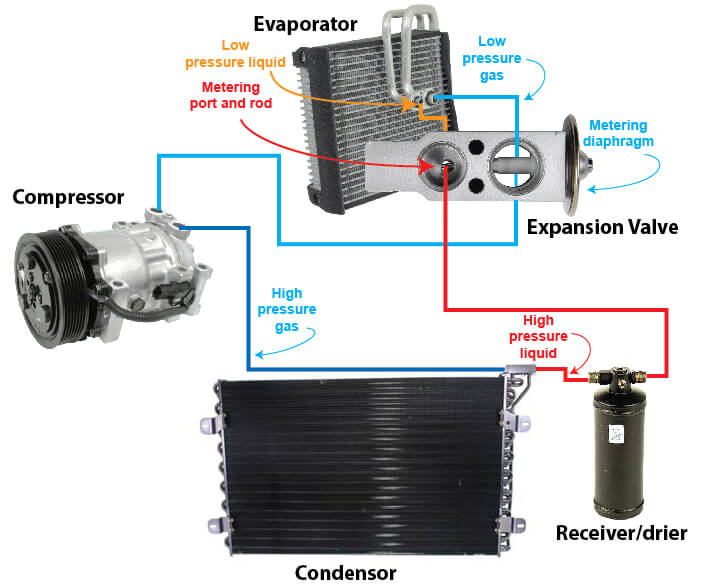
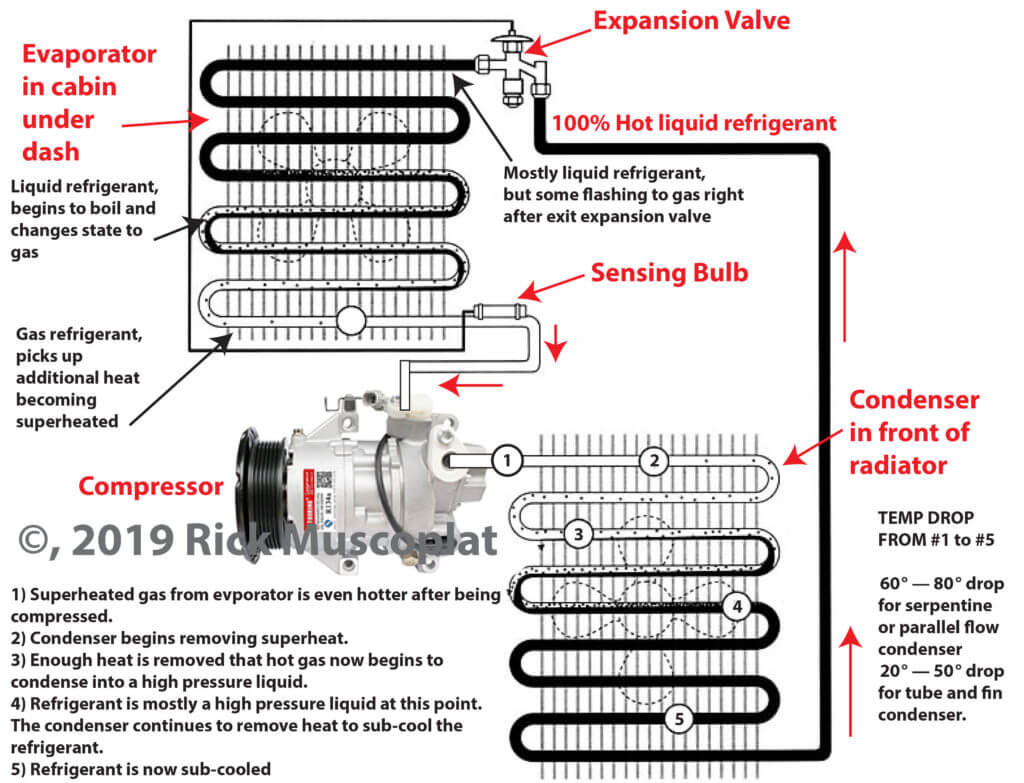
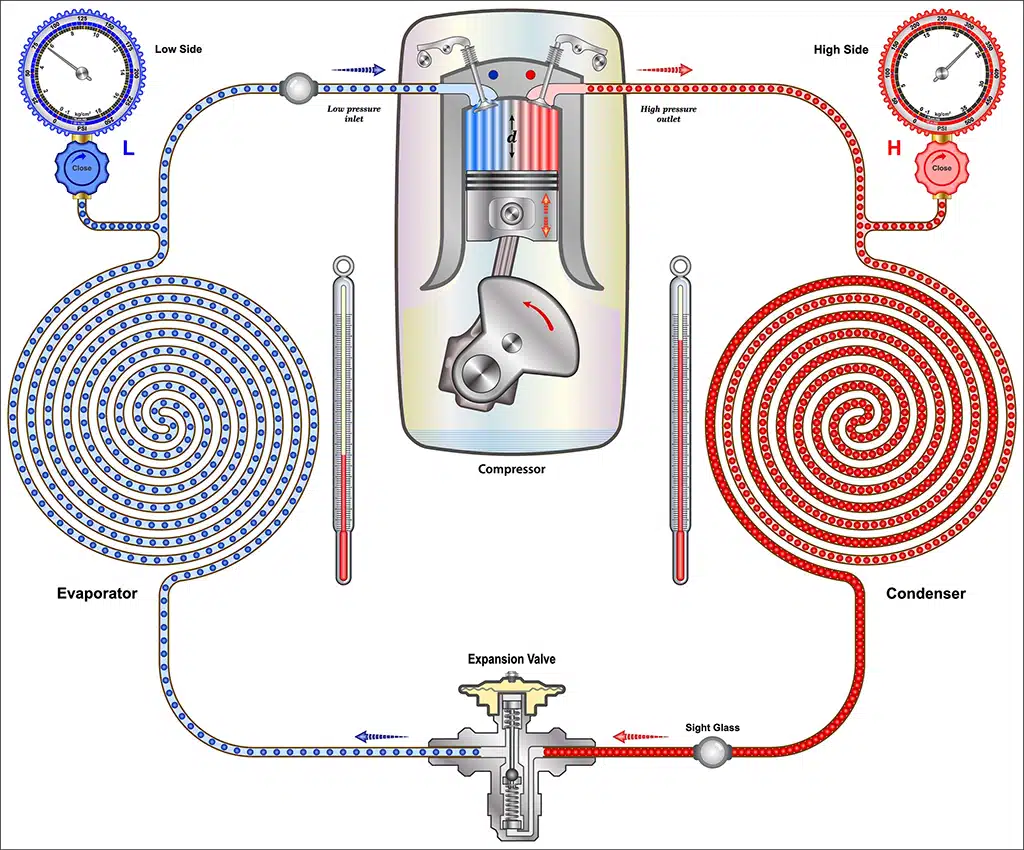
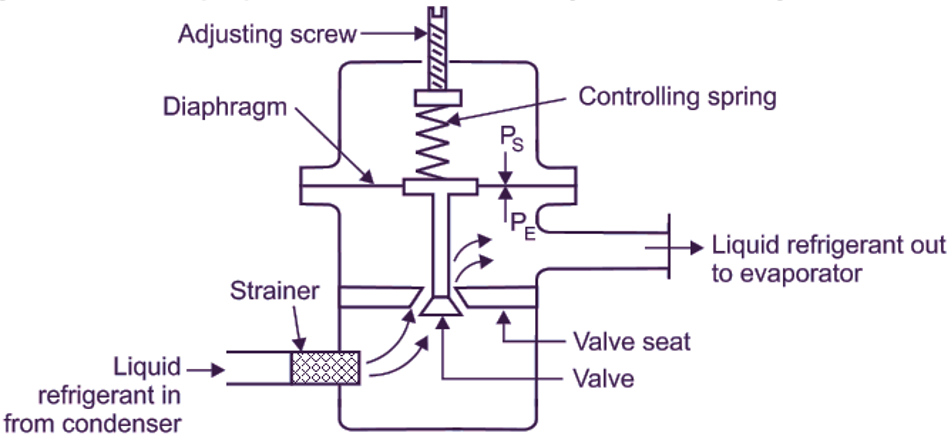
Before we dive into troubleshooting, let's understand what the expansion valve does. In short, it controls the flow of refrigerant from the liquid line into the evaporator coil. This precise regulation is critical for efficient cooling or heating. If the expansion valve malfunctions, the refrigerant flow can be restricted, leading to reduced cooling capacity, icing on the evaporator coil, or even system damage.
There are two main types of expansion valves:
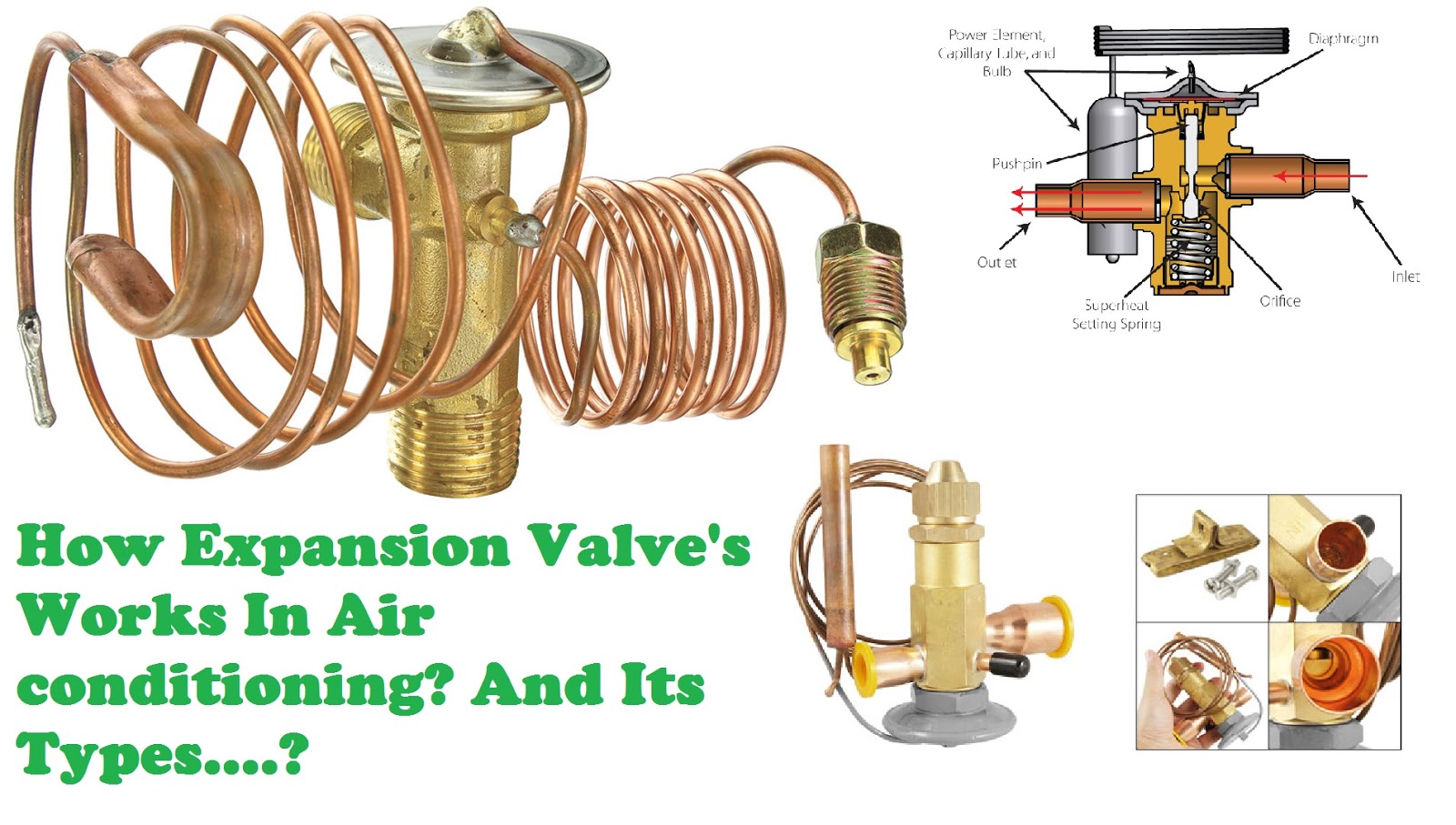
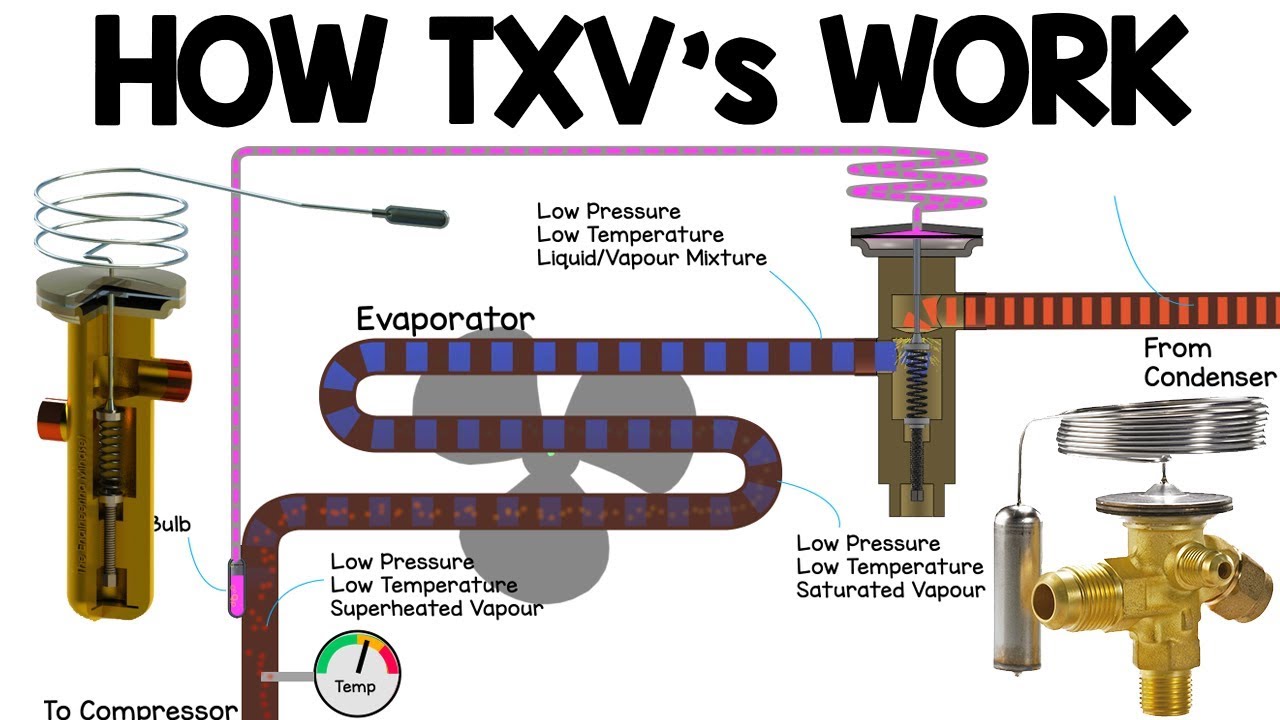
- Thermal Expansion Valve (TXV): These valves use a sensing bulb placed on the suction line (the line returning from the evaporator) to monitor the refrigerant temperature. Based on this temperature, the TXV adjusts the refrigerant flow to maintain optimal superheat.
- Fixed Orifice Tube: A simpler, less expensive option, the orifice tube is simply a fixed-size opening that meters the refrigerant flow. They are not adjustable and more prone to issues with system charge or changes in load.
Locating the Expansion Valve: A Step-by-Step Guide
Finding the expansion valve can be tricky, as its location varies depending on the type of AC or heat pump system you have. However, these general guidelines will help you narrow down your search.
1. Safety First!
Before you begin any troubleshooting, always turn off the power to your HVAC system at the breaker box. This is crucial to prevent electrical shock. You will also need to identify where your outdoor and indoor units are. Do not work on the system during periods of high heat or humidity.
2. Identify Your System Type
Knowing whether you have a split system (outdoor unit connected to an indoor unit via refrigerant lines) or a packaged unit (all components in one outdoor unit) will help. Also, is it a straight AC or a heat pump system?
3. Split System: Focus on the Indoor Unit
In a split system, the expansion valve (usually a TXV) is almost always located at or near the evaporator coil inside your indoor unit (air handler or furnace). Here's how to find it:
- Locate the Indoor Unit: This is usually in your attic, basement, or a utility closet.
- Remove Access Panels: You'll need to remove the access panels on the indoor unit to expose the evaporator coil and refrigerant lines. Use a screwdriver or nut driver to carefully remove the screws holding the panels in place.
- Trace the Refrigerant Lines: Look for two copper lines entering the evaporator coil. The larger of these lines is the suction line. The expansion valve will be located where the smaller line (liquid line) meets the evaporator coil.
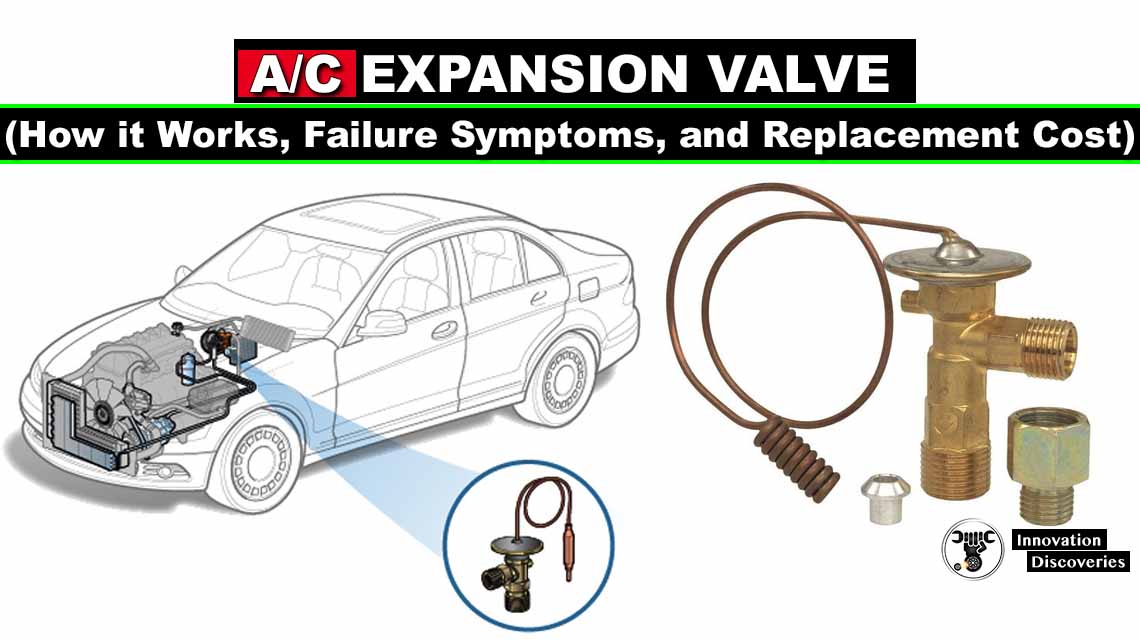
- Identifying the TXV: If you have a TXV, it will look like a small brass or metal body with a small sensing bulb attached to the suction line. The sensing bulb is connected to the valve body by a thin capillary tube.
4. Split System with Orifice Tube: Look Inside the Liquid Line
If you have an orifice tube, things get a little different. The orifice tube is typically found inside the liquid line, at the connection point where the liquid line goes into the evaporator coil. It's a small, often plastic or metal piece that can be difficult to spot without disconnecting the line (which we don't recommend DIY!).
5. Packaged Unit: Location Varies
In a packaged unit, the expansion valve is typically located inside the unit, near the evaporator coil. The location can vary depending on the manufacturer and model. Refer to your unit's service manual for specific information.
6. Heat Pump Systems: Reversing Valve Complicates Things
Heat pump systems use a reversing valve to switch between heating and cooling modes. The expansion valve location will be similar to AC systems, located at the evaporator coil, but the refrigerant lines and components may be more complex due to the reversing valve.
Diagnosing Expansion Valve Issues
Once you've located the expansion valve, you can start looking for potential problems. Remember, working with refrigerant is dangerous and requires specialized equipment and training. Do not attempt to open or disconnect any refrigerant lines.
Checking Without Tools (Visual Inspection)
Here's what you can check without any tools:
- Visible Damage: Look for any obvious signs of damage to the expansion valve, such as cracks, dents, or leaks. Are the refrigerant lines crimped or damaged?
- Sensing Bulb (TXV): If you have a TXV, check the sensing bulb. Is it securely attached to the suction line? Is the insulation around the bulb damaged or missing?
- Icing: Excessive ice buildup on the evaporator coil or around the expansion valve can indicate a refrigerant flow problem. However, icing can also be caused by other issues, such as a dirty air filter or low refrigerant levels.
- Obstructions: Visually inspect the area around the expansion valve for any obstructions, such as debris or insulation, that could be blocking airflow.
Checks Requiring Basic Equipment (Proceed with Caution!)
These checks require some basic equipment and a bit more technical knowledge. If you're not comfortable performing these checks, it's best to call a qualified HVAC technician.
- Temperature Readings: You can use a digital thermometer to take temperature readings at various points in the system. Comparing the temperature of the liquid line before and after the expansion valve can provide clues about its performance. A significant temperature drop across the valve indicates expansion is occurring. (Requires a thermometer and knowledge of proper refrigerant temperatures.)
- Superheat Measurement (TXV): Measuring superheat requires a pressure gauge and a thermometer. It involves measuring the pressure and temperature of the refrigerant at the suction line, near the sensing bulb. Incorrect superheat indicates the TXV may not be functioning correctly. (Requires a manifold gauge set, thermometer, and knowledge of superheat calculations. Very technical and not recommended for DIY unless experienced.)
DIY Actions You Can Take (With Extreme Caution)
There are very few DIY actions you can safely take regarding the expansion valve itself. Most issues require professional attention. However, here are a couple of things you can try:
- Clean the Area: If you found any debris or obstructions around the expansion valve, carefully remove them. Make sure to avoid damaging any components.
- Ensure Proper Airflow: A restricted airflow can affect the performance of the entire system, including the expansion valve. Check and replace your air filter if it's dirty. Make sure your vents are open and unobstructed.
When to Call a Professional HVAC Technician
Many expansion valve issues are beyond the scope of DIY repair. It's crucial to call a professional HVAC technician in the following situations:
- Refrigerant Leaks: If you suspect a refrigerant leak (e.g., you see oily residue around the expansion valve), do not attempt to repair it yourself. Refrigerant is harmful to the environment and requires specialized handling.
- TXV Adjustment: TXVs are sometimes adjustable, but adjusting them incorrectly can damage the system. Only a trained technician should attempt to adjust a TXV.
- Replacement: Replacing an expansion valve requires recovering the refrigerant, brazing new components, and recharging the system. This is a complex and potentially dangerous procedure that should only be performed by a qualified technician.
- Any Uncertainty: If you're unsure about anything, it's always best to err on the side of caution and call a professional.
- Suspect Low Refrigerant Charge: Expansion valve problems are often intertwined with system refrigerant charge issues. This needs proper diagnosis and correction.
Preventative Maintenance
Regular maintenance can help prevent expansion valve problems. Here are some tips:
- Change Your Air Filter Regularly: A dirty air filter restricts airflow and can put extra strain on the entire system.
- Schedule Annual HVAC Tune-Ups: A professional HVAC technician can inspect your system, clean the coils, check the refrigerant levels, and identify potential problems before they become major issues.
By following these steps, you can better understand the expansion valve, locate it in your system, and diagnose potential problems. Remember to prioritize safety and call a professional when needed. With proper care and maintenance, you can keep your HVAC system running efficiently and comfortably for years to come.