Where Is The Flame Sensor In A Furnace
Understanding Your Furnace: The Vital Role of the Flame Sensor
When the winter chill sets in, a reliable furnace is essential for home comfort. But have you ever wondered what makes your furnace tick? Beyond the burners and blower, a small but crucial component called the flame sensor ensures safe and efficient operation. Understanding its location and function is key to preventative maintenance and troubleshooting.
What Exactly Does a Flame Sensor Do?
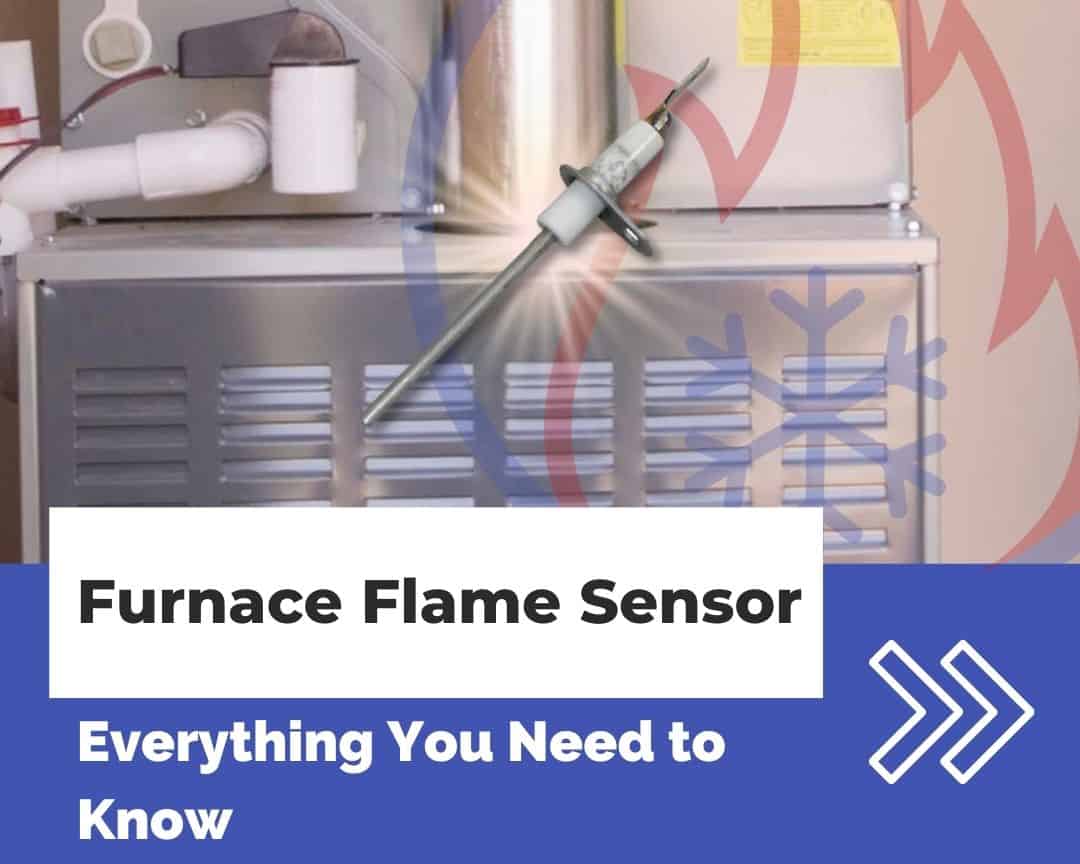
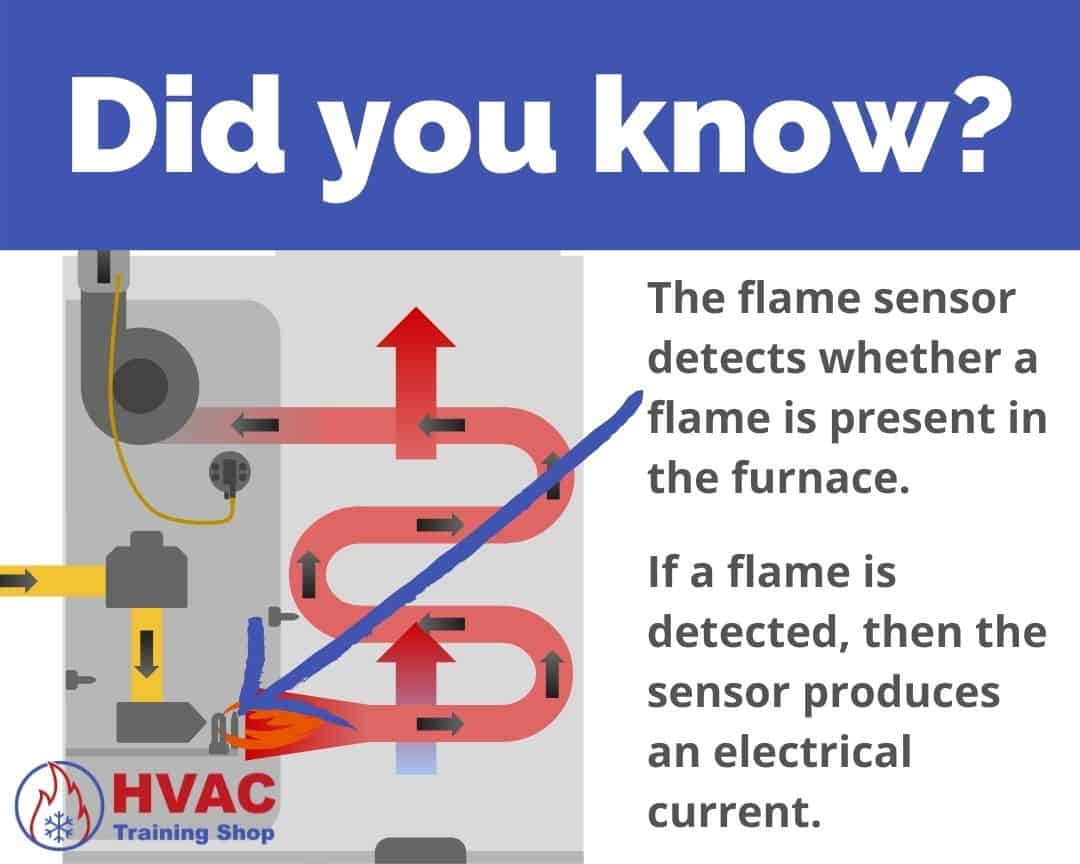
The flame sensor acts as a safety device. Its primary function is to detect the presence of a flame within the furnace's combustion chamber. If the sensor doesn't detect a flame within a specific timeframe after the gas valve opens, it signals the furnace control board to shut off the gas supply, preventing a dangerous buildup of unburned gas. This is a critical safety measure that protects your home and family.
Where is the Flame Sensor Located? A Step-by-Step Guide
Finding the flame sensor usually involves a few simple steps, though specific location may vary depending on the furnace model. Safety first: before attempting to locate or inspect the flame sensor, always turn off the power to your furnace at the breaker box.
- Access the Burner Compartment: Most furnaces have an access panel, often located on the lower front of the unit. This panel is typically secured with screws or clips.
- Locate the Burner Assembly: Once the access panel is removed, you'll see the burner assembly. This is where the gas is burned to produce heat.
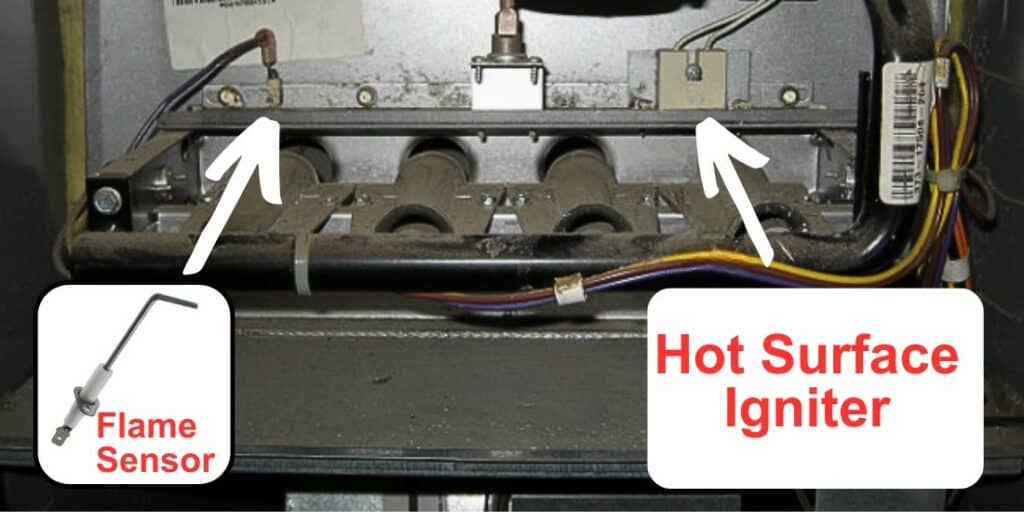
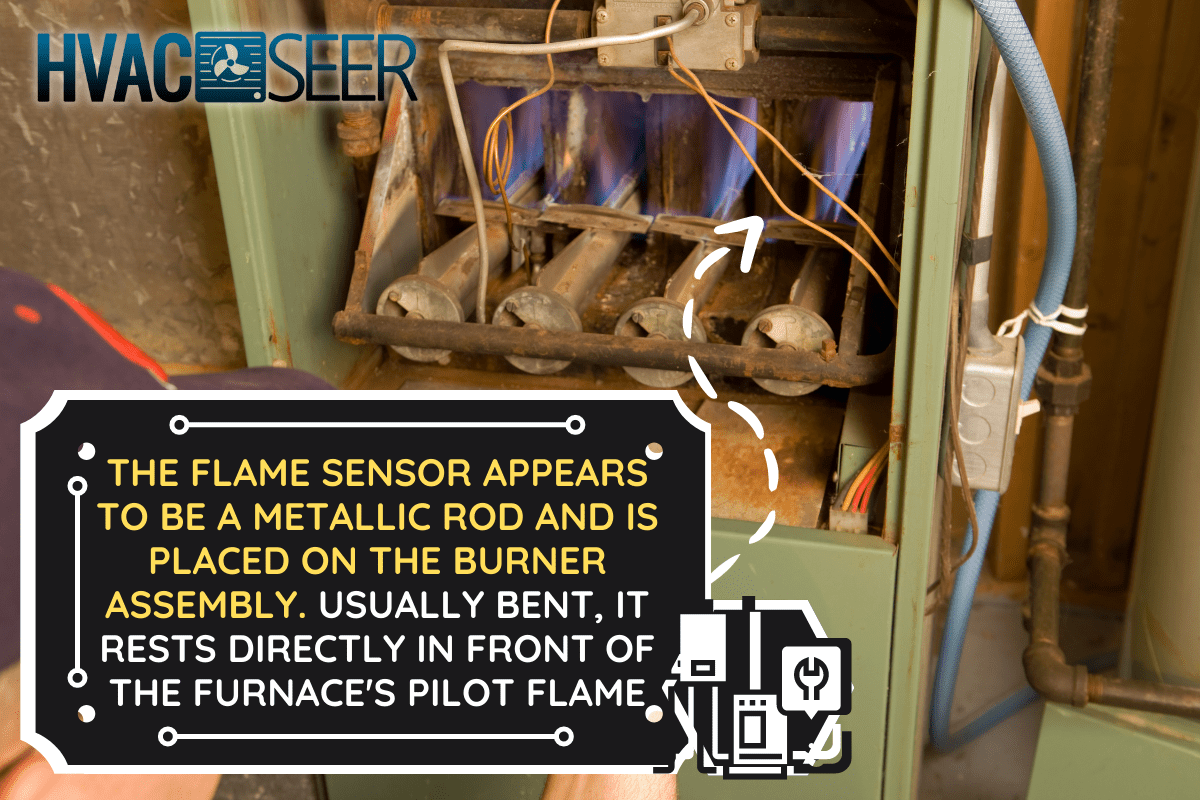
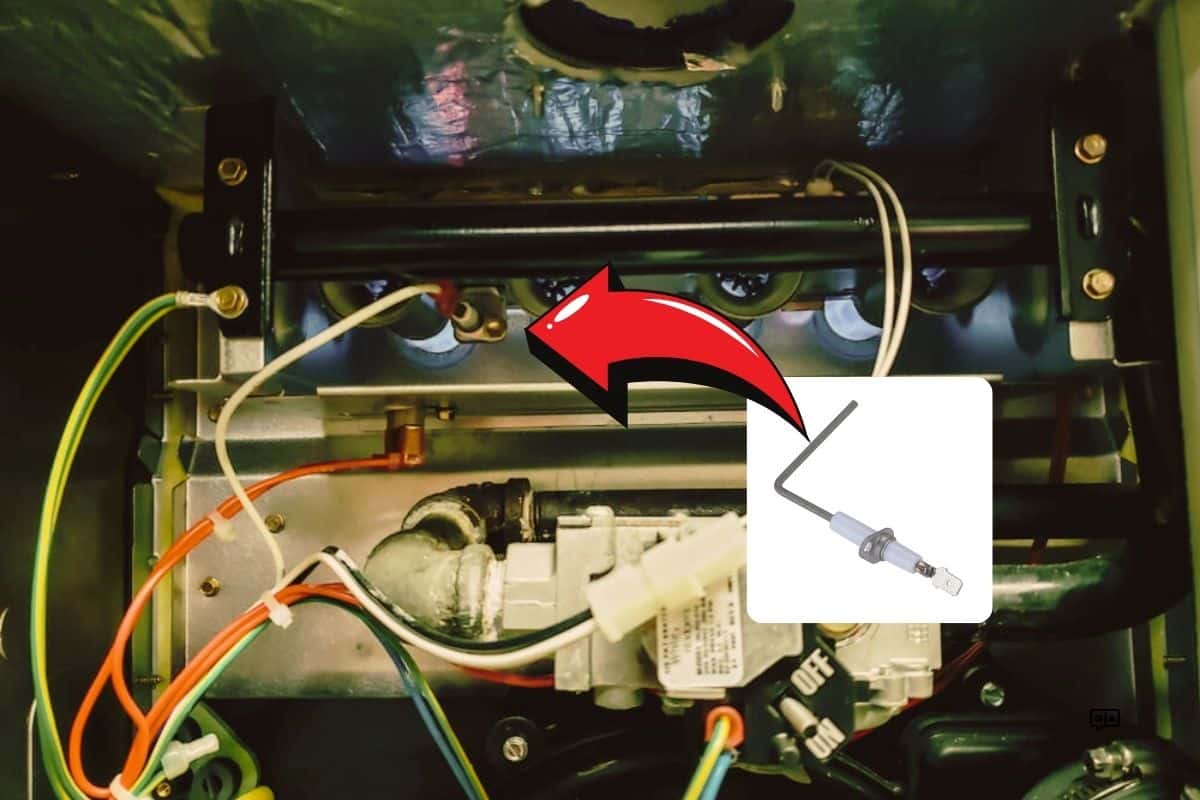
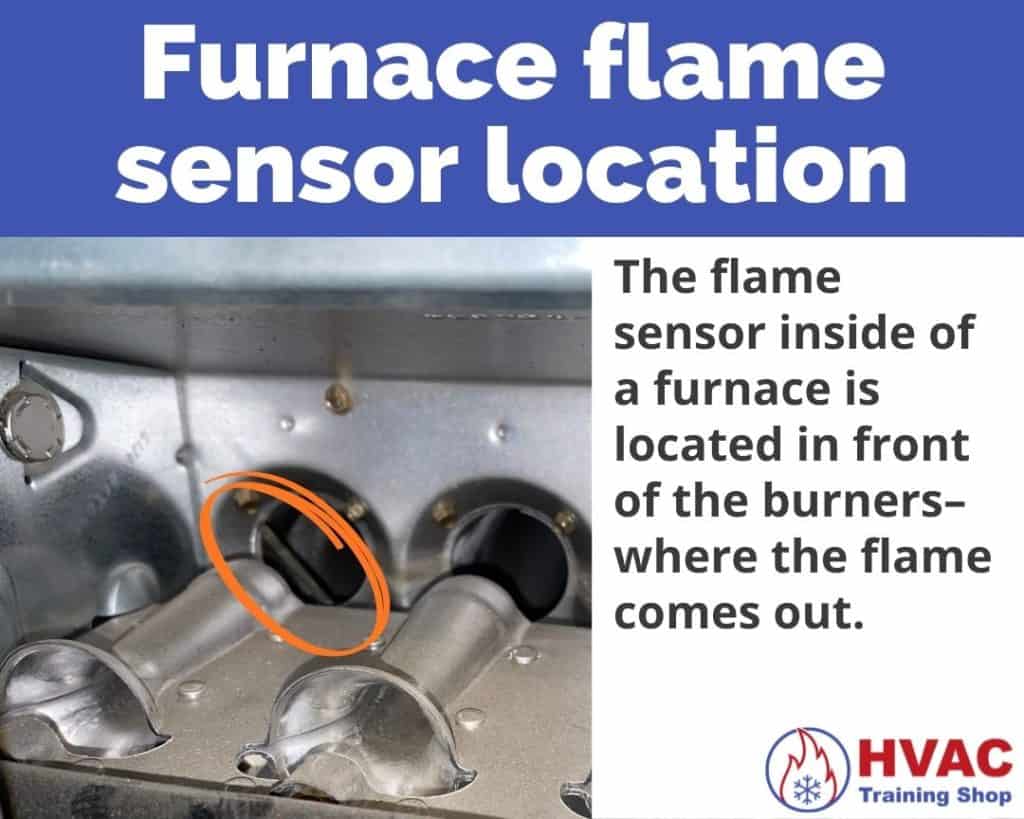
- Identify the Flame Sensor: The flame sensor is usually a thin, metallic rod, often made of ceramic or metal, that protrudes into the flame path of one of the burners. It's typically located near the burner closest to the igniter. It is connected by a single wire that leads back to the control board.
- Visual Inspection: Look for a small, porcelain or metal rod extending into the path of one of the burners. It will have a wire connected to it.
Important Note: Some high-efficiency furnaces may have a slightly different configuration, but the general principle and location remain the same.
Common Furnace Brands and Flame Sensor Placement
While the location principles are generally consistent, here’s how flame sensor placement can vary slightly across popular furnace brands:
- Lennox: Lennox furnaces often have the flame sensor positioned directly above one of the burners, slightly angled towards the flame.
- Carrier: In Carrier furnaces, the flame sensor is typically found on the side of the burner assembly, within close proximity to the igniter.
- Goodman: Goodman furnaces generally have the flame sensor extending directly into the flame of the first burner in the sequence.
- Trane: Trane furnaces may have the flame sensor mounted on a bracket, positioning it centrally within the burner assembly.
Always consult your furnace's specific manual or a qualified HVAC technician for precise location information.
Understanding AFUE, SEER, and HSPF: Key Furnace Efficiency Ratings
When choosing a new furnace, several efficiency ratings come into play. Understanding these ratings will help you make an informed decision that saves you money on energy bills.
- AFUE (Annual Fuel Utilization Efficiency): This measures how efficiently a furnace converts fuel (gas or oil) into heat. A higher AFUE rating indicates greater efficiency. Modern furnaces typically range from 80% to 98% AFUE. A furnace with 95% AFUE wastes only 5% of its fuel as exhaust.
- SEER (Seasonal Energy Efficiency Ratio): While SEER primarily applies to air conditioners, it's a useful benchmark for overall HVAC system efficiency. SEER measures the cooling output of an air conditioner during a typical cooling season divided by the total electric energy input during the same period.
- HSPF (Heating Seasonal Performance Factor): This rating is used for heat pumps and measures the heating efficiency of the unit. A higher HSPF indicates greater heating efficiency.
For example, the Lennox SLP98DF furnace boasts an impressive AFUE of up to 98%, making it one of the most efficient models on the market. In contrast, the Goodman GMVM97 offers a more budget-friendly option with an AFUE of around 97%.
Troubleshooting a Faulty Flame Sensor
A dirty or malfunctioning flame sensor is a common cause of furnace problems. Here are some signs that your flame sensor may need attention:
- Furnace Short Cycling: The furnace turns on, runs for a short time, and then shuts off.
- Furnace Failing to Ignite: The furnace attempts to ignite but fails to produce a flame.
- Error Codes: Your furnace control board may display an error code indicating a flame sensor issue.
Cleaning a Flame Sensor: Often, a simple cleaning can resolve flame sensor issues. Use a piece of fine-grit sandpaper or steel wool to gently clean the sensor rod, removing any carbon buildup or deposits. Be careful not to damage the sensor. After cleaning, reassemble the furnace and test its operation.
Warranties and Maintenance: Protecting Your Investment
A comprehensive warranty provides peace of mind and protects your investment in a new furnace. Most reputable manufacturers offer warranties on parts and labor.
Warranty Considerations:
- Parts Warranty: This covers the cost of replacing defective parts within a specified period, typically ranging from 5 to 10 years.
- Labor Warranty: This covers the cost of labor for repairs during the warranty period. Some manufacturers offer limited labor warranties, while others require professional installation to qualify for full coverage.
- Heat Exchanger Warranty: The heat exchanger is a critical component of the furnace. Look for extended warranties on the heat exchanger, often ranging from 20 years to lifetime coverage.
Maintenance is Key: Regular maintenance is crucial for extending the lifespan of your furnace and preventing costly repairs. Schedule annual furnace tune-ups with a qualified HVAC technician. These tune-ups typically include:
- Inspection of all components: This includes checking the burner assembly, heat exchanger, blower motor, and wiring.
- Cleaning of the burner assembly and flame sensor: Removing dirt and debris ensures efficient and reliable operation.
- Testing of safety controls: This includes verifying the proper function of the flame sensor, limit switches, and other safety devices.
- Checking gas pressure and carbon monoxide levels: Ensuring safe and efficient combustion.
Comparing Popular Furnace Models: Features and Costs
Choosing the right furnace depends on your budget, climate, and energy efficiency goals. Here's a comparison of some popular models:
Lennox SLP98DF: This is a top-of-the-line furnace with an AFUE of up to 98%. It features a variable-speed blower motor for enhanced comfort and quiet operation. Expect to pay between $4,000 and $6,000 for installation. This furnace is Energy Star certified.
Carrier Infinity 98: Another high-efficiency option with an AFUE of up to 98.5%. It offers similar features to the Lennox SLP98DF, including a variable-speed blower motor and advanced controls. Installation costs range from $3,800 to $5,800. This furnace is also Energy Star certified.
Goodman GMVM97: A more affordable option with an AFUE of up to 97%. While it doesn't have all the bells and whistles of the Lennox and Carrier models, it still provides excellent energy efficiency. Installation costs typically range from $2,500 to $4,000. This furnace is Energy Star certified.
Trane S9V2: This furnace offers a balance of efficiency and affordability, with an AFUE of up to 97%. It features a two-stage gas valve and a variable-speed blower motor. Installation costs range from $3,000 to $4,500.
Pricing Note: These prices are estimates and can vary depending on your location and the complexity of the installation.
Conclusion: A Safe and Efficient Home Heating System
Understanding the role of the flame sensor and the importance of regular maintenance can significantly extend the lifespan of your furnace and ensure its safe and efficient operation. By choosing the right furnace model and prioritizing preventative maintenance, you can enjoy a warm and comfortable home throughout the winter months while saving money on energy bills. When in doubt, always consult with a qualified HVAC technician for expert advice and service. Remember to consider AFUE ratings, warranty options, and the specific needs of your home when making your decision. Investing in a high-quality furnace is an investment in your home's comfort and safety.