Where Is The Flame Sensor
Finding the Flame Sensor: A Key to Efficient HVAC Performance
For homeowners, businesses, and HVAC professionals alike, understanding the components of your heating system is crucial for maintaining efficiency and reducing energy costs. One often-overlooked yet vital component is the flame sensor. This relatively small device plays a big role in ensuring your furnace operates safely and reliably. This article will guide you on where to find it, how it works, and its importance in maximizing energy savings.
What is a Flame Sensor and Why Does it Matter?
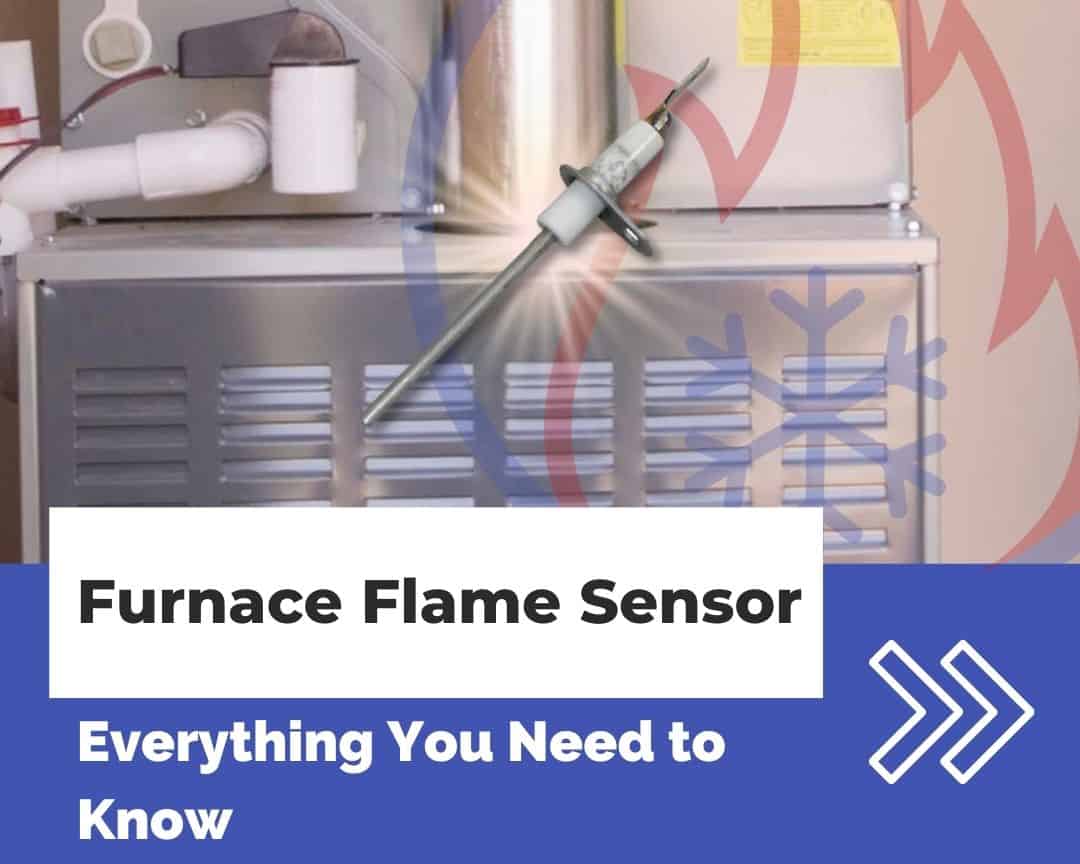
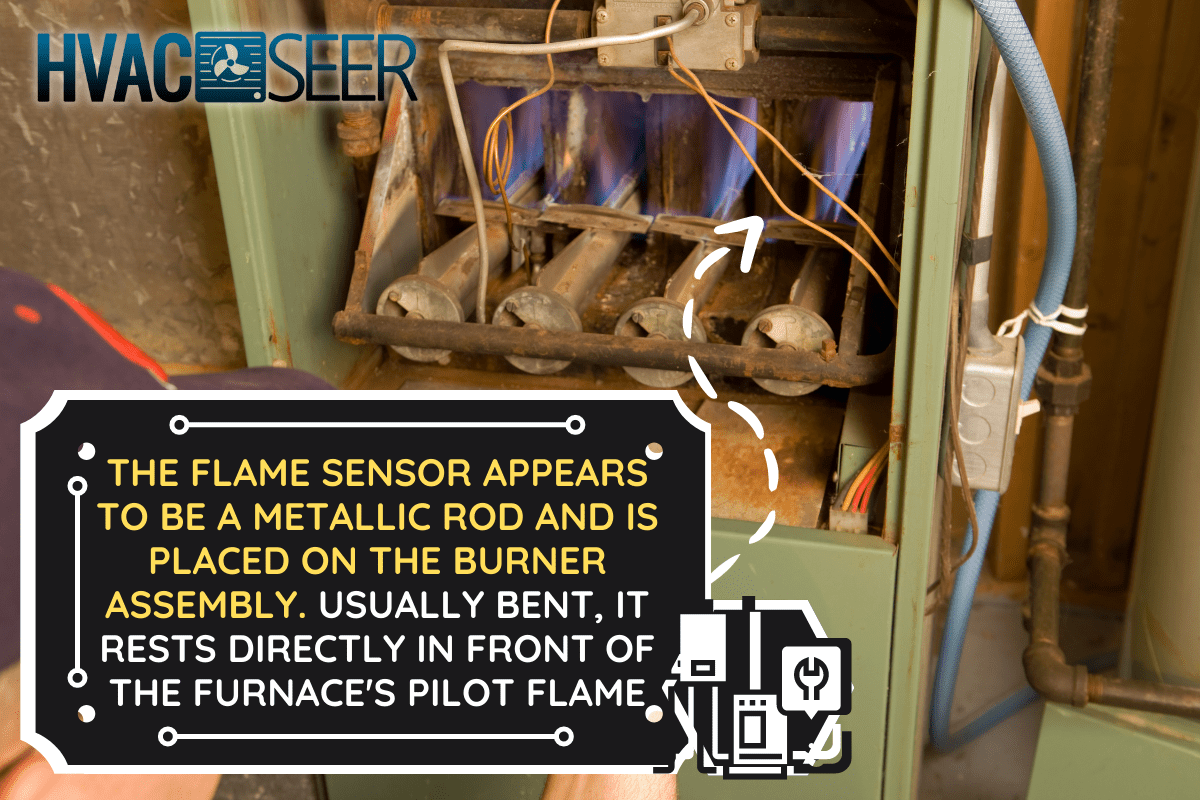
A flame sensor is a safety device that verifies the presence of a flame in your furnace's combustion chamber. It's typically a thin, metallic rod positioned near the burner. If the sensor doesn't detect a flame when the gas valve is open, it signals the furnace's control board to shut off the gas supply, preventing a dangerous buildup of unburned gas. This prevents a potentially explosive situation and ensures your furnace operates safely.
Beyond safety, a properly functioning flame sensor is essential for energy efficiency. If the sensor is dirty or faulty, it may not detect the flame reliably. This can cause the furnace to cycle on and off frequently, leading to wasted energy and higher heating bills. According to Energy Star data, a poorly maintained furnace can lose up to 20% of its efficiency, directly impacting your bottom line.
Locating the Flame Sensor: A Step-by-Step Guide
Finding the flame sensor requires some basic knowledge of furnace anatomy. Remember to always turn off the power to your furnace at the breaker box before attempting any inspection or maintenance. Safety is paramount.
Step 1: Identify Your Furnace Type
The location of the flame sensor can vary slightly depending on the type of furnace you have. The most common types are:
- Upflow Furnaces: These furnaces draw air from the bottom and blow heated air out the top. They are often found in basements or utility closets.
- Downflow Furnaces: These furnaces draw air from the top and blow heated air out the bottom. They are commonly located in attics or crawl spaces.
- Horizontal Furnaces: These furnaces are installed on their side, often in crawl spaces or attics where vertical space is limited.
Step 2: Access the Burner Compartment
The flame sensor is located within the burner compartment of your furnace. This compartment is usually behind a metal access panel. You may need a screwdriver or nut driver to remove the panel. Look for screws or latches securing it in place. Some panels have safety interlocks that automatically shut off the furnace when the panel is removed. Always consult your furnace's manual for specific instructions on accessing the burner compartment.
Step 3: Find the Flame Sensor
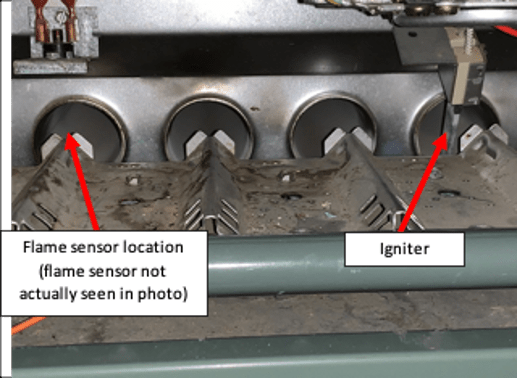
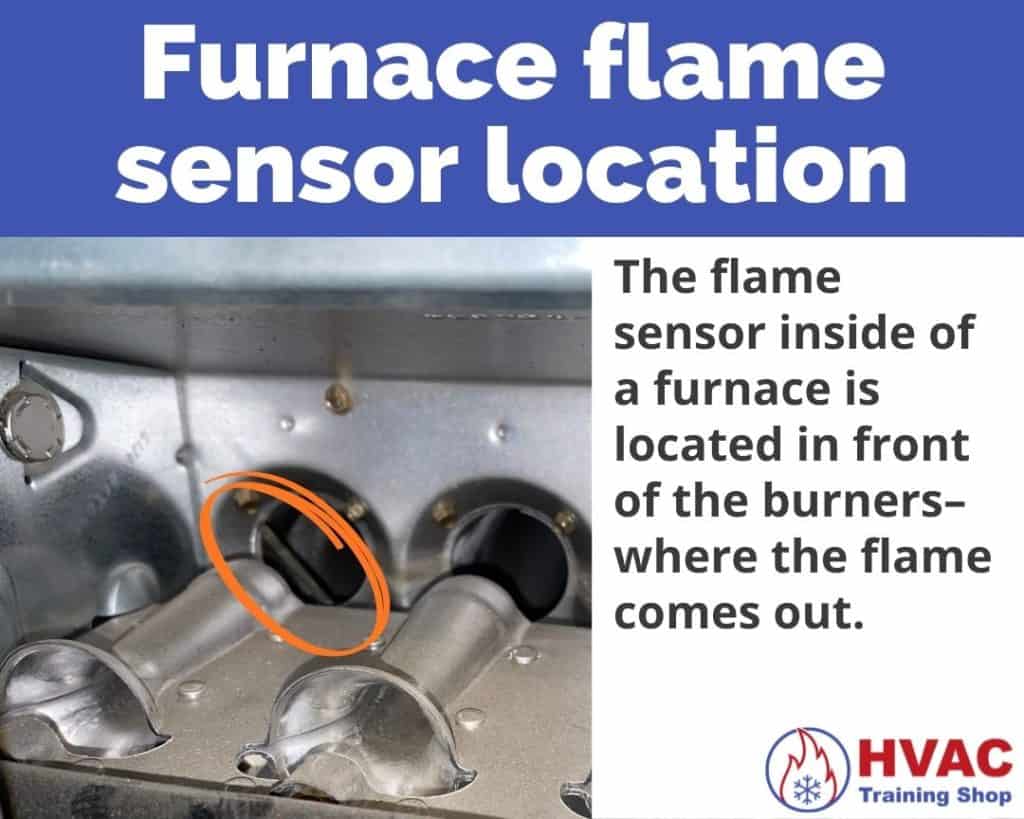
Once you have access to the burner compartment, look for a thin, metallic rod positioned near the burners. It’s usually made of stainless steel or ceramic and extends into the area where the flames are present during normal operation. The sensor is typically held in place by a screw or bracket. It's often located near the pilot light (in older furnaces) or near the igniter (in newer, direct-ignition furnaces). It's often white or light gray due to the high temperatures it experiences.
Typical Locations Based on Furnace Type:
- Upflow: Often located on the right side of the burner assembly.
- Downflow: Often located on the left side of the burner assembly.
- Horizontal: Can be on either side, depending on the furnace model.
Visual Aids and Resources
If you're having trouble locating the flame sensor, consult your furnace's owner's manual. Many manuals include diagrams or photographs that show the location of key components. Online resources like YouTube videos can also be helpful. Search for videos specific to your furnace model or type.
Cleaning and Maintaining the Flame Sensor
A dirty flame sensor is a common cause of furnace problems. Over time, soot and carbon deposits can build up on the sensor, insulating it from the flame and preventing it from working properly. Cleaning the flame sensor is a relatively simple task that can often resolve intermittent furnace issues.
How to Clean a Flame Sensor
- Turn off the power to your furnace at the breaker box. This is crucial for safety.
- Remove the access panel to the burner compartment.
- Locate the flame sensor.
- Carefully disconnect the wire from the flame sensor. Use pliers if necessary to avoid damaging the wire.
- Remove the flame sensor from its bracket.
- Clean the sensor with a piece of fine-grit sandpaper or steel wool. Gently remove any soot or carbon deposits. Do not use excessive force, as you could damage the sensor.
- Reinstall the flame sensor.
- Reconnect the wire to the flame sensor.
- Replace the access panel.
- Turn the power back on to your furnace.
After cleaning the flame sensor, test your furnace to ensure it is working properly. If the problem persists, you may need to replace the sensor.
Troubleshooting Flame Sensor Problems
A faulty flame sensor can manifest in several ways. Common symptoms include:
- Furnace short-cycling: The furnace turns on and off frequently, wasting energy.
- Furnace lockout: The furnace shuts down completely and requires manual resetting.
- Intermittent heating: The furnace works sometimes, but not always.
If you experience any of these symptoms, a faulty flame sensor is a likely culprit. Before replacing the sensor, try cleaning it as described above. If cleaning doesn't resolve the issue, you can test the sensor with a multimeter. A healthy flame sensor should produce a small DC microamp signal when exposed to a flame. Consult your furnace's service manual or an HVAC professional for specific testing procedures.
The ROI of a Properly Functioning Flame Sensor
Investing time in understanding and maintaining your flame sensor offers significant returns, especially when integrated with smart home technology. A clean and functional flame sensor ensures optimal fuel combustion, translating directly into lower energy bills. As mentioned earlier, a neglected furnace can lose up to 20% efficiency. Addressing flame sensor issues can reclaim a significant portion of that lost performance.
Smart Home Integration and Enhanced Savings
Smart thermostats can work in tandem with properly functioning flame sensors to optimize energy usage. By monitoring heating cycles and adjusting temperature settings based on real-time data, smart thermostats minimize wasted energy. Features like geofencing, which automatically adjusts the thermostat based on your location, further enhance energy savings. Companies like Nest and Ecobee offer smart thermostats with advanced algorithms that learn your heating patterns and optimize energy consumption.
Furthermore, some smart home systems can integrate with HVAC sensors to provide proactive alerts about potential issues, including flame sensor malfunctions. This allows you to address problems early, preventing costly repairs and maximizing energy efficiency. The integration of smart technology provides a clear path to optimizing your HVAC system for both cost savings and environmental responsibility.
Rebates and Incentives for Energy-Efficient HVAC Upgrades
Many utility companies and government agencies offer rebates and incentives for upgrading to energy-efficient HVAC systems. These programs can significantly reduce the upfront cost of new equipment and make it easier to transition to more sustainable heating and cooling solutions. Energy Star provides a comprehensive list of qualified products and rebate programs available in your area. Take advantage of these opportunities to lower your energy costs and reduce your carbon footprint.
For example, the Inflation Reduction Act (IRA) includes provisions for tax credits and rebates for energy-efficient home improvements, including HVAC upgrades. These incentives can make it more affordable than ever to invest in a high-efficiency furnace and smart home technology.
Working with HVAC Professionals
While cleaning a flame sensor is a relatively simple task, more complex HVAC issues require the expertise of a qualified professional. When choosing an HVAC contractor, look for companies that are licensed, insured, and have a proven track record of providing quality service. Ask for references and read online reviews to get a sense of their reputation.
A good HVAC contractor will be able to diagnose and repair any issues with your furnace, including problems with the flame sensor, gas valve, igniter, and control board. They can also advise you on the best ways to improve your furnace's efficiency and reduce your energy costs.
Ultimately, understanding the importance and location of the flame sensor can save you money, improve your home's safety, and contribute to a more sustainable future. By taking a proactive approach to HVAC maintenance and embracing smart home technology, you can unlock significant energy savings and create a more comfortable and efficient living environment.