Where Is The Gas Shut Off In My House

Frequently Asked Questions: Locating Your Home's Gas Shut-Off Valve
Knowing where your gas shut-off valve is located is crucial for your safety and the safety of your property. In the event of a gas leak or other emergency, being able to quickly and confidently shut off the gas supply can prevent a dangerous situation from escalating. This FAQ answers common questions about finding and using your home's gas shut-off valve.
Q1: Where is the main gas shut-off valve usually located on a property?
The main gas shut-off valve is typically located in one of three places:
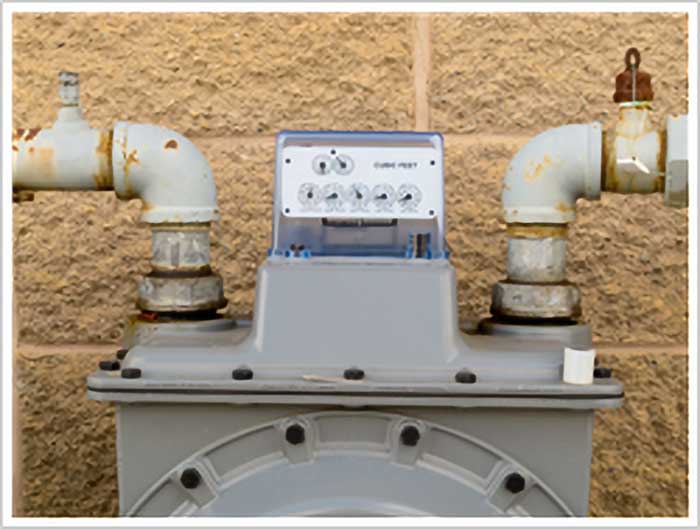
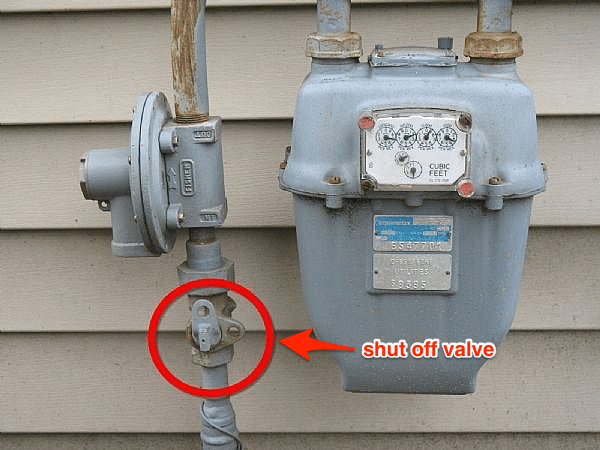
- Near the gas meter: This is the most common location. Look for a valve on the pipe leading into the meter from the street. The meter is usually outside your house, often near the front or side of the property.
- At the point where the gas line enters your house: In some cases, the valve may be located where the gas pipe enters the foundation of your house. This could be in the basement, crawl space, or outside along the foundation wall.
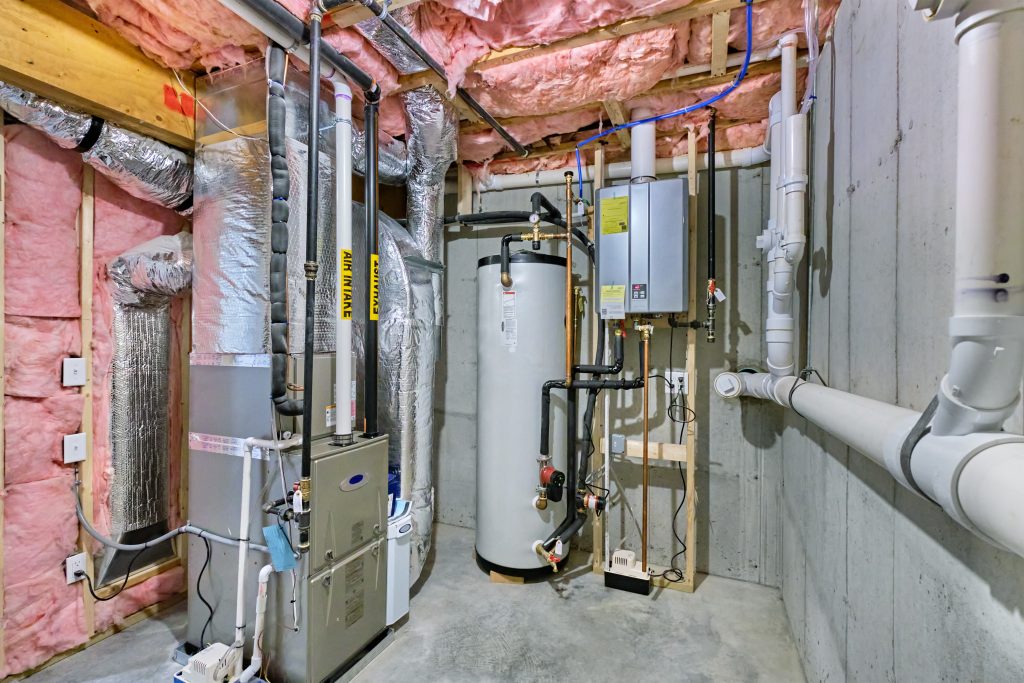
- Inside the house (rare): In very few instances, the main shut-off valve might be located inside the house, often near the furnace or water heater. However, this is less common than the other two locations.
Always check outside first, near the gas meter.
Q2: What does the gas shut-off valve look like?
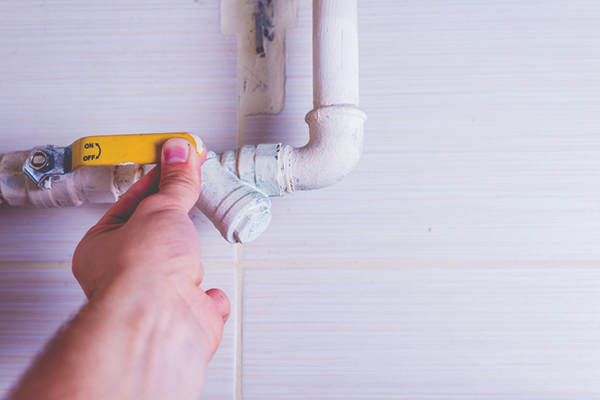
The gas shut-off valve is usually a rectangular or oval-shaped valve, often made of metal (typically iron or steel). It will have a handle or tang that you turn to shut off the gas. Here's what to look for:
- Shape: Usually rectangular or oval, but sometimes round.
- Material: Typically metal, often painted.
- Handle/Tang: A lever or tang that rotates a quarter-turn (90 degrees) to shut off the gas. The handle is usually in line with the pipe when the gas is on and perpendicular to the pipe when the gas is off.
- Color: Often, but not always, painted yellow or black. However, it could be other colors depending on the age and local regulations.
It is important to familiarize yourself with the look of your specific valve before an emergency occurs.
Q3: How do I shut off the gas using the shut-off valve?
Shutting off the gas is generally straightforward, but it's crucial to do it correctly. Here's a step-by-step guide:
- Locate the valve: Identify the main gas shut-off valve as described in the previous questions.
- Use the right tool: You will typically need a crescent wrench or similar adjustable wrench to turn the valve. Never use excessive force, as you could damage the valve or the gas pipe.
- Turn the valve: Turn the valve handle 90 degrees (a quarter turn) until it is perpendicular to the gas pipe. This indicates that the gas is shut off. The handle should move relatively easily; if it's stuck, apply penetrating oil and try again after a few minutes. If it's still stuck, contact your gas company or a qualified plumber.
- Do not turn back on yourself: Crucially, after shutting off the gas, do not attempt to turn it back on yourself. Contact your gas company. They will need to inspect your gas system for leaks and relight your appliances.
Remember: When the handle is in line with the pipe, the gas is on. When it's perpendicular, the gas is off. Practice locating and visualizing the action of turning off the gas valve. Never actually turn it off unless there's an emergency, as relighting appliances requires professional assistance.
Q4: What should I do *after* I've shut off the gas due to a suspected leak?
Shutting off the gas is just the first step. Here's what to do next:
- Evacuate: Evacuate the building and any nearby structures immediately.
- Call the gas company from a safe location: Use a cell phone or a neighbor's phone away from the affected area. Report the suspected leak and that you have shut off the gas. Provide your address and any relevant details.
- Call emergency services: Contact your local fire department or 911 to report the leak.
- Do not operate electrical switches or appliances: Even turning on a light switch can create a spark and potentially ignite the gas.
- Do not use open flames: This includes candles, matches, and lighters.
- Do not re-enter the building: Wait for the gas company and emergency services to arrive and give you the all-clear before re-entering the building.
- Wait for professional inspection: The gas company will inspect your gas lines for leaks and ensure it is safe to turn the gas back on. Do not attempt to do this yourself.
The safety of you and others is paramount. Following these steps can minimize the risk of a fire or explosion.
Q5: What if the gas shut-off valve is difficult to turn or appears corroded?
If the gas shut-off valve is stiff, corroded, or otherwise difficult to operate, do not force it. Applying excessive force could damage the valve or the gas line, potentially creating a larger leak. Instead, take the following steps:
- Apply penetrating oil: Apply a penetrating oil (like WD-40 or Liquid Wrench) to the valve and let it sit for several minutes. This may help to loosen any corrosion or rust that is preventing the valve from turning.
- Try again gently: After applying the oil, try turning the valve gently. If it still doesn't turn easily, do not force it.
- Contact your gas company or a qualified plumber: Explain the situation and ask them to inspect and repair or replace the valve. They have the necessary tools and expertise to handle this type of issue safely.
- Regular maintenance: Schedule regular maintenance checks of your gas appliances and gas lines. A qualified technician can inspect the shut-off valve and ensure that it is in good working order.
A corroded or difficult-to-turn valve is a serious safety concern and should be addressed immediately.
Q6: Are there individual shut-off valves for each gas appliance in my home?
Yes, most gas appliances have their own individual shut-off valves, usually located on the gas line leading directly to the appliance. These valves allow you to shut off the gas supply to a specific appliance without affecting the gas supply to the rest of your home.
- Location: Typically found on the gas pipe near the appliance (e.g., behind the stove, near the water heater, or under the furnace).
- Purpose: Allows for maintenance or repairs to a specific appliance without shutting off the entire gas supply.
- Operation: Similar to the main shut-off valve, they usually require a quarter-turn to shut off the gas.
Knowing the location of these individual shut-off valves can be useful for troubleshooting minor issues or when replacing an appliance. However, in a major gas leak situation, it is still essential to shut off the main gas supply.
Q7: How often should I check the location and condition of my gas shut-off valve?
You should check the location of your gas shut-off valve at least twice a year, and the condition of the valve annually. Here's a recommended schedule:
- Location check (twice yearly): Simply remind yourself where the valve is located. This is especially important if you've recently moved or had landscaping work done that might have obscured the valve.
- Condition check (annually): Visually inspect the valve for signs of corrosion, damage, or leaks. Gently try to turn the valve (without forcing it) to ensure it is not stuck. If you notice any issues, contact your gas company or a qualified plumber.
- After severe weather: Following any severe weather events (e.g., earthquakes, floods, hurricanes), check the valve for damage.
Regular checks can help you identify potential problems early and ensure that you can quickly and safely shut off the gas in an emergency. This simple precaution can save lives and protect your property.




.jpg)