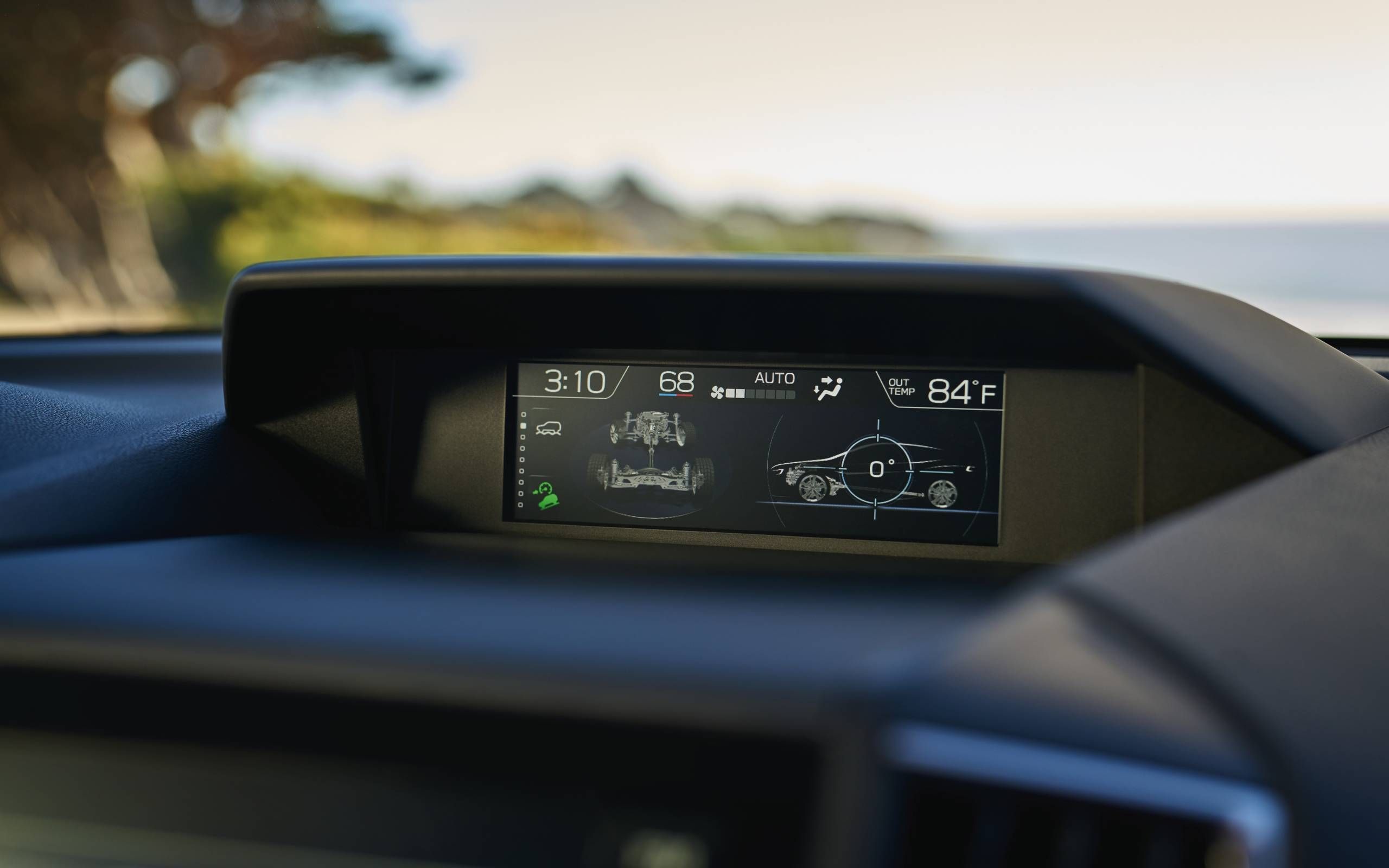
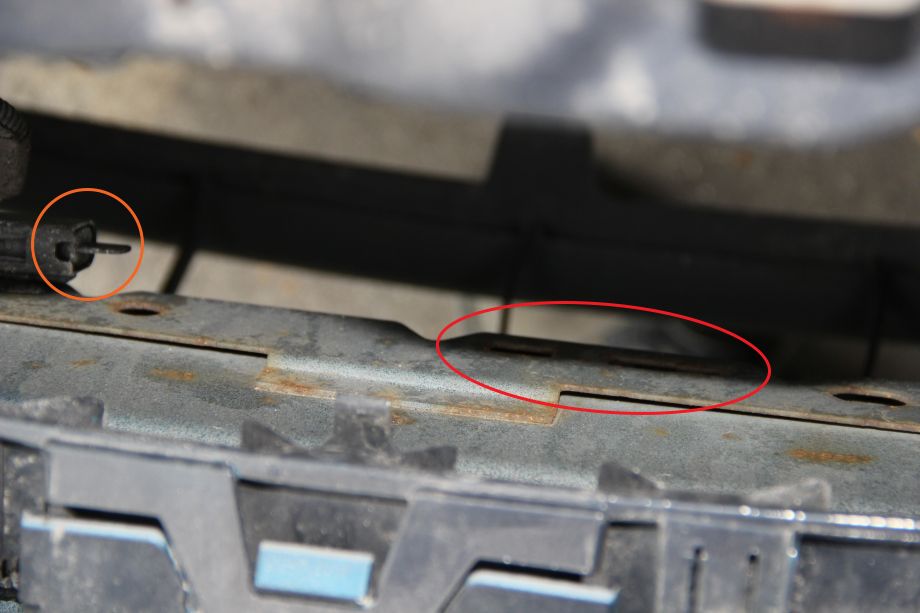
Where Is The Outdoor Temperature Sensor On Cars
Frequently Asked Questions: Finding Your Car's Outdoor Temperature Sensor
Many modern vehicles feature a dashboard display showing the outdoor temperature. This information comes from a dedicated sensor. Understanding where this sensor is located and how it works can be helpful for maintenance and troubleshooting. Here are some frequently asked questions to guide you:
Question 1: Where is the outdoor temperature sensor typically located on a car?
The most common location for the outdoor temperature sensor is behind the front bumper, often near the license plate or the lower grille. Other potential locations include:
- Behind the rearview mirror: Some vehicles, particularly those with advanced driver-assistance systems (ADAS), integrate the temperature sensor near the rearview mirror assembly.
- In the engine compartment: While less common, some older models or vehicles with specific designs may house the sensor within the engine compartment, though this is generally avoided due to engine heat affecting readings.
- Within the side mirror housing: Some manufacturers integrate the sensor into the side mirror assembly, typically on the underside.
The exact placement can vary significantly depending on the make, model, and year of the vehicle. Consulting your owner's manual is always the best way to pinpoint the sensor's exact location.
Question 2: Why is the outdoor temperature sensor usually placed near the front of the car?
The placement near the front of the car is strategic for several reasons:
- Airflow: The front of the vehicle is exposed to consistent airflow as the car moves. This helps the sensor get an accurate reading of the ambient air temperature and avoids being heavily influenced by heat radiating from the engine or other vehicle components.
- Minimizing Heat Soak: Locating the sensor away from the engine bay reduces the effect of "heat soak," where the sensor absorbs heat from the engine, leading to inaccurate temperature readings, especially when the car is stationary or moving slowly.
- Representative Measurement: The air flowing around the front of the car is generally considered to be representative of the overall outdoor temperature in the vehicle's surroundings.
By prioritizing airflow and minimizing heat interference, manufacturers aim to provide drivers with a reliable and accurate representation of the external temperature.
Question 3: How can I tell if my car's outdoor temperature sensor is malfunctioning?
Several symptoms can indicate a malfunctioning outdoor temperature sensor:
- Inaccurate Readings: The most obvious sign is a temperature reading that is significantly different from the actual outdoor temperature. This could manifest as a reading that's too high, too low, or fluctuating erratically.
- Slow Response Time: If the displayed temperature takes a long time to adjust to changes in the actual outdoor temperature, the sensor may be failing. For instance, if you drive from a cold area to a warmer area, the displayed temperature should gradually increase. A slow response suggests a problem.
- Erratic Fluctuations: The temperature reading may jump around erratically, showing large and sudden changes for no apparent reason.
- Check Engine Light (CEL): In some cases, a malfunctioning temperature sensor can trigger the Check Engine Light. This is more likely if the sensor is integrated with other vehicle systems, such as the climate control. A diagnostic scan will be needed to confirm the issue.
- Climate Control Issues: In vehicles with automatic climate control, a faulty outdoor temperature sensor can disrupt the system's ability to regulate the cabin temperature effectively. You might notice that the air conditioning or heating isn't working as expected.
If you suspect a problem with your temperature sensor, it's best to have it inspected by a qualified mechanic.
Question 4: Can I replace the outdoor temperature sensor myself? What's involved?
Replacing the outdoor temperature sensor is often a relatively straightforward repair, depending on the vehicle and your mechanical skills. Here's a general overview of the process:
- Locate the Sensor: First, you'll need to locate the sensor. Consult your owner's manual or a repair guide for your specific vehicle.
- Gather Tools: You'll likely need basic tools such as a screwdriver, pliers, and potentially a socket set.
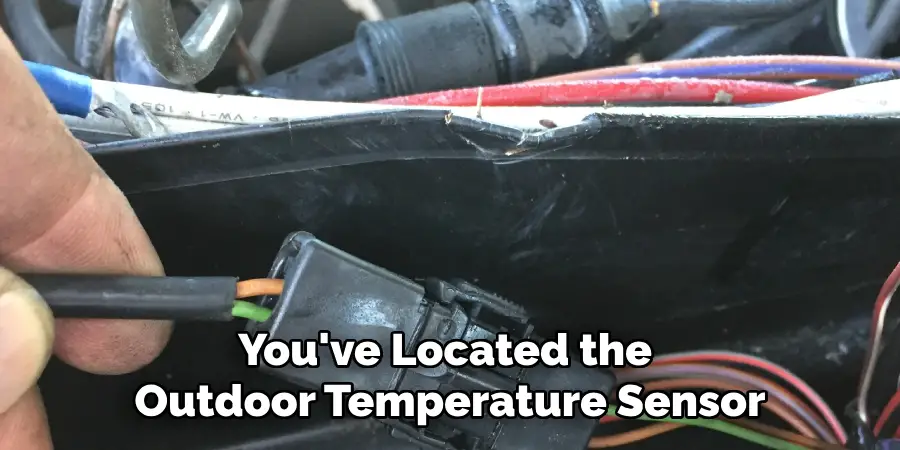
- Disconnect the Electrical Connector: Carefully disconnect the electrical connector attached to the sensor. Be sure to note the orientation of the connector before removing it.
- Remove the Old Sensor: The sensor is usually held in place by a clip, screw, or friction fit. Gently remove the old sensor.
- Install the New Sensor: Install the new sensor in the reverse order of removal. Ensure the electrical connector is securely attached.
Important Considerations:
- Safety First: Always disconnect the negative battery terminal before working on any electrical components of your car.
- Correct Part: Ensure you purchase the correct replacement sensor for your vehicle's make, model, and year.
- Professional Help: If you're not comfortable performing the repair yourself, it's best to take your car to a qualified mechanic.
Question 5: Does the outdoor temperature sensor affect my car's performance or fuel economy?
While the primary function of the outdoor temperature sensor is to provide temperature information for the dashboard display and potentially the automatic climate control system, it can indirectly influence other vehicle systems, though the effect is usually minimal.
- Climate Control System: As mentioned earlier, a faulty sensor can affect the performance of the automatic climate control system, potentially leading to reduced efficiency if the system is working harder than necessary to maintain the desired cabin temperature.
- Engine Management System (EMS): In some vehicles, the outdoor temperature sensor's reading might be used by the Engine Management System (EMS) as one of many inputs to optimize engine performance. However, the impact is typically minor compared to other sensors like the engine coolant temperature sensor or the intake air temperature sensor. Modern cars rely on many sensors working in unison; a single sensor failure typically triggers failsafe logic, reducing performance slightly.
In most cases, a malfunctioning outdoor temperature sensor will not have a significant impact on your car's overall performance or fuel economy. However, addressing the issue promptly can ensure the proper functioning of the climate control system and prevent any potential knock-on effects on other systems.
Question 6: What could cause a car's outdoor temperature sensor to fail?
Several factors can contribute to the failure of an outdoor temperature sensor:
- Physical Damage: The sensor is often located in a vulnerable position near the front of the car and can be damaged by road debris, impacts, or even minor accidents.
- Corrosion: Exposure to moisture, salt, and other road chemicals can corrode the sensor's electrical connections, leading to inaccurate readings or complete failure.
- Electrical Issues: Wiring problems, such as damaged wires or loose connections, can disrupt the sensor's signal.
- Extreme Temperatures: Prolonged exposure to extreme temperatures can degrade the sensor's internal components over time.
- Age: Like any electronic component, temperature sensors can simply fail due to age and normal wear and tear.
Regular vehicle inspections can help identify potential issues with the temperature sensor before they lead to a complete failure. Protecting the sensor from physical damage and addressing any signs of corrosion promptly can extend its lifespan.
Question 7: My car shows the correct temperature when driving, but the displayed temperature increases while stopped at a red light. Why?
This phenomenon is almost always caused by heat soak, which we mentioned previously. Even though the sensor is placed at the front of the car, some engine heat can still radiate towards it, especially when the vehicle is stationary. Here's a more detailed explanation:
- Reduced Airflow: When the car is moving, airflow helps dissipate heat and keeps the sensor at the actual ambient temperature. When you stop, the airflow ceases, allowing heat from the engine, radiator, and exhaust to accumulate around the sensor.
- Sensor Proximity: While manufacturers try to minimize the effect, the sensor is still relatively close to the engine bay.
- Dark Surfaces: The sensor housing and surrounding components can absorb sunlight, further contributing to the temperature increase.
The temperature will usually return to normal once you start driving again and airflow resumes. This behavior is generally considered normal and doesn't necessarily indicate a faulty sensor, unless the temperature increase is excessive (e.g., a very large or sudden jump). If the temperature reading remains high even after driving for a while, then the sensor may be faulty.