Where Is The Pressure Relief Valve Located

Understanding your HVAC system is crucial for maintaining a comfortable and safe home. One often overlooked but vital component is the pressure relief valve, or PRV. This valve acts as a safety measure, preventing dangerous pressure buildup within your system. Knowing its location and function can help you troubleshoot issues and potentially save on costly repairs. Let's explore where to find this essential valve.
Locating the Pressure Relief Valve
The location of your pressure relief valve depends primarily on the type of HVAC system you have. Here’s a breakdown for various common setups:
For Furnaces:
In a furnace, the pressure relief valve is usually found on or near the blower motor housing or on the ductwork close to the furnace itself. It's often a small, round valve with a lever or handle. Look for a pipe or opening nearby that will allow the released pressure to vent safely.
What to Look For:
- A small, typically round or cylindrical valve.
- A lever or handle on the valve.
- A discharge pipe or vent opening nearby.
- Possible labeling indicating "Pressure Relief" or similar.
For Boilers:
Boilers, which use hot water or steam, have a pressure relief valve (sometimes called a safety valve) located directly on the boiler itself, usually at the top. It's designed to release steam or hot water if the pressure exceeds safe levels. These are critically important due to the risk of explosion with over-pressurization.
What to Look For:
- A sturdy valve, often brass or bronze.
- Located on the top of the boiler.
- A discharge pipe that runs down towards the floor, often terminating a few inches above the floor. This is crucial for safe discharge of hot water or steam.
- A label indicating pressure settings (e.g., "Relief Pressure: 30 PSI").
For Heat Pumps:
Heat pumps can be a bit trickier. The pressure relief valve might be located inside the outdoor unit, close to the compressor. It could also be near the indoor unit. Inspect both units carefully.
What to Look For:
- Inside the outdoor unit, look near the compressor.
- Inside the indoor unit, trace refrigerant lines.
- It may be hidden behind panels; exercise caution when removing these.
For Air Conditioners:
Similar to heat pumps, the pressure relief valve in an air conditioner is generally located within the outdoor condensing unit. Look near the compressor and refrigerant lines.
What to Look For:
- Access requires removal of an access panel, usually secured by screws.
- Look for a valve connected to refrigerant lines.
- Be aware of potential electrical hazards inside the unit.
Identifying the Pressure Relief Valve
Once you've located the general area, how do you definitively identify the pressure relief valve? Here are some key features:
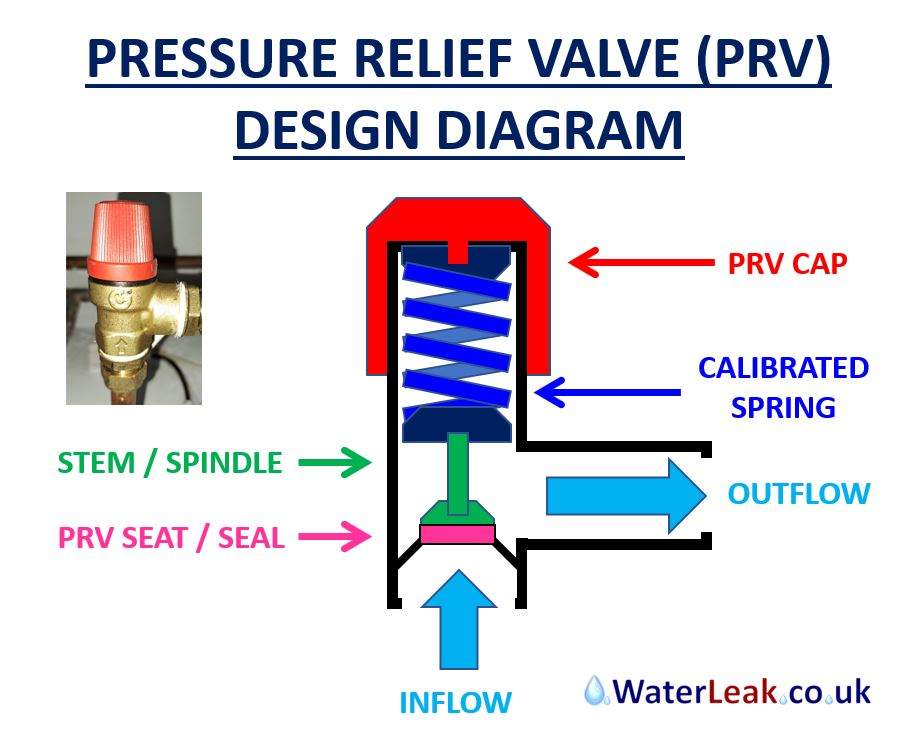
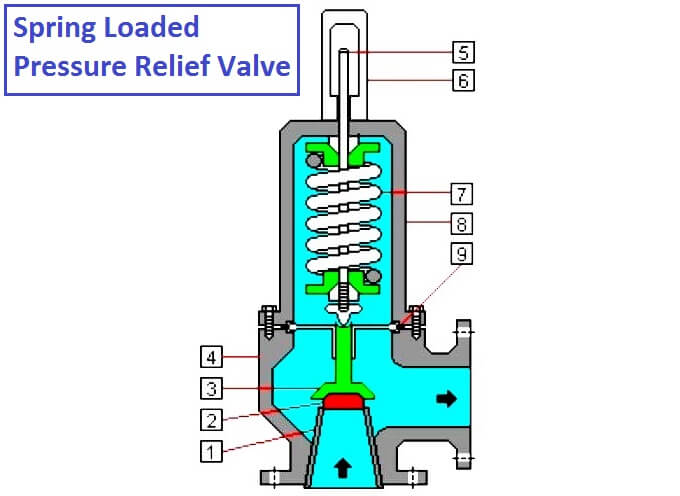
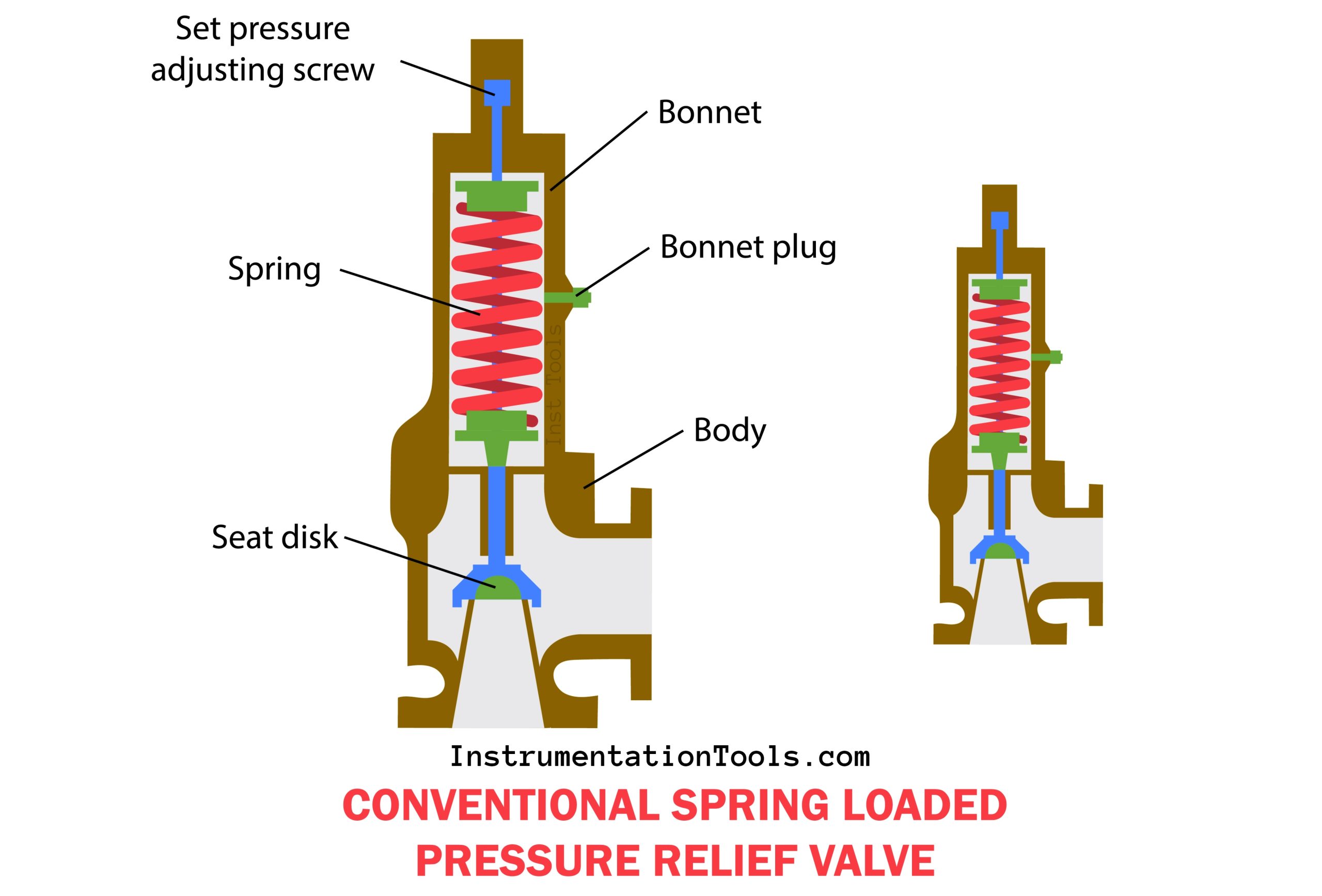
- Appearance: PRVs are typically small, metal valves. They can be brass, bronze, or steel.
- Lever or Handle: Most PRVs have a lever or handle that can be manually lifted to test the valve. Never hold the lever open for extended periods, as this can damage the valve.
- Discharge Pipe: A discharge pipe or opening is almost always present, designed to safely direct the released pressure away from the equipment and people.
- Pressure Rating: The valve should be stamped with its pressure rating (e.g., "150 PSI"). This indicates the pressure at which the valve is designed to open.
- Labeling: Look for labels or markings indicating "Pressure Relief Valve," "Safety Valve," or similar wording.
Why is the Pressure Relief Valve Important?
The pressure relief valve is a crucial safety device. Its primary function is to prevent catastrophic failure of your HVAC system due to excessive pressure. Over-pressurization can occur due to a variety of reasons, including:
- Malfunctioning components: A faulty control system or a blocked vent can cause pressure to build up.
- Overheating: In boilers, overheating can cause excessive steam pressure.
- Refrigerant Leaks: Refrigerant leaks can cause pressure imbalances in AC systems.
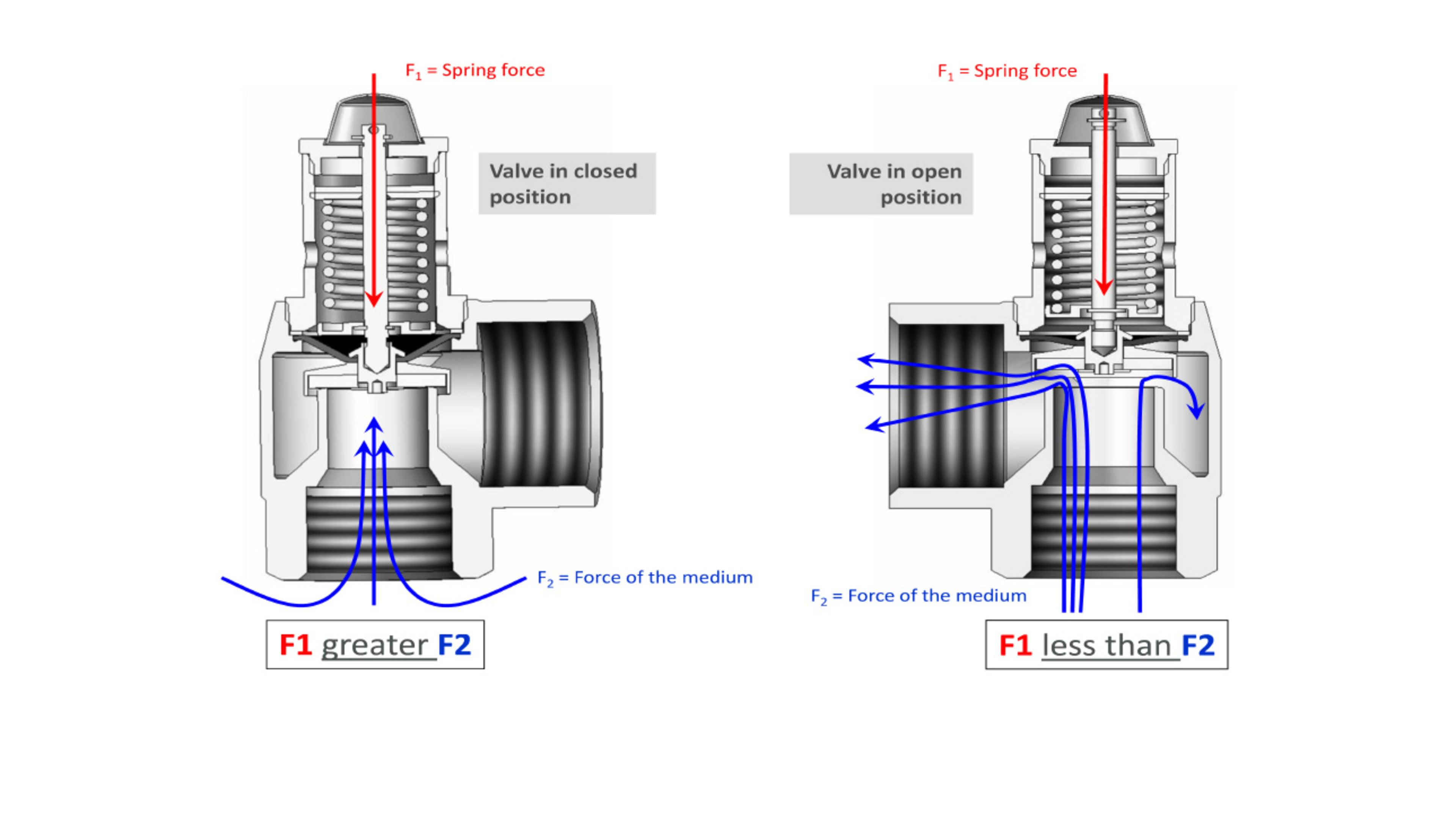
If the pressure exceeds the valve's rating, the valve will automatically open, releasing the excess pressure and preventing a potential explosion or serious damage to your equipment and home.
Troubleshooting Potential Problems
If you suspect a problem with your pressure relief valve, here are some things to check:
- Leaking: A constantly leaking PRV indicates a problem. It could be due to excessive system pressure, a faulty valve, or debris lodged in the valve seat.
- Corrosion: Check for signs of corrosion or rust on the valve body or discharge pipe. Corrosion can weaken the valve and prevent it from functioning properly.
- Lack of Operation: If you suspect over-pressurization but the valve isn't releasing pressure, the valve may be stuck or malfunctioning. This is a serious situation that requires immediate attention.
DIY vs. Professional Help
Some basic troubleshooting steps can be performed by homeowners, but it's essential to know your limits. Here's a guideline:
DIY Tasks (with caution):
- Visual Inspection: Check for leaks, corrosion, and damage.
- Testing the Valve (briefly!): Carefully lift the lever on the valve to ensure it opens and closes properly. Release immediately.
- Cleaning the Discharge Pipe: Ensure the discharge pipe is free of obstructions.
When to Call a Professional HVAC Technician:
- Persistent Leaks: If the valve continues to leak after you've tried troubleshooting.
- Corrosion or Damage: If you notice significant corrosion or physical damage to the valve.
- Suspected Malfunction: If you suspect the valve isn't operating correctly, especially if you hear unusual noises or notice pressure fluctuations.
- Boiler Issues: Never attempt to repair a PRV on a boiler yourself. Boilers operate under high pressure and can be extremely dangerous.
- Refrigerant Handling: Any work involving refrigerant lines requires EPA certification and specialized equipment.
Safety First!
Working with HVAC systems can be dangerous. Always follow these safety precautions:
- Turn off the Power: Before working on any electrical components, disconnect the power to the system at the circuit breaker.
- Wear Protective Gear: Wear safety glasses and gloves to protect yourself from debris, hot surfaces, and potential chemical exposure.
- Be Aware of Hot Surfaces: Allow the system to cool down completely before working on it.
- Don't Force Anything: If something doesn't seem right, don't force it. Call a professional.
- Refrigerant Hazards: Never attempt to vent refrigerant into the atmosphere. It's illegal and harmful to the environment.
Estimated Repair Costs
The cost of repairing or replacing a pressure relief valve can vary depending on the type of valve, the complexity of the job, and your location. Here's a general estimate:
- Basic PRV Replacement (Furnace/AC): $150 - $400 (includes parts and labor).
- Boiler PRV Replacement: $300 - $600 (due to increased complexity and safety concerns).
- Diagnostic Fee: $75 - $150 (to determine the root cause of the problem).
These are just estimates. Always get a quote from a qualified HVAC technician before proceeding with any repairs.
Preventative Maintenance
Regular preventative maintenance can help prevent problems with your pressure relief valve and extend the life of your HVAC system. Consider these tips:
- Annual Inspection: Schedule an annual inspection with a qualified HVAC technician. They can check the valve for leaks, corrosion, and proper operation.
- System Cleaning: Keep your HVAC system clean and free of debris. This can help prevent pressure buildup and other issues.
- Filter Replacement: Replace air filters regularly (every 1-3 months). Dirty filters can restrict airflow and cause the system to work harder, potentially leading to over-pressurization.
Understanding the location and function of your pressure relief valve is a critical step in maintaining a safe and efficient HVAC system. By following these guidelines and knowing when to call a professional, you can keep your home comfortable and protect your investment.