Where Is The Refrigerant In An Ac Unit

Frequently Asked Questions: Where is the Refrigerant in Your AC Unit?
Understanding where refrigerant lives within your air conditioning system is crucial for basic maintenance knowledge. This FAQ aims to answer your most pressing questions about refrigerant location and function.
Q1: What Exactly Is Refrigerant and What Does it Do?
Refrigerant is a special chemical substance that acts as the lifeblood of your AC system. Think of it as the vehicle that carries heat. It absorbs heat from inside your home and releases it outside, resulting in cool air blowing from your vents. Without refrigerant, your AC unit simply won't cool.
Refrigerants cycle through the AC unit, changing between liquid and gaseous states. This phase change is key to the heat transfer process. Older refrigerants, like R-22 (Freon), have been phased out due to environmental concerns. Newer, more environmentally friendly refrigerants, like R-410A (Puron), are now commonly used.
Q2: Where Specifically Is the Refrigerant Located Within My AC System?
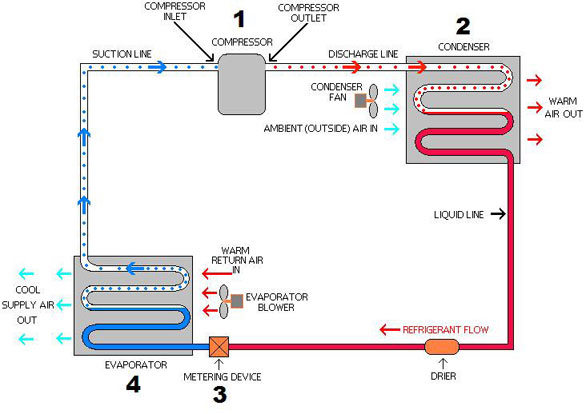
Refrigerant isn't just in one place; it's distributed throughout the entire sealed cooling system. The major components where refrigerant is present include:
- Compressor: This is the heart of the AC, pumping the refrigerant throughout the system. It's usually located in the outdoor unit.
- Condenser Coil: Also in the outdoor unit, the condenser coil releases the heat absorbed from inside your home. Refrigerant is in a high-pressure, high-temperature gaseous state here.
- Evaporator Coil: Found inside your indoor unit (the part that blows cool air), the evaporator coil absorbs heat from the air passing over it. Refrigerant is in a low-pressure, low-temperature liquid state here.
- Refrigerant Lines: These are copper pipes that connect the indoor and outdoor units, allowing the refrigerant to flow between the components. There are two main lines: a liquid line (smaller diameter) and a suction line (larger diameter).
- Expansion Valve (or Metering Device): This controls the flow of refrigerant into the evaporator coil, reducing the pressure and temperature of the refrigerant.
- Accumulator (or Receiver/Dryer): Some systems include these components to store excess refrigerant and prevent liquid refrigerant from entering the compressor.
Think of it like a closed loop. Refrigerant continuously circulates through these components, changing state and transferring heat in the process.
Q3: Can I See the Refrigerant? Should I Attempt to Access It?
Generally, you cannot and should not attempt to see or access the refrigerant. The refrigerant is contained within a closed, pressurized system. There isn't usually a visible reservoir or gauge that allows you to directly observe the refrigerant. Interfering with the refrigerant lines or components can be extremely dangerous.
- Risk of Burns: Refrigerant can cause severe frostbite if it comes into contact with your skin.
- System Damage: Opening the system without proper training and equipment can release refrigerant, causing environmental damage and rendering your AC unit inoperable.
- Legal Issues: Handling refrigerant requires EPA certification. Releasing refrigerant into the atmosphere is illegal and can result in fines.
If you suspect a refrigerant leak (more on that below), immediately contact a licensed HVAC technician.
Q4: How Do I Know If My AC Unit Is Low on Refrigerant? What Are the Signs?
A low refrigerant level can significantly impact your AC unit's performance. Here are some common signs:
- Warm Air: The most obvious sign is that your AC is blowing warm air instead of cool air.
- Reduced Cooling: The AC may be running constantly but not effectively cooling your home.
- Longer Cooling Cycles: It takes longer than usual for your home to reach the set temperature.
- Higher Energy Bills: A struggling AC unit consumes more energy, leading to increased utility costs.
- Ice on Refrigerant Lines or Evaporator Coil: Restricted airflow or low refrigerant can cause ice to form on these components.
- Hissing or Bubbling Sounds: These sounds could indicate a refrigerant leak.
- Visible Leaks: Although rare to see directly, you might notice oily residue near refrigerant lines or connections. This is often accompanied by a distinct chemical smell.
If you notice any of these signs, it's crucial to call a qualified HVAC technician to diagnose and repair the problem. Ignoring these symptoms can lead to further damage to your AC unit and more costly repairs.
Q5: What Happens If My AC Unit Has a Refrigerant Leak? What Should I Do?
A refrigerant leak is a serious issue that needs immediate attention. Refrigerant is an environmental pollutant and a properly sealed system is essential for efficient operation.
Here’s what you should do if you suspect a refrigerant leak:
- Turn Off the AC: Immediately switch off your AC unit to prevent further refrigerant loss and potential damage to the compressor.
- Ventilate the Area: If the leak is inside your home, open windows and doors to ventilate the area.
- Call a Licensed HVAC Technician: Contact a qualified and licensed HVAC technician to diagnose and repair the leak. Do not attempt to fix it yourself.
- Avoid Contact: Do not touch any visible signs of refrigerant or the leaking area.
The HVAC technician will use specialized equipment to locate the leak, repair it, and recharge the system with the correct type and amount of refrigerant. They will also check for any other underlying issues that may have caused the leak.
Q6: What Type of Refrigerant Does My AC Unit Use? Why Is That Important?
Knowing what kind of refrigerant your AC unit uses is important because different refrigerants have different properties and environmental impacts. Older systems often used R-22 (Freon), but this refrigerant is being phased out due to its ozone-depleting potential.
Newer systems typically use R-410A (Puron), which is a more environmentally friendly refrigerant. However, R-410A is also being phased down under international agreements, and even newer refrigerants with lower global warming potential (GWP), like R-32 and HFO blends, are being introduced.
You can usually find the type of refrigerant your AC unit uses on the unit's nameplate, typically located on the outdoor unit. It's crucial to use the correct type of refrigerant when recharging the system. Mixing different refrigerants can damage the unit and void the warranty.
Q7: Can I Add Refrigerant to My AC Unit Myself? Why or Why Not?
No, you should never attempt to add refrigerant to your AC unit yourself. Handling refrigerants requires specialized training, equipment, and EPA certification. There are several reasons why this is a bad idea:
- Safety Risks: Refrigerant can cause severe frostbite and other injuries if handled improperly.
- Environmental Regulations: Releasing refrigerant into the atmosphere is illegal and harmful to the environment.
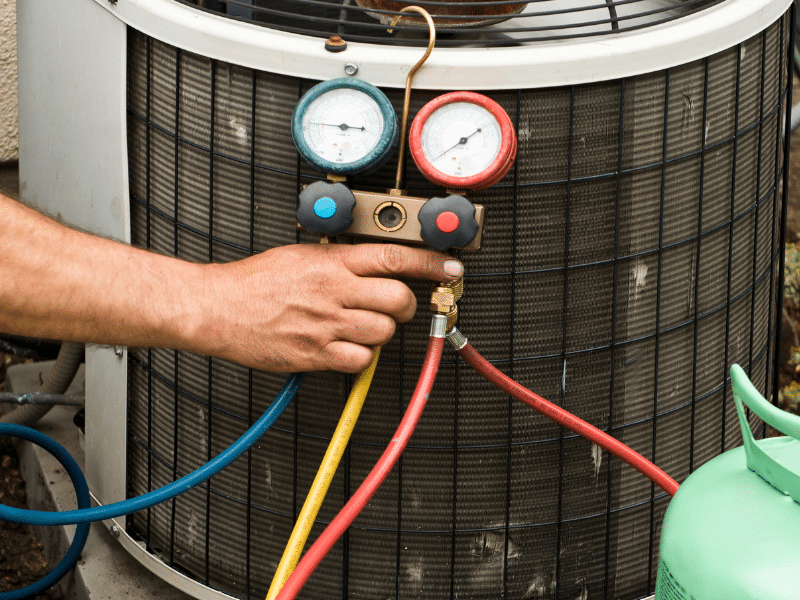
- Equipment Requirements: Adding refrigerant requires specialized gauges, vacuum pumps, and leak detection equipment.
- Incorrect Charging: Adding too much or too little refrigerant can damage the compressor and other components.
- Warranty Issues: Improperly charging the system can void the warranty.
- Underlying Problems: Simply adding refrigerant without fixing the underlying leak is only a temporary solution. The leak will continue, and you'll have to keep adding refrigerant.
Only a licensed HVAC technician has the knowledge and equipment to safely and correctly handle refrigerant. They can properly diagnose the problem, repair any leaks, and recharge the system with the correct amount of refrigerant.