Where Is The Reset Button On A Gas Furnace

Is your home feeling a bit chilly despite the thermostat being set to a comfortable temperature? Or perhaps you've noticed that your furnace starts and then abruptly shuts down shortly after? These are common issues homeowners face, and often, a simple reset can get your heating system back on track. Before calling a professional, let's explore how to troubleshoot and potentially fix the problem yourself by locating and understanding the function of the reset button on your gas furnace.
Understanding the Issue: Furnace Short Cycling
One of the most frustrating furnace problems is short cycling. This is when your furnace turns on, runs for a very short period (often just a few minutes), and then shuts off, only to repeat the cycle again and again. This not only leaves your home inadequately heated but also puts unnecessary strain on your furnace, potentially shortening its lifespan and increasing your energy bills. Several factors can cause short cycling, and one of the most common is a tripped safety switch that requires a reset.
Step-by-Step Troubleshooting: Is a Reset Needed?
Before you go searching for the reset button, let's systematically rule out some simpler causes. A methodical approach can save you time and potentially identify the root cause of the problem.
Step 1: Check the Thermostat
This might seem obvious, but it's the first and easiest thing to check. Make sure your thermostat is set to HEAT and that the desired temperature is higher than the current room temperature. Also, check the thermostat batteries. A low battery can cause erratic behavior.
DIY Check (No Tools Needed):
- Verify thermostat settings.
- Replace thermostat batteries.
Step 2: Inspect the Air Filter
A clogged air filter is a very common cause of furnace problems. A dirty filter restricts airflow, causing the furnace to overheat and trigger a safety switch. A furnace is designed to shut down if it cannot get enough airflow, preventing permanent damage to components.
DIY Check (No Tools Needed):
- Locate your furnace's air filter (usually near the blower motor).
- Remove the filter and visually inspect it. If it's visibly dirty, dusty, or clogged, it needs to be replaced.
- Replace with a new filter of the correct size and type.
Step 3: Check the Gas Supply
Ensure that your furnace is receiving gas. Check the gas shut-off valve located near the furnace. It should be in the OPEN position (typically parallel to the gas pipe). Also, check that other gas appliances in your home are working. If none of your gas appliances are working, there might be a larger issue with your gas supply, and you should contact your gas company immediately.
DIY Check (No Tools Needed):
- Verify the gas shut-off valve near the furnace is open.
- Check other gas appliances for functionality.
Step 4: Inspect the Flame Sensor (Proceed with Caution!)
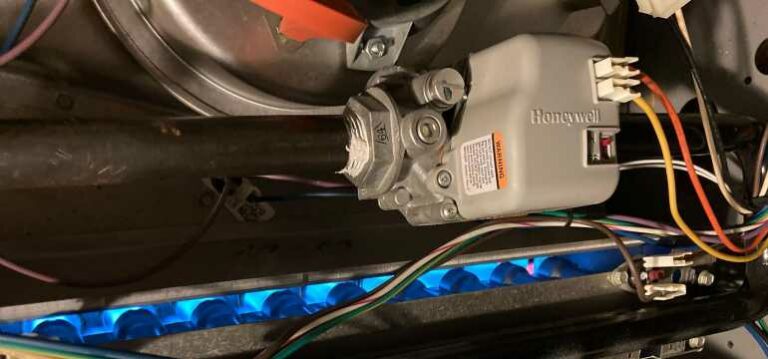
The flame sensor is a safety device that detects whether the burners are lit. If the sensor doesn't detect a flame, it shuts off the gas supply to prevent unburned gas from accumulating. A dirty or malfunctioning flame sensor can cause the furnace to shut down prematurely.
DIY Check (Requires Basic Tools and Caution):
- Turn off the furnace power at the breaker box. This is essential for your safety.
- Locate the flame sensor. It's usually a thin metal rod located near the burners.
- Carefully remove the flame sensor. It's typically held in place by a screw or two.
- Visually inspect the sensor. If it's coated with carbon buildup, clean it gently with a fine steel wool or emery cloth.
- Reinstall the flame sensor and restore power to the furnace.
Important Safety Note: If you are uncomfortable working with gas or electrical components, do not attempt to clean or replace the flame sensor. Contact a qualified HVAC technician.
Finding and Using the Furnace Reset Button
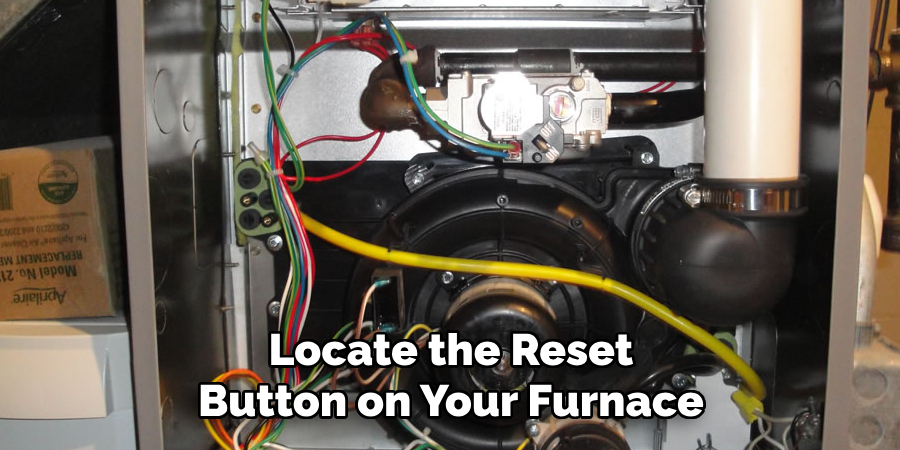
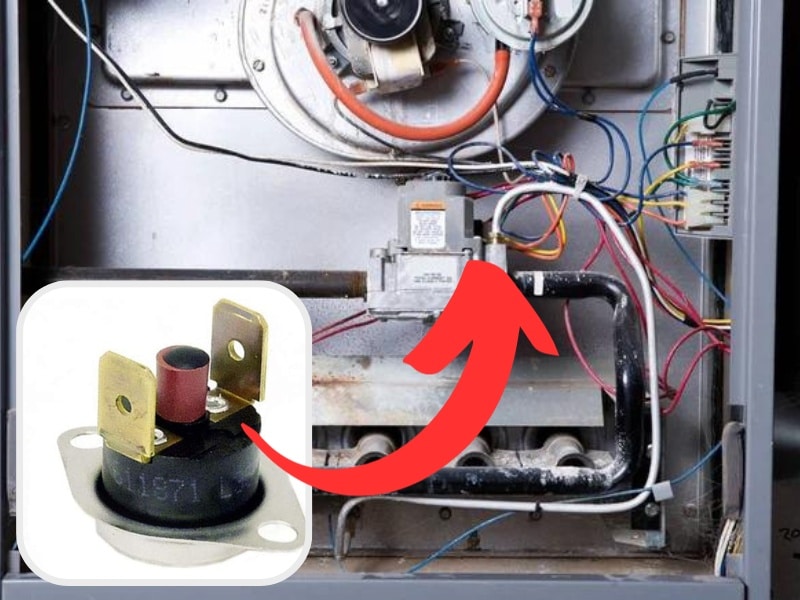
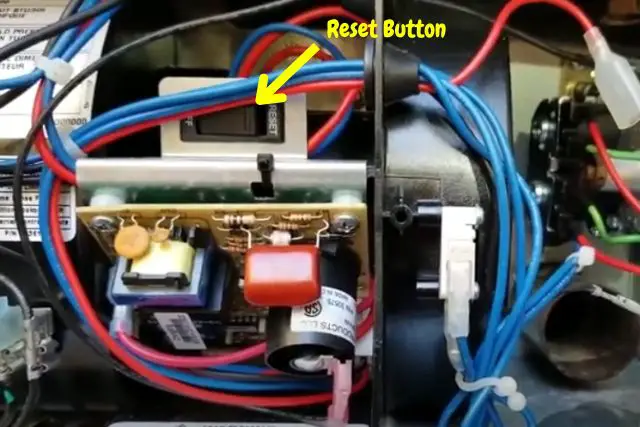
If you've checked the thermostat, air filter, gas supply, and even the flame sensor, and your furnace is still short cycling, it's time to look for the reset button. The reset button is a safety mechanism that trips when the furnace overheats or experiences another fault. Resetting the furnace clears the fault code and allows it to attempt to restart.
Where to Look for the Reset Button
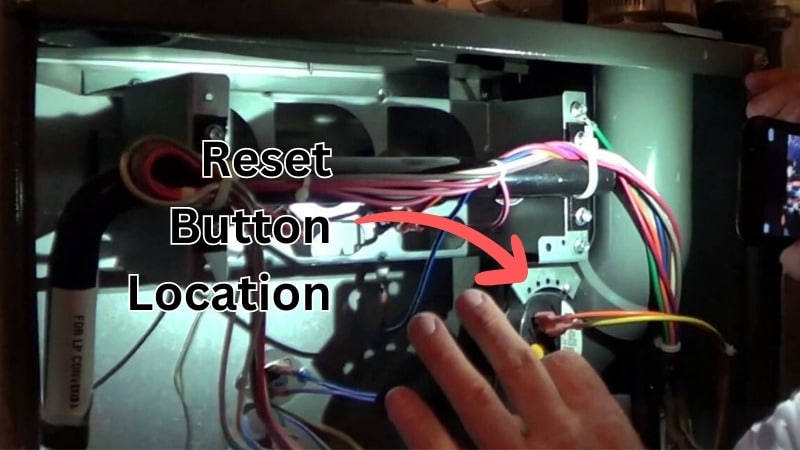
The location of the reset button can vary slightly depending on the furnace make and model. However, it's typically found in one of the following places:
- On or near the blower motor housing: This is a common location. Look for a small, round, usually red or yellow button.
- On the control panel: Some furnaces have the reset button located directly on the control panel, often behind an access door.
- Near the burner assembly: In some older models, the reset button might be located near the burner assembly.
How to Reset Your Furnace
Once you've located the reset button, follow these steps:
- Turn off the furnace power: Locate the circuit breaker that controls your furnace and turn it off. This is a critical safety precaution.
- Wait a few minutes: Allow the furnace to cool down for a few minutes. This gives the safety switch time to reset internally.
- Press the reset button: Firmly press the reset button once. Do not repeatedly press the button.
- Restore power to the furnace: Turn the circuit breaker back on.
- Monitor the furnace: Observe the furnace to see if it starts correctly and runs a complete heating cycle.
Important Note: If the furnace trips the safety switch and shuts down again shortly after being reset, there is a deeper underlying problem that needs professional attention. Do not repeatedly reset the furnace, as this could potentially damage it further.
When to Call a Professional HVAC Technician
While many furnace problems can be resolved with simple troubleshooting and a reset, some issues require the expertise of a qualified HVAC technician. Here are some situations where you should call a professional:
- Repeated tripping of the reset button: This indicates a more serious problem, such as a faulty component or a dangerous condition.
- Gas leaks: If you smell gas, immediately evacuate your home and call your gas company and a qualified HVAC technician.
- Unusual noises: Loud banging, rattling, or grinding noises coming from your furnace can indicate a mechanical problem.
- Carbon monoxide concerns: If you suspect a carbon monoxide leak, immediately evacuate your home and call the fire department. Ensure you have working carbon monoxide detectors in your home.
- You're uncomfortable working with gas or electrical components: Safety is paramount. If you're not confident in your ability to diagnose or repair the problem, it's best to leave it to a professional.
Specifically, do not attempt any repairs if:
- You smell gas
- You see damaged wiring
- You see soot or evidence of fire
Preventative Maintenance for Your Furnace
Regular maintenance can help prevent many common furnace problems and extend the life of your heating system. Here are some preventative measures you can take:
- Replace your air filter regularly: Check your air filter monthly and replace it every 1-3 months, or more often if you have pets or allergies.
- Schedule annual furnace inspections: A qualified HVAC technician can inspect your furnace, clean its components, and identify potential problems before they become major issues.
- Keep the area around your furnace clean and clear: Remove any clutter or debris that could obstruct airflow or pose a fire hazard.
- Consider a programmable thermostat: A programmable thermostat can help you save energy and reduce wear and tear on your furnace.
Conclusion
Troubleshooting your gas furnace can seem daunting, but by following a methodical approach and understanding the function of the reset button, you can often resolve simple issues yourself. Remember to prioritize safety and call a qualified HVAC technician when you encounter problems that are beyond your comfort level or expertise. Regular maintenance is key to keeping your furnace running efficiently and reliably for years to come. By taking these steps, you can help ensure that your home stays warm and comfortable all winter long.