Where Is The Reset Button On A Lennox Furnace
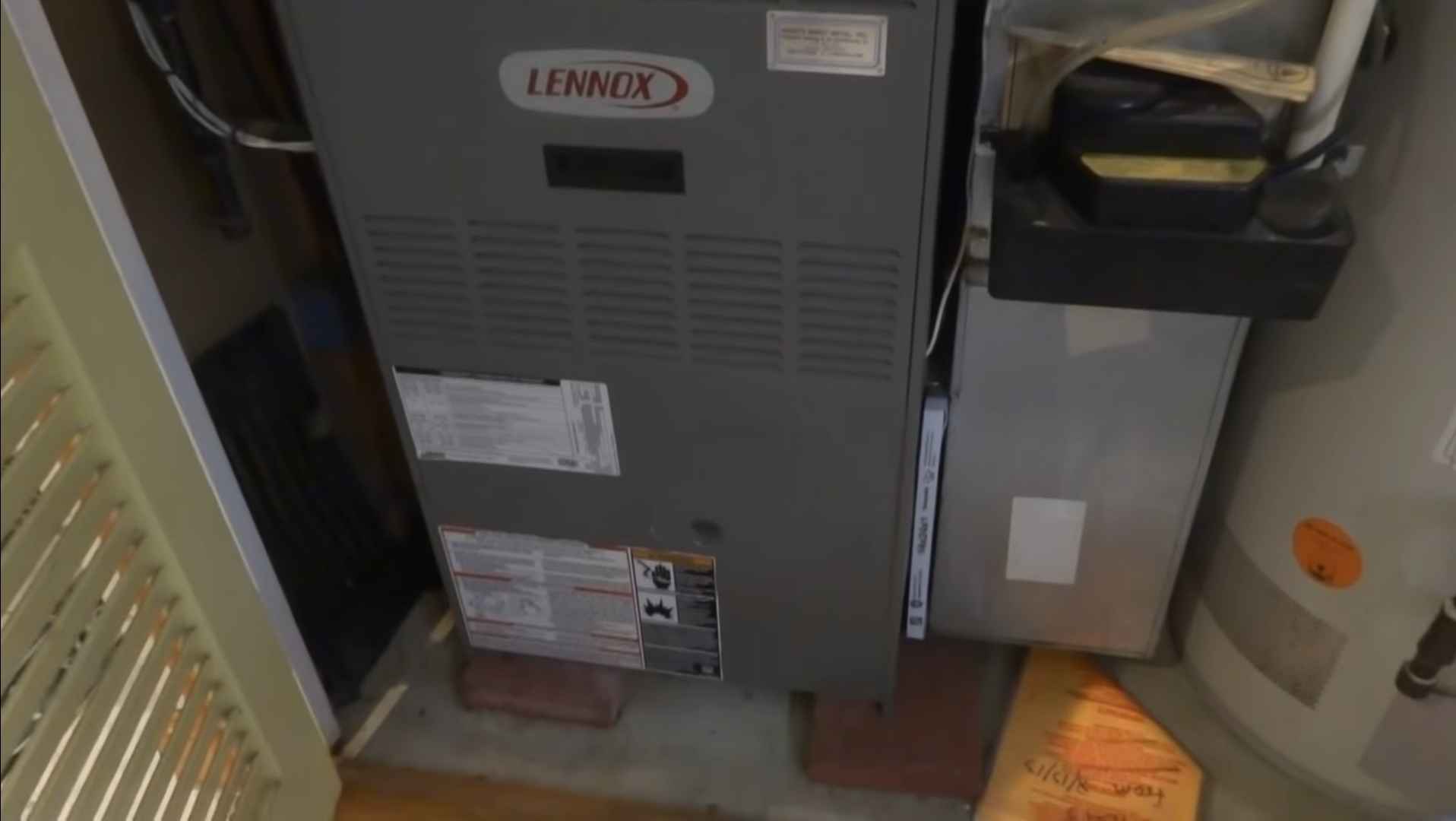
Understanding the nuances of HVAC systems, especially furnace troubleshooting, is a critical skill for anyone involved in the heating, ventilation, and air conditioning industry. A common issue homeowners and technicians face is a furnace that won’t start. Before calling for professional help, locating and understanding the reset button on a furnace can often solve minor issues. This article focuses specifically on Lennox furnaces, a leading brand in the HVAC market, and provides comprehensive guidance on finding and utilizing the reset button, along with broader insights into the HVAC industry.
Locating the Reset Button on a Lennox Furnace
The reset button on a Lennox furnace is usually found on the blower motor housing or near the control board. It is typically a small, colored button – often red or yellow. However, Lennox models can vary, so here's a step-by-step approach to finding it:
- Turn off the power: Before you begin any work on the furnace, it’s imperative to disconnect the power. Locate the circuit breaker that controls the furnace and switch it off. This prevents electrical shock and potential damage to the unit.
- Locate the furnace control panel: This is typically a hinged door that provides access to the internal components of the furnace. It may be at the top or bottom of the unit.
- Remove the access panel: Use a screwdriver to remove the screws securing the access panel. Some panels may have latches instead. Once removed, you should see the internal components of the furnace, including the blower motor, control board, and gas valve.
- Identify the reset button: Look for a small, colored button (usually red or yellow) near the blower motor or on the control board itself. The control board is a circuit board with various wires and components connected to it. It’s usually enclosed in a metal box.
- If unsure, consult the furnace manual: The furnace manual is the best resource for identifying the specific location of the reset button for your model. You can usually find a digital copy of the manual on the Lennox website by searching for your furnace model number.
What If I Can't Find a Physical Reset Button?
Some newer Lennox furnace models may not have a physical reset button. Instead, they may have a fault code indicator on the control board, which is a small LED display that shows error codes. In these cases, resetting the furnace often involves turning off the power at the breaker for a few minutes and then turning it back on. This allows the control board to reset itself. If the problem persists, the fault code can help a qualified technician diagnose the issue more accurately.
How to Properly Reset a Lennox Furnace
Once you've located the reset button, follow these steps to properly reset the furnace:
- Press and hold the reset button: Press the reset button firmly and hold it for a few seconds (typically 5-10 seconds).
- Release the button: Release the reset button and wait a few minutes.
- Turn the power back on: Go back to the circuit breaker and switch it back on.
- Observe the furnace: Watch the furnace to see if it starts properly. It may take a few minutes for the furnace to go through its start-up sequence.
If the furnace still doesn’t start, there may be a more serious underlying issue requiring a qualified HVAC technician's attention. Avoid repeatedly pressing the reset button, as this can potentially damage the furnace components.
Common Reasons Why a Furnace Needs Resetting
Understanding why a furnace trips its safety switch and requires resetting is crucial for preventing future issues. Some common causes include:
- Overheating: This is often caused by a dirty air filter, blocked vents, or a malfunctioning blower motor. Overheating can trigger the high-limit switch, which shuts down the furnace to prevent damage.
- Flame sensor issues: The flame sensor detects the presence of a flame and ensures that the gas valve stays open. If the flame sensor is dirty or malfunctioning, it can cause the furnace to shut down.
- Gas supply problems: Insufficient gas pressure or a blocked gas line can prevent the furnace from igniting properly.
- Ignition problems: A faulty igniter or spark electrode can prevent the furnace from igniting the gas.
- Electrical issues: Loose wiring, a blown fuse, or a faulty control board can all cause the furnace to malfunction.
The HVAC Industry: A Growing Field
The HVAC industry is experiencing significant growth, driven by factors such as climate change, increasing energy efficiency standards, and a growing population. The Bureau of Labor Statistics projects a 5% growth in employment for HVACR mechanics and installers from 2022 to 2032. This translates to approximately 38,000 new job openings each year, on average, over the decade.
This positive job outlook makes HVAC a promising career path for individuals with the right skills and training. The median annual wage for HVACR mechanics and installers was $59,620 in May 2023. The highest 10 percent earned more than $85,880.
HVAC Career Paths and Certifications
A career in HVAC offers various specializations and paths for advancement. Here are a few examples:
- HVAC Technician: This is the entry-level position, involving installation, maintenance, and repair of HVAC systems.
- HVAC Installer: Focuses on installing new HVAC systems in residential and commercial buildings.
- HVAC Service Technician: Specializes in troubleshooting and repairing existing HVAC systems.
- HVAC Design Engineer: Designs HVAC systems for new construction and renovation projects. This role typically requires a bachelor's degree in mechanical engineering.
- HVAC Sales Engineer: Sells HVAC equipment and services to clients. Requires a strong understanding of HVAC systems and sales skills.
Key Certifications for HVAC Professionals
Earning industry-recognized certifications can significantly enhance career prospects and earning potential. Some important certifications include:
- NATE (North American Technician Excellence): NATE certification is widely recognized as a mark of excellence in the HVAC industry. It demonstrates that a technician has the knowledge and skills to properly install, maintain, and repair HVAC systems.
- EPA 608 Certification: This certification is required by the Environmental Protection Agency (EPA) for technicians who handle refrigerants. It ensures that technicians understand the proper procedures for handling refrigerants to prevent ozone depletion.
- HVAC Excellence: Another respected certification program that validates the skills and knowledge of HVAC technicians.
- Manufacturer-Specific Certifications: Many HVAC manufacturers, such as Lennox, offer certifications on their specific equipment. These certifications can be valuable for technicians who specialize in working on a particular brand.
Example Career Path: John started as an HVAC technician after completing a vocational program. He obtained his EPA 608 certification and then pursued NATE certification. After several years of experience, he became a lead technician, specializing in commercial HVAC systems. He then transitioned into a service manager role, overseeing a team of technicians. John's commitment to continuous learning and certification led to significant career advancement and increased earning potential.
Employer Considerations: Hiring and Training HVAC Professionals
For employers in the HVAC industry, attracting and retaining skilled workers is crucial. Offering competitive salaries, benefits, and opportunities for professional development are essential. Investing in training programs and supporting employees in obtaining certifications can also lead to a more skilled and motivated workforce.
Furthermore, staying up-to-date on the latest industry trends and technologies is vital for maintaining a competitive edge. This includes adopting new technologies such as smart thermostats, energy-efficient HVAC systems, and building automation systems.
Conclusion
Understanding how to locate and use the reset button on a Lennox furnace is a valuable skill for both homeowners and HVAC professionals. However, it’s essential to remember that resetting a furnace is only a temporary solution. If the problem persists, it's crucial to call a qualified HVAC technician to diagnose and repair the underlying issue. With the HVAC industry experiencing continued growth and offering diverse career paths, investing in training, certifications, and staying current with industry trends will be key for success in this dynamic field.