Where Is The Reset Button On Outside Ac Unit
Finding your air conditioner not kicking on during a sweltering summer day is frustrating. Before calling an HVAC technician, a simple reset might be all you need. Locating and understanding the reset button on your outside AC unit can save you time and money. This guide will walk you through finding it, common reasons for needing a reset, and preventative maintenance to avoid future issues.
Understanding Your Outside AC Unit
The outdoor component of your air conditioning system, often called the condenser, is responsible for releasing heat from your home. It houses several critical components, including the compressor, condenser coil, fan, and various electrical components. When the system detects a fault or surge, it may shut down as a safety measure, necessitating a reset.
Components of the Outside AC Unit:
- Compressor: The heart of the system, responsible for circulating refrigerant.
- Condenser Coil: Dissipates heat extracted from your home.
- Fan: Cools the condenser coil, aiding in heat transfer.
- Electrical Components: Including capacitors, contactors, and the control board.
Where to Find the Reset Button
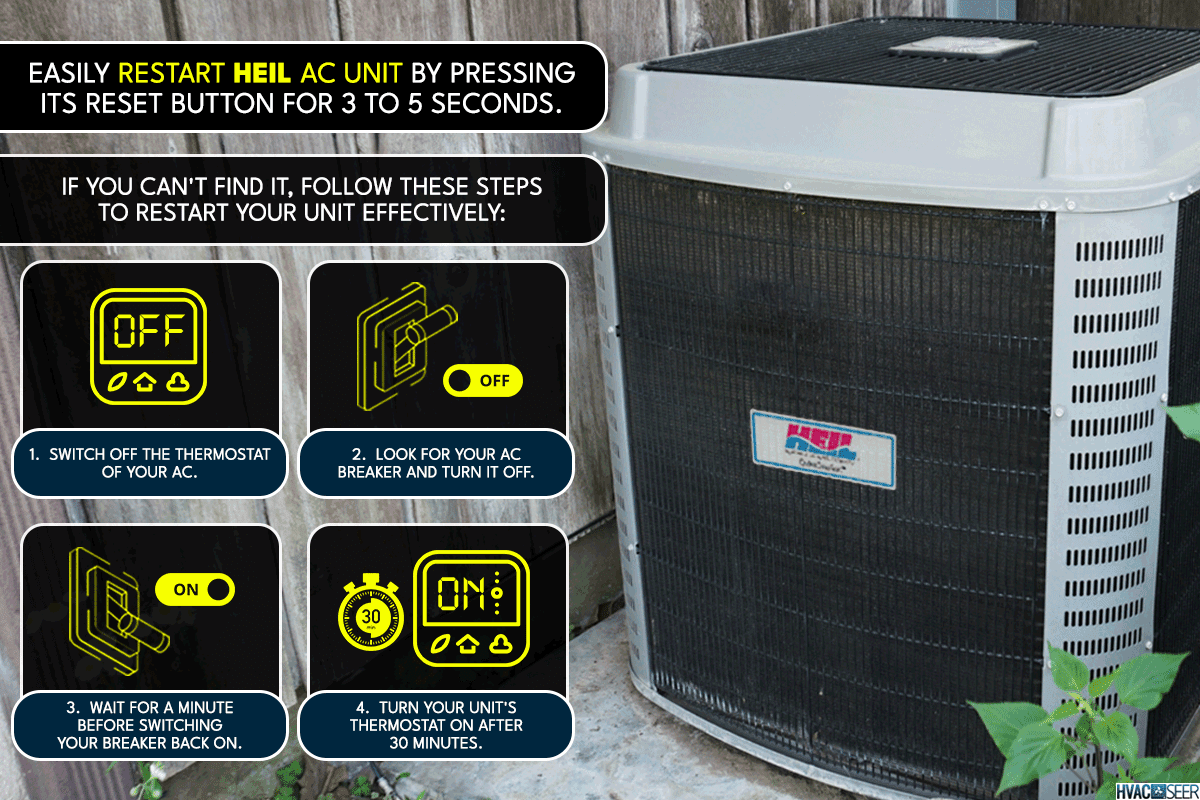
Unlike some appliances, most modern AC units don't have a dedicated, labeled "reset button" in the traditional sense. The 'reset' is typically achieved by cutting off the power supply. Here's how to do that and where to look for potential alternative reset methods:
1. The Disconnect Switch
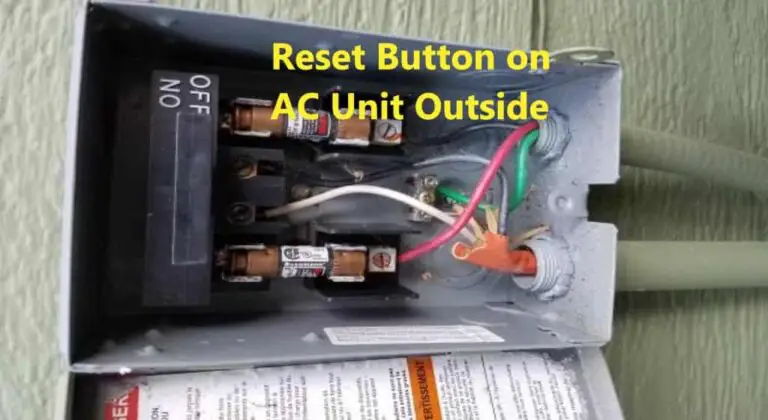
The most common way to reset an AC unit is by using the disconnect switch. This is usually a small, weatherproof box mounted on the wall near the unit. It might be a pull-out handle, a flip switch, or a breaker switch. This switch directly controls the power supply to the condenser. To reset your unit using the disconnect switch:
- Locate the disconnect switch. It's usually within a few feet of the outdoor unit.
- Turn the switch to the "off" position (or pull out the handle completely).
- Wait for 5-10 minutes. This allows the system to fully discharge.
- Turn the switch back to the "on" position (or push the handle back in).
- Check if the AC unit restarts.
2. The Breaker in Your Electrical Panel
If you can't find a disconnect switch near the unit, or if switching it off and on doesn't work, the next place to check is your home's electrical panel. Look for the breaker labeled "AC," "Air Conditioner," or something similar. To reset using the breaker:
- Locate the correct breaker in your electrical panel.
- Flip the breaker to the "off" position.
- Wait for 5-10 minutes.
- Flip the breaker back to the "on" position.
- Check if the AC unit restarts.
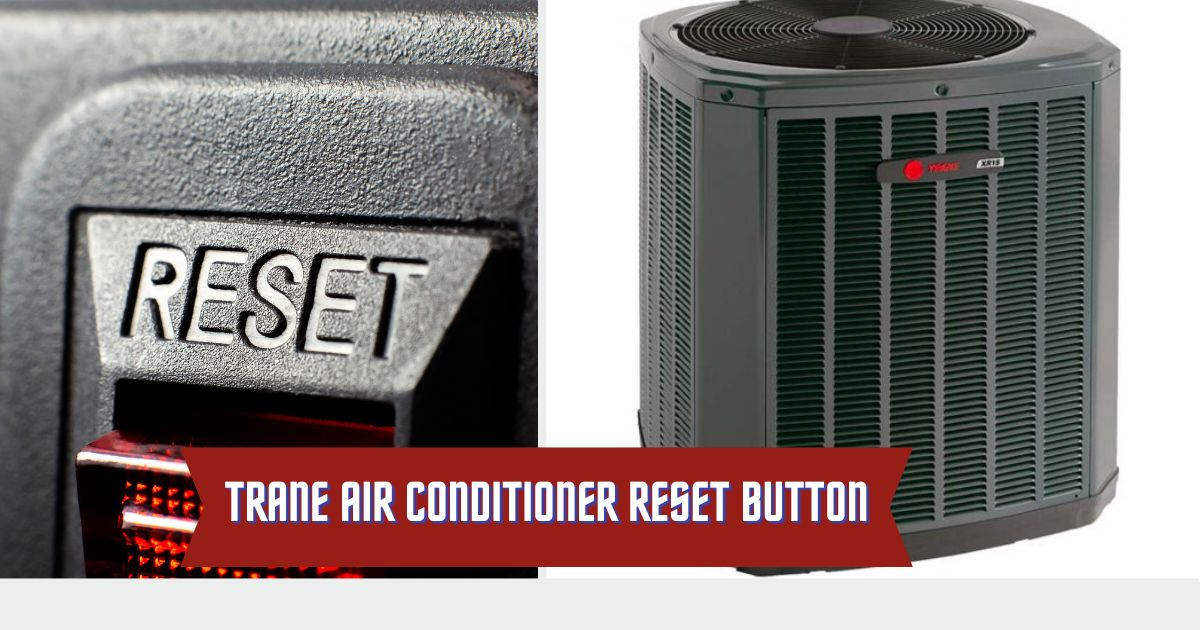
3. Internal Reset Button (Less Common)
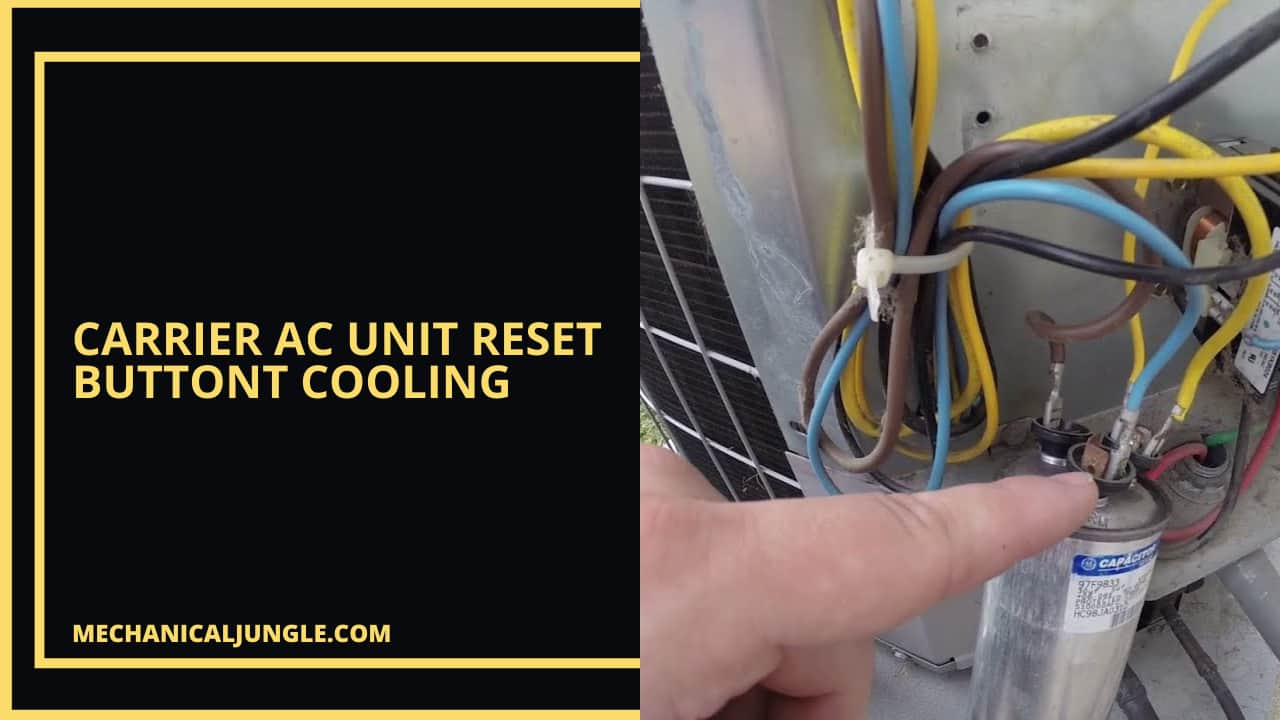
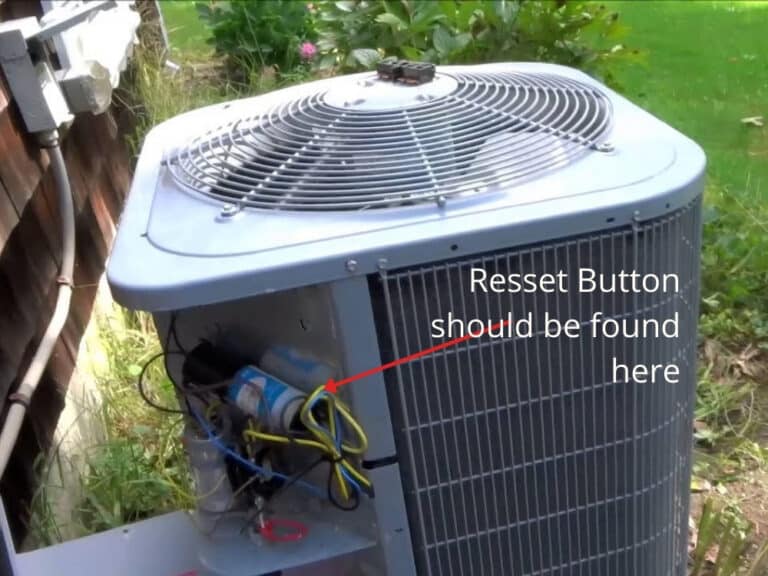
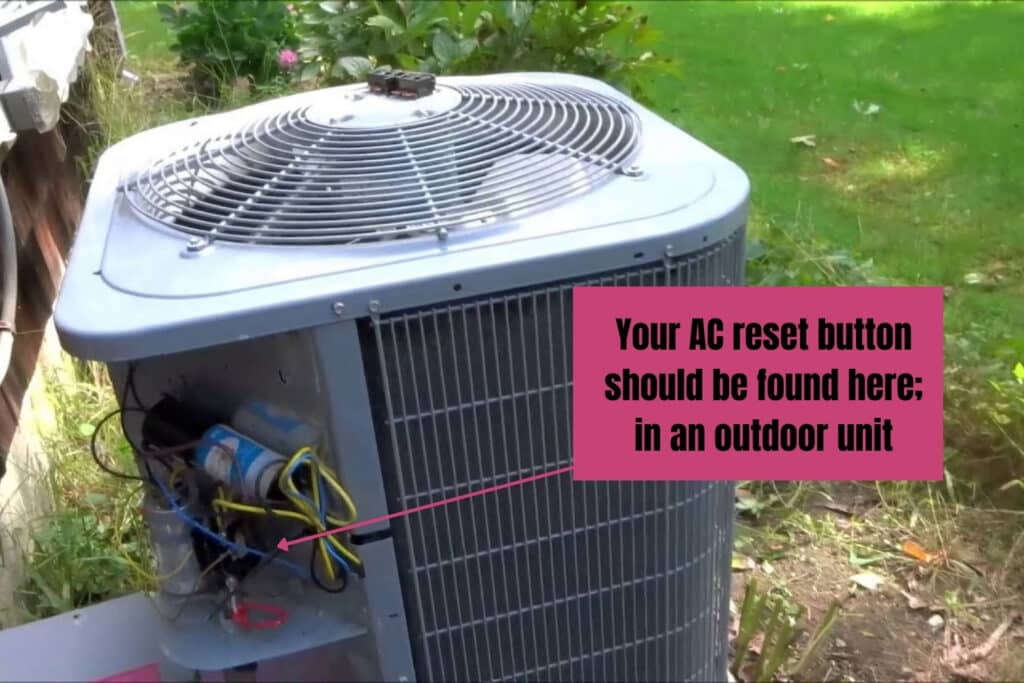
While rare on modern units, some older AC units might have a small, recessed reset button located on the control panel inside the unit. This usually requires removing a service panel. Warning: Proceed with extreme caution! Working with electrical components can be dangerous. If you are not comfortable working with electricity, contact a qualified HVAC technician.
- Turn off the power to the unit at the disconnect switch or breaker.
- Carefully remove the service panel on the side of the unit. You may need a screwdriver.
- Look for a small, often red or black, button labeled "Reset."
- Press the button.
- Replace the service panel.
- Restore power to the unit.
- Check if the AC unit restarts.
Reasons Why Your AC Unit Might Need Resetting
Understanding why your AC unit shuts down can help prevent future problems. Here are some common causes:
- Power Surge: A sudden surge in electricity can trip the breaker or cause the unit to shut down as a safety measure.
- Overheating: If the unit is working too hard or is not properly ventilated, it can overheat and shut down. This is often due to dirty coils or a blocked air filter.
- Frozen Evaporator Coil: Low refrigerant levels or restricted airflow can cause the evaporator coil (inside your house) to freeze, triggering a shutdown.
- Faulty Components: A failing capacitor, contactor, or other electrical component can cause the unit to malfunction and shut down.
- Dirty Air Filter: A clogged air filter restricts airflow, forcing the unit to work harder and potentially overheat.
- Refrigerant Leak: Low refrigerant can cause the unit to malfunction and shut down.
Preventative Maintenance to Avoid Resets
Regular maintenance can significantly reduce the likelihood of your AC unit needing a reset. Here are some key steps:
- Change Your Air Filter Regularly: A dirty air filter is one of the most common causes of AC problems. Change it every 1-3 months, or more often if you have pets or allergies.
- Clean the Condenser Coils: Over time, the outdoor condenser coils can become covered in dirt, debris, and leaves. Clean them at least once a year using a garden hose and a fin comb (be gentle!).
- Trim Vegetation Around the Unit: Make sure there is at least two feet of clearance around the unit to ensure proper airflow.
- Schedule Professional Maintenance: Have a qualified HVAC technician inspect your system annually. They can check refrigerant levels, clean coils, and identify potential problems before they become major issues.
Common HVAC Brands and Models
When considering a new AC unit, research is key. Here are a few popular brands and models to consider, along with their key features and typical ratings:
Carrier
Carrier is a well-known and respected brand. Their Infinity series offers high efficiency and advanced features. Consider the Carrier Infinity 26 model.
- Features: Variable-speed compressor, smart home integration, quiet operation.
- SEER Rating: Up to 26
- AFUE (for heat pumps): Up to 13 HSPF
- Warranty: 10-year parts limited warranty.
Trane
Trane is another top brand known for its durability and reliability. The Trane XV20i is a popular model.
- Features: Variable-speed compressor, TruComfort™ technology, durable construction.
- SEER Rating: Up to 20
- AFUE (for heat pumps): Up to 10 HSPF
- Warranty: 10-year parts limited warranty.
Goodman
Goodman offers a more budget-friendly option without sacrificing quality. The Goodman GSX16 is a solid choice.
- Features: Scroll compressor, durable cabinet, reliable performance.
- SEER Rating: Up to 16
- AFUE (for heat pumps): N/A (AC only)
- Warranty: 10-year parts limited warranty.
Note: SEER (Seasonal Energy Efficiency Ratio) measures cooling efficiency. Higher SEER ratings indicate better energy efficiency. HSPF (Heating Seasonal Performance Factor) measures heating efficiency for heat pumps. AFUE (Annual Fuel Utilization Efficiency) measures the heating efficiency of furnaces.
Understanding Warranties
HVAC warranties typically cover parts and compressor failures. Labor costs are often not included. Read the fine print carefully to understand what is covered and for how long. Most brands offer a base warranty, but you may need to register your unit to qualify for the full warranty period (usually 10 years).
Extended warranties are also available, often through your installer. These can provide additional coverage for labor costs and other potential issues. Weigh the cost of the extended warranty against the potential cost of repairs to determine if it's a worthwhile investment.
When to Call a Professional
If you've tried resetting your AC unit and it still doesn't work, or if it repeatedly shuts down, it's time to call a qualified HVAC technician. Other situations that warrant professional attention include:
- Refrigerant Leaks: If you suspect a refrigerant leak (ice buildup on the coils, hissing sound), contact a professional immediately.
- Electrical Issues: If you smell burning or see sparks, turn off the power to the unit and call a professional.
- Unusual Noises: Loud banging, grinding, or hissing noises can indicate a serious problem.
- Frozen Evaporator Coil: If the evaporator coil inside your home is frozen, it needs to be thawed and the underlying cause addressed.
By understanding how to locate the reset mechanism on your outside AC unit and performing regular maintenance, you can keep your system running smoothly and avoid costly repairs. However, don't hesitate to call a professional when needed to ensure your safety and the longevity of your HVAC system.