Where Is The Rupture Disc Located On A Centrifugal Chiller
Frequently Asked Questions: Locating the Rupture Disc on Your Centrifugal Chiller
Centrifugal chillers are essential for cooling large buildings and industrial facilities. A critical safety component within these systems is the rupture disc. This FAQ is designed to help you, whether you're a homeowner with a smaller centrifugal chiller or a facility manager overseeing a large installation, understand where to find this important safety device.
What exactly *is* a rupture disc, and why is it important in a centrifugal chiller?
The rupture disc, sometimes referred to as a pressure relief disc or bursting disc, is a non-reclosing pressure relief device. Think of it as a safety valve's disposable cousin. It's a thin membrane designed to burst at a pre-determined pressure. In a centrifugal chiller, the primary function of the rupture disc is to prevent catastrophic failures due to over-pressurization of the refrigerant system.
Here's why it's important:
- Overpressure Protection: If the pressure inside the chiller's refrigerant system exceeds safe limits (due to malfunctions, overheating, or other issues), the rupture disc will burst, relieving the excess pressure.
- Preventing Explosions: Without a rupture disc, excessive pressure could lead to an explosion, causing significant damage to the chiller, surrounding equipment, and potentially injuries to personnel.
- Protecting the Compressor: High pressures can severely damage the compressor, the most expensive part of the chiller. The rupture disc helps prevent this damage.
Where is the rupture disc typically located on a centrifugal chiller?
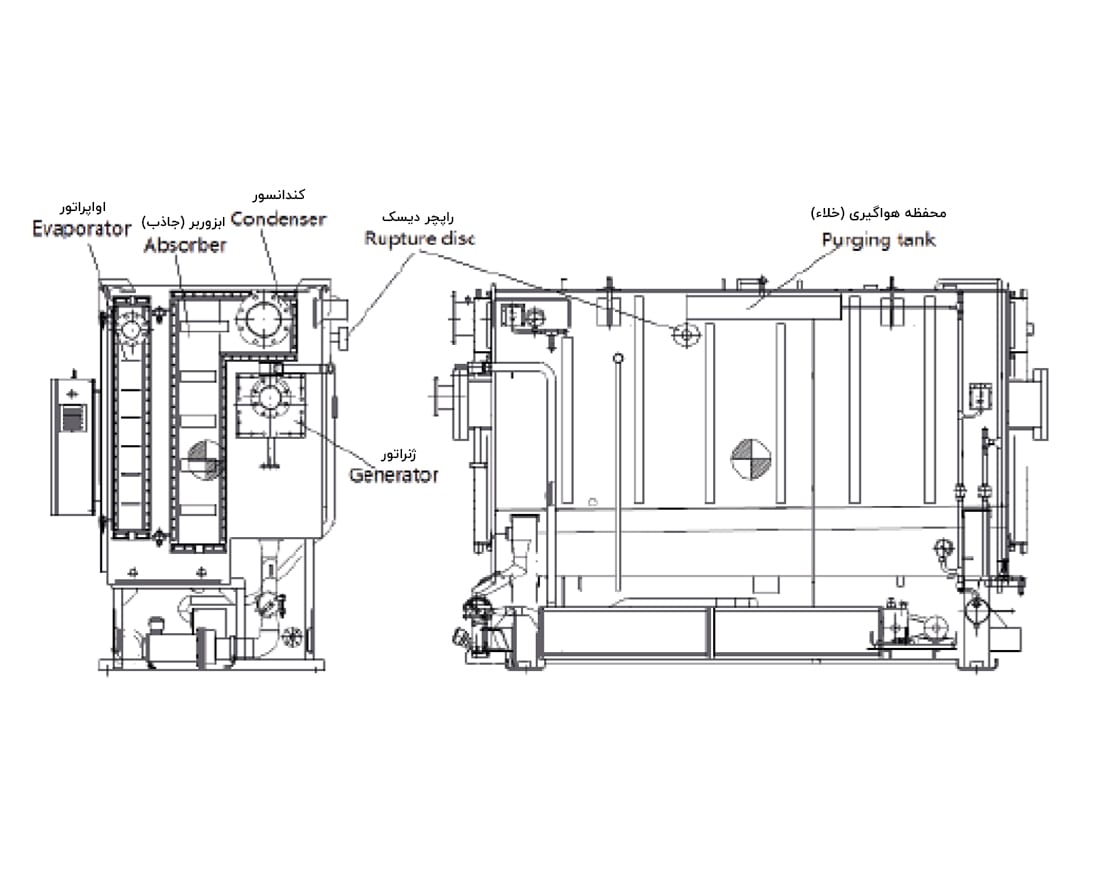
The rupture disc is usually located on the high-pressure side of the refrigeration system. This is the part of the system where the refrigerant pressure is at its highest during normal operation. While the exact location can vary depending on the chiller's manufacturer and model, there are a few common areas to check:
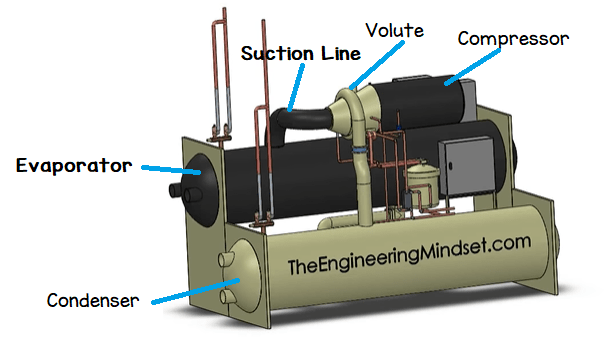
- Compressor Housing: Often, the rupture disc is mounted directly on or very near the compressor housing. Look for a small, circular fitting with a bolted flange.
- Discharge Line: Another common location is on the discharge line, which is the pipe that carries high-pressure refrigerant away from the compressor. Again, look for a flanged fitting.
- Condenser Shell: While less common, the rupture disc can sometimes be found on the condenser shell. This is more likely in older chiller models.
- Dedicated Relief Valve Manifold: Some chillers have a dedicated manifold specifically for pressure relief devices, including the rupture disc. This manifold will be clearly labeled and located near the compressor or condenser.
Important Note: Always consult your chiller's operation and maintenance manual for the specific location of the rupture disc on your particular model. The manual will provide detailed diagrams and instructions.
How can I identify the rupture disc? What does it look like?
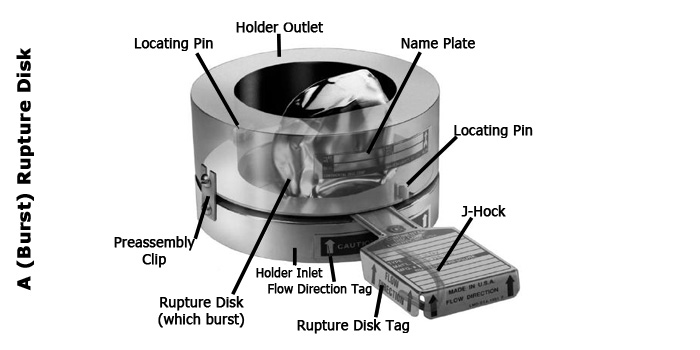
The rupture disc assembly is usually a small, distinct component. Here's what to look for:
- Circular Fitting: It typically appears as a small, circular fitting, usually 2-4 inches in diameter.
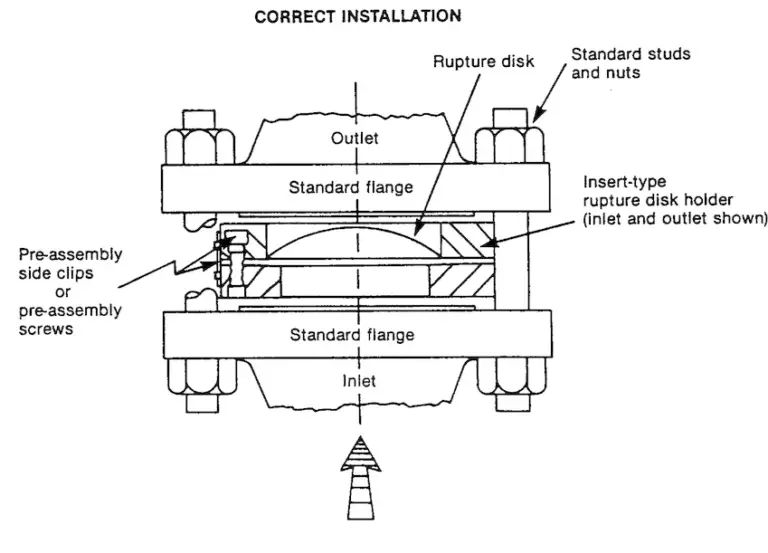
- Flanged Connection: The rupture disc is typically connected to the chiller via a flanged connection, secured with bolts.
- Rupture Disc Holder: The disc itself is held within a special holder designed to ensure proper bursting.
- Nameplate: The rupture disc assembly will usually have a nameplate or label indicating its burst pressure rating (the pressure at which it's designed to rupture). This is a critical piece of information.
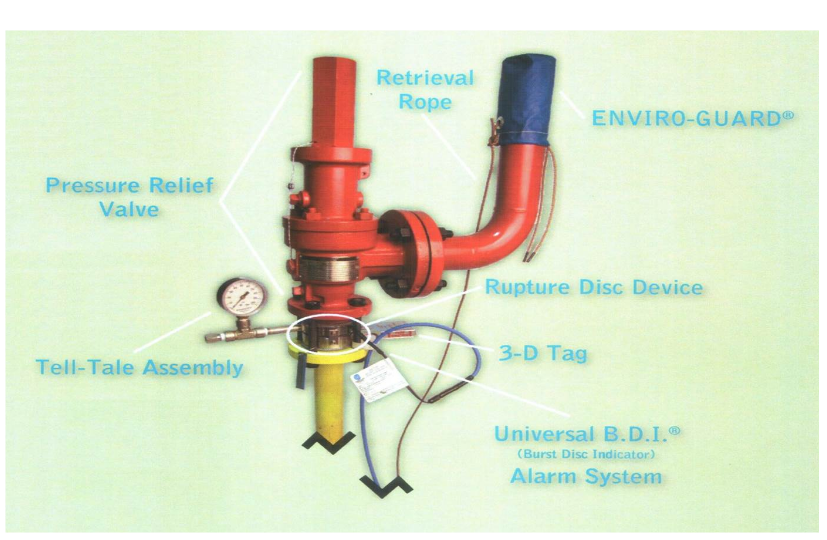
- Discharge Piping (Optional): Some rupture disc assemblies have a short section of piping connected to the outlet side. This piping is designed to direct the discharged refrigerant to a safe location, such as outside the building.
Crucially, the rupture disc holder might be painted a bright color, such as yellow or orange, for easy identification. Always refer to your chiller's documentation to confirm the visual identification of the rupture disc assembly.
Why can't I just use a regular pressure relief valve instead of a rupture disc?
While pressure relief valves and rupture discs both provide overpressure protection, they have different characteristics that make them suitable for different applications. Here's why rupture discs are often preferred for centrifugal chillers:
- Faster Response Time: Rupture discs offer an instantaneous response to overpressure. They burst immediately when the set pressure is reached, whereas pressure relief valves require time to open fully. This quicker response is crucial in preventing rapid pressure spikes.
- Full, Unobstructed Flow: When a rupture disc bursts, it provides a full and unobstructed flow path for the refrigerant. Pressure relief valves, on the other hand, have internal components that can restrict flow.
- Zero Leakage: A rupture disc provides a completely leak-tight seal until it bursts. Pressure relief valves, even when closed, can sometimes leak slightly. This is important for maintaining refrigerant charge and preventing environmental damage.
- Simplicity and Reliability: Rupture discs are relatively simple devices with no moving parts. This makes them inherently reliable.
While pressure relief valves can be used in conjunction with rupture discs in some chiller systems, the rupture disc remains the primary overpressure protection device due to its superior speed, flow capacity, and leak-tightness.
What happens if the rupture disc bursts? What should I do?
If the rupture disc on your centrifugal chiller bursts, it indicates a serious overpressure condition within the refrigeration system. Do not attempt to restart the chiller. Here's what you should do:
- Shut Down the Chiller Immediately: Turn off the chiller's power supply and follow the manufacturer's shutdown procedures.
- Evacuate the Area: If the escaping refrigerant is in a confined space, evacuate the area to avoid potential exposure. Some refrigerants can displace oxygen or be harmful if inhaled in high concentrations.
- Contact a Qualified HVAC/R Technician: This is not a DIY situation. You need a trained and certified technician experienced in centrifugal chillers. They will be able to diagnose the cause of the overpressure, repair the chiller, and replace the rupture disc.
- Do Not Attempt to Patch or Repair the Rupture Disc: Never try to patch or repair a burst rupture disc. It must be replaced with a new one that meets the chiller's specifications. Using an incorrect rupture disc could lead to a future catastrophic failure.
- Investigate the Cause: The technician should thoroughly investigate the cause of the overpressure. Common causes include condenser fouling, refrigerant overcharge, control system malfunctions, and compressor problems.
A burst rupture disc is a sign that something is seriously wrong with your chiller. Prompt and professional attention is essential to prevent further damage and ensure the safety of your facility.
How often should the rupture disc be inspected or replaced?
While rupture discs don't require routine maintenance like lubrication, regular inspection is crucial. Here's a general guideline:
- Visual Inspection (Regularly): Conduct a visual inspection of the rupture disc assembly at least annually, or more frequently if the chiller operates under demanding conditions. Look for signs of corrosion, damage, or tampering. Also, verify that the rupture disc nameplate is legible and that the burst pressure rating is correct.
- Replacement After Burst: Always replace the rupture disc immediately after it has burst.
- Scheduled Replacement (Preventive Maintenance): Many chiller manufacturers recommend a scheduled replacement of the rupture disc every 5-10 years, regardless of its apparent condition. This is a preventive measure to ensure its reliability.
- Follow Manufacturer's Recommendations: The most important guideline is to follow the specific inspection and replacement recommendations outlined in your chiller's operation and maintenance manual. These recommendations are tailored to your specific chiller model and operating conditions.
- Record Keeping: Maintain accurate records of all inspections and replacements of the rupture disc. This will help you track its performance and ensure that it is replaced on schedule.
Neglecting rupture disc maintenance can compromise the safety of your chiller and facility. Regular inspections and timely replacements are essential to maintaining a safe and reliable cooling system.
Is it possible to relocate the rupture disc to a more accessible location?
While it might seem convenient to relocate the rupture disc to a more accessible location, this is strongly discouraged and should only be done with the express approval and guidance of the chiller manufacturer or a qualified centrifugal chiller engineer.
Here's why:
- Original Design Intent: The rupture disc's location is carefully chosen by the manufacturer to provide the most effective overpressure protection for the entire refrigeration system. Relocating it could compromise its effectiveness.
- Pressure Dynamics: Pressure dynamics within the chiller system can vary significantly depending on the location. Moving the rupture disc could place it in an area where it doesn't respond as quickly or effectively to overpressure events.
- Code Compliance: Relocating the rupture disc could violate local building codes or safety regulations.
- Warranty Implications: Modifying the chiller's original design could void the manufacturer's warranty.
If you are considering relocating the rupture disc, contact the chiller manufacturer or a qualified engineer to discuss your concerns. They can assess the feasibility and potential risks of the relocation and recommend alternative solutions if necessary. In most cases, improving access to the existing location is a better option than relocation.