Where Is Trane Manufactured

When considering a new HVAC system, one of the first questions that often arises is: where is this equipment actually made? For a brand as ubiquitous as Trane, the answer is more complex than you might think. Understanding Trane’s manufacturing footprint can provide valuable insights into product quality, supply chain dynamics, and even the company’s commitment to different regional markets.
The Global Reach of Trane: Manufacturing Locations
Trane, a subsidiary of Trane Technologies, operates a network of manufacturing facilities across the globe. It's not a simple case of "made in one place." The company strategically distributes its production to be closer to its markets, optimize costs, and leverage regional expertise. Here’s a breakdown of key manufacturing locations:
United States: The Heartland of Trane Production
The United States remains a crucial manufacturing hub for Trane. Several facilities contribute to the production of various HVAC components and complete systems:
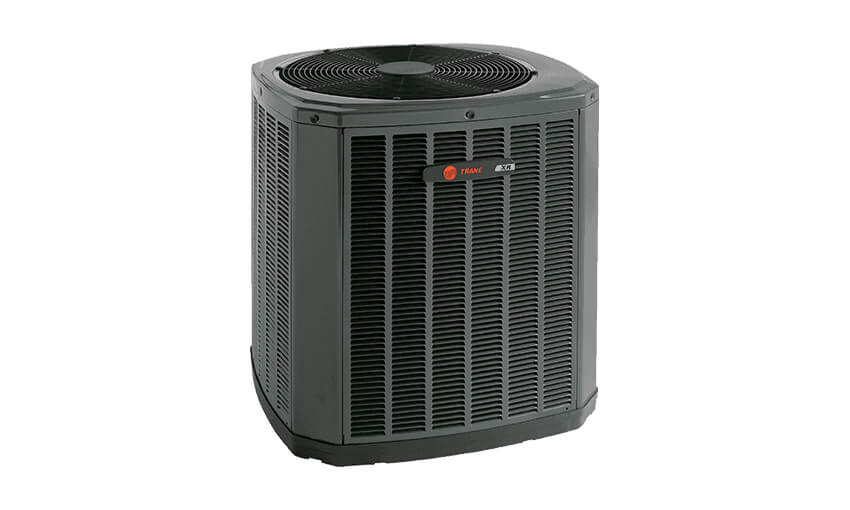
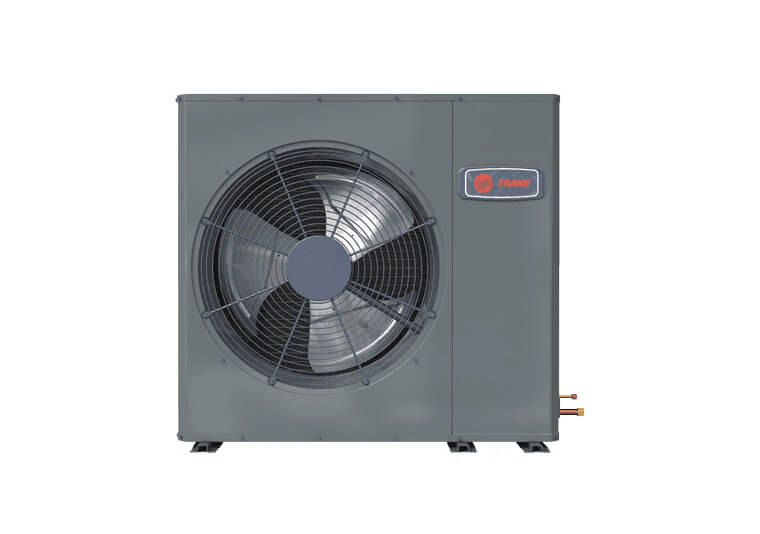
- Tyler, Texas: This is one of Trane's largest and most significant manufacturing plants. The Tyler facility primarily focuses on residential HVAC systems, including air conditioners, heat pumps, and furnaces. This plant is a major source for North American distribution.
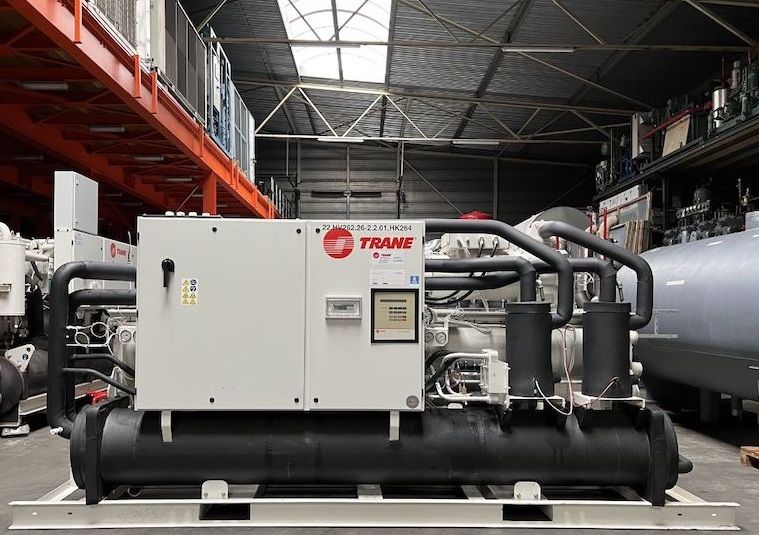
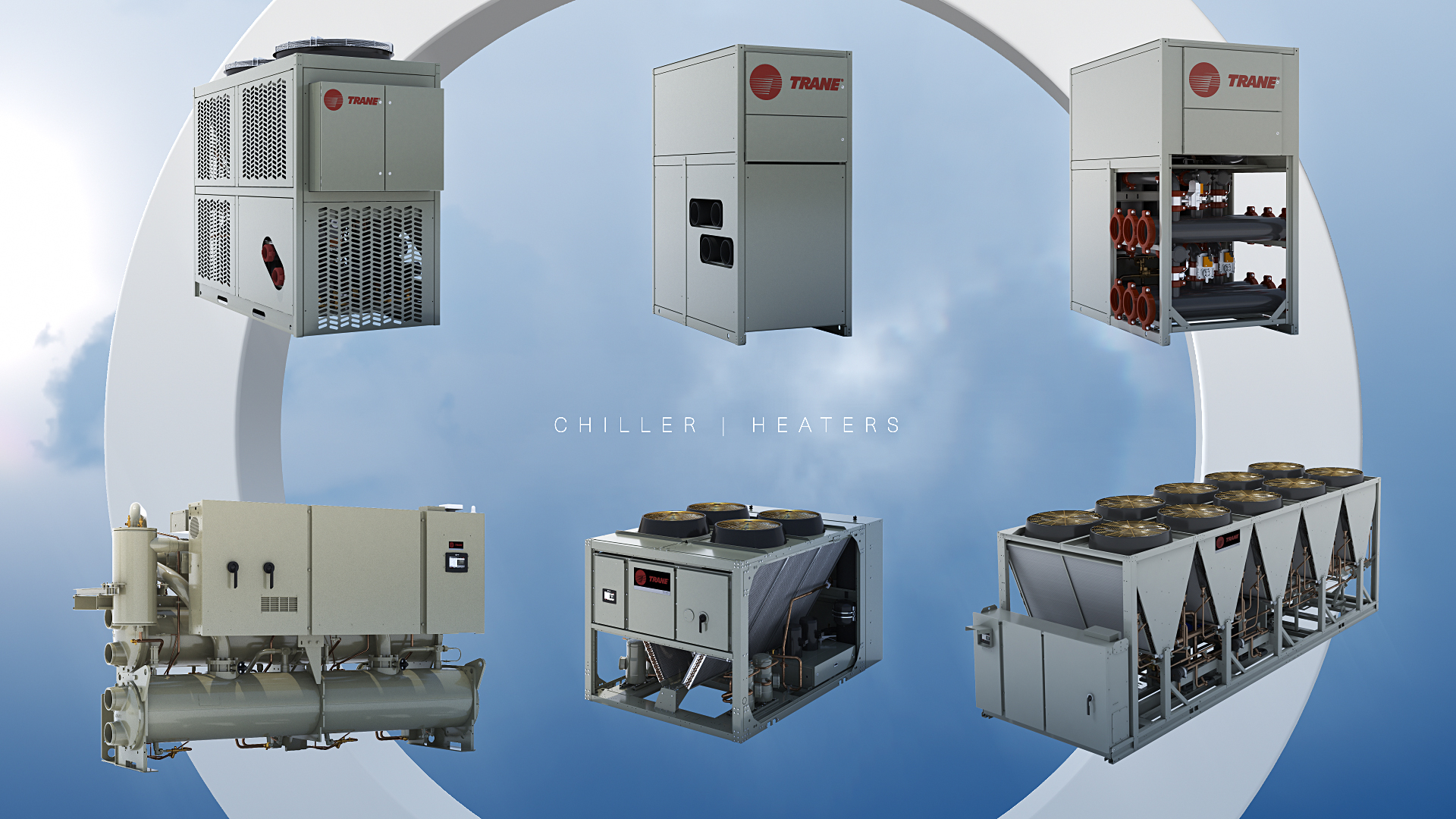
- La Crosse, Wisconsin: La Crosse specializes in larger commercial and industrial HVAC equipment. You'll find chillers, air handlers, and other complex systems designed for large buildings, data centers, and industrial applications being produced here. This facility often handles custom-engineered solutions.
- Fort Smith, Arkansas: This plant manufactures a range of residential and light commercial HVAC products, playing a key role in meeting demand across the southern United States.
- Trenton, New Jersey: This location is another significant manufacturing hub for a range of HVAC components and systems.
It's important to note that even within the US, specific components may be sourced from other countries. However, final assembly and quality control for systems branded as "Trane" are typically conducted at these American facilities.
Mexico: Supporting North American Demand
Like many manufacturers, Trane has facilities in Mexico to support the North American market with competitive pricing and efficient logistics. These facilities often handle the production of components and sometimes complete systems that are then shipped to the US or Canada.
Europe: Catering to Specific Regional Needs
Trane has a significant presence in Europe, with manufacturing plants located in countries like France and Italy. These European facilities cater to the specific needs and regulations of the European market, often producing systems optimized for energy efficiency standards and refrigerant requirements unique to the region.
Asia: A Growing Manufacturing Footprint
To serve the rapidly growing Asian markets, Trane has expanded its manufacturing presence in countries like China and Thailand. These facilities primarily focus on producing HVAC systems for the Asian market, often tailored to local climates and building practices. While some components may be exported, the primary purpose is to serve the region directly.
What Does Manufacturing Location Mean for You?
The location where your Trane HVAC system is manufactured can have several implications:
- Quality Control: Trane maintains consistent quality control standards across its global manufacturing facilities. However, some technicians argue that systems manufactured in the US may adhere to slightly stricter tolerances or benefit from a longer history of manufacturing expertise.
- Lead Times and Availability: Manufacturing location impacts lead times and availability. Systems produced closer to your location may be available more quickly, especially during periods of high demand. Global supply chain disruptions can also affect lead times depending on the product's origin.
- Compliance and Standards: Systems manufactured for specific regions are designed to comply with local regulations and standards. For example, a Trane system manufactured for Europe will likely meet stringent energy efficiency requirements and use refrigerants compliant with EU regulations.
Component Sourcing: A Global Supply Chain
Even if your Trane unit is assembled in the United States, it's highly likely that some of its components were sourced from other countries. This is standard practice in the HVAC industry. Components like compressors, motors, and electronics are often manufactured by specialized suppliers located around the world. While this doesn't necessarily indicate lower quality, it's important to be aware of the global nature of the HVAC supply chain.
Comparing Trane Systems: Features, Efficiency, and Cost
When choosing a Trane HVAC system, consider these factors in addition to manufacturing location:
- SEER Rating (Seasonal Energy Efficiency Ratio): This measures the cooling efficiency of air conditioners and heat pumps. Higher SEER ratings indicate better energy savings. Trane offers systems with SEER ratings ranging from the minimum required by law to ultra-high efficiency models.
- HSPF Rating (Heating Seasonal Performance Factor): This measures the heating efficiency of heat pumps. Higher HSPF ratings indicate better energy savings during the heating season.
- AFUE Rating (Annual Fuel Utilization Efficiency): This measures the heating efficiency of furnaces. Higher AFUE ratings indicate better energy savings. Trane offers furnaces with a range of AFUE ratings, including high-efficiency condensing furnaces.
- Features: Trane offers a variety of features, such as variable-speed blowers, smart thermostats, and advanced filtration systems. These features can improve comfort, energy efficiency, and indoor air quality.
- Cost: Trane systems typically fall in the mid-to-high price range compared to other brands. However, their reputation for reliability and performance can justify the higher initial investment. Installation costs also vary depending on the complexity of the project. Expect to pay more for complex installations or when upgrading from an older system.
- Lifespan: A well-maintained Trane HVAC system can last 15-20 years or even longer. Regular maintenance, such as filter changes and professional tune-ups, is crucial for maximizing lifespan and performance.
Example: A homeowner in Texas might choose a Trane air conditioner manufactured in Tyler, Texas, for its proximity and potential for faster service. They might prioritize a high SEER rating (e.g., 20 or higher) to minimize energy costs during the hot Texas summers. A business owner in Wisconsin, on the other hand, might opt for a larger Trane chiller system manufactured in La Crosse, Wisconsin, tailored to their specific building’s cooling needs and optimized for year-round performance.
Tips for Choosing the Right Trane System
- Get a Professional Assessment: An HVAC technician can assess your home or building's heating and cooling needs and recommend the right size and type of system.
- Consider Your Climate: Choose a system that is appropriate for your climate. For example, if you live in a hot climate, you will need a more powerful air conditioner.
- Check Energy Efficiency Ratings: Look for systems with high SEER, HSPF, and AFUE ratings to save money on energy bills.
- Read Reviews: Research customer reviews to get an idea of the reliability and performance of different Trane models.
- Compare Quotes: Get quotes from multiple HVAC contractors to ensure you are getting a fair price.
- Ask About Warranties: Trane offers warranties on its products. Be sure to understand the terms and conditions of the warranty before you purchase a system.
The Bottom Line
While Trane maintains a global manufacturing footprint, understanding the location of production can provide valuable insights. Ultimately, the best Trane HVAC system for you depends on your individual needs, budget, and climate. Consulting with a qualified HVAC professional is crucial for making an informed decision and ensuring proper installation and maintenance for years of reliable performance.