Where Is Your Air Filter Located
Finding Your HVAC Air Filter: A Homeowner's Guide
One of the simplest, yet most crucial aspects of maintaining your home's HVAC system is regularly changing the air filter. A clean air filter improves air quality, boosts efficiency, and extends the life of your heating and cooling equipment. But before you can reap those benefits, you need to know where to find it. This guide will walk you through common locations and what to look for.
Understanding the Importance of Location
The placement of your air filter depends on the type of HVAC system you have. Forced-air systems, which are the most common, usually have the filter located at the air handler or furnace. However, the exact spot can vary depending on your home's layout and the system's design.
Common Air Filter Locations
Here are the most likely spots to find your air filter. We'll cover each in detail, providing visual cues and instructions.
1. The Furnace or Air Handler
This is the most frequent location. The air handler is often located in:
- Basement
- Attic
- Crawl space
- Utility closet
What to Look For:
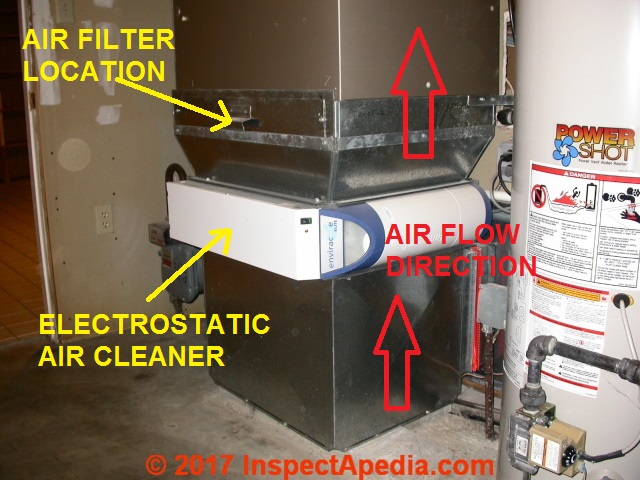
Examine the furnace or air handler unit itself. You're searching for a slot or door, typically rectangular, along one side or at the bottom of the unit. This door or slot will usually be secured with clips, latches, or screws. Sometimes, you'll find a small arrow indicating the direction of airflow, which is a good clue.
Accessing the Filter:
- Turn off the power to the furnace or air handler at the breaker box. This is a crucial safety step!
- Locate the access door or slot.
- Release the clips, latches, or screws holding the door in place.
- Carefully remove the door.
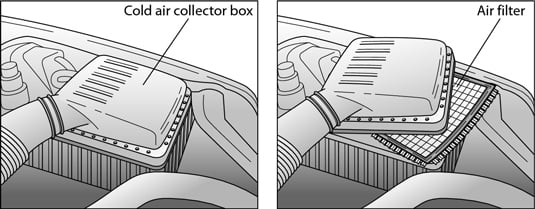
- The air filter should now be visible.
2. Wall or Ceiling Return Vents
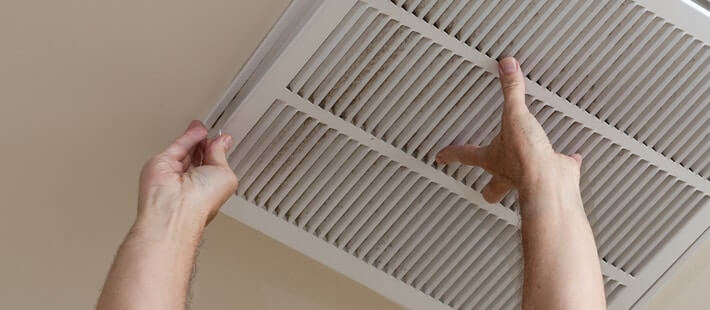
In some homes, especially older ones, the air filter is located directly behind a return vent. These vents are typically larger than supply vents and don't have adjustable louvers.
What to Look For:
Scan your walls and ceilings for large, often rectangular, grilles. These are return vents, pulling air back to the HVAC system to be heated or cooled. Some return vents are designed to swing open or have a latch to release the grille.
Accessing the Filter:
- Locate the return vent you suspect contains the filter.
- Check for hinges or latches on the grille.
- If hinged, swing the grille open. If latched, release the latch.
- The air filter will be directly behind the grille.
3. Dedicated Filter Housing
Some systems, especially those with high-efficiency filters or those designed for improved air quality, have a separate filter housing installed in the ductwork.
What to Look For:
Trace the ductwork leading away from your furnace or air handler. Look for a rectangular box-like structure inserted into the duct. This housing will have an access panel secured with screws or latches.
Accessing the Filter:
- Locate the dedicated filter housing.
- Turn off the power to the furnace or air handler at the breaker box.
- Remove the screws or release the latches securing the access panel.
- Carefully remove the panel.
- The air filter will be inside the housing.
4. Package Units
Package units are self-contained HVAC systems, usually located outside the home, often on the roof or a concrete slab. They combine both heating and cooling components in a single unit.
What to Look For:
Inspect the exterior of the unit for access panels. The air filter access is usually located on the side or front of the unit, near the blower compartment.
Accessing the Filter:
- Locate the access panel on the package unit.
- Turn off the power to the unit at the breaker box.
- Remove the screws or release the latches securing the panel.
- Carefully remove the panel.
- The air filter will be inside.
Troubleshooting: Still Can't Find It?
If you've checked all these locations and still can't find your air filter, consider these steps:
- Check Your Homeowner's Manual: Your HVAC system's manual should contain information on filter location and replacement procedures.
- Call the Previous Homeowner: If you've recently moved, the previous owner may know the location.
- Inspect the Ductwork Carefully: Look for any unusual panels or openings that might indicate a hidden filter location.
Understanding Air Filter Sizes and Types
Once you've found your air filter, take note of its size and type. This information is crucial when purchasing a replacement. The size is usually printed on the filter's frame (e.g., 16x25x1 inches). Common types include:
- Fiberglass Filters: The most basic and inexpensive option. They primarily protect the HVAC equipment, not improve air quality significantly.
- Pleated Filters: Offer better filtration than fiberglass filters, capturing more dust, pollen, and other particles.
- Electrostatic Filters: Use an electrostatic charge to attract and trap particles. They are reusable but require regular cleaning.
- HEPA Filters: The most efficient type, capable of capturing 99.97% of particles 0.3 microns in size. Often used in hospitals and for people with allergies or respiratory issues.
The Minimum Efficiency Reporting Value (MERV) rating indicates a filter's ability to capture particles. Higher MERV ratings mean better filtration, but they can also restrict airflow, potentially straining your HVAC system. A MERV rating of 8-12 is generally recommended for residential use. Consult your HVAC professional for the best choice for your specific system.
Replacing Your Air Filter: A Step-by-Step Guide
- Purchase a replacement filter of the correct size and type.
- Turn off the power to your HVAC system at the breaker box.
- Locate and access the air filter.
- Carefully remove the old filter. Note the direction of airflow (usually indicated by an arrow on the filter frame).
- Dispose of the old filter properly.
- Insert the new filter, ensuring the airflow arrow points in the correct direction.
- Replace the access door or panel and secure it.
- Turn the power back on to your HVAC system.
- Set a reminder to check and replace the filter regularly (typically every 1-3 months).
Common Air Filter Problems and Solutions
- Dirty Filter: Replace the filter. A dirty filter restricts airflow, reduces efficiency, and can damage your HVAC system.
- Wrong Size Filter: Use the correct size filter. An incorrectly sized filter can allow air to bypass the filter, reducing its effectiveness and potentially damaging the system.
- Incorrect Filter Direction: Ensure the airflow arrow on the filter points in the correct direction.
- Frozen Evaporator Coils: This can be caused by a severely restricted airflow due to a very dirty filter. Call a professional immediately.
Safety First: Important Precautions
- Always turn off the power to your HVAC system before working on it.
- Wear gloves to protect your hands from dust and debris.
- Avoid touching electrical components.
- If you're uncomfortable working with electrical or mechanical components, call a qualified HVAC technician.
When to Call a Professional
While changing your air filter is a straightforward task, some situations warrant professional assistance:
- You can't locate your air filter.
- You're uncomfortable working with electrical or mechanical components.
- You notice signs of mold or other contamination in your HVAC system.
- Your HVAC system is not functioning properly, even after replacing the air filter.
Estimated Repair Costs
The cost of HVAC repairs can vary widely depending on the nature of the problem and your location. However, here are some rough estimates:
- Air Filter Replacement (Professional): $50 - $150 (includes filter cost and labor)
- Frozen Evaporator Coils Repair: $200 - $600 (depending on the cause and complexity of the repair)
- Duct Cleaning: $300 - $1000 (depending on the size of your home and the extent of the cleaning)
Note: These are just estimates. Always get a quote from a qualified HVAC technician before proceeding with any repairs.
By following this guide, you should be able to locate your HVAC air filter and keep it clean, ensuring optimal performance and air quality in your home. Remember, regular maintenance is key to preventing costly repairs and extending the life of your HVAC system. If in doubt, always call a qualified HVAC professional.