Where Must You Connect A Hose In Order To Recover

Refrigerant recovery is a crucial step in HVAC system maintenance, repair, and replacement. Improper handling of refrigerants can have severe environmental consequences and is strictly regulated. Understanding where to connect the recovery hose is essential for both HVAC professionals and informed homeowners. This guide will outline the correct connection points and provide context for the importance of proper refrigerant handling.
Understanding Refrigerant Recovery
Before diving into the connection points, it's important to understand the purpose of refrigerant recovery. HVAC systems use refrigerants to transfer heat. These refrigerants, historically CFCs and HCFCs, and now primarily HFCs, can deplete the ozone layer and contribute to global warming if released into the atmosphere. Recovery involves safely removing the refrigerant from the system and storing it in a specialized tank for recycling or disposal.
The Core Connection Points: Service Ports
The primary connection points for refrigerant recovery are the service ports, also known as access valves or gauge ports. These ports are typically located on both the high-pressure (liquid) line and the low-pressure (suction) line of the HVAC system.
High-Pressure Service Port
The high-pressure service port is usually found on the liquid line, which is the smaller of the two copper lines connecting the outdoor condenser unit to the indoor evaporator coil. It's often located near the compressor or liquid line filter drier.
Low-Pressure Service Port
The low-pressure service port is typically located on the suction line, the larger of the two copper lines. This line carries refrigerant vapor from the evaporator coil back to the compressor. The port is generally found closer to the compressor.
Connecting the Recovery Machine
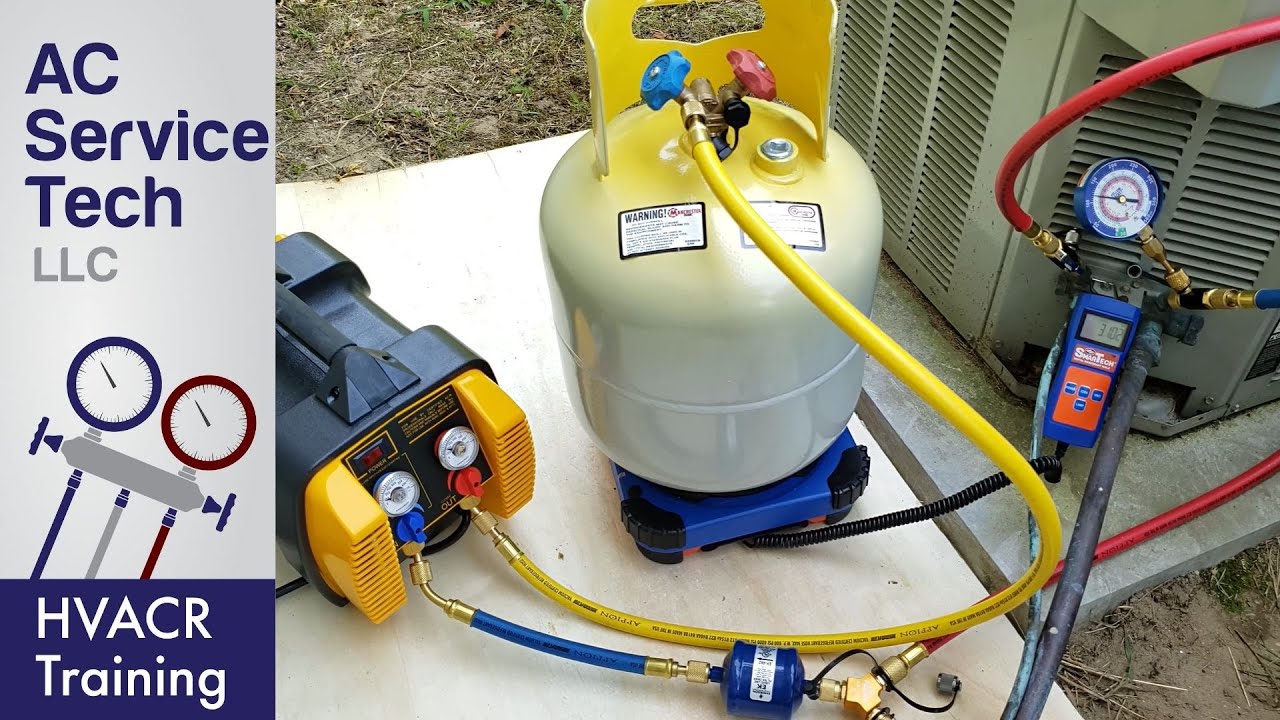
To connect the recovery machine, you'll need a set of manifold gauges and hoses. The manifold gauge set has three hoses: a red hose for the high-pressure side, a blue hose for the low-pressure side, and a yellow hose for the recovery machine.
- Connect the Red Hose: Attach the red hose to the high-pressure service port.
- Connect the Blue Hose: Attach the blue hose to the low-pressure service port.
- Connect the Yellow Hose: Attach the yellow hose to the recovery machine.
Ensure all connections are secure and tight to prevent leaks. A leak during recovery can release refrigerant into the atmosphere and compromise the efficiency of the recovery process.
Specific HVAC System Types and Considerations
The location of service ports can vary slightly depending on the type of HVAC system. Here are some considerations for different systems:
Split Systems (Air Conditioners and Heat Pumps)
In split systems, the service ports are almost always located on the outdoor condenser unit. This is because the compressor, which is the heart of the refrigerant circuit, is housed in the outdoor unit.
Package Units
Package units, which contain both the evaporator and condenser coils in a single cabinet, also have service ports. These ports are typically located on the side of the unit, near the compressor compartment.
Mini-Split Systems (Ductless Systems)
Mini-split systems can be a bit more challenging. The service ports are usually located on the outdoor unit, but access can sometimes be restricted. It's important to consult the manufacturer's documentation for the specific model to locate the service ports correctly.
Why Proper Connection is Critical
Connecting the recovery machine to the correct service ports is essential for several reasons:
- Efficient Recovery: Connecting to both the high and low sides ensures that refrigerant is drawn from all parts of the system.
- Preventing Damage: Incorrect connections can damage the compressor or other components.
- Environmental Protection: Proper recovery prevents refrigerant leaks, protecting the environment.
- Legal Compliance: Regulations mandate proper refrigerant handling and recovery procedures.
Tools and Equipment Needed
Refrigerant recovery requires specialized tools and equipment:
- Refrigerant Recovery Machine: This machine removes the refrigerant from the system and stores it in a recovery tank. Look for models certified to meet EPA standards.
- Manifold Gauge Set: This set measures the pressure in the system and provides connections for the recovery hoses.
- Recovery Tank: A specialized tank designed to safely store recovered refrigerant. These tanks must meet DOT specifications.
- Vacuum Pump: Used to evacuate the system after repairs or refrigerant recovery.
- Leak Detector: Used to identify any refrigerant leaks in the system.
- Safety Glasses and Gloves: Essential for protecting yourself from refrigerant exposure.
EPA Regulations and Certification
The Environmental Protection Agency (EPA) regulates the handling and recovery of refrigerants. Under Section 608 of the Clean Air Act, technicians who handle refrigerants must be certified. There are different types of certifications, depending on the type of equipment and refrigerants handled. Homeowners are generally prohibited from purchasing refrigerant without proper certification.
Common Mistakes to Avoid
Several common mistakes can occur during refrigerant recovery:
- Incorrect Hose Connections: Connecting the hoses to the wrong ports can damage the system and prevent efficient recovery.
- Leaks: Failing to properly seal the connections can lead to refrigerant leaks.
- Overfilling the Recovery Tank: Overfilling can damage the tank and create a hazardous situation.
- Mixing Refrigerants: Mixing different types of refrigerants can contaminate the recovered refrigerant and make it unusable.
Refrigerant Recovery and HVAC System Efficiency
Proper refrigerant recovery is not just about environmental protection; it also plays a role in HVAC system efficiency. When refrigerant is lost due to leaks or improper handling, the system's capacity to cool or heat is reduced. This can lead to higher energy bills and reduced comfort. Addressing refrigerant leaks promptly and ensuring proper refrigerant charge are essential for maintaining optimal system performance. Newer systems are designed to use environmentally friendly refrigerants like R-410A and are being upgraded again to even newer refrigerants with lower global warming potential.
Troubleshooting Recovery Issues
Sometimes, refrigerant recovery can be problematic. Here are some common issues and potential solutions:
- Slow Recovery: This could be due to restrictions in the system, such as a clogged filter drier or a kinked refrigerant line.
- No Recovery: Check the recovery machine's settings and ensure that the hoses are properly connected. The system might have very low refrigerant charge already.
- High Head Pressure: This could indicate a problem with the recovery machine or the refrigerant tank.
The Future of Refrigerants
The HVAC industry is constantly evolving, with new refrigerants being developed to replace older, more environmentally damaging ones. Regulations are also becoming stricter, requiring more responsible handling of refrigerants. Staying informed about these changes is crucial for both HVAC professionals and homeowners.
Maintenance Considerations
Regular maintenance can help prevent refrigerant leaks and ensure that your HVAC system operates efficiently. Some key maintenance tasks include:
- Inspecting Refrigerant Lines: Look for signs of leaks, such as oil residue or corrosion.
- Checking Refrigerant Charge: Ensure that the system has the correct refrigerant charge.
- Cleaning Coils: Dirty coils can reduce the system's efficiency and increase the risk of leaks.
- Replacing Filter Driers: A clogged filter drier can restrict refrigerant flow and lead to problems.
Cost of Refrigerant Recovery
The cost of refrigerant recovery can vary depending on the complexity of the job and the amount of refrigerant that needs to be recovered. However, it's an essential service that should not be skipped when replacing or repairing an HVAC system. Failure to properly recover refrigerant can result in fines and environmental damage.
Choosing a Qualified Technician
When hiring an HVAC technician, it's important to choose someone who is EPA-certified and has experience with refrigerant recovery. Ask for proof of certification and inquire about their procedures for handling refrigerants. A reputable technician will be knowledgeable about the latest regulations and best practices.
By understanding where to connect the recovery hose and the importance of proper refrigerant handling, you can ensure that your HVAC system is maintained and serviced responsibly, protecting both the environment and your investment.



+(From+Small+Appliances).jpg)