Where To Buy A Capacitor For Air Conditioner
Understanding Air Conditioner Capacitors: A Guide to Purchasing
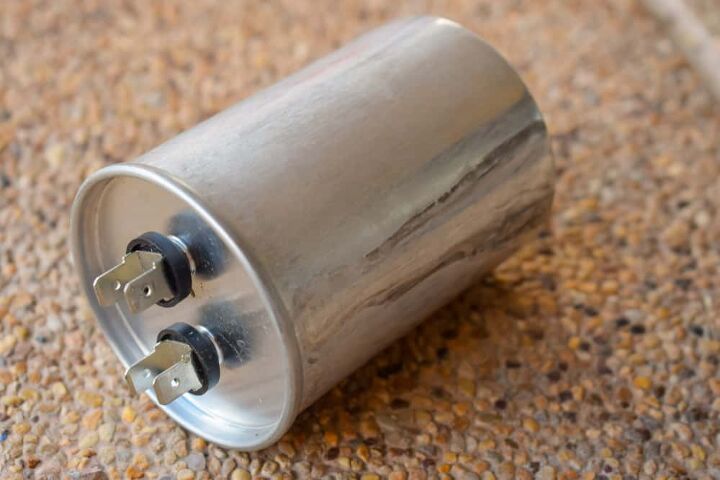
The capacitor in your air conditioner plays a critical role in starting and running the motor that powers the compressor and fan. Think of it as a powerful, short-term battery that gives the motor the extra jolt it needs. When a capacitor fails, your AC unit might hum, struggle to start, or not start at all. Identifying the right replacement and knowing where to buy it is essential for both homeowners and HVAC professionals.
What is a Capacitor and Why Does it Matter?
A capacitor is an electrical component that stores energy in an electric field. In an air conditioner, you’ll typically find two types: start capacitors and run capacitors. The start capacitor provides a high-energy boost to get the motor initially turning. The run capacitor then continuously provides energy to keep the motor running efficiently. Both are essential for proper AC operation.
Capacitor failure is a common issue, particularly in older AC units or those exposed to harsh weather conditions. Over time, the internal components can degrade, leading to reduced capacitance or complete failure. Recognizing the signs of a failing capacitor can save you from a complete AC system breakdown.
Signs of a Failing Air Conditioner Capacitor
Here are some common indicators that your AC capacitor might be failing:
- Humming Noise: The AC unit might hum but the fan or compressor won't start.
- Delayed Start: The AC takes a long time to start after being turned on.
- No Start: The AC unit doesn't start at all.
- AC Shuts Off Prematurely: The AC starts and runs for a short period, then shuts off.
- Bulging or Leaking Capacitor: Visually inspect the capacitor. A bulging top or signs of leakage are clear indicators of failure. Caution: Capacitors can hold a dangerous electrical charge even when the unit is off. Always discharge a capacitor before handling it.
Identifying the Correct Replacement Capacitor
Before you head out to buy a new capacitor, you need to identify the correct replacement. This involves matching the following specifications:
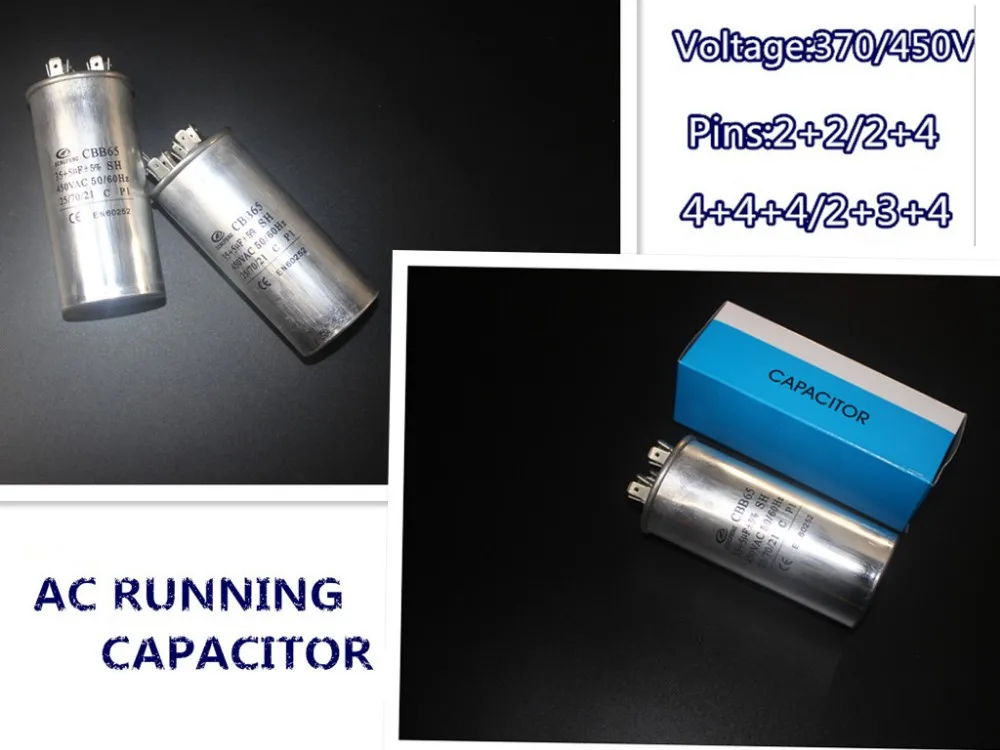
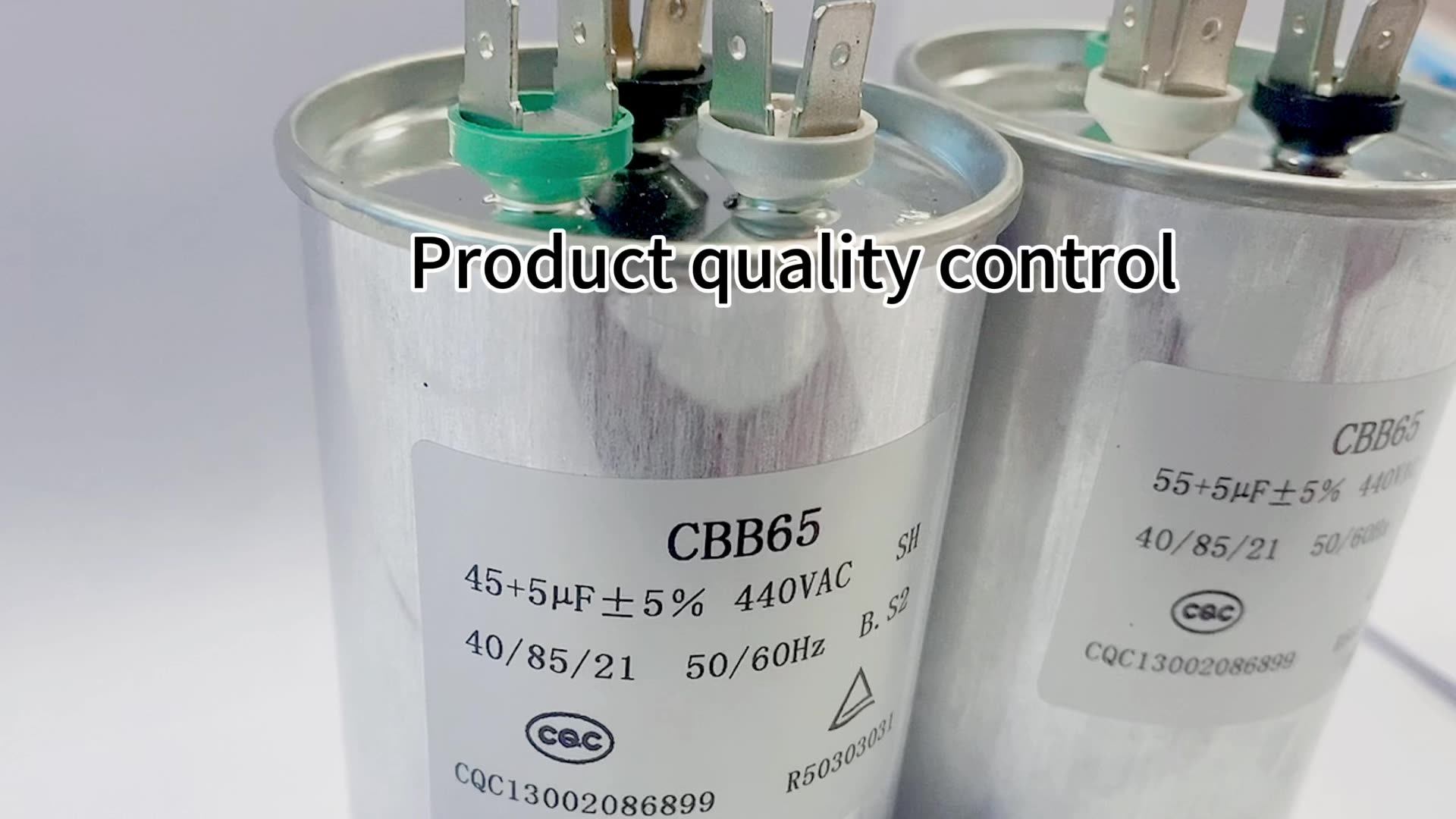
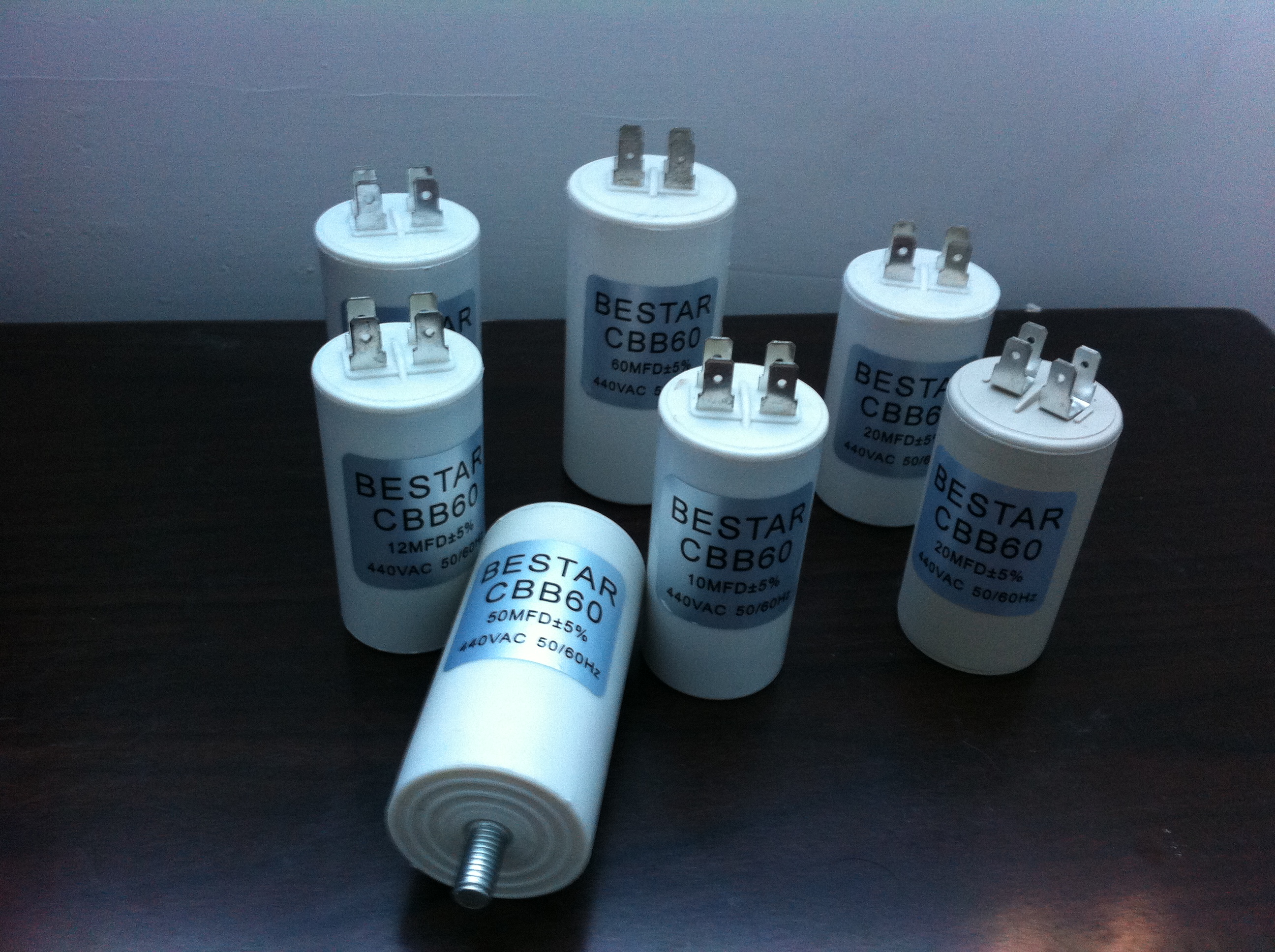
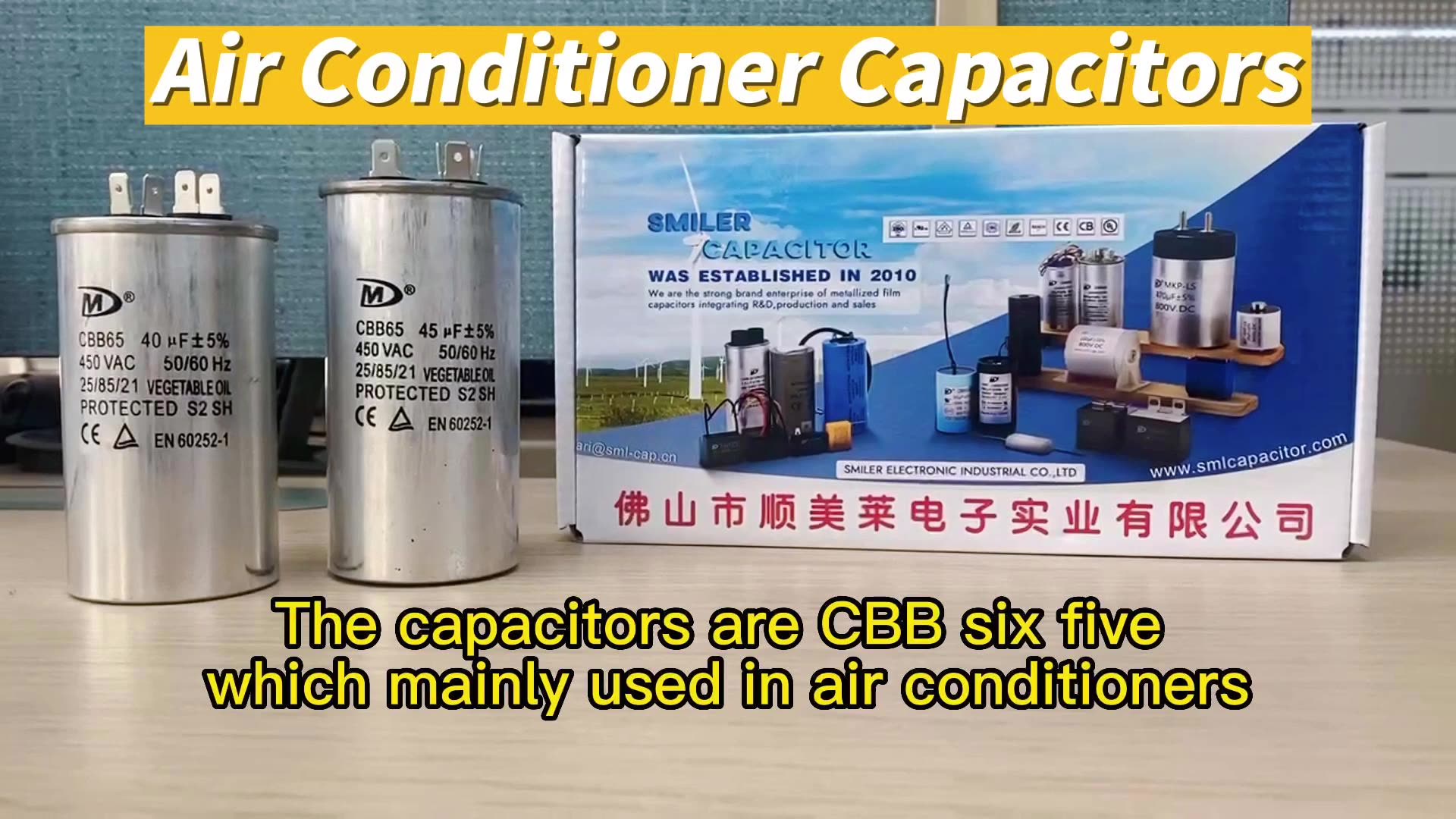
- Capacitance (µF or MFD): This is measured in microfarads (µF or MFD). The replacement capacitor must have the same capacitance value as the original. A slight deviation (e.g., +/- 5%) might be acceptable, but consult with an HVAC professional if you're unsure.
- Voltage (VAC): This is the AC voltage rating. The replacement capacitor must have a voltage rating equal to or higher than the original. It's always safer to use a capacitor with a higher voltage rating.
- Physical Size: Ensure the replacement capacitor fits within the available space in the AC unit.
- Terminal Type: Match the terminal type (e.g., spade connectors, screw terminals) to ensure proper connection.
The easiest way to find this information is to look at the label on the existing capacitor. It typically contains all the necessary specifications. If the label is damaged or unreadable, consult the AC unit's manual or contact the manufacturer.
Where to Buy Air Conditioner Capacitors
Now that you know what to look for, let's explore the different places you can purchase a replacement capacitor:
1. HVAC Supply Stores
Pros:
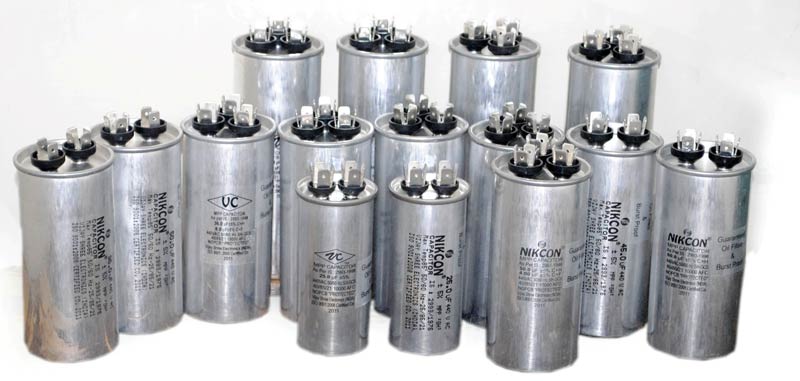
- Wide Selection: HVAC supply stores typically carry a broad range of capacitors from various manufacturers.
- Expert Advice: The staff at these stores are usually knowledgeable about HVAC components and can help you find the correct replacement.
- Quality Products: They generally stock capacitors from reputable brands, ensuring quality and reliability.
Cons:
- Higher Prices: HVAC supply stores tend to have higher prices compared to online retailers or general hardware stores.
- Limited Accessibility: These stores might not be conveniently located in all areas.
- Professional Focus: Some stores primarily cater to HVAC professionals and might require an account to purchase certain items.
Example: Consider a homeowner whose AC capacitor failed on a hot summer day. They visit a local HVAC supply store, where a knowledgeable staff member helps them identify the correct replacement based on the old capacitor's specifications. While the price is slightly higher than online, the homeowner appreciates the expert advice and the assurance of getting a quality part.
2. Online Retailers (e.g., Amazon, eBay)
Pros:
- Competitive Prices: Online retailers often offer the lowest prices due to increased competition.
- Convenience: You can purchase a capacitor from the comfort of your home.
- Wide Selection: Online marketplaces offer a vast selection of capacitors from various sellers.
Cons:
- Potential for Counterfeit Parts: Be cautious of counterfeit or low-quality capacitors. Stick to reputable sellers and brands.
- Lack of Expert Advice: You won't have access to in-person expert advice.
- Shipping Delays: Shipping times can vary, which might be a problem if you need the capacitor urgently.
Example: An HVAC technician regularly purchases capacitors online to save money. They carefully vet the sellers and brands they purchase from, ensuring they are getting quality parts at competitive prices. They also factor in shipping times when planning their service calls.
3. Hardware Stores (e.g., Home Depot, Lowe's)
Pros:
- Convenience: Hardware stores are readily accessible in most areas.
- Decent Prices: Prices are generally competitive, although not always as low as online retailers.
- Familiar Environment: Many homeowners are comfortable shopping at hardware stores.
Cons:
- Limited Selection: Hardware stores typically have a limited selection of capacitors, focusing on the most common sizes.
- Lack of Specialized Knowledge: The staff might not have specialized knowledge about HVAC components.
- Quality Concerns: The quality of capacitors might vary, so choose reputable brands.
Example: A property manager responsible for maintaining several apartment buildings needs to quickly replace a capacitor in one of the AC units. They visit a local hardware store and find a suitable replacement that meets the required specifications. The convenience and accessibility of the hardware store are crucial in this situation.
4. Appliance Repair Shops
Pros:
- Expertise: These shops specialize in appliance repair and can often provide accurate replacements.
- Installation Services: Some shops offer installation services, which can be beneficial if you're not comfortable replacing the capacitor yourself.
Cons:
- Potentially Higher Prices: Prices may be higher than other sources due to the added service component.
- Limited Availability: Not all areas have readily accessible appliance repair shops.
Cost Considerations
The cost of an air conditioner capacitor can vary depending on the capacitance, voltage, brand, and where you purchase it. Generally, you can expect to pay:
- Small Capacitors (e.g., 5 µF - 20 µF): $10 - $30
- Medium Capacitors (e.g., 25 µF - 40 µF): $20 - $50
- Large Capacitors (e.g., 45 µF - 60 µF): $30 - $75+
These prices are approximate and can fluctuate. It's always a good idea to compare prices from different sources before making a purchase. Remember to factor in shipping costs if you're buying online.
Safety Precautions
Working with electrical components can be dangerous. If you're not comfortable replacing the capacitor yourself, it's best to hire a qualified HVAC technician. If you decide to do it yourself, follow these safety precautions:
- Turn off the power: Disconnect the power to the AC unit at the breaker box.
- Discharge the capacitor: Use a screwdriver with an insulated handle to short the terminals of the capacitor. This will discharge any stored energy.
- Wear safety glasses and gloves: Protect your eyes and hands from potential hazards.
- Take photos: Before disconnecting any wires, take photos of the wiring configuration. This will help you reconnect the wires correctly.
- Follow the manufacturer's instructions: Consult the AC unit's manual or the capacitor's instructions for specific guidance.
Choosing the Right Option for You
The best place to buy an air conditioner capacitor depends on your individual needs and priorities. If you prioritize expert advice and quality, an HVAC supply store is a good choice. If you're looking for the lowest price, online retailers might be the best option. If you need a capacitor urgently and value convenience, a hardware store might be the most suitable choice. Finally, consider an appliance repair shop for their expertise and potential installation services.
Remember, replacing a capacitor is a relatively simple repair that can save you money on professional service calls. By understanding the different types of capacitors, knowing where to buy them, and taking the necessary safety precautions, you can keep your air conditioner running efficiently for years to come.