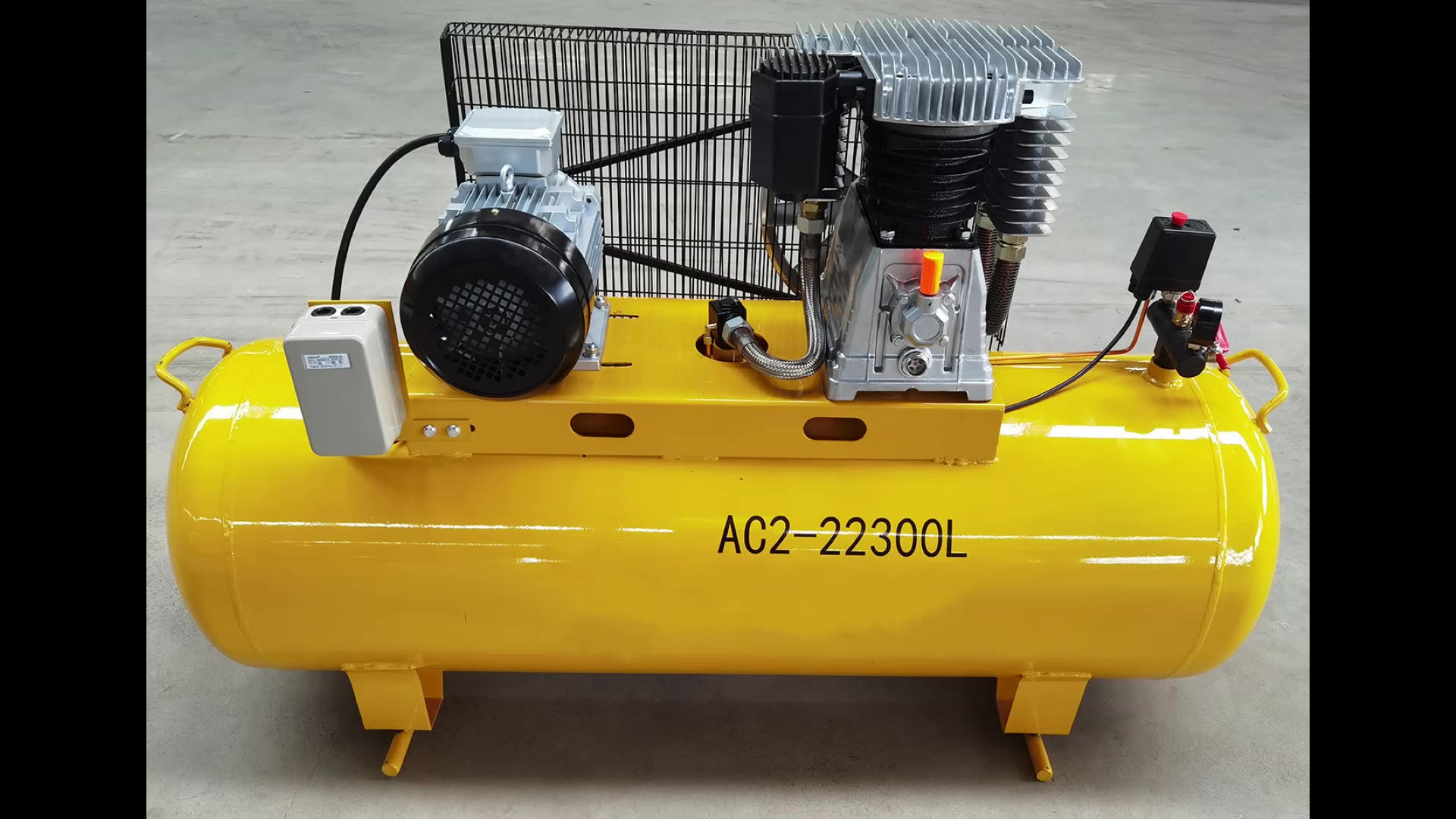
Where To Buy An Air Compressor
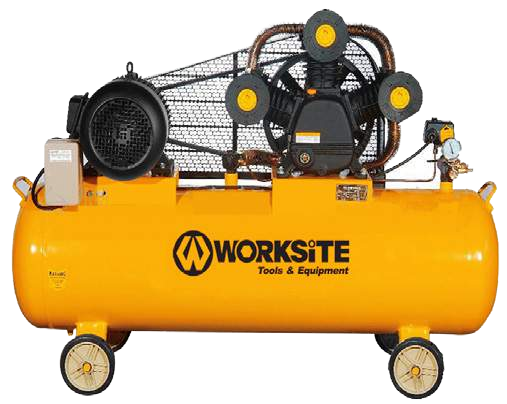
Frequently Asked Questions: Where To Buy An Air Compressor
Choosing the right air compressor and finding a reliable place to buy it can feel overwhelming. This FAQ addresses the most common questions to help you make an informed decision, whether you're a homeowner tackling DIY projects or a facility manager maintaining industrial equipment.
Q1: What are the *main* places to buy an air compressor, and what are the pros and cons of each?
There are several common options for purchasing an air compressor, each with its advantages and disadvantages:
- Big Box Home Improvement Stores (e.g., Home Depot, Lowe's):
- Pros: Wide selection of consumer-grade compressors, generally lower prices, easy access, frequent sales and promotions, option for in-store returns.
- Cons: Limited selection of professional-grade or industrial compressors, less specialized staff knowledge, after-sales support may be less comprehensive.
- Online Retailers (e.g., Amazon, specialized online tool stores):
- Pros: Largest selection of models and brands, often competitive pricing, convenient shopping from home, detailed product reviews.
- Cons: Cannot physically inspect the compressor before purchase, potential shipping delays or damage, returns can be more complicated, warranty claims might require more effort.
- Specialty Tool Stores (e.g., Northern Tool, Harbor Freight):
- Pros: Wider selection of professional-grade compressors compared to big box stores, knowledgeable staff, often carry their own branded compressors at competitive prices.
- Cons: Prices may be slightly higher than big box stores for comparable models, location might be less convenient than big box stores, quality of store-branded compressors can vary.
- Industrial Supply Companies (e.g., Grainger, Fastenal):
- Pros: Best selection of industrial-grade and high-performance compressors, knowledgeable staff specializing in commercial applications, often offer installation and maintenance services.
- Cons: Generally the most expensive option, primarily cater to businesses and professionals, may require a business account to purchase.
- Local Tool Dealers:
- Pros: Personalized service, expert advice, often offer repair and maintenance services, can build long-term relationships.
- Cons: Prices may be higher, selection might be limited, availability dependent on location.
Q2: What *key factors* should I consider when choosing a place to buy an air compressor?
Several factors will influence the best place for you to buy an air compressor:
- Budget: How much are you willing to spend? Big box stores and online retailers are typically the most budget-friendly options, while industrial supply companies tend to be the most expensive.
- Intended Use: What will you be using the compressor for? Light-duty tasks like inflating tires or powering nail guns can be handled by consumer-grade compressors from big box stores. Heavy-duty tasks like running pneumatic tools continuously require professional-grade or industrial compressors from specialty tool stores or industrial supply companies.
- Compressor Size & Type: Consider the required CFM (cubic feet per minute) and PSI (pounds per square inch) for your tools and applications. Make sure the retailer carries the type and size of compressor you need (portable, stationary, single-stage, two-stage, oil-free, etc.).
- Level of Expertise: Do you need expert advice on choosing the right compressor? Specialty tool stores and local tool dealers can provide more personalized guidance than big box stores or online retailers.
- Warranty and Support: What kind of warranty is offered, and how easy is it to get support if you have problems? Check the retailer's return policy and customer service reputation. Some industrial suppliers offer on-site maintenance and repair.
- Convenience: How important is it to be able to see the compressor in person before buying it? Do you need immediate availability, or are you willing to wait for shipping? Consider the location and hours of operation of different stores.
- Brand Reputation: Do you have a preferred brand? Some retailers carry a wider selection of certain brands than others. Research the reliability and performance of different brands.
Q3: How important is it to buy an air compressor from an *authorized dealer*?
Buying from an authorized dealer offers several advantages, although it's not always essential:
- Warranty Validity: Purchasing from an unauthorized dealer could potentially void the manufacturer's warranty, although this is becoming less common. Check the manufacturer's warranty policy to be sure.
- Genuine Products: Authorized dealers are guaranteed to sell genuine products and not counterfeit or refurbished items sold as new. This ensures you're getting the quality and performance you expect.
- Expert Support: Authorized dealers typically have trained staff who are knowledgeable about the products they sell and can provide expert advice and support.
- Access to Parts and Service: Authorized dealers often have access to genuine replacement parts and factory-trained service technicians, making it easier to get your compressor repaired if needed.
To verify if a dealer is authorized, check the manufacturer's website for a list of authorized retailers or contact the manufacturer directly.
Q4: What questions should I *ask* a retailer *before* buying an air compressor?
Before making a purchase, ask the retailer these questions:
- "What is the compressor's CFM rating at 90 PSI and 40 PSI?" This is crucial for determining if the compressor can power your tools effectively.
- "What is the tank size, and how does that affect performance?" A larger tank provides a more consistent air supply and reduces the frequency of the motor cycling on and off.
- "What is the duty cycle of the compressor?" The duty cycle indicates the percentage of time the compressor can run continuously without overheating. A higher duty cycle is better for demanding applications.
- "What type of pump does the compressor have (oil-lubricated or oil-free) and what are the maintenance requirements?" Oil-lubricated pumps are generally more durable but require regular oil changes. Oil-free pumps are lower maintenance but may have a shorter lifespan.
- "What is the noise level of the compressor?" Consider the noise level if you'll be using the compressor in a residential area or enclosed space.
- "What kind of warranty is offered, and what does it cover?" Understand the terms of the warranty, including the duration, what is covered, and the process for making a claim.
- "Do you offer any financing options or discounts?" Ask about available financing options or discounts, especially if you're making a large purchase.
- "What is your return policy?" Understand the return policy in case you are not satisfied with the compressor after purchase.
- "Do you offer repair and maintenance services?" Knowing that the retailer can also service the compressor can be a big plus.
Q5: How can I *compare prices* effectively when shopping for an air compressor?
Comparing prices effectively requires more than just looking at the sticker price. Consider these factors:
- Compare apples to apples: Ensure you're comparing the same model and brand of compressor. If not, compare compressors with similar specifications (CFM, PSI, tank size, motor horsepower).
- Factor in shipping costs: Online retailers may offer lower prices, but shipping costs can significantly increase the total price.
- Look for sales and promotions: Many retailers offer sales and promotions on air compressors, especially during holidays and seasonal events.
- Consider bundled deals: Some retailers offer bundled deals that include accessories like hoses, fittings, and air tools at a discounted price.
- Check for rebates: Manufacturers often offer rebates on certain models. Check the manufacturer's website or the retailer's promotional materials for rebate information.
- Read reviews: Check online reviews to see what other customers have said about the compressor and the retailer. This can help you identify potential problems or issues.
- Don't forget about taxes: Remember to factor in sales tax when calculating the total cost of the compressor.
- Consider long-term costs: While a cheaper compressor might seem appealing upfront, it may end up costing you more in the long run due to higher maintenance costs, lower efficiency, or shorter lifespan.
Q6: Are there any *specific brands* that are known for reliability and performance?
While brand preference is subjective, certain brands have established a reputation for quality and durability in the air compressor market. These include:
- Ingersoll Rand: Known for their industrial-grade compressors that are built to last.
- DeWalt: Popular for their portable and contractor-grade compressors.
- Craftsman: A well-known brand offering a range of compressors for home and light-duty use.
- Campbell Hausfeld: Offers a variety of compressors at competitive prices.
- Makita: Known for their quiet and efficient compressors.
- Milwaukee: Offers cordless and corded compressors known for their power and portability.
- Porter-Cable: A popular brand for DIYers and homeowners.
It's always a good idea to read reviews and compare specifications before choosing a brand. Also, consider that even within a well-regarded brand, some models may be better than others. Your specific needs and budget will influence the best brand choice for you.
Q7: What are some *red flags* to watch out for when buying an air compressor from any retailer?
Be cautious of these red flags when purchasing an air compressor:
- Unusually low prices: If the price seems too good to be true, it probably is. The compressor may be a low-quality product, a refurbished unit sold as new, or even a counterfeit.
- Lack of information: If the retailer is unable or unwilling to provide detailed information about the compressor's specifications, warranty, or maintenance requirements, it's a sign that they may not be reputable.
- Poor customer reviews: Check online reviews to see what other customers have said about the retailer. If there are a lot of negative reviews, especially regarding customer service or product quality, it's best to avoid that retailer.
- Pushy sales tactics: Be wary of retailers who use high-pressure sales tactics to try to convince you to buy a compressor. Take your time to research and compare different models before making a decision.
- Limited return policy: A limited or non-existent return policy is a red flag. A reputable retailer should offer a reasonable return policy in case you're not satisfied with the compressor.
- No physical address or contact information: If the retailer only has an email address or phone number and no physical address, it may be a scam.
- "Too good to be true" warranties: Promises that seem unrealistic should be viewed with suspicion. Read the fine print!
By keeping these questions and considerations in mind, you'll be well-equipped to find the perfect air compressor for your needs from a reputable retailer.