Where To Fill Oxygen And Acetylene Tanks

One of the most frustrating problems a homeowner with welding equipment can face is running out of oxygen and acetylene in the middle of a project. You're diligently working on a repair, a fabrication, or even an artistic endeavor, and suddenly your flame sputters and dies. The immediate question is: Where do I fill these tanks? This article will guide you through finding reliable refill sources, identifying issues preventing refills, and knowing when to call in a professional.
Finding Oxygen and Acetylene Refills
Locating a place to refill your oxygen and acetylene tanks doesn't have to be a daunting task. Here's a systematic approach to finding the right supplier:
Step 1: Local Welding Supply Stores
The most obvious and usually the most reliable place to start is your local welding supply store. These stores specialize in welding equipment, gases, and accessories. Search online for "welding supply near me" to generate a list of potential candidates. Call them directly to confirm they offer refills for both oxygen and acetylene, and inquire about their exchange policies.
Step 2: Industrial Gas Suppliers
Companies that supply industrial gases like oxygen, nitrogen, and argon often also carry acetylene. These suppliers frequently serve larger businesses, but they usually have retail locations or delivery services available to individuals. Look for companies like Airgas, Praxair (now Linde), or local equivalents in your area. Again, a phone call is essential to verify their offerings and any requirements for tank ownership or rental.
Step 3: Hardware Stores and Home Improvement Centers
Some larger hardware stores, particularly those catering to contractors and serious DIY enthusiasts, may offer oxygen and acetylene refills, often through a partnership with a larger gas supplier. Look at stores like Home Depot, Lowe's, or Ace Hardware. The availability of refills at these locations can be regional and vary greatly, so confirming online or by phone is crucial.
Step 4: Online Directories and Supplier Finders
Utilize online directories specifically designed to locate gas suppliers. Websites like the Industrial Gas Users Association (IGUA) or specialized welding forums often have resources and directories that can help you pinpoint nearby suppliers. These resources can save you a lot of time in searching.
Step 5: Farm Supply Stores
In rural areas, farm supply stores often stock welding gases for repairs on agricultural equipment. Companies like Tractor Supply Co. might be good options to check. They may have different sizes and types of tanks available, so inquire about their specific offerings.
Understanding Tank Exchange and Refill Policies
Before heading to a supplier, it's important to understand the different options available for acquiring your gases:
- Tank Exchange: This is the most common method for homeowners. You bring in your empty tank, and the supplier exchanges it for a filled tank of the same size and type. You pay for the gas and a small exchange fee.
- Direct Refill: Some suppliers may offer to directly refill your tank, but this is less common for smaller tanks. This typically requires inspection and certification of your tank's condition.
- Tank Rental: If you don't own your tanks, you can rent them from the supplier. You pay a rental fee plus the cost of the gas. This option is good for occasional users.
Always ask about the supplier's specific policies regarding tank ownership, exchange fees, and any required documentation. Some suppliers might require proof of ownership or safety certifications.
Troubleshooting Refill Problems: A DIY Approach
Sometimes, you might encounter issues when trying to refill your tanks. Here's how to troubleshoot some common problems:
Problem 1: Tank Refusal Due to Visual Inspection
Diagnosis: The supplier refuses to refill your tank because of its physical condition. They might point out rust, dents, damage to the valve, or an expired hydrostatic test date. Rust, especially severe rust, is a major concern.
DIY Fix (If Minor):
- Minor Surface Rust: Use a wire brush to remove any loose surface rust. You can then apply a rust inhibitor or primer to prevent further corrosion. Do not attempt to repair deep rust pits or areas of significant metal loss.
- Cleanliness: Ensure the tank is clean and free of debris. Wipe down the tank with a damp cloth.
When to Call a Professional: Any sign of deep rust, pitting, cracks, dents, or damage to the valve requires professional inspection. Do not attempt to use a tank with structural damage! A certified tank testing facility can perform a hydrostatic test and determine if the tank is safe for use. They can also perform repairs if possible, but often a severely damaged tank must be condemned.
Problem 2: Expired Hydrostatic Test Date
Diagnosis: All compressed gas cylinders are required to undergo periodic hydrostatic testing to ensure their structural integrity. This test involves pressurizing the tank with water to check for leaks or weaknesses. The test date is stamped on the tank. If the date is past the expiration, the tank cannot be legally refilled. Oxygen tanks typically require testing every 5-10 years, while acetylene tanks are generally tested every 5 years.
DIY Fix: There is no DIY fix for an expired hydrostatic test.
When to Call a Professional: You must take the tank to a certified hydrostatic testing facility. They will perform the test, and if the tank passes, they will stamp a new test date on the tank. This service involves a fee, but it's essential for safety and legal compliance. Before taking the tank, call the facility to understand their testing procedures and fees.
Problem 3: Valve Issues
Diagnosis: The valve on your tank is leaking, damaged, or not functioning properly. You might hear a hissing sound, smell gas, or have difficulty connecting your regulator. Acetylene leaks are particularly dangerous and should be addressed immediately.
DIY Fix (Very Limited and Cautious):
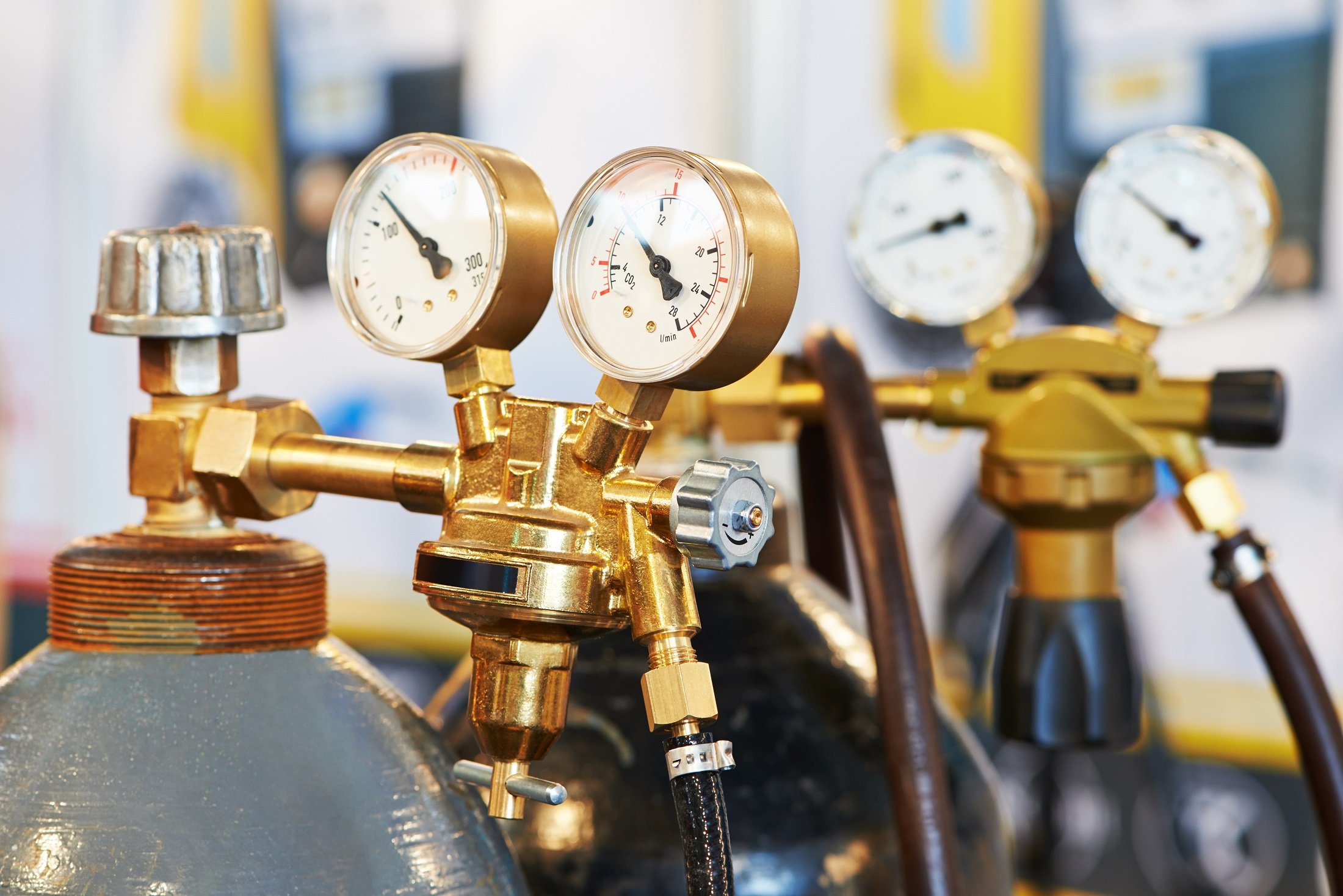
- Tighten the Valve Packing Nut: Sometimes, a loose packing nut can cause a minor leak around the valve stem. Using a wrench, carefully tighten the packing nut slightly. Do not overtighten, as this can damage the valve.
- Check the Valve Outlet: Ensure the valve outlet is clean and free of debris. Use a clean cloth to wipe the outlet.
When to Call a Professional: Any significant leak, difficulty opening or closing the valve, or visible damage to the valve requires professional attention. Do not attempt to disassemble or repair the valve yourself! Contact a qualified gas supplier or a certified valve repair technician. They have the tools and expertise to safely repair or replace the valve.
Problem 4: Tank Ownership Disputes
Diagnosis: The supplier claims the tank is not yours, or that it belongs to another company. This can happen if you acquired the tank secondhand or if the tank has a company marking on it.
DIY Fix:
- Provide Proof of Ownership: If you have a receipt or other documentation showing you purchased the tank, present it to the supplier.
- Contact the Previous Owner: If you purchased the tank secondhand, try to contact the previous owner to obtain documentation or clarify the ownership.
When to Call a Professional: If you cannot resolve the ownership dispute with the supplier or the previous owner, you may need to seek legal advice. A lawyer can help you establish ownership and resolve the issue. Consider purchasing a new tank to avoid these types of disputes in the future.
Problem 5: Supplier Shortages
Diagnosis: The supplier is temporarily out of stock of oxygen or acetylene. This can happen due to high demand, supply chain disruptions, or other factors.
DIY Fix: There is no DIY fix for a supplier shortage.
When to Call a Professional: Call around to multiple suppliers in your area to check their stock levels. Plan ahead and refill your tanks before they are completely empty to avoid being caught short. Consider purchasing an extra tank of each gas as a backup.
Safety Precautions When Handling Oxygen and Acetylene Tanks
Handling compressed gas cylinders requires caution and adherence to safety guidelines:
- Storage: Store tanks in a well-ventilated area, away from heat sources and flammable materials. Secure the tanks upright to prevent them from falling.
- Transportation: When transporting tanks, ensure they are properly secured and the valves are closed. Do not transport tanks in the passenger compartment of a vehicle.
- Handling: Handle tanks with care. Avoid dropping or banging them. Use a cylinder cart for moving heavy tanks.
- Valve Protection: Always keep the valve protection cap in place when the tank is not in use.
- Leak Detection: Use a leak detection solution (specifically designed for gas leaks) to check for leaks around the valve and fittings. Never use a flame to check for leaks.
- Ventilation: Always work in a well-ventilated area when using oxygen and acetylene.
- Personal Protective Equipment (PPE): Wear appropriate PPE, including safety glasses, gloves, and a welding helmet.
Oxygen and acetylene are flammable gases. Never allow oil or grease to come into contact with oxygen cylinders or valves, as this can cause a fire or explosion. Acetylene is unstable at high pressures and should only be used with approved regulators.
Empowering Yourself with Knowledge
By understanding the process of finding and refilling oxygen and acetylene tanks, you can confidently tackle your welding projects. Remember to prioritize safety, follow proper handling procedures, and know when to seek professional assistance. A little knowledge can save you time, money, and potential hazards.