Where To Mount A Carbon Monoxide Detector

Carbon monoxide (CO) is an invisible, odorless, and deadly gas that can be produced by fuel-burning appliances like furnaces, boilers, water heaters, stoves, fireplaces, and even portable generators. Proper placement of carbon monoxide detectors is crucial for ensuring early detection and preventing CO poisoning. This guide provides comprehensive information for homeowners, HVAC technicians, and facility managers on where to strategically mount CO detectors for optimal protection.
Understanding Carbon Monoxide and Its Sources
Before delving into placement specifics, it’s important to understand how CO is generated and how it behaves within a building. CO is a byproduct of incomplete combustion. This occurs when fuel – natural gas, propane, oil, wood, or kerosene – doesn't burn completely. A properly functioning and well-maintained HVAC system will efficiently combust fuel, minimizing CO production. However, even well-maintained systems can produce CO under certain circumstances, such as a cracked heat exchanger in a furnace.
Common sources of CO include:
- Furnaces: Gas furnaces are a primary source of CO, especially older models or those with cracked heat exchangers. Regular maintenance, including annual inspections by a qualified HVAC technician, is essential to prevent CO leaks.
- Boilers: Similar to furnaces, boilers that burn natural gas or oil can produce CO if not properly maintained or if venting is obstructed.
- Water Heaters: Gas-fired water heaters are another potential source of CO. Ensuring proper venting and regular burner cleaning are critical.
- Fireplaces: Wood-burning fireplaces, while aesthetically pleasing, can produce significant amounts of CO if not properly ventilated or if the chimney is blocked.
- Gas Stoves and Ovens: While less common, gas stoves and ovens can produce CO, particularly if the burners are not adjusted correctly.
- Portable Generators: Generators should never be operated indoors or in partially enclosed spaces like garages, as they produce high levels of CO. Always operate them outdoors in a well-ventilated area, far away from windows and doors.
- Vehicles: Running a car or other vehicle in an attached garage, even with the door open, can quickly produce lethal levels of CO.
CO is slightly lighter than air and tends to mix evenly throughout a room. This means that while it may rise initially, it won't necessarily stratify at the ceiling. This influences detector placement, as we'll discuss below.
Optimal Placement Strategies for Carbon Monoxide Detectors
The National Fire Protection Association (NFPA) and the International Residential Code (IRC) provide guidelines for CO detector placement. However, understanding the nuances of these recommendations is key to ensuring effective protection. Here’s a breakdown of best practices:
Placement Requirements:
- On Every Level: Install CO detectors on every level of your home, including the basement. This ensures early detection regardless of where the CO leak originates.
- Near Sleeping Areas: The most critical placement is outside of each separate sleeping area. This will alert occupants when they are most vulnerable – while sleeping. For homes with bedrooms on multiple floors, install a detector outside each sleeping area on each floor.
- Within 10 Feet of Bedrooms: Detectors should be located within 10 feet of each bedroom door. This ensures that the alarm is audible even when bedroom doors are closed.
Specific Room Recommendations:
- Near Fuel-Burning Appliances: Install a CO detector in the same room as any fuel-burning appliance, such as a furnace, boiler, water heater, or fireplace. This allows for early detection of leaks from these sources. Note: Consult the manufacturer's instructions for specific distance recommendations. Some manufacturers recommend installing detectors at least 10 feet away from fuel-burning appliances to prevent nuisance alarms.
- Basements: Basements often house furnaces, boilers, and water heaters, making them a high-risk area for CO leaks. Install a detector in the basement, ideally near the furnace or boiler.
- Garages: If you have an attached garage, install a CO detector just outside the door leading into the house. This will help detect CO that may seep into the home from vehicles.
Where NOT to Place Carbon Monoxide Detectors:
Avoiding improper placement is just as important as choosing the right locations. Here are some areas to avoid:
- Near Windows and Doors: Drafts from windows and doors can dilute CO and prevent the detector from accurately measuring its concentration.
- Near Air Vents or Fans: Similarly, air vents and fans can disrupt the flow of CO and affect detector performance.
- In Dusty or Dirty Areas: Dust and debris can clog the sensor and reduce its sensitivity.
- In Humid Areas: High humidity can corrode the sensor and shorten its lifespan. Avoid placing detectors in bathrooms or laundry rooms with excessive moisture.
- In Direct Sunlight: Direct sunlight can damage the sensor and affect its accuracy.
- Behind Furniture or Curtains: Obstructions can block the flow of CO and prevent it from reaching the detector.
Mounting Height Considerations:
While CO mixes evenly, some research suggests that it may initially rise with warm air from fuel-burning appliances. Therefore, a balanced approach to mounting height is recommended. The NFPA recommends following the manufacturer's instructions, but generally suggests:
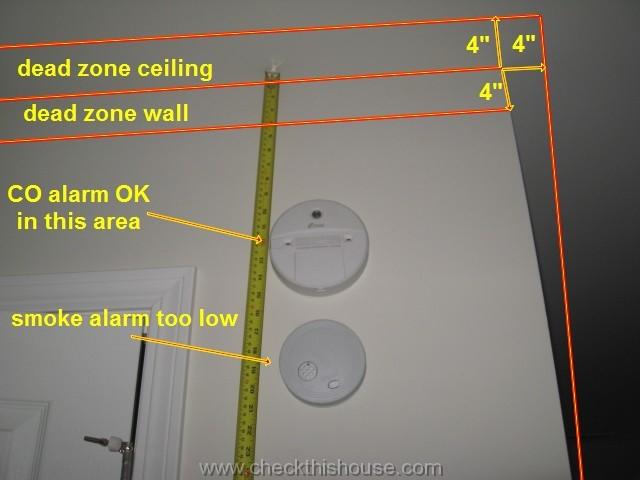
- Wall Mounting: When mounting on a wall, place the detector approximately 5 feet (at eye level) above the floor. This height is generally considered accessible for testing and maintenance.
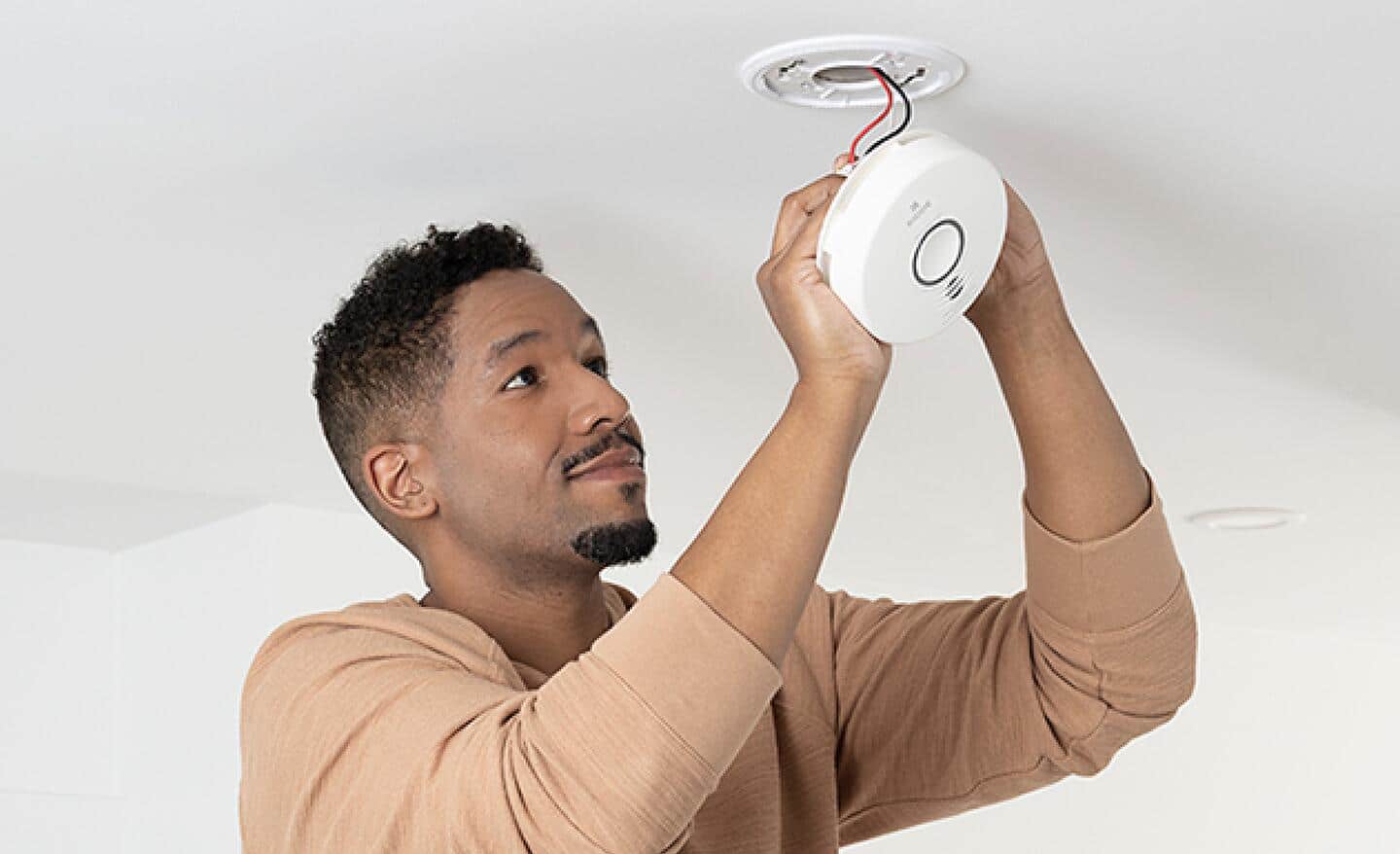
- Ceiling Mounting: When mounting on the ceiling, place the detector at least 4 inches from any wall.
CO Detector Maintenance and Replacement
CO detectors are not a set-it-and-forget-it device. Regular maintenance is crucial to ensure proper operation.
- Test Regularly: Test your CO detectors at least once a month by pressing the test button. If the alarm doesn't sound, replace the batteries or the entire unit.
- Replace Batteries Annually: Even if the detector is hardwired, it typically has a battery backup. Replace the batteries at least once a year, ideally when you change your clocks for daylight saving time.
- Clean Regularly: Gently vacuum or wipe down the detector regularly to remove dust and debris.
- Replace Every 5-7 Years: CO detectors have a limited lifespan. Replace them every 5-7 years, or as recommended by the manufacturer. Look for the expiration date on the unit.
CO Detector Types and Technology
Several types of CO detectors are available, each with its own advantages and disadvantages:
- Biomimetic Sensor: This type uses a gel that changes color in the presence of CO, triggering the alarm. They are generally less expensive but may be less accurate.
- Metal Oxide Semiconductor: These detectors use a sensor that changes electrical resistance when exposed to CO. They are generally more accurate and have a longer lifespan than biomimetic sensors.
- Electrochemical Sensor: This type uses a chemical reaction to measure CO levels. They are highly accurate and have a long lifespan, making them a popular choice.
Consider opting for smart CO detectors that connect to your home's Wi-Fi network and send alerts to your smartphone. These detectors can provide early warnings even when you're away from home.
Integrating CO Detection with HVAC Systems
Advanced HVAC systems can be integrated with CO detection systems for enhanced safety. For example, some systems can automatically shut down the furnace or boiler if CO is detected, preventing further CO buildup. These integrated systems often include:
- CO Sensors Integrated with Thermostats: Some smart thermostats incorporate CO sensors, providing both temperature control and CO detection in one device.
- HVAC System Shutdown: In the event of a CO alarm, the HVAC system can be programmed to shut down automatically, preventing the circulation of CO throughout the building.
- Remote Monitoring and Alerts: Many integrated systems offer remote monitoring and alerts, allowing you to receive notifications on your smartphone if CO is detected, even when you're away from home.
Cost Considerations
The cost of CO detectors varies depending on the type, features, and brand. Basic CO detectors can range from $15 to $30, while smart detectors with advanced features can cost $50 or more. While it may be tempting to opt for the cheapest option, investing in a high-quality CO detector with a reliable sensor and a long lifespan is well worth the cost.
The cost of installing CO detectors can also vary depending on whether you choose to install them yourself or hire a professional. Installation is typically straightforward and can be done by most homeowners. However, if you're unsure about the process or prefer to have a professional handle it, an HVAC technician or electrician can install CO detectors for you.
Conclusion
Proper placement of carbon monoxide detectors is a critical safety measure for protecting yourself and your family from CO poisoning. By following these guidelines and maintaining your detectors regularly, you can significantly reduce the risk of CO exposure. Remember to prioritize safety and consult with a qualified HVAC technician if you have any questions or concerns about CO detection in your home or building.