Where To Place A Carbon Monoxide Alarm

Carbon monoxide (CO) is an odorless, colorless, and deadly gas. According to the Centers for Disease Control and Prevention (CDC), CO poisoning leads to over 400 deaths and 20,000 emergency room visits annually in the United States. Because you can't see or smell it, the placement of carbon monoxide alarms is absolutely critical for the safety of building occupants. For HVAC professionals, understanding these guidelines isn't just best practice; it's a moral imperative. This article provides comprehensive guidance on where to install CO alarms, ensuring maximum protection.
Understanding Carbon Monoxide and Its Sources
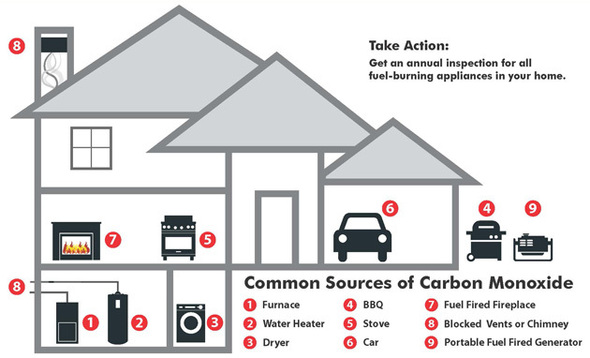
Before diving into placement, it's crucial to understand where CO originates. In residential and commercial settings, common sources include:
- Furnaces (especially those with cracked heat exchangers or improper venting)
- Water heaters
- Gas stoves and ovens
- Fireplaces (wood-burning and gas)
- Portable generators
- Cars left running in attached garages
- Charcoal grills used indoors or in partially enclosed spaces
Faulty or poorly maintained appliances are primary culprits. As HVAC technicians, we play a vital role in preventing CO buildup through proper installation, regular maintenance, and thorough inspections.
Optimal Placement: The First Line of Defense
While local building codes provide minimum requirements, going above and beyond is always recommended. Here's a breakdown of ideal CO alarm placement:
Central Locations on Each Level
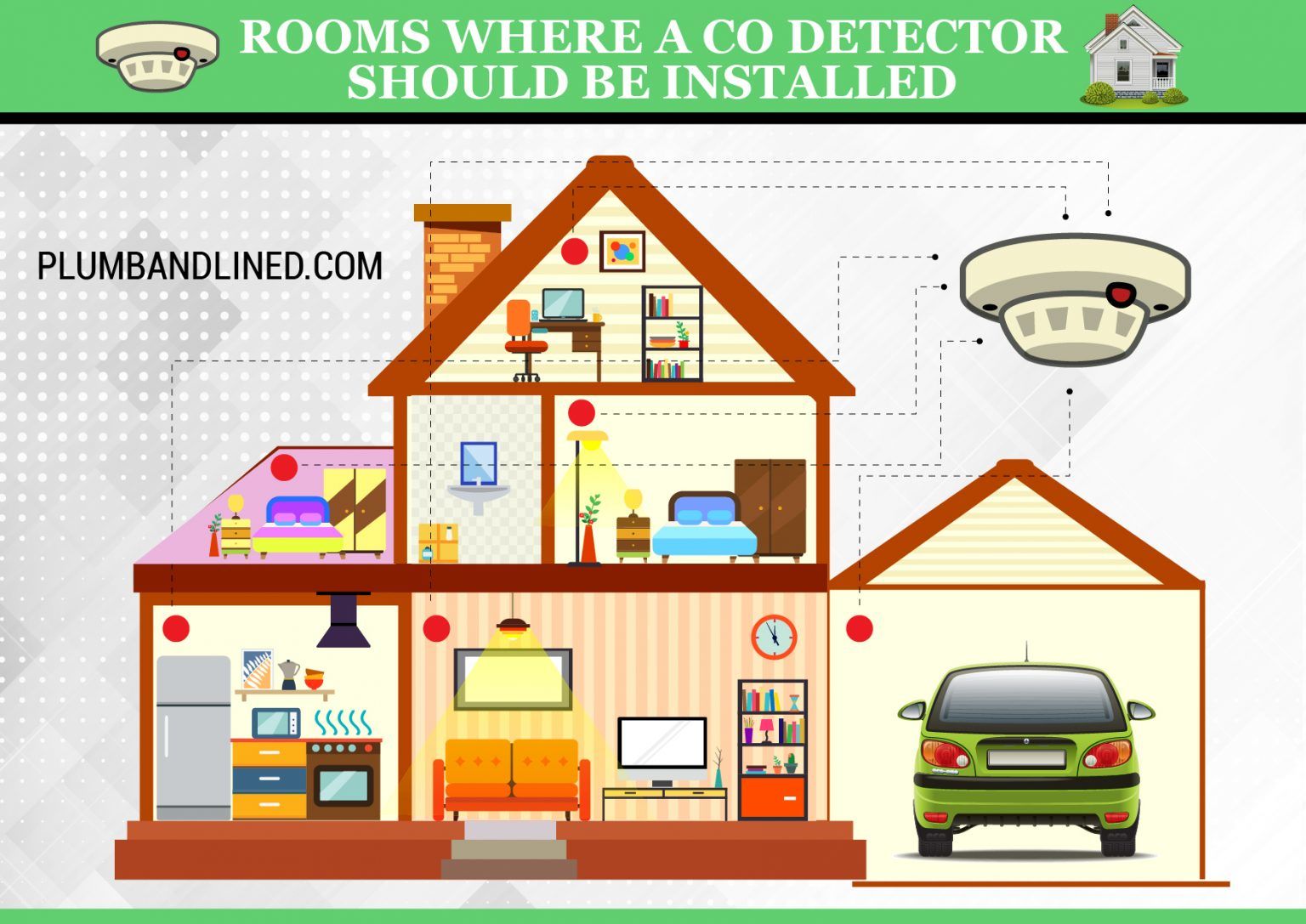
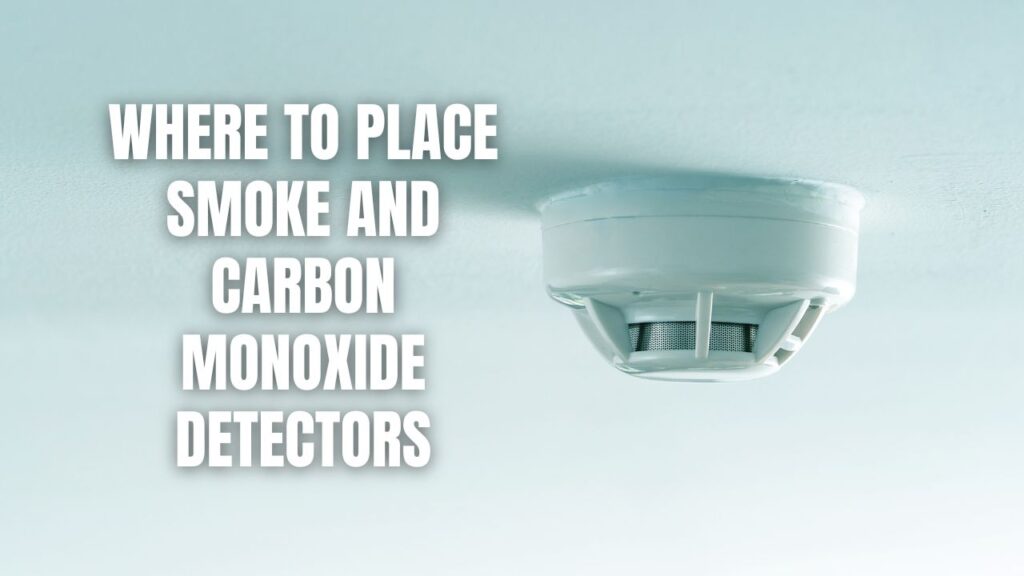
Install at least one CO alarm on every level of the building, including basements. Place it in a central location, such as a hallway, to ensure that occupants can hear the alarm from all rooms. Consider placement near bedrooms to ensure occupants are alerted while sleeping.
Near Sleeping Areas
This is arguably the most critical placement. CO is most dangerous when people are asleep and less likely to notice symptoms. Install CO alarms outside each sleeping area or within each bedroom, following manufacturer instructions. This is particularly important in homes with multiple bedrooms on different levels.
Distance from Fuel-Burning Appliances
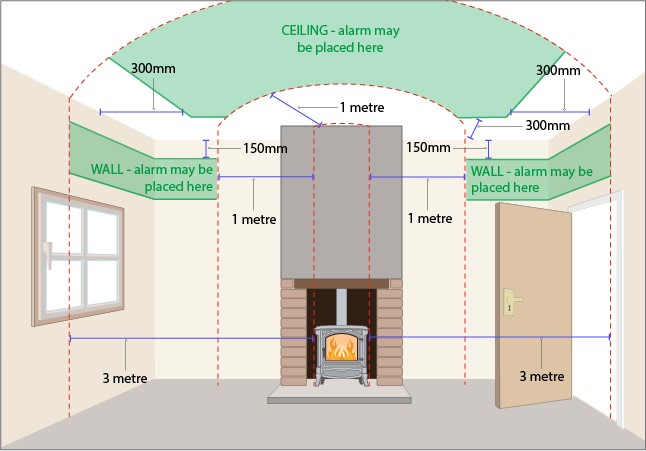
While placing an alarm right next to a furnace or water heater might seem logical, it's often not the best approach. Alarms can be triggered by brief, harmless puffs of CO during appliance start-up. Most manufacturers recommend placing alarms at least 10 feet away from fuel-burning appliances. Consult the alarm's instruction manual for specific recommendations.
Avoiding Problematic Areas
Certain locations can hinder an alarm's effectiveness:
- Near windows or doors: Drafts can dilute CO, delaying detection.
- In kitchens or bathrooms: Steam and humidity can damage the sensor.
- In dusty or dirty areas: Dust and debris can clog the sensor, reducing its sensitivity.
- Directly above or near cooking appliances: False alarms are more likely.
Height Considerations
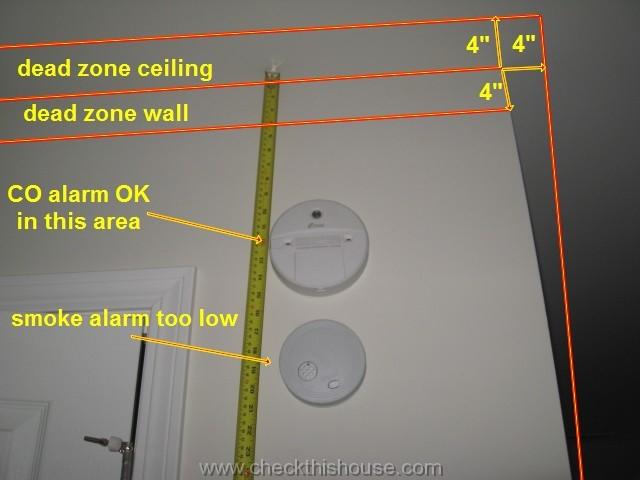
Since CO is slightly lighter than air, it tends to rise. However, this is not always the case, and placement should not rely on this assumption. Follow the manufacturer's instructions, which usually recommend placing the alarm at eye level (approximately 5 feet from the floor) to allow for easy testing and maintenance.
Types of Carbon Monoxide Alarms
Understanding the different types of CO alarms is crucial for making informed recommendations to clients. The most common types are:
- Electrochemical sensors: These are the most common and generally considered the most reliable.
- Biomimetic sensors: These sensors use a gel that changes color in the presence of CO, triggering the alarm.
- Metal oxide semiconductor sensors: These sensors detect CO by measuring changes in electrical conductivity. They tend to be less accurate than electrochemical sensors.
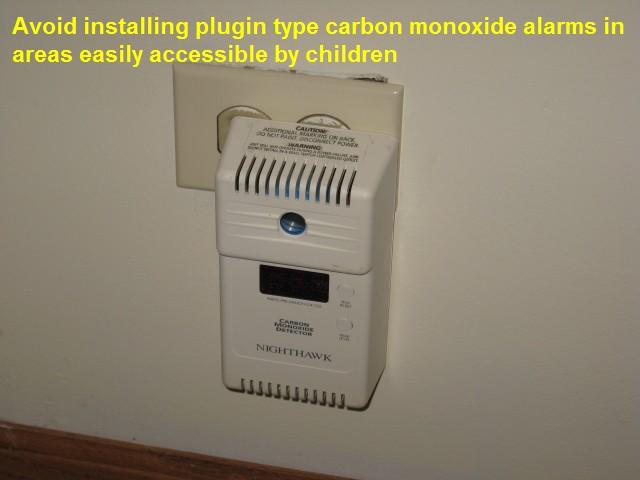
Additionally, alarms can be hardwired, battery-powered, or plug-in. Hardwired alarms often have battery backup for protection during power outages. Combination smoke and CO alarms are also available, offering comprehensive protection.
The HVAC Professional's Role: Prevention and Education
As HVAC professionals, we are uniquely positioned to prevent CO poisoning. Here's how:
- Thorough Inspections: During routine maintenance, meticulously inspect all fuel-burning appliances for leaks, corrosion, and proper venting. Pay close attention to furnace heat exchangers, which are a common source of CO leaks.
- Proper Installation: Ensure all appliances are installed according to manufacturer instructions and local codes. Improper installation can lead to dangerous CO buildup.
- Client Education: Educate clients about the dangers of CO, the importance of CO alarms, and the signs and symptoms of CO poisoning. Encourage them to test their alarms regularly and replace them according to the manufacturer's recommendations.
- Promote Regular Maintenance: Emphasize the importance of annual HVAC system maintenance to prevent CO leaks and ensure optimal appliance performance.
Career Outlook and Salary Information
The demand for skilled HVAC technicians is projected to grow significantly in the coming years. According to the U.S. Bureau of Labor Statistics, employment of HVACR mechanics and installers is projected to grow 6 percent from 2022 to 2032, about as fast as the average for all occupations. This growth is driven by new construction, the increasing complexity of HVAC systems, and the need for energy-efficient solutions. Job prospects are expected to be excellent for those with proper training and certifications.
The median annual wage for HVACR mechanics and installers was $59,620 in May 2023. The highest 10 percent earned more than $84,910. Salary can vary depending on experience, location, and specialization.
Certifications and Professional Development
Obtaining relevant certifications can significantly enhance career prospects and earning potential. Some key certifications include:
- NATE (North American Technician Excellence): NATE certification is widely recognized as a mark of excellence in the HVAC industry. It demonstrates a technician's knowledge, skills, and commitment to professionalism.
- EPA Section 608 Certification: Required for technicians who handle refrigerants, this certification ensures compliance with environmental regulations.
- HVAC Excellence: HVAC Excellence offers a range of certifications covering various aspects of HVAC systems.
Continuing education is also crucial for staying up-to-date with the latest technologies and best practices. Many vocational schools, community colleges, and industry organizations offer courses and workshops for HVAC professionals.
Real-World Career Paths
The HVAC industry offers diverse career paths. Here are a few examples:
- Residential HVAC Technician: Focuses on installing, maintaining, and repairing HVAC systems in homes.
- Commercial HVAC Technician: Works on larger, more complex HVAC systems in commercial buildings.
- HVAC Design Engineer: Designs HVAC systems for new construction and renovation projects. Requires a strong understanding of engineering principles and building codes.
- HVAC Sales Engineer: Sells HVAC equipment and services to residential and commercial clients. Requires strong technical knowledge and sales skills.
- HVAC Service Manager: Oversees a team of HVAC technicians, ensuring efficient and high-quality service delivery.
Example: Maria started her career as an HVAC apprentice after completing a vocational program. She obtained her NATE certification after a few years of experience. Now, she works as a lead technician for a large HVAC company, specializing in commercial HVAC systems. Her dedication to ongoing training and professional development has enabled her to advance her career and earn a competitive salary.
Employer Considerations: Hiring and Training
For employers in the HVAC industry, hiring skilled and knowledgeable technicians is essential for providing high-quality service and maintaining a competitive edge. When hiring, prioritize candidates with relevant certifications and experience. Invest in ongoing training and development to ensure that your technicians are up-to-date with the latest technologies and best practices. Provide opportunities for professional growth and advancement to attract and retain top talent.
Specifically regarding carbon monoxide safety, employers should ensure that all technicians are thoroughly trained on proper CO alarm placement, appliance inspection procedures, and client education techniques. Equip technicians with the necessary tools and equipment to perform thorough inspections and identify potential CO hazards. Regular training refreshers are vital to reinforce these critical skills.
Pro Tip: Implement a quality assurance program that includes regular audits of technicians' work to ensure compliance with safety standards and best practices. This can help identify areas for improvement and prevent potential CO-related incidents.
Conclusion
Proper carbon monoxide alarm placement is a crucial aspect of HVAC safety and prevention. By following these guidelines, HVAC professionals can help protect building occupants from the dangers of CO poisoning. Remember, as HVAC technicians, we are not just installing and maintaining equipment; we are safeguarding lives. Emphasize proper placement during every installation or service call. Furthermore, the HVAC industry offers promising career opportunities for those with the right skills, knowledge, and certifications. By investing in training, professional development, and a commitment to excellence, HVAC professionals can achieve rewarding careers and make a significant impact on society.