Where To Place Carbon Monoxide Detector In Home
Carbon monoxide (CO) is an odorless, colorless gas that can be deadly. Preventing CO poisoning is crucial, and properly placed CO detectors are your first line of defense. But where exactly should you install them to maximize their effectiveness and, surprisingly, contribute to a more energy-efficient home? While it might seem unrelated, proper placement ensures efficient operation of fuel-burning appliances, helping you avoid costly repairs and wasted energy. This article will guide you through the optimal placement of CO detectors, considering factors like building codes, energy-saving strategies, and the benefits of smart home integration.
Understanding the Basics of CO Detector Placement
The primary goal of a CO detector is to alert you to the presence of dangerous levels of the gas, giving you time to evacuate. Therefore, the placement should prioritize early detection in areas where people sleep and near potential sources of CO.
Key Recommendations from Experts
Leading safety organizations like the National Fire Protection Association (NFPA) and the Consumer Product Safety Commission (CPSC) provide guidelines for CO detector placement. Here's a summary of their core recommendations:
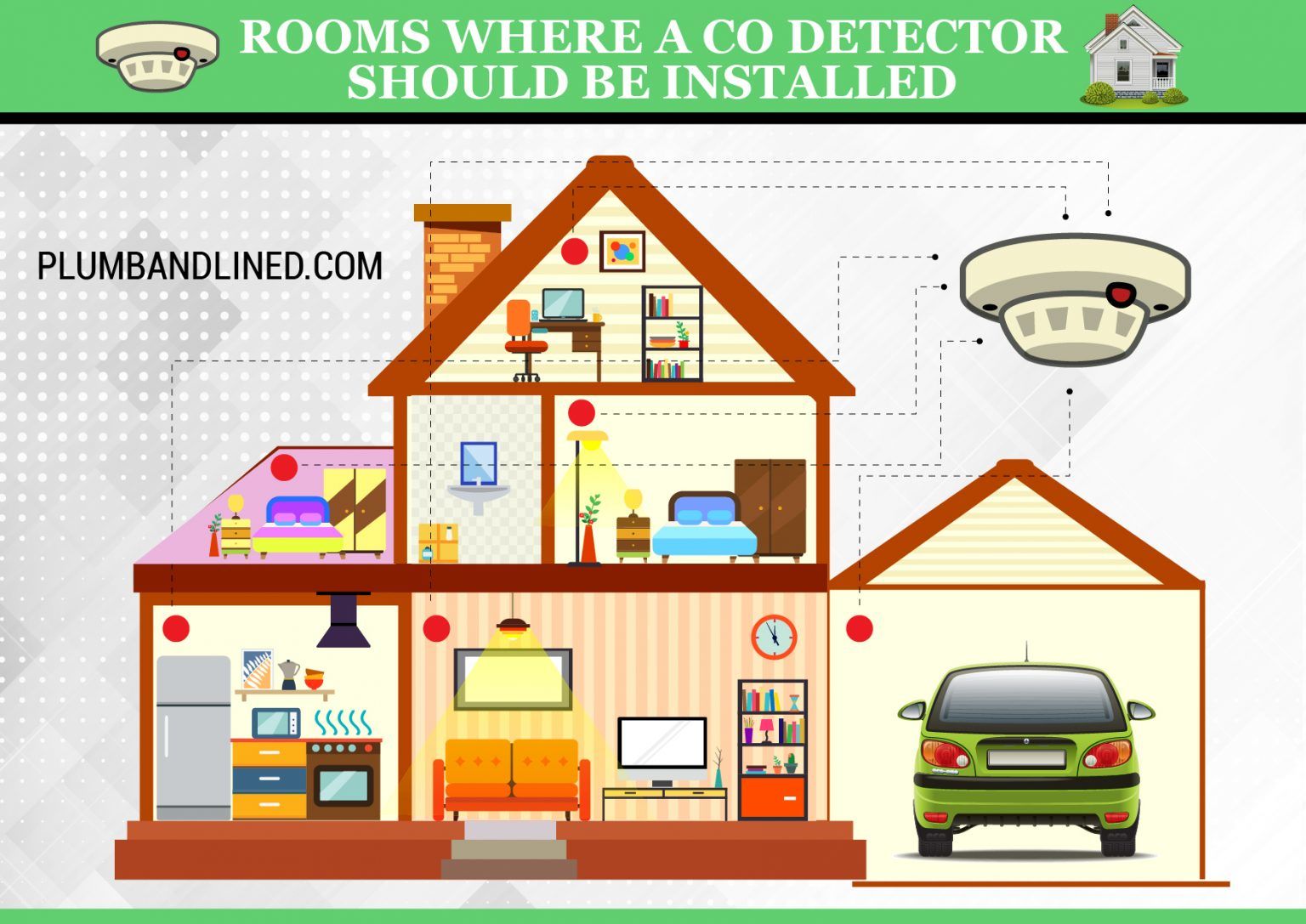
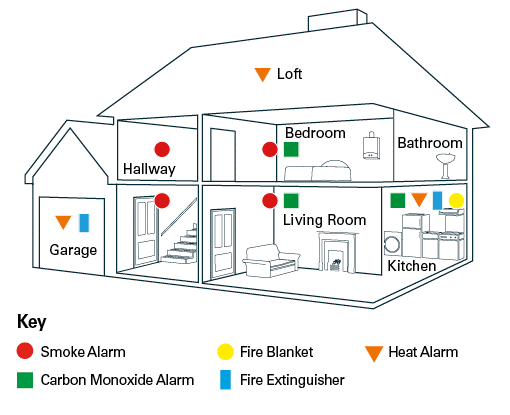
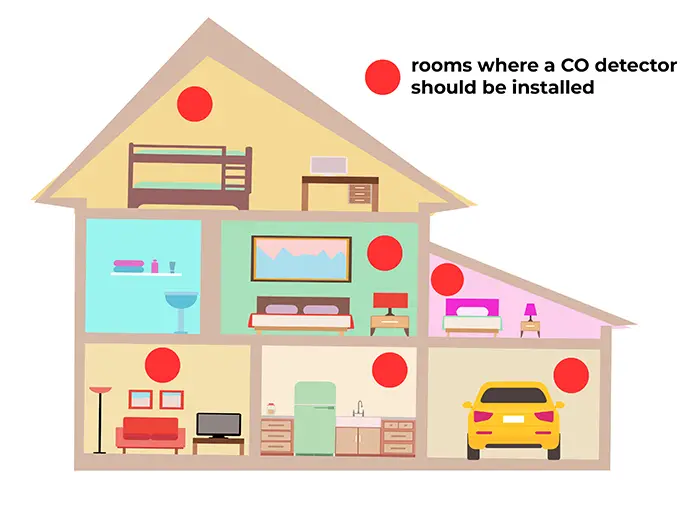
- One detector on each level: Install at least one CO detector on every level of your home, including the basement. This ensures coverage regardless of where a CO leak originates.
- Near sleeping areas: The most critical placement is outside of each sleeping area. CO can quickly incapacitate sleeping individuals, making early detection vital. Some detectors are specially designed as a combined smoke and CO alarm and can be a good option for bedrooms.
- Within 10 feet of bedroom doors: Position the detector within 10 feet of each bedroom door to ensure that the alarm can be heard clearly while sleeping.
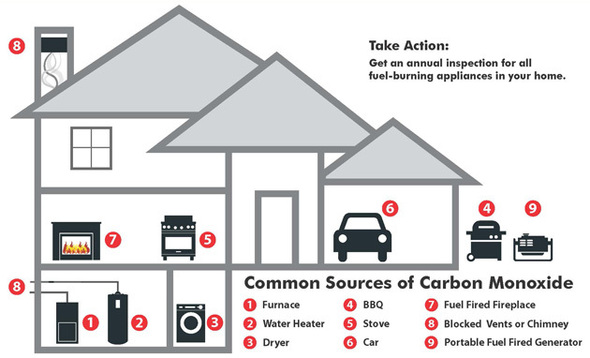
- Away from fuel-burning appliances: While detectors should be near potential CO sources, avoid placing them directly next to appliances like furnaces, water heaters, or stoves. Excess moisture or extreme temperatures can damage the sensor. A distance of at least 10 feet is generally recommended unless specified otherwise by the manufacturer.
- Avoid obstructed locations: Do not place detectors behind furniture, curtains, or other obstructions that could block airflow to the sensor.
Vertical vs. Horizontal Placement: High or Low?
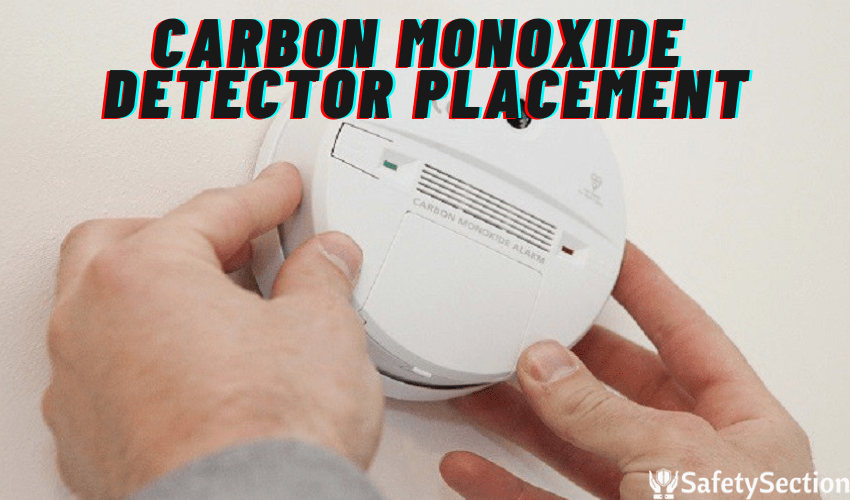
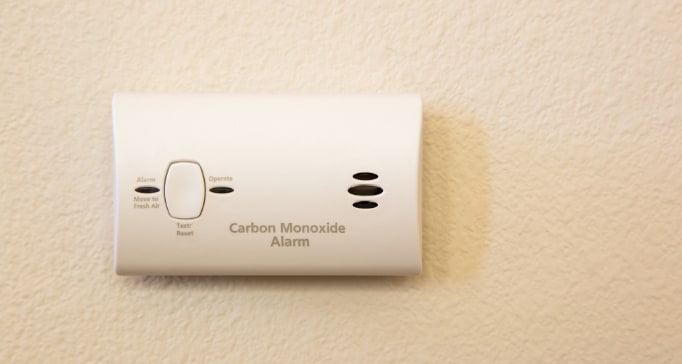
A common question is whether CO detectors should be mounted high or low on the wall. Since CO is slightly lighter than air, it's often recommended to install detectors on the wall, about 5 feet from the floor. However, the most crucial factor is following the manufacturer's instructions. Some detectors are designed for wall mounting, while others are designed for ceiling mounting. Adhering to the manufacturer's guidelines ensures optimal performance.
Why Manufacturer Instructions Matter
Detector technology varies, and placement recommendations are based on the sensor's design. For example, some detectors have sophisticated sensors designed to detect CO regardless of its position in the room. Always consult the detector's manual for specific instructions.
Energy Efficiency and CO Detector Placement: A Surprising Connection
While directly placing a CO detector will not influence the energy usage of your home, the location of your detector can indirectly impact your energy bill by:
- Early detection of appliance malfunctions: A properly placed detector can alert you to a CO leak caused by a malfunctioning furnace, water heater, or other fuel-burning appliance. Detecting these issues early can prevent more significant damage and energy waste. For example, a furnace that is not burning fuel efficiently can produce excessive CO and waste energy, driving up your heating bills. According to the ***Energy Star*** program, regular maintenance of your heating system can improve its efficiency by up to 15%. Early detection of CO issues can facilitate that maintenance schedule.
- Preventing unnecessary heating system stress: A minor CO issue might indicate a problem with the ventilation system or combustion process. Addressing these issues early prevents the system from working harder than necessary, saving energy.
- Ensuring proper ventilation: Many homes are now built to be very energy efficient, sometimes at the expense of adequate ventilation. Lack of ventilation can lead to a build-up of CO if appliances aren't working properly. A properly placed CO detector serves as an early warning system in such scenarios.
Smart Home Integration: Enhancing Safety and Efficiency
Smart CO detectors offer advanced features that can further improve safety and contribute to a more energy-efficient home. Here are some key benefits:
- Remote monitoring: Receive alerts on your smartphone or tablet if CO is detected, even when you're away from home. This is especially valuable for vacation homes or rental properties.
- Interconnectivity: Some smart detectors can be interconnected, so if one detects CO, all detectors in the home will sound the alarm. This ensures that everyone is alerted, regardless of their location in the house.
- Integration with smart thermostats: Some smart CO detectors can integrate with smart thermostats. If CO is detected, the thermostat can automatically shut off the furnace or other fuel-burning appliances, preventing further CO buildup. For example, *Nest Protect* offers this level of integration.
- Data logging: Smart detectors can log CO levels over time, providing valuable data for identifying potential problems. This can help you troubleshoot issues with your appliances or ventilation system.
The ROI of Smart CO Detectors
While smart CO detectors may have a higher upfront cost, the long-term benefits can outweigh the expense. Consider the cost of potential damage from a CO leak, the value of peace of mind, and the potential for energy savings from early detection of appliance malfunctions. The investment in a smart system often proves worthwhile.
Addressing Common CO Detector Placement Mistakes
Avoiding common placement mistakes is essential for maximizing the effectiveness of your CO detectors. Here are some pitfalls to avoid:
- Ignoring manufacturer instructions: Always read and follow the manufacturer's instructions for placement and maintenance.
- Placing detectors in dead air spaces: Avoid placing detectors in corners or other areas where air circulation is limited.
- Placing detectors near sources of humidity: Avoid placing detectors in bathrooms or near laundry rooms, as humidity can damage the sensor.
- Failing to test detectors regularly: Test your detectors at least once a month to ensure they are working properly.
- Neglecting battery maintenance: Replace batteries regularly, or choose detectors with long-lasting batteries or hardwired connections.
Building Codes and CO Detector Requirements
Many states and municipalities have building codes that require CO detectors in new and existing homes. These codes typically specify the number of detectors required, their location, and the type of detector (e.g., hardwired vs. battery-powered). Check your local building codes to ensure compliance. Some codes may also offer incentives or rebates for installing energy-efficient appliances and safety devices, potentially reducing your costs.
Working with HVAC Contractors for Optimal Placement
When upgrading your HVAC system, consult with a qualified HVAC contractor about CO detector placement. A knowledgeable contractor can assess your home's layout, identify potential CO sources, and recommend the optimal placement for your detectors. They can also integrate smart CO detectors with your smart thermostat and other home automation systems.
Maintaining Your CO Detectors
Proper maintenance is crucial for ensuring the ongoing effectiveness of your CO detectors. Here are some key maintenance tips:
- Test regularly: Test your detectors at least once a month using the test button.
- Replace batteries: Replace batteries at least once a year, or as recommended by the manufacturer. Consider using long-life batteries to reduce maintenance.
- Clean detectors: Vacuum or dust detectors regularly to remove dust and debris that can interfere with sensor operation.
- Replace detectors: CO detectors have a limited lifespan, typically 5-7 years. Replace detectors when they reach the end of their service life, as indicated by the manufacturer.
Conclusion: Prioritizing Safety and Efficiency
Proper CO detector placement is a critical aspect of home safety. By following the guidelines outlined in this article, you can ensure that your detectors provide early warning of CO leaks, protecting your family from the dangers of CO poisoning. Moreover, by integrating smart CO detectors with your smart home system and addressing potential appliance malfunctions early, you can contribute to a more energy-efficient and sustainable home. Remember to consult with a qualified HVAC contractor for expert advice on CO detector placement and HVAC system maintenance. Prioritizing both safety and energy efficiency is a win-win for your home and your well-being.