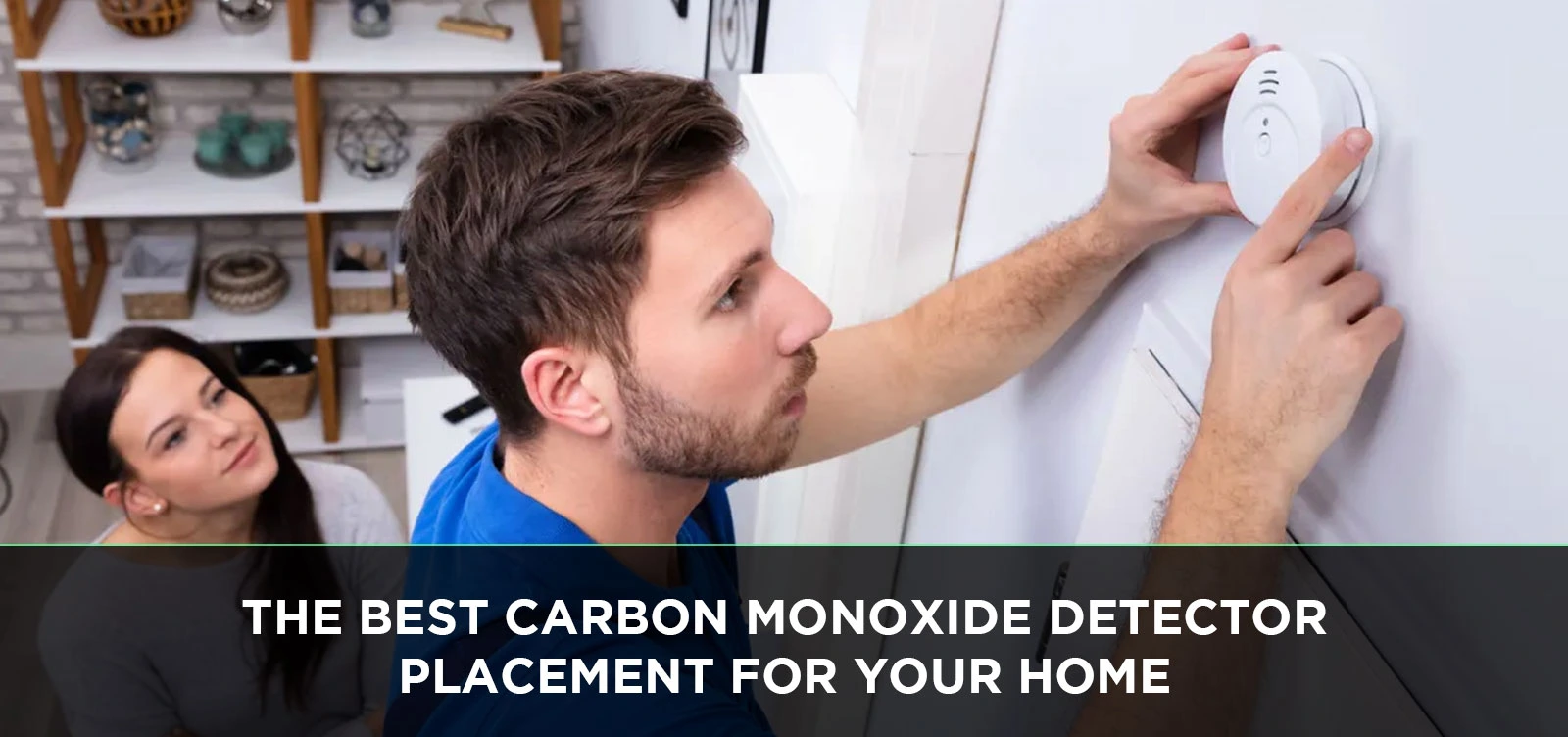
Where To Position Carbon Monoxide Detector

Carbon Monoxide Detector Placement: A Critical Guide for HVAC System Safety
Installing a new HVAC system often brings increased efficiency and comfort to your home. However, it also necessitates a thorough review of your home's safety measures, particularly concerning carbon monoxide (CO) detection. A faulty furnace, boiler, or even a gas-powered water heater can potentially leak this odorless, colorless, and deadly gas. Proper placement of CO detectors is therefore not just recommended; it's vital for the safety of you and your family.
Understanding the Risks Associated with HVAC Systems
While modern HVAC systems are designed with numerous safety features, the risk of CO leakage remains a concern, especially as systems age. Regular maintenance, including professional inspections, is crucial. However, even with diligent maintenance, a malfunctioning component or a crack in a heat exchanger can lead to dangerous CO buildup. Older systems are generally more susceptible to these issues, making CO detectors even more important in homes with older furnaces or boilers. The consequences of CO poisoning can be severe, ranging from flu-like symptoms to brain damage or death.
Optimal Placement Strategies for Carbon Monoxide Detectors
There's no one-size-fits-all solution for CO detector placement. The ideal locations depend on the layout of your home, the number of levels, and the location of fuel-burning appliances. However, following some general guidelines significantly enhances your protection.
Key Placement Recommendations:
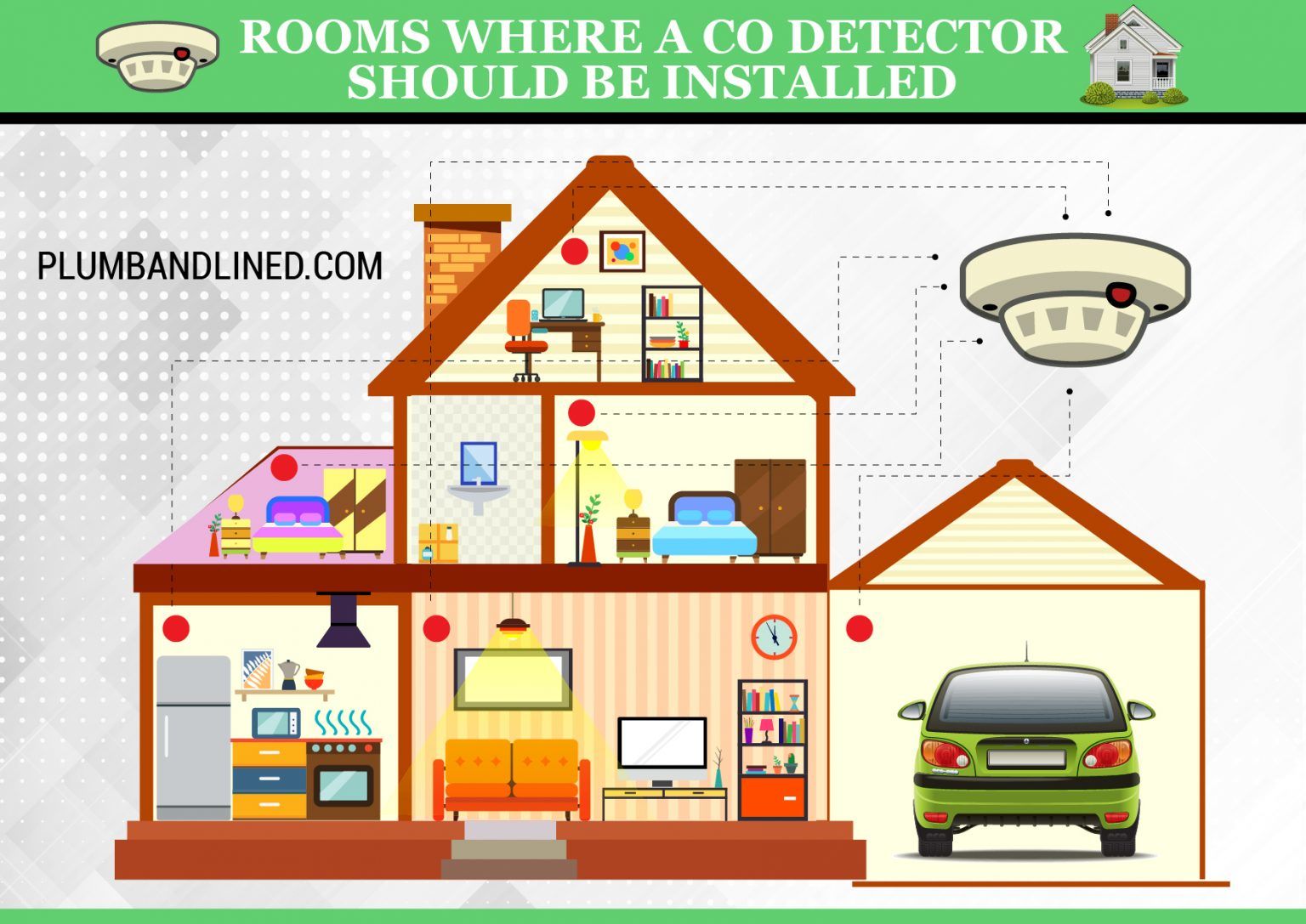
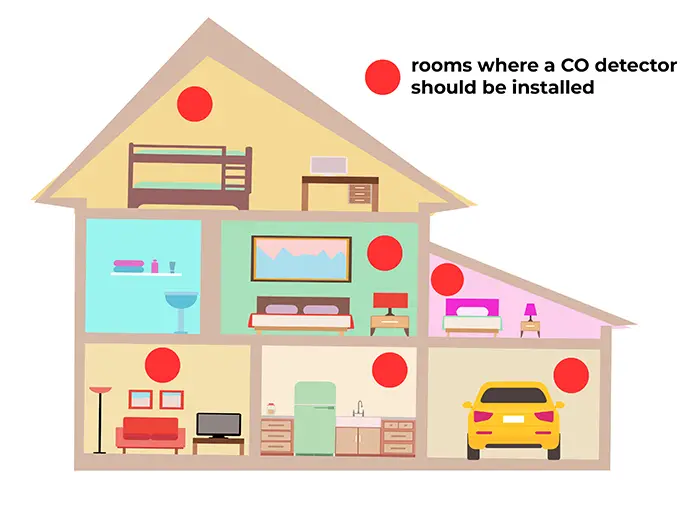
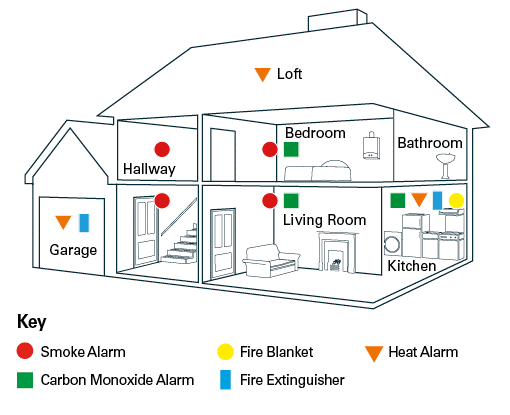
- Near Sleeping Areas: This is the most crucial recommendation. CO is most dangerous when you're asleep and less likely to detect the early warning signs. Install a detector in the hallway outside each sleeping area, ensuring it's audible in all bedrooms.
- On Every Level of Your Home: CO can spread throughout a house, so having detectors on each level provides comprehensive coverage. This is especially important in multi-story homes or those with finished basements.
- Near Fuel-Burning Appliances: Install a detector within 10 feet of any fuel-burning appliance, such as a furnace, boiler, water heater, or gas fireplace. However, avoid placing it directly adjacent to the appliance, as this can trigger false alarms due to brief, localized CO releases during startup.
- Following Manufacturer's Instructions: Always refer to the manufacturer's instructions for specific placement recommendations for your particular detector model.
Locations to Avoid:
- Near Windows or Doors: Drafts can dilute CO and prevent the detector from accurately measuring its concentration.
- In Damp or Humid Areas: High humidity can damage the detector's sensor and reduce its effectiveness. Avoid bathrooms, laundry rooms, and unfinished basements.
- Near Cooking Appliances: While some newer CO detectors are designed to differentiate between cooking fumes and CO, it's generally best to avoid placing them near stoves or ovens to prevent nuisance alarms.
- In Dusty or Dirty Areas: Dust and debris can clog the detector's sensor and reduce its accuracy.
- Behind Furniture or Curtains: Obstructions can prevent CO from reaching the detector.
Types of Carbon Monoxide Detectors
Several types of CO detectors are available, each with its own advantages and disadvantages. Choosing the right type depends on your budget, lifestyle, and specific needs.
Battery-Powered Detectors:
These are the most common and affordable type of CO detector. They're easy to install and can be placed anywhere in your home. However, they require regular battery replacements, typically every six months to a year. Some models feature a low-battery warning, but it's still essential to check the batteries regularly. Consider models with 10-year sealed batteries for added convenience and reliability. Brands like Kidde and First Alert offer a wide range of battery-powered CO detectors.
Hardwired Detectors:
Hardwired detectors are connected directly to your home's electrical system and typically have a battery backup. This ensures that they continue to function even during a power outage. They're more complex to install than battery-powered detectors and may require professional installation. However, they offer greater reliability and are often preferred in new construction or during renovations. Popular hardwired models include those from Nest (Nest Protect) and BRK Brands.
Smart CO Detectors:
Smart CO detectors offer advanced features, such as smartphone notifications, voice alerts, and integration with other smart home devices. They can provide remote monitoring and alert you to CO leaks even when you're away from home. The Nest Protect is a well-regarded smart CO detector that offers both CO and smoke detection, along with voice alerts and smartphone connectivity. These models often command a higher price point but offer added convenience and peace of mind.
Combination Smoke and CO Detectors:
These detectors combine both smoke and CO detection into a single unit, saving space and reducing the number of devices you need to maintain. They're a convenient option for homeowners looking for comprehensive protection. However, it's important to ensure that the detector meets the specific requirements for both smoke and CO detection in your area. Kidde and First Alert offer several combination smoke and CO detector models.
Maintenance and Testing
Regardless of the type of CO detector you choose, regular maintenance and testing are essential to ensure its proper functioning.
- Test Your Detectors Regularly: Press the test button on each detector at least once a month to verify that it's working correctly.
- Replace Batteries as Needed: Replace batteries in battery-powered detectors at least once a year, or more frequently if the low-battery warning sounds. Consider replacing batteries when you change your clocks for daylight saving time.
- Clean Your Detectors: Dust or vacuum your detectors regularly to remove any debris that could interfere with their operation.
- Replace Detectors According to Manufacturer's Instructions: CO detectors have a limited lifespan, typically 5-10 years. Replace your detectors by the expiration date printed on the device, even if they appear to be working correctly.
- Professional HVAC Inspection: Schedule annual inspections of your HVAC system with a qualified technician. They can identify potential CO leaks and ensure that your system is operating safely and efficiently.
The Importance of Professional HVAC Inspection
While CO detectors are essential safety devices, they are not a substitute for regular HVAC system maintenance. A professional HVAC technician can identify potential CO leaks that may not be detectable by a CO detector, such as small cracks in a heat exchanger. During a maintenance visit, the technician will inspect the system for leaks, check the venting system for obstructions, and ensure that the system is operating efficiently. Regular HVAC maintenance can also extend the lifespan of your system and prevent costly repairs.
Beyond detecting CO, a qualified HVAC technician can ensure your system’s efficiency, impacting your AFUE (Annual Fuel Utilization Efficiency) rating for furnaces, SEER (Seasonal Energy Efficiency Ratio) for air conditioners, and HSPF (Heating Season Performance Factor) for heat pumps. Improved efficiency translates to lower energy bills and a smaller carbon footprint.
When selecting a new HVAC system, consider systems with robust warranties. Warranties vary, but the best offer coverage for parts and labor for several years. Be sure to understand the terms of the warranty and the maintenance requirements to keep it valid.
Choosing the Right CO Detector for Your Home: A Summary
Selecting and properly placing carbon monoxide detectors is a crucial step in ensuring the safety of your home, especially after installing a new HVAC system. By following the guidelines outlined in this article, you can significantly reduce the risk of CO poisoning and protect your family from this silent killer. Remember to test your detectors regularly, replace batteries as needed, and schedule annual HVAC inspections to maintain a safe and healthy home environment.
Don't compromise on safety. Invest in quality CO detectors and prioritize regular HVAC maintenance. Your peace of mind is worth it.